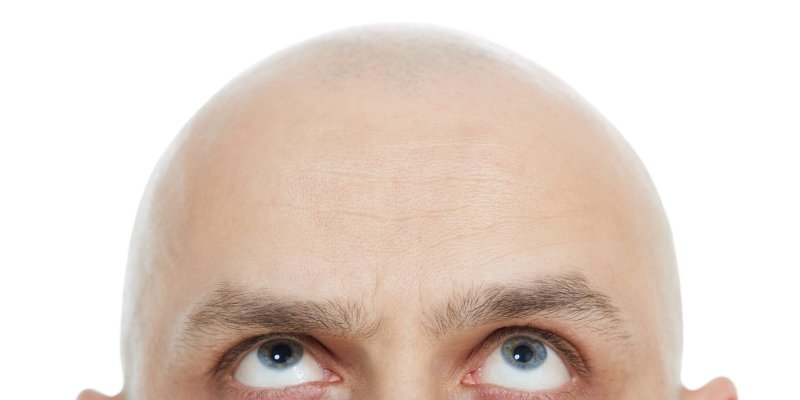
Excessive Hair Loss: Causes and Treatments
Hair loss is a condition that could affect certain parts of your body. Sometimes, hair loss is temporary and could be the result of certain habits, such as the use of some medications. Sometimes, hair loss is just the natural part of aging. However, sometimes it is hereditary. Excessive hair loss generally refers to baldness. Inherited hair loss, especially in men, is the major cause of baldness. Some people might be unbothered by baldness, whereas some people might be extremely frustrated and annoyed with excessive hair loss. You could cover your bald spots with hats or wigs, or you could benefit from the advantages of available treatments for excessive hair loss. These treatments could actually stop or slow down hair loss.
What Is Considered Excessive Hair Loss?
People generally lose between 50 and 100 hairs a day. So, there is no need to be alarmed when you lose some hair during the day. Since hair grows after that normally, the hair loss is not actually noticeable. Permanent or excessive hair loss occurs when new hair stops growing and replaces the ones that are lost.
What then constitutes excessive hair fall? According to dermatologists, excessive hair fall can be said to include any hair fall beyond 100 to 150 strands each day consistently or hair loss where thinning, wider parts, and bald patches appear when none existed before. Losing a lot of hair in one particular day does not really mean anything until this kind of hair loss goes on for a long time of weeks or months. The understanding of the limits will help you differentiate between a normal process and a medical condition that requires attention. It all comes down to hair follicles that are responsible because once they are shrunken, inactive or damaged, then no more hair can grow out anymore.
Excessive Hair Loss in the Shower: What's Normal and What's Not
The shower is often where people first notice they may be losing too much hair. Seeing a clump of strands on the drain cover is alarming, but context matters. If you wash your hair every day, you will see fewer hairs per wash simply because loose strands are rinsed away regularly. If you wash every two or three days, the accumulated loose hairs come out at once, making the amount look larger than it really is.
A helpful reference point is understanding how much hair is normal to lose in the shower. In general, losing about 50 to 100 hairs during the wash period may be considered normal. Red flags which signal that shedding while taking a shower is already too much include filling the palm of your hand with hair or the fact that your drain gets clogged faster compared to previous times or you start getting more visibility on your scalp over several weeks. Losing an unusually high number of strands when washing or even brushing your hair becomes a cause for concern after a few weeks and it’s time to consult with a doctor.
Common Causes of Excessive Hair Loss in Women
Excessive hair loss in women is more common than many people realise, and it often carries a different set of causes than hair loss in men. Changes in hormone levels are one of the most common causes. Pregnancy, giving birth, menopause, and diseases like PCOS are some of the situations that may affect the normal growth pattern of hair. Disorders related to the thyroid gland, be it overactivity or underactivity, are another major hormonal cause of hair fall in females.
Female pattern baldness, also called female androgenetic alopecia, normally occurs due to hair loss that is widespread on the top and back of the head and not due to the receding of the hairline. It is not as conspicuous as male pattern baldness in its initial stages, and therefore, it tends to go unnoticed for some time. This problem can also be caused by stress, rapid weight loss, or autoimmune problems like alopecia areata. There are so many factors involved that a proper diagnosis is required to determine the cause.
Excessive Hair Loss in Men: Patterns, Stages, and Risk Factors
The major reason for hair loss is genetic factors. Hereditary hair loss is called androgenic alopecia or male pattern baldness. This type of hair loss is predictable and has certain patterns. Therefore, if caught in early stages, it could be treated or managed. Male pattern baldness appears as a receding hairline or bald spots on the scalp in men.
The Norwood classification system is considered the most commonly adopted method for classifying male pattern baldness that starts at Stage 1, where there is not much receding hairline or no receding hairline at all, and ends with Stage 7, involving a lot of balding in the top and crown regions with hair present only in a small band on the sides and back of the head. Knowing one’s stage makes it easier for physicians to know what measures should be taken. Excessive hair fall in men can be influenced by such factors other than genetic predisposition as chronic stress, smoking, unhealthy eating habits, certain medications, including those prescribed for blood pressure or gout, and skin issues, like seborrheic dermatitis. The risk increases with age, becoming evident after turning 50 but starting even earlier, in one's twenties.
Sudden Excessive Hair Loss: Triggers and What to Expect
Hair loss could occur due to various reasons. The type of hair loss also depends on the factors causing it. Sometimes, hair loss develops gradually whereas sometimes it happens suddenly and rapidly.
Sudden excessive hair loss is most commonly associated with a condition called telogen effluvium. This occurs when a significant physical or emotional shock pushes a large number of hair follicles simultaneously into the resting phase of the hair cycle, causing them to shed roughly two to three months after the triggering event. Common triggers include severe illness or high fever, major surgery, sudden and significant weight loss, childbirth, bereavement, and periods of intense psychological stress. The delay between the trigger and the visible shedding is what makes telogen effluvium difficult to recognise at first.
The encouraging news is that sudden excessive hair loss caused by telogen effluvium is typically temporary. Once the underlying trigger is resolved or reduced, hair usually begins regrowing within six to nine months. However, if shedding continues beyond that window, or if the initial trigger is never clearly identified, further investigation is warranted to rule out other conditions.
Nutritional Deficiencies as Reasons for Excessive Hair Loss
Nutrition deficiency is another reason for excessive hair loss that occurs suddenly. These types of hair loss, however, are generally temporary. Your hair will typically grow after you eliminate the factors causing it.
Some of the nutritional deficiencies that have been linked with hair loss include iron deficiency, especially among women who have attained reproductive age, as well as ferritin deficiency, because ferritin is the protein responsible for storing iron within the body. Low levels of vitamin D have also been found to cause hair loss, as they affect the health of the hair follicles. Additionally, zinc helps to maintain the tissue growth and repair processes required to facilitate the hair cycle. Hair is made up mainly of protein referred to as keratin.
It is worth noting that excessive supplementation can itself cause problems. Very high doses of vitamin A, for example, have been linked to increased hair shedding. Before starting any supplement regimen aimed at addressing hair loss, it is advisable to have blood work done so that any deficiency is confirmed and supplementation is appropriately targeted rather than speculative.
Excessive Hair Loss Treatment: From Medication to Hair Transplant
Some medications and stress also have an impact on excessive hair loss. Some drugs used for heart problems are known to increase the risk of excessive hair loss or patchy hair. There are numerous reasons causing excessive hair loss. Some of them are hormonal imbalances, such as childbirth or thyroid problems, and immune system problems.
If you experience a hereditary, that is, permanent hair loss, you might be thinking you do not have an option. However, there are several treatment methods for the problem of how to stop hair loss today. Hair transplant is the most popular and successful method used for permanent baldness or thinning hairlines. You might have numerous questions about hair transplant operations, such as how the operation takes place or how painful is a hair transplant.
Where excessive hair fall treatment is concerned, the best choice of treatment would depend entirely on what caused it. In the case of androgenic alopecia, the most effective drug treatments are topical applications of minoxidil and oral administration of finasteride in males. Minoxidil increases the duration of the growth phase of hair and can be used by both genders, while finasteride inhibits the hormonal causes behind follicular miniaturization in males.
For those with more advanced or permanent hair loss, a FUE hair transplant offers a long-lasting solution by relocating healthy follicles from donor areas to thinning or bald regions of the scalp. Follicular Unit Extraction is minimally invasive, leaves no linear scar, and produces natural-looking results when performed by experienced surgeons. Many people considering this route want to understand the hair transplant cost before committing, which varies depending on the number of grafts required and the clinic selected. Other treatment approaches include platelet-rich plasma therapy, low-level laser therapy, and, where an autoimmune condition is involved, targeted medications prescribed by a specialist.
When to See a Doctor About Excessive Hair Loss
Of course, before deciding on any kind of treatment method, discuss your situation with a doctor. After running some tests and finding out the reason for your hair loss, your doctor will explain the best alternative for you. Maybe your hair loss is temporary, and you do not need treatment. So, do not rush into anything.
There are specific circumstances where seeking medical advice promptly is particularly important. You should see a doctor if your hair loss is sudden and cannot be linked to an obvious recent stressor, if you notice patchy or uneven bald spots appearing quickly, if hair loss is accompanied by other symptoms such as fatigue, unexplained weight change, or skin changes, or if significant shedding has continued for more than three months without improvement. A dermatologist can perform a pull test, order blood work to check for underlying conditions, and in some cases carry out a scalp biopsy to determine the specific type of hair loss you are experiencing. Early diagnosis consistently leads to better outcomes, regardless of the cause.
FAQs About Excessive Hair Loss
Can stress alone cause sudden excessive hair loss?
Indeed, stress itself may induce rapid hair loss in a phenomenon called telogen effluvium. As the body is subjected to extreme emotional or physical stress, it will suddenly transition a large percentage of growing hair follicles to the rest phase, resulting in hair fall after around two to three months from the moment of stress. The great thing is that hair loss caused by stress is reversible, since once the stress subsides and the body normalizes, hair begins to grow again.
Is excessive hair loss after pregnancy permanent?
In most cases, post-partum hair loss is temporary for women. When pregnant, the increase in hormone levels causes more hairs to stay in the growth stage than normal, hence making many women have thick hair when they are pregnant. Once the baby is born, there is a sudden fall in the level of hormones causing all the hairs to start the shedding stage at once, hence leading to the hair loss experienced by many women two to four months after giving birth. This is usually a normal thing, and the hair will go back to its original density within six to twelve months.
What vitamins or deficiencies are most linked to excessive hair loss?
Some of the common deficiencies which are associated with hair loss in an individual include iron/ferritin, vitamin D, zinc, and biotin. In addition, lack of sufficient proteins can cause hair loss since hair follicles are made up of keratin, which is a protein. There are receptors for vitamin D within hair follicles, and the lack of it can affect the follicle cycle. In the case of iron deficiency without anaemia, it is a common issue in women suffering from diffuse hair thinning. Instead of supplementing one with anything, one should get their blood panels done first.
How long does excessive hair loss last before it stops on its own?
This depends entirely on the underlying cause. For telogen effluvium triggered by a specific event such as illness, surgery, or intense stress, active shedding typically peaks within a few months of the trigger and then gradually subsides, with full recovery often occurring within six to nine months. Nutritional deficiency-related shedding usually begins to slow once the deficiency is corrected, though visible regrowth can take additional months after that. Hair loss caused by genetic factors such as androgenetic alopecia does not resolve on its own and tends to progress without treatment. Any excessive shedding lasting longer than three to four months without an identified and resolving cause warrants a consultation with a healthcare professional.
For any questions you have, you could easily contact the medical team in Asmed. Experienced doctors in Asmed will guide you along the way of how to get a hair transplant in Turkey. Asmed professionals will make sure to recognize your hair problems and provide you with the best possible solutions.
Get a Free Consultation!
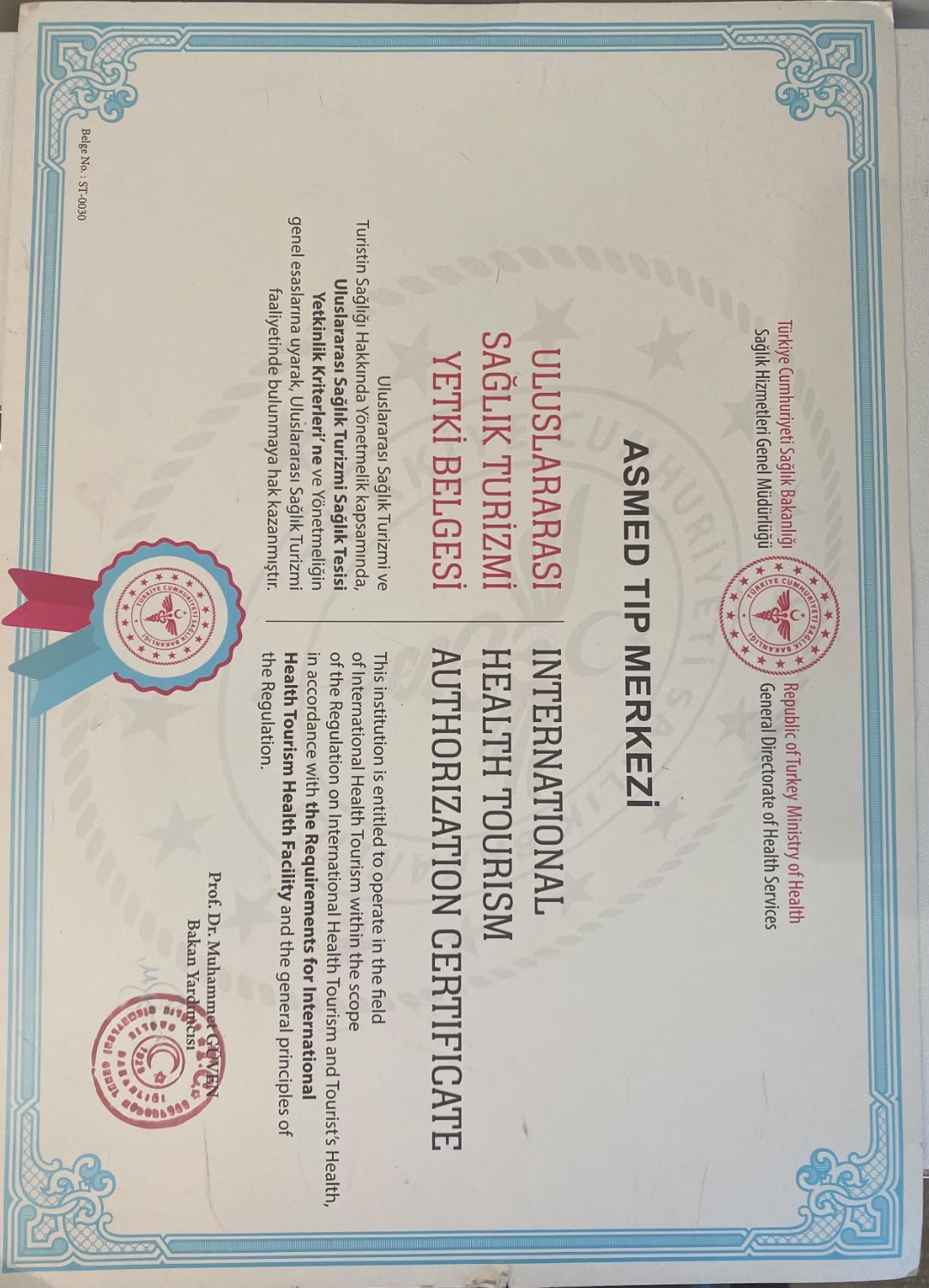
Uluslararası Sağlık Turizmi Yetkili Sağlık Tesisi
ASMED Tıp Merkezi, T.C. Sağlık Bakanlığı tarafından uluslararası sağlık turizmi alanında hizmet sunmak üzere yetkilendirilmiş bir sağlık tesisidir.
Sağlık Tesisi Sahibi: ASMED ÖZEL SAÇ EKİMİ SAĞLIK HİZMETLERİ A.Ş.
Yetki Belgesi No: ST-0030
International Health Tourism Authorized Healthcare Facility
ASMED Medical Center is a healthcare facility authorized by the Republic of Türkiye Ministry of Health to provide services in the field of international health tourism.
Owner and Operator: ASMED ÖZEL SAÇ EKİMİ SAĞLIK HİZMETLERİ A.Ş.
Authorization Certificate No.: ST-0030

Atatürk Mah. Sedef Caddesi No: 1/1 Ataşehir - İstanbul
Cookie Declaration - Update Date: 09.09.2026 - Editor: Ozer Erik - Tel: +90 216 464 11 11