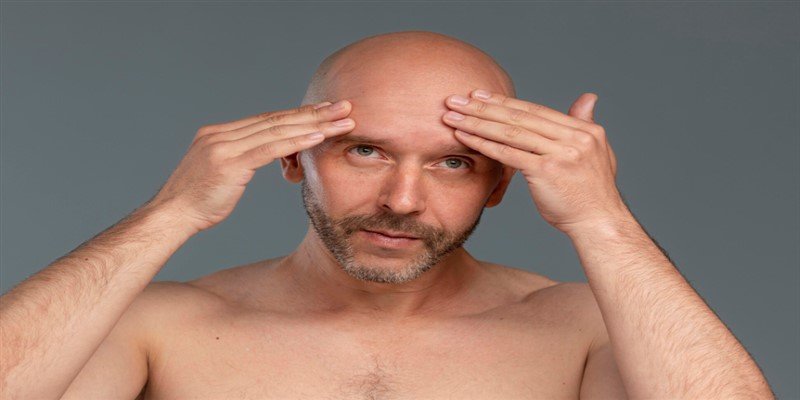
Androgenetic Alopecia: Symptoms, Causes, and Treatment Options
Androgenetic alopecia is the most common type of hair loss in both men and women. You may know it as male pattern baldness or female pattern hair loss. It develops slowly, follows a typical pattern, and often runs in families. Understanding what androgenetic alopecia is, why it happens, and how it can be treated helps people take action early and plan the right solution.
What Is Androgenetic Alopecia?
Androgenetic alopecia is a genetic hair loss condition linked to hormones. In people who are sensitive to it, hair follicles gradually become smaller over time. As a result, the hair grows thinner, weaker, and shorter, until eventually it stops growing altogether. In simple terms, it’s progressive hair thinning caused by genetics and hormones working together. Without treatment, the condition continues to worsen over the years.
Symptoms of Androgenetic Alopecia
Hair loss usually starts slowly, which is why many people don’t notice it at first. Common signs include:
- Gradual thinning of scalp hair
- Receding hairline or thinning temples in men
- Widening part line or thinning at the crown in women
- Reduced hair density over time
- Hair strands becoming finer with each growth cycle
As the condition progresses, the scalp becomes more visible.
Stages of Androgenetic Alopecia
Hair loss patterns differ between men and women. In men, hair loss often begins at the temples and crown. In women, thinning is usually more spread out and rarely leads to complete baldness. Knowing the stage of hair loss is important because it helps determine which treatment will be most effective and how hair loss may progress in the future.
What Causes Androgenetic Alopecia?
The main causes are genetics and hormones. Hair follicles in affected individuals are sensitive to DHT (dihydrotestosterone), a hormone derived from testosterone. Over time, DHT shrinks the follicles and weakens hair growth. Key causes include:
- Genetic predisposition
- Sensitivity to DHT
- Family history of hair loss
- Aging
So yes, androgenetic alopecia is genetic and often seen across generations.
How Common Is Androgenetic Alopecia?
It is extremely common. Most men experience some degree of hair loss by middle age, and many women notice thinning later in life, especially after menopause. In some cases, it can start as early as the late teens or early twenties.
Is Androgenetic Alopecia Permanent?
Without treatment, androgenetic alopecia is considered permanent and progressive. Once a follicle becomes inactive, it is very unlikely to grow hair again on its own. That said, modern treatments can slow down hair loss and restore hair in areas where follicles are no longer active.
Can Androgenetic Alopecia Be Reversed?
The condition cannot be fully reversed, but early hair loss can often be stabilized. Medical treatments may help protect existing hair, especially in the early stages. However, they cannot bring back hair from follicles that are already inactive.
For advanced hair loss, surgical options provide the most visible improvement.
Androgenetic Alopecia Treatment Options
Treatment depends on how advanced the hair loss is. Non-surgical treatments focus on slowing hair thinning and preserving current hair, but they require long-term commitment and won’t regrow hair in bald areas. When hair loss is more advanced, surgical treatment becomes the most effective option.
Can a Hair Transplant Fix Androgenetic Alopecia?
A hair transplant does not cure the genetic condition, but it successfully restores hair in areas where follicles no longer grow hair. With modern techniques like FUE hair transplant, healthy follicles are taken from genetically resistant donor areas and transplanted into thinning or bald regions. These transplanted hairs continue to grow permanently.
Androgenetic Alopecia Hair Transplant
Hair transplantation for androgenetic alopecia requires careful, long-term planning. Since hair loss continues over time, the goal isn’t just to fill current bald areas but to create a result that will still look natural years later.
Surgeons evaluate hair loss stage, donor area strength, hair texture, and family history before designing the hairline and density. An age-appropriate hairline and balanced density help avoid unnatural results in the future.
Transplanted follicles keep their resistance to hair loss, which means the results are permanent. When placed correctly, the new hair blends naturally with existing hair.
Many patients also ask about hair transplant cost, which can vary depending on the number of grafts, technique used, and clinic expertise. While cost is an important factor, long-term planning and natural results are far more important than choosing a procedure based on price alone.
When performed by experienced specialists, hair transplantation offers stable, predictable, and long-lasting results—often improving not only appearance but also confidence and overall quality of life.
When Does Androgenetic Alopecia Stop?
There is no fixed age when hair loss stops. It may slow down over time, but this varies from person to person. Without treatment, thinning usually continues throughout adulthood. This is why early diagnosis and proper planning are so important.
ASMED Approach to Androgenetic Alopecia
At ASMED Surgical Medical Center, androgenetic alopecia is treated with a long-term, science-based approach rather than quick fixes. Each patient undergoes detailed scalp analysis and personalized planning to assess hair loss patterns and donor capacity.
Led by Dr. Koray Erdoğan, ASMED combines advanced FUE techniques with precise planning and natural design. The focus is not only on today’s hair loss but also on how it may progress in the future.
By combining medical expertise, advanced technology, and patient education, ASMED aims to deliver natural, reliable, and lasting hair restoration results that align with the natural course of androgenetic alopecia. If you need hair transplant Turkey is a good option for you and ASMED is waiting for you with the expert team with advance hair transplant methods.
Get a Free Consultation!
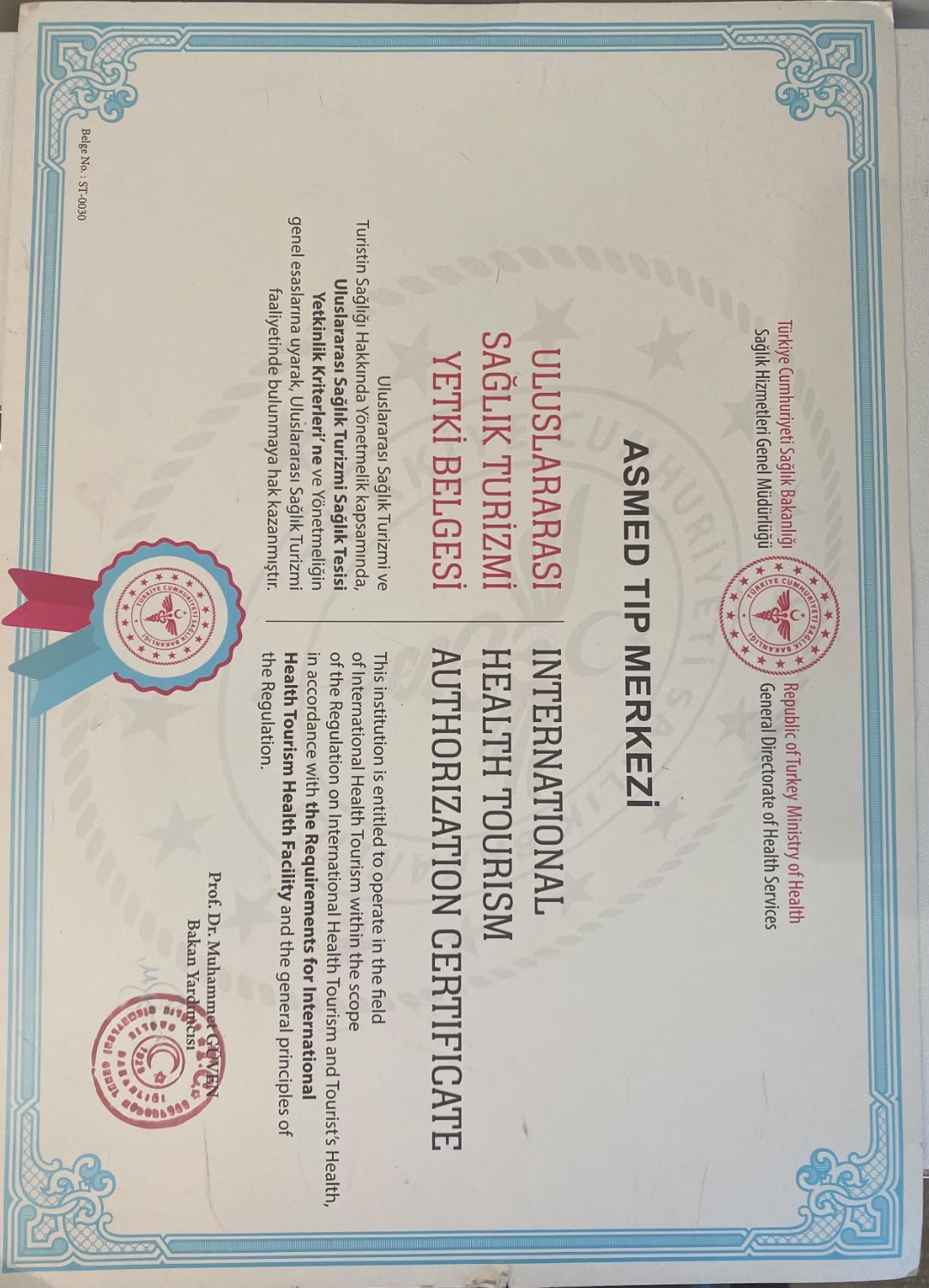
Uluslararası Sağlık Turizmi Yetkili Sağlık Tesisi
ASMED Tıp Merkezi, T.C. Sağlık Bakanlığı tarafından uluslararası sağlık turizmi alanında hizmet sunmak üzere yetkilendirilmiş bir sağlık tesisidir.
Sağlık Tesisi Sahibi: ASMED ÖZEL SAÇ EKİMİ SAĞLIK HİZMETLERİ A.Ş.
Yetki Belgesi No: ST-0030
International Health Tourism Authorized Healthcare Facility
ASMED Medical Center is a healthcare facility authorized by the Republic of Türkiye Ministry of Health to provide services in the field of international health tourism.
Owner and Operator: ASMED ÖZEL SAÇ EKİMİ SAĞLIK HİZMETLERİ A.Ş.
Authorization Certificate No.: ST-0030

Atatürk Mah. Sedef Caddesi No: 1/1 Ataşehir - İstanbul
Cookie Declaration - Update Date: 09.09.2026 - Editor: Ozer Erik - Tel: +90 216 464 11 11