Dr. Koray Erdogan, Istanbul - Biography
Dr. Koray Erdoğan founded ASMED in 2002 and practices hair restoration at the clinic in Ataşehir, Istanbul. He earned his medical degree at Hacettepe University Faculty of Medicine and, after completing military service, worked at Marmara University’s Department of Thoracic Surgery. His subsequent clinical work has focused on follicular unit excision (FUE) hair transplantation.
His work in manual FUE includes the development of the Sequential Technique. He has contributed to research on donor-area assessment, hair-diameter measurement, and scalp-analysis technology. He is also a contributing author to Practical Aspects of Hair Transplantation in Asians, with chapters covering FUE techniques, experience in West Asian patients, and the planning of large FUE sessions. His publications and educational work address how the donor area is assessed and managed during hair transplantation.
In 2016, Dr. Erdoğan co-founded the World FUE Institute, initially serving as vice president. He was elected president in 2018 and is a former president of the institute. He has shared his work through international congresses and educational workshops, alongside his clinical practice at ASMED.
To discuss your hair loss and goals with ASMED, request an initial assessment through our consultation form.
Read about ASMED’s approach to hair transplantation, including hairline design, donor planning and follow-up.
Membership
ESHRS European Society of Hair Restauration Surgery (member since 2005), ISHRS International Society of Hair Restoration Surgery (2007-2015 - He left on his own accord) ,ISHR Italian Society of Hair Restoration participant (member since 2010) IAHRS International Alliance of Hair Restoration Surgeons (member since 2013) World FUE Institute (Founding Member and Former President).

After the introduction of FUE, the definition of hair transplantation changed. Homogenization has become the new standard for hair appearance as a result.

Dr. Koray Erdogan
Congresses and Workshops
2026 - May
9th World FUE Institute Workshop in Limassol, Cyprus
2025 - April
8th World FUE Institute Workshop. São Paulo, Brazil
2025 - January
IMCAS World Congress 2025. Paris, France (Attended as Speaker)
2023
6th World FUE Institute Workshop. Bangkok, Thailand.
2022
5th World FUE Institute Workshop. İstanbul, Turkey. (President of WFI-Host) (ASMED hosted this congress)
2021
ISHRS Hosts 27th World Congress and World Live Surgery Workshop in Bangkok, Thailand
2020
6th Annual Latin American Fue Workshop. Cancun, Mexico
2019 - June
4th World FUE Institute Workshop. Avignon, France. (President of WFI)
2019 - March
5th Annual Latin American Fue Workshop. Buenos Aires, Argentina
2018
3rd World FUE Institute Workshop. Lisbon, Portugal. (President of WFI)
2017
2nd World FUE Institute Workshop. Athens, Greece. (Vice-President of WFI)
2016
1st World FUE Institute Workshop. Tenerife, Spain.
2015
3rd Mediterranean FUE Workshop. Istanbul, Turkey. (ASMED hosted this congress)
2014
ISHRS European Hair Transplant Workshop. Brussels, Belgium. (Attended as Faculty).
2013
2nd Mediterranean FUE Workshop. Madrid, Spain. (Attended as Faculty)
2012
2nd International Meeting of FUE Europe.
2011
ISDS Congress of Dermatologic Surgery. Venice, Italy.
2010
ISHR 13th International Congress. Capri, Italy.
2009
ISHRS 17th Annual Scientific Meeting. Amsterdam, Netherlands
2008
2008 ISHRS Advanced Webinar: Complications (Via Internet Conference Room).
2005
FUT & FUE Methods and Advanced Hair Transplant Workshop. Istanbul, Turkey.
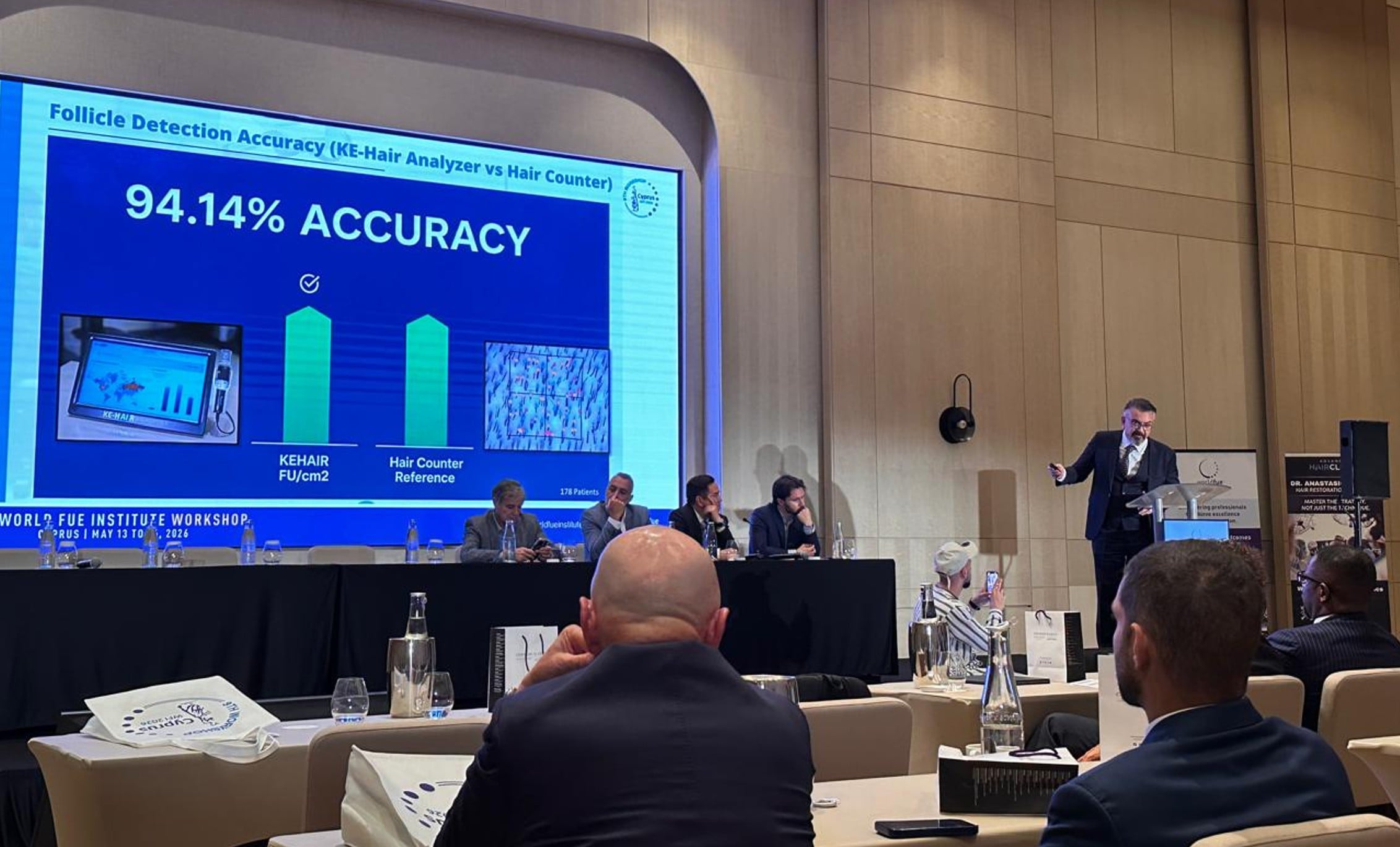
9th World FUE Institute Workshop in Limassol, Cyprus 2026
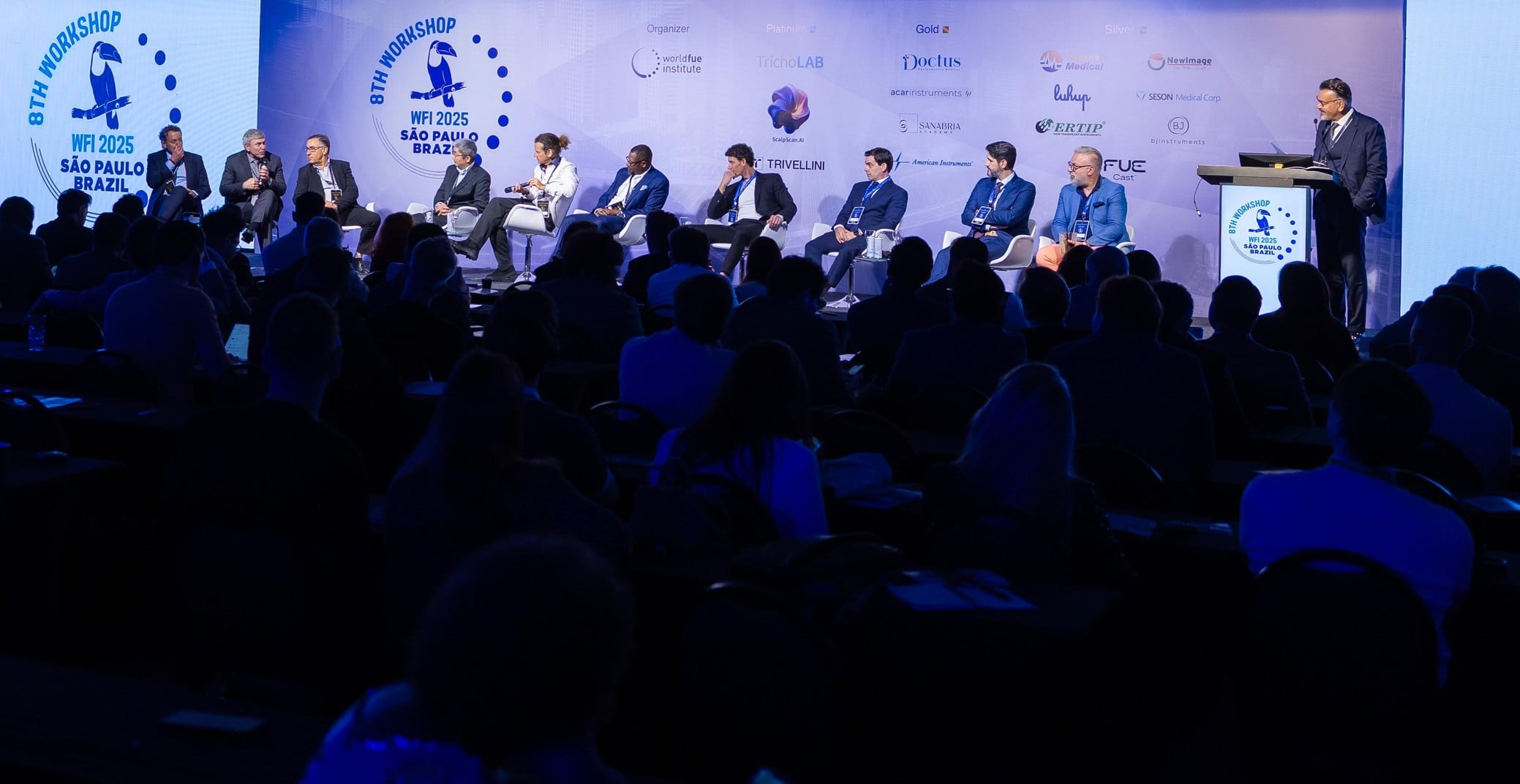
8th World FUE Institute Workshop. São Paulo, Brazil 2025
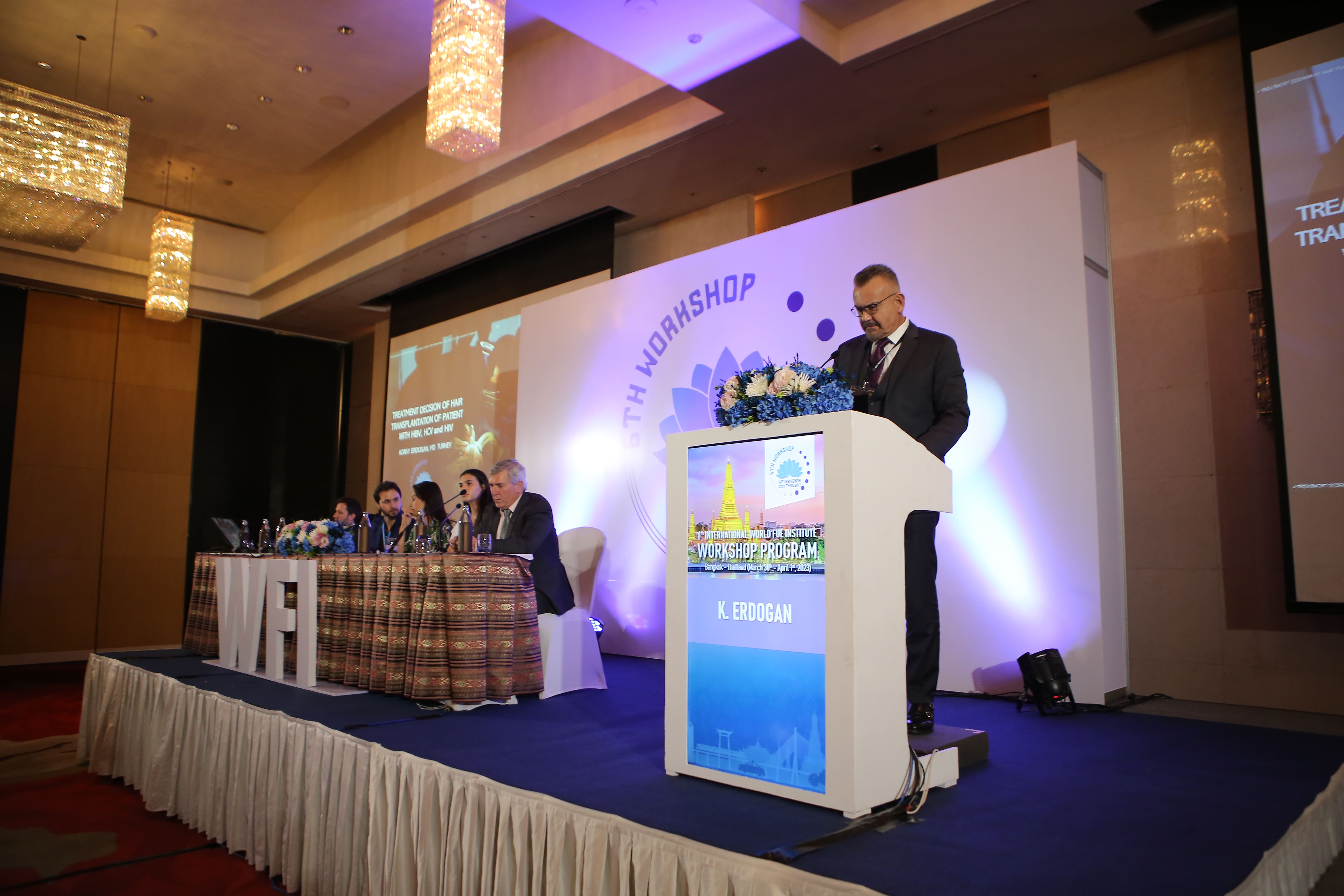
6th World FUE Institute Workshop. Bangkok, Thailand 2023
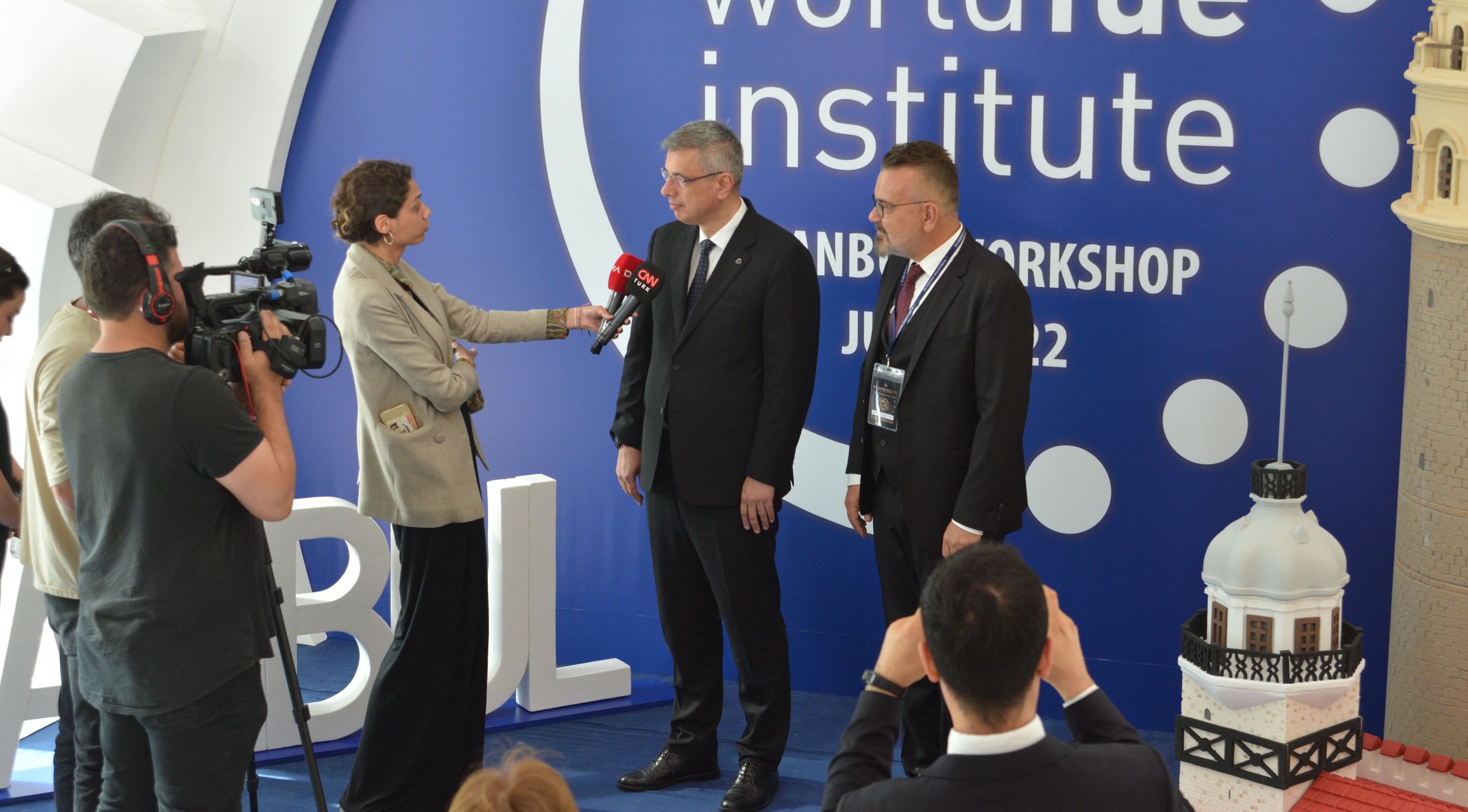
5th World FUE Institute Workshop. İstanbul, Turkiye. (President of WFI-Host) 2022
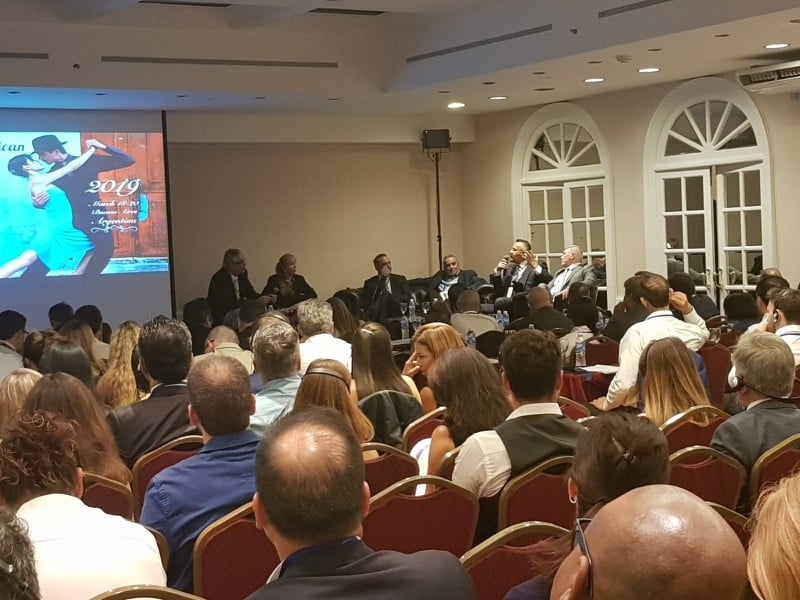
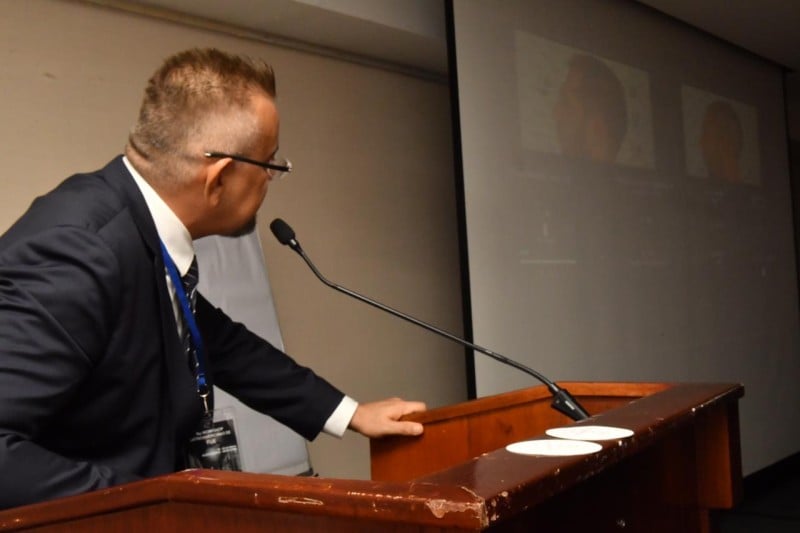
5th Annual Latin American Fue Workshop. Buenos Aires, Argentina 2019


3rd International World FUE Institute Workshop June 21-23 2018


2nd International World FUE Institute Workshop Athens, Greece June 22-24, 2017


1st International World FUE Institute Workshop Tenerife, Canary Islands, Spain November 11-13, 2016


3rd Mediterranean Fue Workshop June 25-27, 2015 ISTANBUL
Publications
The preview of the book ‘Practical Aspects of Hair Transplantation in Asians’ which Dr. Koray Erdoğan’s three articles on FUE hair transplant have been published, is available online.

FUE: Basic and Advanced Techniques
FUE has come a long way from its initial inception. This article will attempt to describe early approaches to FUE and the basic concepts and elements of FUE that later developed including the evaluation and preservation of the donor area; the use of equipment such as the manual, motorized, and robotic punch; punch sizes and types; and specific FUE terminology such as transection, splay, splitting, and the anchor system. It also addresses the most recent innovations and advancements in FUE including calculated density, “coverage value,” and the never-ending quest for homogenization with the assistance of newly developed equipment such as the computerized graft counter...
FUE Experiences in West Asians
This chapter will define the countries of West Asia and aim to focus on the typical hair loss patterns, hair structure and characteristics, as well as possible FUE surgical complications of this ethnic group. Also mentioned is the hair loss psychology and expectations of these patients along with some possible explanation as to the prevalence of pronounced hair loss in patients of this ethic origin...
Gigasessions with FUE: How to Avoid Complications
The popularity of FUE has greatly increased over the past decade and a half, and it continues to become more and more popular each day. What was once considered an acceptable procedure for only a limited number of cases has now become the standard for severe hair loss cases such as Norwood V and VI. As the attractiveness of FUE solutions intensified, so did the expectations of the patients, forcing surgeons to address the need for increased graft numbers in a limited surgical time frame. Thanks to enhanced technology and techniques, superior instrumentation, as well as the enriched skills of doctors and technicians, gigasessions of 4000 graft transplants or more in one session became possible. However, gigasessions are not without risk and are certainly not applicable to all cases. With gigasessions came a new problem: overharvesting and donor depletion and many cases of this have been documented in recent years. As a result, donor management and preservation have become the main focus of FUE surgeons as they revise FUE state-of-the-art criteria. This article will attempt to identify the difficulties and complications that can be encountered in the planning and execution of FUE in gigasessions and how to avoid them with a special emphasis on donor evaluation and capacity...