
Infections That Cause Hair Loss: How to Treat?
Hair loss is an issue which has troubled many people all over the world, but while genetics and lifestyle choices can be reasons why people suffer from hair loss, scalp infections are another factor that many do not know about. Learning about what causes the infections resulting in hair loss, how the infections are identified, and how to treat them is very important if you want to protect the health of your hair and scalp.
What is a Scalp Infection?
Any infection of the top of the skull is referred to as a scalp infection. There are several scalp infections that are known to result in hair loss. Folliculitis, ringworm, seborrheic dermatitis, and scalp psoriasis are known to be the most prevalent causes of hair loss due to scalp infections. There are various types of hair loss. For instance, malnutrition could cause hair loss. Stress and hair loss are considered related as well. Thankfully, hair loss caused by stress, malnutrition or that scalp infections could typically be restored.
Infections on the scalp can occur due to bacteria, fungi, viruses, or parasites. These may be due to poor hygiene, exposure to an individual or an animal infected by infections, a weak immune system, or excess moisture in the scalp. This is because there are several hair follicles on the scalp, and hence, infections on the skin on the scalp may lead to infections on the hair. It is important to know the symptoms of scalp infections such as itching, redness, peeling, or sores.
How Do Scalp Infections Cause Hair Loss?
To understand why scalp infections lead to hair loss, it helps to have a basic grasp of the hair growth cycle. Hair follicles pass through distinct phases, growth, transition, rest, and shedding. A healthy scalp environment is essential for follicles to progress normally through these stages.
Upon contracting a scalp infection, there is an inflammatory reaction in the vicinity of the hair follicle and within the hair follicle. Such an inflammatory response leads to abnormal functioning of the growth cycle and hence premature entry into the resting or falling phases. In cases where the infection is caused by bacteria, the toxins secreted by the pathogen will damage the tissues of the hair follicle. When it is a fungus, the infection may cause damage to the shaft of the hair causing it to break off or fall off.
The seriousness of hair fall caused by infection is determined by many things like type of infection, duration of the infection, immunity of the body and the timely use of medication. In most cases, when infections are caught early and treated appropriately, the hair follicles recover and hair regrowth occurs naturally.
Hair Loss From Bacterial Infections
Hair loss due to bacterial infections of the scalp is one of the most prevalent causes of hair loss. Bacterial infections of the scalp usually arise when bacteria, mainly Staphylococcus aureus, gain access into the skin via small cuts, hair follicles, or irritated areas of the scalp.
Folliculitis
Folliculitis is an inflammation of the hair follicles caused by staph bacteria or fungus.It has a well-known reputation for inducing hair loss. Folliculitis appears as acne around the hair follicles. General treatment for folliculitis is antibiotics prescriptions. Folliculitis could also cause hair thinning for some people. The best way to detect the hair loss caused by folliculitis is to immediately see a dermatologist when you experience acne on your scalp. You could also learn which vitamins are best for hair and consume foods rich in them more to keep your scalp healthy and away from folliculitis.
Folliculitis in its most serious or chronic state develops into folliculitis decalvans, a type of scarring folliculitis that results in hair loss due to the destruction of the hair follicles. The treatment usually consists of both topical and oral medications, and in cases of chronic folliculitis, long-term measures have to be undertaken. Although hair loss due to infection such as folliculitis is disconcerting, the spread of the infection can be stopped through proper treatment.
Hair Loss From Fungal Infections
Scalp fungal infections are among the major reasons for hair loss due to infections in both children and adults although they are common in children. They grow well in moist and warm areas and are easily transmissible through direct contact or using shared things like combs, hats, and pillowcases. The main features of hair loss due to fungal infections include patchy hair loss and weak hair shafts.
Ringworm
Ringworm is a fungal infection that could appear anyplace on the body. It is especially prevalent among youngsters, where the fungus may rapidly transmit from child to child. The fungus attacks the hair fibers, causing them to become easily broken, resulting in a bald area of skin. Ringworm is easily detected because it forms in a unique ring-like area. Ringworm-affected skin is frequently red, itching, and irritated.
Ringworm is very infectious and may be spread in a variety of ways. The fungus that causes ringworm could be found in the soil or on animals that carry the disease. The fungus may also exist on hairbrushes and pools. Therefore, it should be immediately treated professionally. The person who has the ringworm infection should not get into skin to skin interaction with anyone until the infection is treated.
Scalp ringworm, or tinea capitis, is normally treated by oral drugs due to the fact that this disease affects the hair follicles. The most common drugs used for treating the disease include griseofulvin or terbinafine. When one undergoes the entire treatment, it is normal for the patient to have hair re-growth after the disease has been cured.
Seborrheic Dermatitis
Seborrheic dermatitis is a skin infection that can affect the scalp as well as other parts of the body. If the disease develops on the scalp, it could lead to an oily and irritated scalp that will eventually result in hair loss. Seborrheic dermatitis is poorly understood, therefore the circumstances that induce this skin disorder remain unknown.
Moreover, there is no direct treatment for seborrheic dermatitis, however there are medications that can help reduce the symptoms. To reduce scaling, the simplest technique is to use anti-dandruff shampoos. It is recommended to speak with your doctor before selecting a shampoo.
Scalp Psoriasis
Scalp psoriasis may cause the skin to become exceedingly dry and irritating, and if the skin peels off, the hair may fall out as well. One of the most serious issues concerning scalp psoriasis would be that scratching may result in bleeding, scabbing, and finally scarring of the skin. When this occurs, the hair fails to grow through the damaged tissue, leading to permanent hair loss.
You should see a doctor if you have psoriasis. To help manage it, some specific shampoos containing coal tar or salicylic acid might be utilized. Other medications or light therapy may be required in some cases.
Is Hair Loss from Scalp Infections Permanent or Temporary?
The issue of most importance for people who suffer from hair loss because of an infection is if the hair loss is going to be permanent or not. Fortunately, in the majority of situations, hair loss due to infection of the scalp can be reversed, as long as it is caught in time and treated accordingly. After the infection has been cleared and inflammation decreased, hair follicles should start growing hair again after a few months.
Hair loss may become permanent in some cases. This happens if the scalp infection persists for a long time without treatment and causes scarring of the hair follicles. Scarring alopecia, which can result from conditions such as folliculitis decalvans or severe scalp psoriasis with repeated trauma, destroys the follicle's regenerative capacity. After being replaced with scar tissue, the follicle becomes unable to create hair anymore.
For individuals who have experienced permanent follicle destruction due to a scalp infection, surgical options may be worth exploring. A FUE hair transplant can restore hair in areas where follicles are no longer functional, using healthy follicles from elsewhere on the scalp to repopulate the affected zones. This option is typically considered only after the infection has been fully resolved and the scalp is stable.
How Are Scalp Infections Diagnosed?
The accurate diagnosis of the condition is an important process in the treatment of hair loss caused by infections. The reason behind this is that there are various skin conditions that may have the same symptoms, which include itchiness, dandruff, inflammation, and thinning hair.
The dermatologist usually starts the diagnostic process with a comprehensive clinical examination of the patient's scalp and hair. It can include the dermatoscopic examination, which means that the doctor uses a special instrument that allows him/her to magnify the skin and follicles on the scalp. To confirm a suspected fungal infection, the doctor may conduct a Wood's lamp examination; it helps detect those fungi that fluoresce under ultraviolet rays.
The skin and hair samples are also taken for culturing in order to detect the exact type of infection. Sometimes, a biopsy is needed to find out whether the follicles are scarred. Blood analysis may be conducted in order to exclude the possible systemic reasons behind the problem with the scalp, for example, immunodeficiencies or hormone imbalance. In any case, the correct diagnosis allows both to treat the problem effectively and not to prescribe unnecessary drugs.
Treatment Options for Infections Causing Hair Loss
Treatment for scalp infections and the hair loss they cause depends on the type and severity of the infection. A tailored approach based on professional diagnosis gives the best chance of recovery for both the scalp and the hair.
For bacterial infections such as folliculitis, treatment typically involves topical antiseptics and antibiotic creams for mild cases, while more widespread or persistent infections require oral antibiotics. Warm compresses can help reduce inflammation and discomfort during recovery. For fungal infections such as ringworm or tinea capitis, oral antifungal medications are the standard of care. Medicated antifungal shampoos are often used alongside oral treatment to reduce the spread of spores. Seborrheic dermatitis is managed with antifungal shampoos, topical corticosteroids to control inflammation, and in some cases, calcineurin inhibitors. Scalp psoriasis treatment may involve medicated shampoos, topical steroids, vitamin D analogues, or more advanced therapies such as biologics for severe cases.
In addition to addressing the infection itself, supporting the scalp's recovery with good nutrition and gentle hair care practices can accelerate hair regrowth. For individuals considering more advanced solutions after infection-related permanent hair loss, it may be helpful to research hair transplant cost to understand what restoration options are realistically available.
How to Prevent Scalp Infections and Protect Your Hair
Prevention is always preferable to treatment, and many scalp infections can be avoided with consistent hygiene habits and a few sensible precautions. Since infections causing hair loss can often be traced back to preventable exposures or practices, making small changes to your routine can significantly reduce your risk.
Washing your hair and scalp regularly with a gentle, appropriate shampoo removes excess oil, dead skin cells, and environmental debris that can create a hospitable environment for bacteria and fungi. Avoid sharing personal hair care items such as combs, brushes, towels, hats, or hair accessories, as these can transfer infectious organisms from one person to another. After swimming in pools or natural bodies of water, rinse the scalp thoroughly and dry it properly, as moisture and certain organisms in water can trigger infections. If you have a cut or irritation on the scalp, keep it clean and avoid touching it unnecessarily to prevent bacterial entry. Maintaining a balanced diet that supports immune function also helps the body fend off infections before they take hold. If you spend time with children who may have been exposed to ringworm or lice at school, check their scalp regularly and seek prompt treatment if any signs of infection appear. For those who have previously experienced hair loss due to infections and are exploring long-term solutions, it is also worth learning about options such as a hair transplant in Turkey, where specialized clinics offer comprehensive scalp and hair restoration services.
When to See a Doctor for Hair Loss Due to Infection
Sometimes, knowing when to see a dermatologist could be the deciding factor between short-term hair loss and permanent hair loss. Although minor irritation of the scalp might resolve on its own, some cases would require you to see a specialist immediately. If you have patchy hair loss together with reddening, scaly or sore skin on your scalp, it is best that you seek medical advice from a dermatologist. Itching or burning sensation of the scalp which persists even after using over-the-counter products to treat it must also be reported. Pimples, blisters or crusting of the scalp could also mean an infection and will require the use of prescription medications. Hair loss that progresses very fast and is associated with fever or swelling of the lymph nodes of the neck requires immediate action. Children having circular hairless patches and scalps with scaly lesions should be taken to the doctor because of scalp ringworm which can spread easily at school and home. Early detection of scalp infection will increase the chances of regaining your hair completely.
FAQs About Infections Causing Hair Loss
How long does it take for hair to grow back after a scalp infection?
It depends upon the nature of the infection and the timely treatment of that infection as to when the hair grows again after an infection of the scalp. In most cases, if the hair follicles are not severely damaged by the infection, hair starts to grow again after 3 to 6 months of successful treatment. It can take up to a year or longer for the hair to grow back to their original thickness. If the follicles get scarred due to the infection, then the hair cannot grow back there on their own.
Are scalp infections that cause hair loss contagious?
If a scalp infection is contagious will depend on what causes it. Those caused by fungi like tinea capitis or ringworm can be very contagious and are likely to spread via direct skin to skin contact or through items that you share like your comb, hat, and pillows. Those caused by bacteria like folliculitis are not very contagious but can spread in some cases especially if there is sharing of equipment or where there is close contact. Scalp infections that are caused by seborrheic dermatitis or scalp psoriasis will not be contagious at all since they are caused by the response of one's immune system.
How can I tell if my hair loss is caused by an infection or another condition?
Hair loss caused by a scalp infection is usually accompanied by other visible symptoms on the scalp itself, such as redness, itching, flaking, pustules, ring-shaped patches, or crusting. These signs distinguish infection-related hair loss from conditions like androgenetic alopecia (pattern baldness), which typically causes gradual, diffuse thinning without scalp irritation. Alopecia areata, an autoimmune condition, produces smooth, round bald patches without signs of surface infection. If you are unsure of the cause of your hair loss, a dermatologist can perform a thorough examination and, if necessary, laboratory tests to identify or rule out an infection. Self-diagnosing and self-treating can delay appropriate care, so professional evaluation is always recommended when hair loss is a concern.
There are numerous reasons for hair loss. Some are temporary and some are permanent. If you wish to learn more about hair loss and treatment methods regarding hair loss, the Asmed team is here to help. Moreover, for your hair loss issues, the Asmed doctors will be glad to examine you and offer reliable treatment methods, such as medications or hair transplant operations. Reach out now to learn more!
Get a Free Consultation!
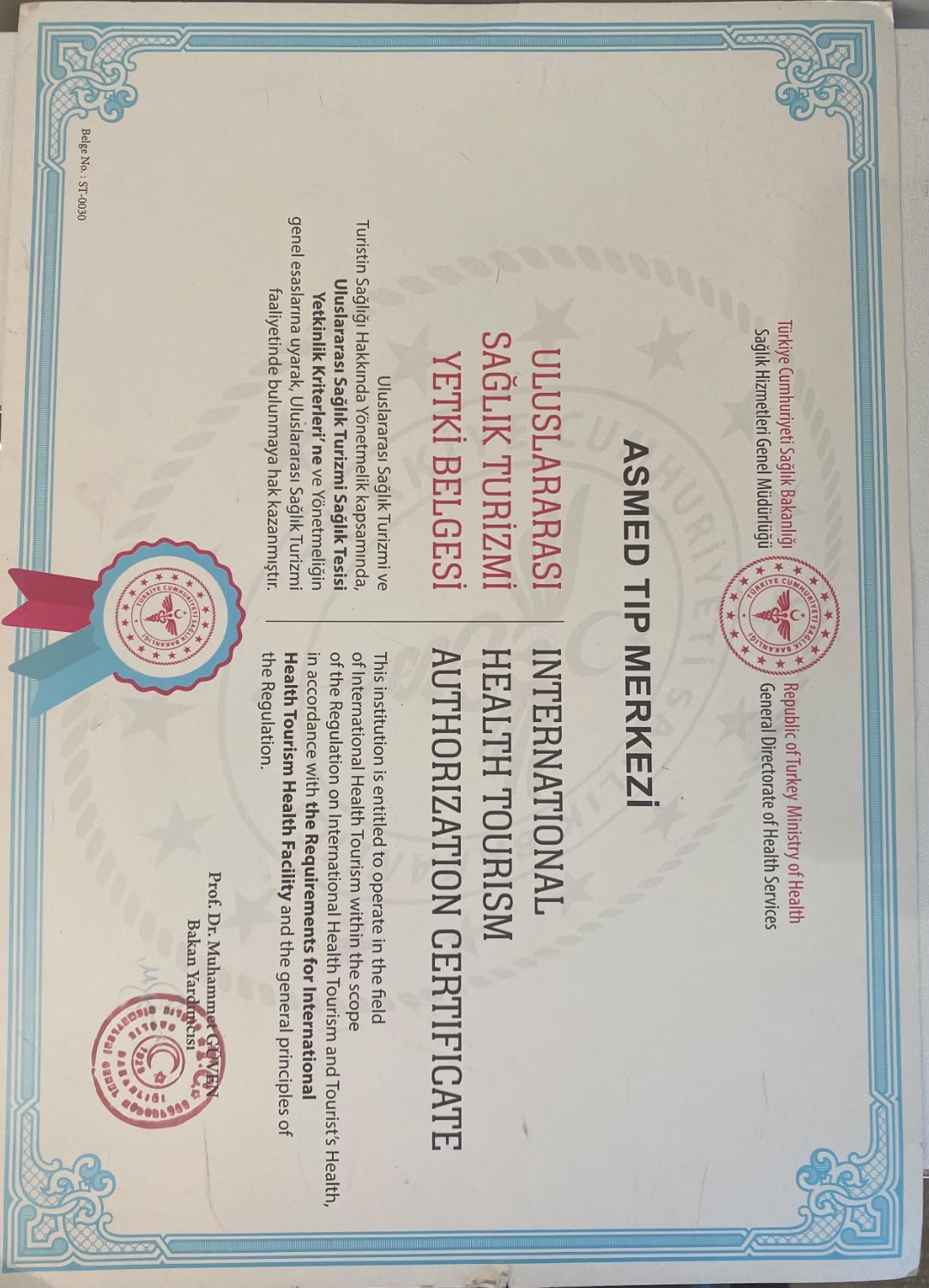
Uluslararası Sağlık Turizmi Yetkili Sağlık Tesisi
ASMED Tıp Merkezi, T.C. Sağlık Bakanlığı tarafından uluslararası sağlık turizmi alanında hizmet sunmak üzere yetkilendirilmiş bir sağlık tesisidir.
Sağlık Tesisi Sahibi: ASMED ÖZEL SAÇ EKİMİ SAĞLIK HİZMETLERİ A.Ş.
Yetki Belgesi No: ST-0030
International Health Tourism Authorized Healthcare Facility
ASMED Medical Center is a healthcare facility authorized by the Republic of Türkiye Ministry of Health to provide services in the field of international health tourism.
Owner and Operator: ASMED ÖZEL SAÇ EKİMİ SAĞLIK HİZMETLERİ A.Ş.
Authorization Certificate No.: ST-0030

Atatürk Mah. Sedef Caddesi No: 1/1 Ataşehir - İstanbul
Cookie Declaration - Update Date: 12.10.2026 - Editor: Ozer Erik - Tel: +90 216 464 11 11