Folliculitis After Hair Transplant: Causes & Treatments
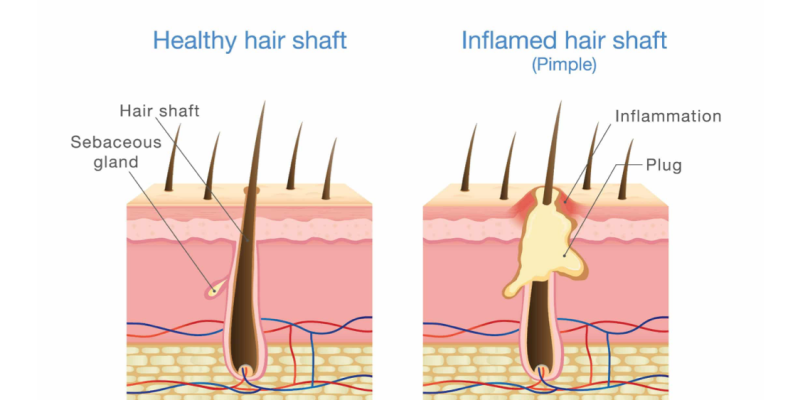
Folliculitis is an inflammation of the hair follicles that typically manifests as red or discolored bumps that resemble acne. It frequently manifests itself weeks or months after surgery. When a bacteria is identified as the underlying cause, it is referred to as bacterial folliculitis. However, in the majority of cases, no specific bacteria is identified. In this case, the condition is known as sterile folliculitis.
What Are The Possible Causes Of A Hair Transplant Infection?
Infections occur when microbes or pathogens enter the body during surgery or throughout the recovery phase. Understanding these triggers allows patients to take proactive precautions and recognize early warning signs. Several key factors can contribute to an increased risk of infection:
- Weakened Immune System: Underlying medical conditions such as diabetes or autoimmune disorders can significantly impair the body's ability to fight off pathogens.
- Medication Interference: Patients taking immunosuppressive medications face elevated risks, as these drugs slow down the natural healing process.
- Environmental Exposure: Microbes can enter the scalp if the recovery environment is not kept sterile or if the scalp is touched with unwashed hands.
- Poor Circulation: Lifestyle factors like smoking can reduce blood flow to the scalp, making it harder for immune cells to reach the transplant site.
Recognizing these risks early is vital for ensuring a smooth recovery and achieving the best possible aesthetic results.
Types of Folliculitis After Hair Transplantation
There are two primary types of folliculitis that patients may experience following a hair transplant procedure. Bacterial folliculitis occurs when harmful bacteria, most commonly Staphylococcus aureus, enter the hair follicles through the surgical sites. This type of folliculitis typically presents with more pronounced symptoms, including pus-filled lesions, increased pain, and more significant inflammation around the affected follicles.
Sterile folliculitis, on the other hand, develops without the presence of infectious bacteria. This form is more common after hair transplants and occurs as a natural inflammatory response to the trauma of the procedure itself. The body's immune system reacts to the newly transplanted follicles or to ingrown hairs that may develop during the healing process. Sterile folliculitis tends to be less severe and often resolves on its own with minimal intervention.
When Does Folliculitis Typically Appear?
The timeline for folliculitis development varies considerably among patients. Some individuals may notice the first signs within the first few weeks after surgery, particularly during the second or third week when the transplanted follicles begin to settle into their new locations. However, it is more common for folliculitis to appear between two to six months post-procedure, coinciding with the period when new hair growth begins to emerge from the transplanted follicles.
This delayed onset often catches patients by surprise, as they may have already moved past the initial healing phase and assumed they were out of the woods regarding complications. The appearance of folliculitis during this later stage is frequently related to ingrown hairs, where the new hair shaft curls back into the skin rather than growing outward properly.
Infection Risks After A Hair Transplant
Understanding the potential risks associated with infections following a hair transplant is crucial for anyone considering or recovering from the procedure. While most patients experience smooth recoveries, infections can lead to serious complications that extend far beyond temporary discomfort.
Infection Risks Vary Depending On The Procedure
Infections can occur at the donor site, where hair follicles are extracted, or at the reception site, where the follicles are transplanted. Follicular unit extraction is the most commonly used hair transplantation technique (FUE). Individual hair follicles are removed for transplantation during FUE. Asmed also provides information on the FUE method.
How Common is Folliculitis After Hair Transplant Surgery?
Folliculitis after hair transplant surgery are relatively rare, affecting less than 1% of people who undergo the procedure. Hair transplants are generally regarded as safe procedures, though like any surgical intervention, they carry some risk. The low infection rate is partly due to the scalp's rich blood supply, which enables the immune system to quickly respond to potential pathogens and protect against infections.
What are the Symptoms of Infection After a Hair Transplant?
Symptoms of a hair transplant infection include pus-filled abscesses, oozing pus, redness or discoloration, swelling, pain, itchiness, burning sensation, bleeding, and warmth around the affected area. While some bleeding and swelling are normal after the procedure, symptoms that worsen rather than improve or last longer than a week may indicate an infection. In more severe cases, systemic symptoms can develop, including fever, lethargy, swollen lymph nodes, headaches, nausea, and vomiting.
First Signs of Folliculitis After a Transplant
Before full-blown inflammation occurs, there are early warning signs that patients should monitor. The first signs of folliculitis often begin with a mild, localized itching or a slight "prickling" sensation in specific areas of the scalp. You may notice tiny, pinpoint red spots that appear around the base of the hair shafts. Unlike normal post-operative redness, these spots may feel slightly warm or tender when touched. In some cases, the very first sign is a minor skin tightness that doesn't resolve with moisturizing, followed quickly by the appearance of small, grain-like elevations on the skin's surface.
Does Folliculitis Affect Transplanted Hair?
If you develop folliculitis or an infection after your hair transplant, you have a higher chance of developing scarring, which can significantly affect your results and cause patchy regrowth around the scarred areas. If left untreated, an infection can spread to deeper tissues and potentially lead to more serious complications. In rare cases, the infection can enter the bloodstream (septicemia) and cause sepsis, a potentially life-threatening condition that can lead to organ failure. At Asmed, we ensure that every patient undergoing a hair transplant in Turkey receives a comprehensive sterilization and aftercare protocol to minimize these risks from day one.
How to Prevent Folliculitis After Hair Transplant?
Preventing folliculitis requires a proactive approach during the most vulnerable weeks of healing. To minimize your risk, follow these systematic steps:
- Strict Hygiene Protocol: Only touch your scalp after washing your hands thoroughly with antibacterial soap. Avoid scratching or picking at crusts.
- Keep the Scalp Cool and Dry: Avoid heavy exercise or environments that cause excessive sweating for at least 2-4 weeks, as sweat can clog healing pores.
- Use Prescribed Shampoos: Use the clinical shampoos provided by your surgical team, which are formulated to balance the scalp's pH and limit bacterial growth.
- Pillowcase Hygiene: Change your pillowcase daily during the first week to ensure your scalp rests on a sterile surface every night.
- Avoid Smoking and Alcohol: These substances can impair blood flow and slow down the immune response, making follicles more susceptible to inflammation.
- Stay Out of Dust and Pollution: If you must go outside, wear the loose-fitting hat provided by the clinic to shield the grafts from environmental contaminants.
How to Treat If Folliculitis Occurs After Hair Transplant?
If you suspect you have developed folliculitis, you should never attempt to "pop" the bumps, as this can lead to deep-tissue infection and graft loss. Treatment typically follows a tiered approach based on the severity:
- Warm Compresses: For mild, sterile folliculitis, applying a clean, warm, moist compress to the area several times a day can help soothe inflammation and encourage the bumps to drain naturally.
- Topical Antibiotics: If the inflammation persists, your doctor may prescribe antibiotic creams or ointments (such as Mupirocin or Fusidic acid) to target localized bacterial growth.
- Oral Antibiotics: In cases of widespread or persistent bacterial folliculitis, a course of oral antibiotics may be necessary to clear the infection systemically.
- Topical Steroids: For sterile folliculitis caused by an overactive immune response, mild steroid lotions may be used to reduce swelling and redness.
- Clinical Drainage: If a large pustule or abscess forms, it must be professionally drained by your medical team using sterile instruments to prevent scarring.
Hair transplants are most effective in treating genetic hair loss known as male or female pattern baldness. Hair transplants are generally regarded as relatively safe procedures, but every procedure carries some risk. Infections are one type of complication that could occur. However, they are relatively rare, affecting less than 1% of people who receive hair transplants, according to reliable sources.
Our aim is to provide the highest medical care to our patients at Asmed. We aim to provide our patients with the highest level of medical care in order to ensure their safety and comfort. We provide detailed information about the process to each patient based on their specific requirements and needs. Our priority is to fulfill our patient's unique needs. Book hair transplant free consultation with our expert medical team to learn more about hair transplant procedures.
Get a Free Consultation!
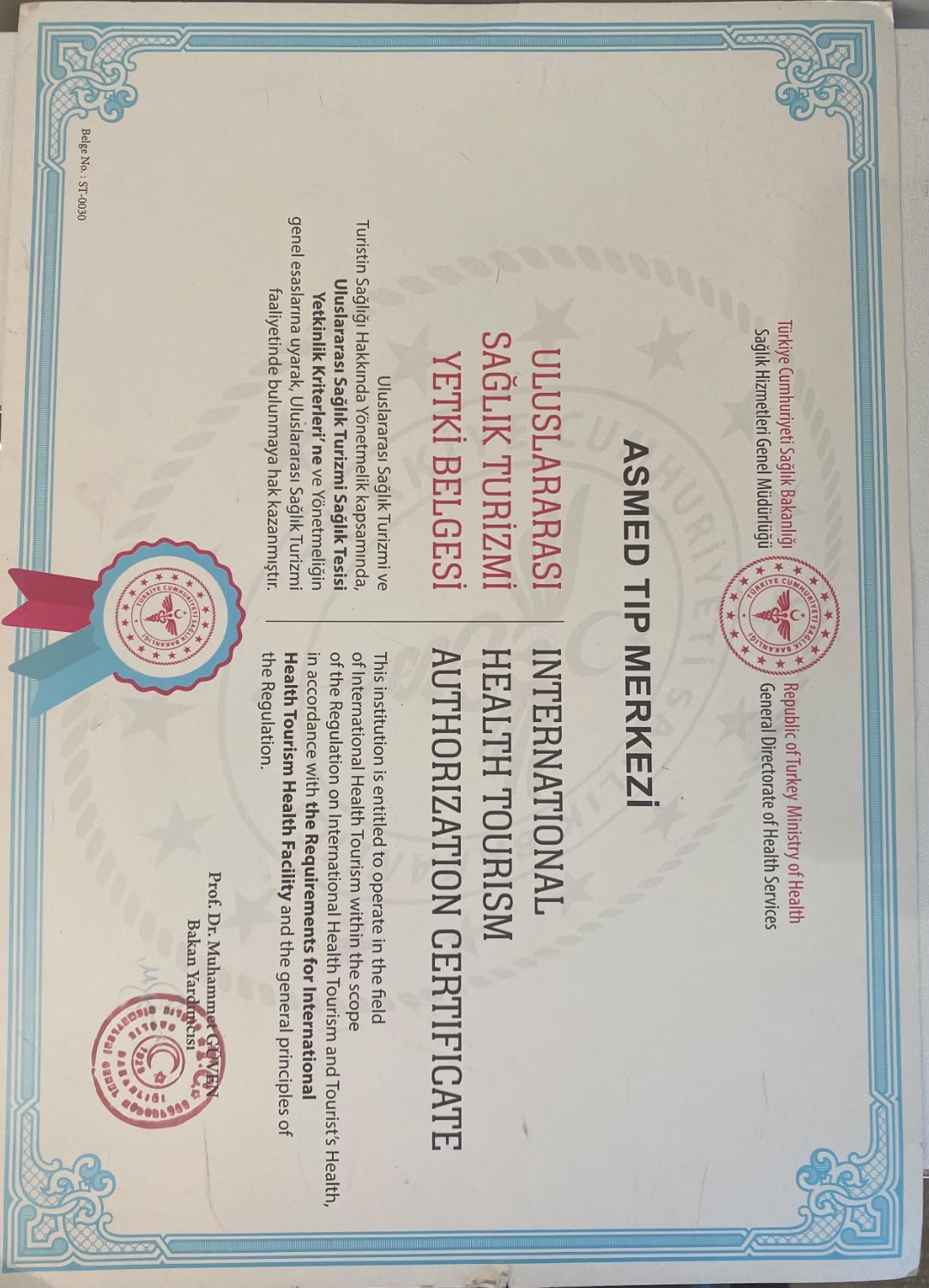
Uluslararası Sağlık Turizmi Yetkili Sağlık Tesisi
ASMED Tıp Merkezi, T.C. Sağlık Bakanlığı tarafından uluslararası sağlık turizmi alanında hizmet sunmak üzere yetkilendirilmiş bir sağlık tesisidir.
Sağlık Tesisi Sahibi: ASMED ÖZEL SAÇ EKİMİ SAĞLIK HİZMETLERİ A.Ş.
Yetki Belgesi No: ST-0030
International Health Tourism Authorized Healthcare Facility
ASMED Medical Center is a healthcare facility authorized by the Republic of Türkiye Ministry of Health to provide services in the field of international health tourism.
Owner and Operator: ASMED ÖZEL SAÇ EKİMİ SAĞLIK HİZMETLERİ A.Ş.
Authorization Certificate No.: ST-0030

Atatürk Mah. Sedef Caddesi No: 1/1 Ataşehir - İstanbul
Cookie Declaration - Update Date: 09.09.2026 - Editor: Ozer Erik - Tel: +90 216 464 11 11