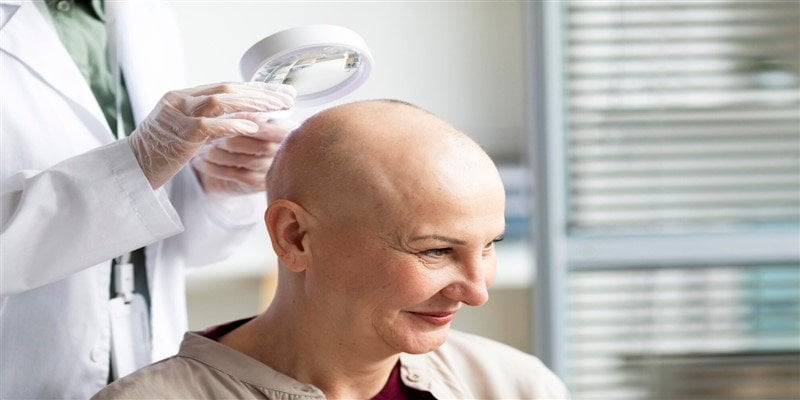
Scarring Alopecia: Symptoms, Causes & Treatment
Scarring alopecia, also known as cicatricial alopecia, is a group of rare but serious hair loss disorders that cause permanent damage to hair follicles. Unlike common hair loss conditions, scarring alopecia results in irreversible hair loss due to destruction and replacement of follicles with scar tissue. Understanding this condition including its symptoms, causes, types, and treatment options is crucial for early diagnosis and management. This comprehensive guide will help you recognize scarring alopecia and explore potential solutions, including whether hair transplant surgery can help restore hair in affected areas.
What is Scarring Alopecia?
Scarring alopecia refers to a set of hair loss disorders characterized by inflammation that destroys hair follicles and replaces them with fibrous scar tissue. The damage caused is permanent because the follicles are no longer able to produce hair. The term “cicatricial alopecia” is also commonly used and means the same “cicatricial” relates to scar formation. This condition differs from non-scarring alopecia types, where hair loss may be reversible. Because scarring alopecia destroys the follicle structure, hair regrowth without treatment is generally not possible once scarring has occurred.
Types of Scarring Alopecia
There are several types of scarring alopecia, classified based on the underlying cause and clinical features. The main types include:
- Lichen Planopilaris (LPP): An inflammatory condition linked to lichen planus, causing patchy hair loss with redness and scaling.
- Central Centrifugal Cicatricial Alopecia (CCCA): Mostly affecting women of African descent, beginning at the crown and spreading outward.
- Discoid Lupus Erythematosus (DLE): A form of lupus causing round, red, scaly patches that lead to scarring.
- Folliculitis Decalvans: Characterized by pustules and inflammation leading to follicle destruction.
- Pseudopelade of Brocq: Presents as smooth, flesh-colored patches with minimal inflammation.
Each type has distinct symptoms and patterns but shares the common feature of permanent follicle damage.
Symptoms of Scarring Alopecia
Symptoms can vary but often include:
- Patchy or diffuse hair loss with irregular borders.
- Redness, scaling, or crusting on the scalp.
- Itching, burning, or tenderness in affected areas.
- Smooth, shiny skin where hair follicles have been destroyed.
- Follicular pustules or pustules in some types.
- Permanent bald patches with no visible hair regrowth.
Because scarring alopecia can progress gradually, early symptoms may be subtle but worsen over time.
What Causes Scarring Alopecia?
Scarring alopecia is primarily caused by inflammatory processes that attack the hair follicles. These causes include:
- Autoimmune disorders: The immune system mistakenly targets hair follicles (e.g., in lichen planopilaris and lupus).
- Infections: Chronic bacterial or fungal infections can lead to follicle damage.
- Trauma: Physical injury or burns to the scalp may cause scarring.
- Genetic factors: Some conditions have a hereditary component.
- Unknown triggers: In many cases, the exact cause remains unclear.
The inflammation leads to destruction of follicular stem cells responsible for hair regeneration, resulting in irreversible damage.
How Common Is Scarring Alopecia?
Scarring alopecia is relatively rare compared to other types of hair loss. It accounts for a small percentage of all alopecia cases, but its impact is significant due to permanent hair loss. Certain forms like Central Centrifugal Cicatricial Alopecia are more prevalent in specific populations. Because symptoms may resemble other scalp disorders, scarring alopecia is often underdiagnosed or misdiagnosed, underscoring the importance of dermatological evaluation.
Is Scarring Alopecia Permanent?
Yes, scarring alopecia causes permanent hair loss once follicular destruction and scarring have taken place. The follicles are replaced with fibrous tissue, which means hair regrowth in those areas is typically not possible naturally. Early intervention is critical to stop or slow the progression of the disease and preserve remaining hair.
How to Treat Scarring Alopecia?
Treatment focuses on controlling inflammation, preventing further hair loss, and managing symptoms:
- Medications: Corticosteroids (topical, intralesional, or oral), immunosuppressants, and antibiotics may be prescribed depending on the cause.
- Anti-inflammatory agents: Drugs like hydroxychloroquine are often used in autoimmune-related scarring alopecia.
- Symptom management: Soothing scalp care and treatments for itching or discomfort.
- Lifestyle: Avoiding scalp trauma and irritants can help reduce progression.
While treatments cannot reverse existing scarring, they aim to halt further damage and protect healthy follicles.
Can Hair Grow Back After Scarring Alopecia?
Hair regrowth after scarring alopecia is unlikely once the follicle has been destroyed and replaced by scar tissue. However, if inflammation is caught early before scarring, treatment may allow some hair regrowth by preserving remaining follicles. Once scarring is established, hair in those areas usually does not grow back naturally.
What Does Scarring Alopecia Look Like?
Visually, scarring alopecia presents as:
- Smooth, shiny bald patches on the scalp with no visible follicular openings.
- Areas of redness, scaling, or pigmentation changes.
- Irregularly shaped bald spots, sometimes with pustules or crusting.
- Surrounding skin may show signs of inflammation or irritation.
A dermatologist often uses a scalp biopsy and dermoscopy to confirm diagnosis and differentiate from other hair loss types.
Can A Hair Transplant Fix Scarring Alopecia?
Hair transplantation can be an option for patients with stable scarring alopecia where the disease is inactive and the scalp is healthy enough to receive grafts. However, success depends on:
- Ensuring the condition is well-controlled and not actively inflamed.
- The quality of the scalp tissue in the scarred area.
- Careful planning to avoid transplanting into areas with poor blood supply.
A hair transplant can restore hair density and improve appearance, but it is not a treatment for the underlying disease and must be timed appropriately.
Scarring Alopecia Hair Transplant
At experienced clinics, hair transplantation for scarring alopecia involves specialized techniques to address scarred scalp tissue. FUE (Follicular Unit Extraction) is preferred for its precision and minimal invasiveness. Surgeons assess scalp vascularity and elasticity to maximize graft survival. Because scar tissue differs from normal scalp, graft survival rates may be lower and multiple sessions might be required. Post-transplant care and ongoing monitoring of disease activity are essential for long-term success.
Final Thoughts
Scarring alopecia is a serious condition that requires early diagnosis and management to preserve existing hair and scalp health. Although permanent hair loss is common once scarring occurs, modern treatments can control disease progression, and hair transplantation offers a viable cosmetic solution in stable cases.
At Asmed Hair Clinic, we combine advanced diagnostic tools with cutting-edge FUE hair transplant technology to provide personalized solutions for scarring alopecia patients. Our expert team carefully evaluates each case to determine the best timing and approach for transplantation, ensuring natural and lasting FUE hair transplant results.
We are committed to educating patients, guiding them through complex decisions, and delivering world-class care supported by innovation and experience. If you are facing hair loss due to scarring alopecia, you may consider hair transplant in Turkey to explore your options. Contact Asmed Hair Clinic today to schedule a consultation and begin your journey toward hair restoration.
Get a Free Consultation!
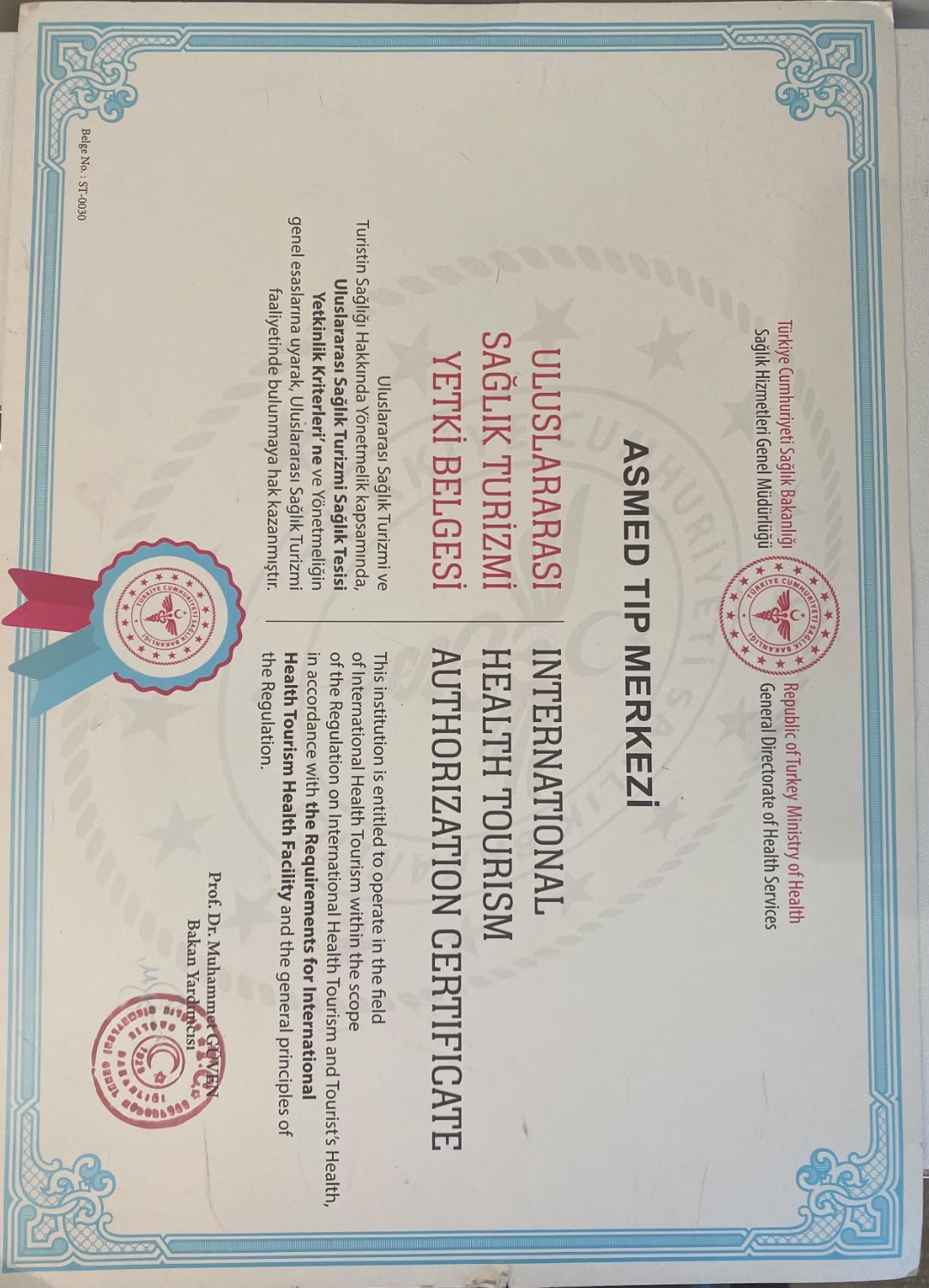
Uluslararası Sağlık Turizmi Yetkili Sağlık Tesisi
ASMED Tıp Merkezi, T.C. Sağlık Bakanlığı tarafından uluslararası sağlık turizmi alanında hizmet sunmak üzere yetkilendirilmiş bir sağlık tesisidir.
Sağlık Tesisi Sahibi: ASMED ÖZEL SAÇ EKİMİ SAĞLIK HİZMETLERİ A.Ş.
Yetki Belgesi No: ST-0030
International Health Tourism Authorized Healthcare Facility
ASMED Medical Center is a healthcare facility authorized by the Republic of Türkiye Ministry of Health to provide services in the field of international health tourism.
Owner and Operator: ASMED ÖZEL SAÇ EKİMİ SAĞLIK HİZMETLERİ A.Ş.
Authorization Certificate No.: ST-0030

Atatürk Mah. Sedef Caddesi No: 1/1 Ataşehir - İstanbul
Cookie Declaration - Update Date: 09.09.2026 - Editor: Ozer Erik - Tel: +90 216 464 11 11