Sunlight and Hair Growth: Is Sun Exposure Good for Hair?
Many of us are aware that vitamin D is a substance that our bodies require and that it may be obtained from the sun. Our bodies require vitamin D to maintain a full cycle of hair development because the vitamin encourages the growth of hair follicles. One sign of vitamin D insufficiency is hair loss. People who wonder how to speed up hair growth often ask whether sun exposure will be beneficial for their hair. Sunlight and hair have a more complicated relationship than most people assume, the same rays that support your hair can also harm it, depending on how you handle exposure. Here is what the evidence actually shows.
Does Hair Need Sunlight to Grow?
Questions that come up in relation to natural hair care quite often are: Does hair require sunlight to grow? It does not. It's not like plants where the energy from the sunlight is required for its growth because hair follicles lie deep within the skin. What sunlight does do, though, is trigger vitamin D production in the skin, and that nutrient is closely tied to follicle function and the hair growth cycle.
When vitamin D drops too low, follicles can slip into an extended resting phase, slowing or stopping new growth. Sunlight isn't direct fuel for hair, then, but it shapes the internal conditions that make healthy growth possible. People in regions with little sun, especially through winter, face a higher likelihood of vitamin D hair loss as a result. The sunlight-hair connection is real; it just runs through an indirect route.
How Does Sunlight Stimulate Hair Follicles?
The body produces vitamin D in response to sunlight. Vitamin D is one of the most essential components for maintaining a healthy cycle of hair development since it promotes hair growth from the follicle. Spending more time in the sun is the simplest approach to increasing vitamin D levels; unfortunately, this may actually encourage hair loss. While vitamin D from sunshine is beneficial to your hair, excessive exposure to UV radiation from the sun can harm both your body and your hair. So it is safe to be careful and not forget the importance of hair care and being sensitive to your hair. You might want to wear hats and cover your scalp when you expose yourself to sunlight, for instance.
However, vitamin D is not everything. Sun exposure influences hair follicles by means of affecting the circadian rhythm, which helps to regulate the hormonal cycles responsible for regeneration and healing of tissues. Hair follicles happen to be some of the fastest dividing cells in our bodies, and hence everything which aids regeneration in general will aid the follicles. There have been some scientific studies into the effectiveness of certain wavelengths of light, especially red and infrared light, to directly influence hair follicles; this is the basis of the low level laser therapy which is done for clinical hair loss. Regular sunlight contains a broad spectrum of wavelengths, and hence it has little effect on the follicles, but it still has some effect.
Is Morning Sunlight Good for Hair Growth?
Morning sunlight is known to be the mildest form of daily sun exposure. Since the UV index in the hours following dawn is at its lowest, it will be possible for skin and scalp to soak up sunlight without experiencing the damaging effects of the more aggressive UV-B and UV-A rays present during mid-day. As far as hair goes, it presents an ideal time for Vitamin D production without the harmful effects of UV on the hair. There's a hormonal angle to morning light exposure as well. Early sunlight helps set cortisol and melatonin rhythms, which flow on to healthier sleep. Poor sleep, in turn, raises stress hormones that can push follicles into a shedding phase, so a simple morning habit outdoors may benefit hair through better hormonal balance rather than any direct scalp effect. If you're weighing whether morning sunlight is good for hair, the evidence points to it being the safest, most practical daily window for supporting scalp health through outdoor exposure.
What Is the Best Time of Day for Sun Exposure for Hair?
Based on our knowledge of the effects of UV rays and vitamin D formation, the optimal time for exposure to the sun should be either early morning – around 8 a.m. and 10 a.m., or late in the afternoon – 4 p.m. and beyond because at such times the sun is positioned at a lower altitude, thus minimizing the amount of dangerous UV rays. Midday sun, broadly 11 a.m. to 3 p.m., carries the highest UV levels and does the most damage. Prolonged exposure in that window can strip moisture from the hair, break down keratin proteins, and irritate the scalp, none of which helps growth. If you're outside during peak hours, wearing a hat after hair transplant, or simply as a general habit, is a sensible way to shield both your scalp and your hair from unnecessary UV stress.
How Much Sun Exposure Does Your Hair Actually Need?
The amount of sun exposure required to ensure adequate levels of vitamin D and consequently hair growth varies greatly based on skin color, geographical location, seasons, and even age. As an average rule, it is usually recommended that 10-30 minutes of daily sunshine on exposed skin several days per week should be sufficient for light-skinned individuals. In case of individuals with dark skin color, the requirement for daily sun exposure increases due to slower synthesis of vitamin D from ultraviolet rays in the presence of melanin. One thing to remember about sun exposure: you don't have to expose your head. The process of synthesizing vitamin D takes place as well in the arms, legs, or face; therefore, it is possible to obtain all the benefits of sunshine without damaging your scalp. It is a very good idea to protect your scalp while receiving enough sunshine every day.
Can I Get More Vitamin D Without Damaging My Hair?
While sunshine is the greatest and most natural source of vitamin D, there are other methods to meet your daily requirements without risking hair loss. A safer approach is to take supplements and eat foods high in vitamin D naturally, such as fish, red meat, and eggs. You may also protect your hair from possibly damaging UV radiation by keeping yourself out of direct sunshine. If you are currently balding or have thinning hair, it is critical to apply sunscreen to the scalp before going out to avoid additional damage.
Is There a Permanent Solution to Hair Loss?
If you wonder about how to permanently thicken your hair, there is a way. The only completely permanent remedy to hair loss is a hair transplant. A hair transplant surgery uses a patient's healthy hair follicles to cover up the areas of hair loss that are the most troublesome. Hair transplants result in completely natural-looking hair that will keep growing. For anyone considering a surgical route, getting a clear picture of hair transplant cost early on is a sensible first step. Costs shift depending on the technique, the degree of hair loss, and the clinic, so a professional consultation before committing to anything is always worth arranging.
FAQs About Sunlight and Hair Growth
Can sitting in the sun every day help regrow lost hair?
Consistent moderate exposure to the sun will assist in maintaining healthy vitamin D levels, which will promote healthy hair growth; however, this cannot reverse any hair loss that is already experienced due to pattern baldness or follicle damage. Consider sunshine as preventive measure and a part of a bigger picture that involves proper diet, skin management, and medical care if necessary. Hair loss requires a discussion with an expert and not just exposure to the sun.
Can too much sun exposure cause permanent hair loss?
Chronic excessive UV exposure degrades the structural proteins in the hair shaft, leaving it dry, brittle, and prone to breaking. In serious cases it can also damage scalp skin and compromise follicle health. That said, the permanent hair loss tied to genetics or medical conditions isn't typically caused by sun exposure on its own. The more immediate concerns are sunburn, inflammation, and the slow accumulation of skin damage, conditions that all work against healthy growth. Shielding your scalp during extended time outdoors is a sensible habit regardless of where you stand with hair loss.
Is vitamin D supplementation as effective as sunlight for hair growth?
For people who can't get enough sun due to climate, lifestyle, or health, vitamin D supplements are a practical and effective alternative. They raise blood vitamin D levels and support both follicle function and the normal hair growth cycle. Even so, sunlight delivers benefits beyond vitamin D, effects on circadian rhythm and mood among them, that a supplement can't fully replicate on its own. For most people, the soundest approach is to combine moderate, safe sun exposure with a diet that includes vitamin D-rich foods and, where a deficiency has been confirmed by testing, supplementation under medical guidance.
Here at the Asmed Clinic, our doctors specialize in the FUE hair transplant method, which is a very successful treatment for extreme and permanent hair loss. By reading the Asmed blog articles, you could learn more about hair transplants and discover new tips for healthy hair. For any question you might have or to get a consultation, contact the Asmed team as soon as possible!
Get a Free Consultation!
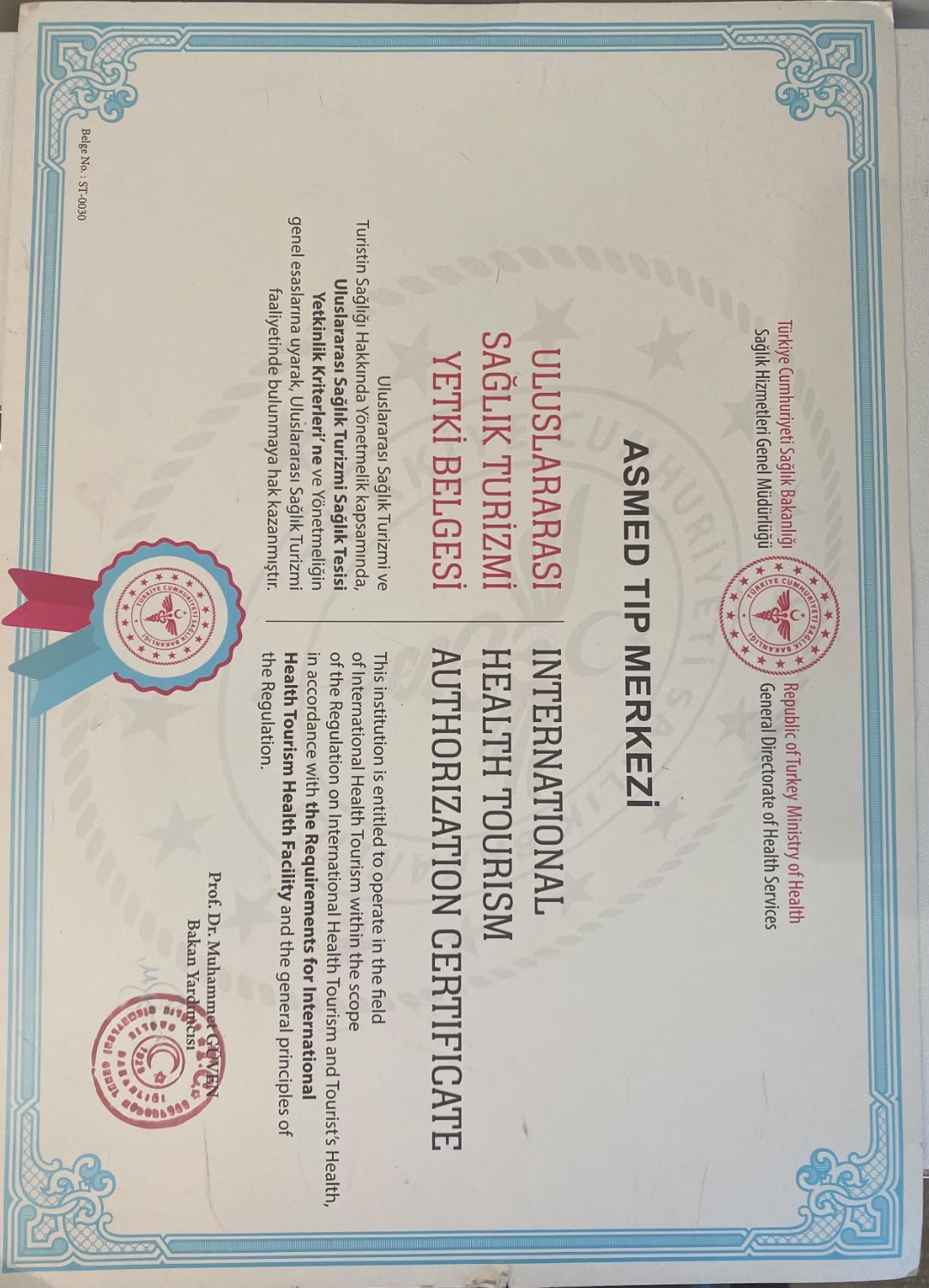
Uluslararası Sağlık Turizmi Yetkili Sağlık Tesisi
ASMED Tıp Merkezi, T.C. Sağlık Bakanlığı tarafından uluslararası sağlık turizmi alanında hizmet sunmak üzere yetkilendirilmiş bir sağlık tesisidir.
Sağlık Tesisi Sahibi: ASMED ÖZEL SAÇ EKİMİ SAĞLIK HİZMETLERİ A.Ş.
Yetki Belgesi No: ST-0030
International Health Tourism Authorized Healthcare Facility
ASMED Medical Center is a healthcare facility authorized by the Republic of Türkiye Ministry of Health to provide services in the field of international health tourism.
Owner and Operator: ASMED ÖZEL SAÇ EKİMİ SAĞLIK HİZMETLERİ A.Ş.
Authorization Certificate No.: ST-0030

Atatürk Mah. Sedef Caddesi No: 1/1 Ataşehir - İstanbul
Cookie Declaration - Update Date: 09.09.2026 - Editor: Ozer Erik - Tel: +90 216 464 11 11