
Can You Wear a Hat After Hair Transplant?
Hats are restricted for the first few days after a hair transplant, and most clinics permit a loose, clean baseball cap or bandana from day 2 or day 3 onward. The grafts placed during your procedure sit in fragile sockets and need uninterrupted time to anchor before any fabric touches them. Whether your motivation is sun protection, privacy at work, or covering visible scabs, the timing and the hat type both matter.
Today, hair transplants have become more popular and common. They are successful operations that allow you to regrow your lost hair. The most important thing here is being aware of the hair transplant recovery timeline, following your surgeon’s post-surgery instructions well, and also taking care of your grafts in order to achieve optimum results from the operation. Right after the procedure, the hair grafts will be extremely sensitive and should remain untouched. The guide below explains the real risks, the safe windows, and the headwear choices that protect your investment.
Is Wearing a Hat After Hair Transplant Risky for Grafts?
Yes, wearing a hat in the first 72 hours is risky because the newly implanted grafts have not yet secured into the scalp, and any friction can dislodge them. During the initial healing phase, follicles depend on a delicate fibrin seal to hold them in place, and even light pressure from a tight band or knit fabric can pull them out. Sweating under a non-breathable hat creates moisture that softens scabs prematurely and raises the risk of bacterial infection in the recipient zone.
ASMED’s medical team utilizes the KE-Bot robotic scanning system to ensure perfect graft placement density, making it even more vital to protect this calculated arrangement from external pressure.
Rubbing also disturbs the crusts that protect the follicular channels, which can lead to patchy growth or visible gaps in the final result. The donor area carries lower risk than the recipient zone, but rough seams or elastic edges can still irritate sutures and inflame the skin. For these reasons, surgeons treat the first three days as a strict no-hat window regardless of the technique used.
How Soon After A Hair Transplant Can I Wear Hats?
Many people who undergo a hair transplant operation want to find out when they could cover their heads because they are uncomfortable with the scabs after hair transplant. In the following days, your scalp might be swollen, and you may experience some amount of bleeding and scabbing. In this period, you might get comfortable with covering your scalp in order to hide the hair transplant. But experts suggest that you should wait for 7 to 10 days before you start to wear anything over the scalp. Damaging the grafts could create empty patches on the scalp and damage the entire recovery of the hair transplant process. After 7 to 10 days, wearing a hat is considered safe. However, experts recommend not to use any tools that pressure your scalp at least 3 months after a hair transplant. Your surgeon will recommend you to wait at least 10 days before you wear hats. However, if you still want to cover your head, you can wear a loose hood or a hat after discussing it with your doctor.
What Happens If I Wear a Hat Too Early After Hair Transplant?
Wearing a hat within the first 3 days can dislodge grafts, cause bleeding, trigger infection, and permanently reduce your density outcome. Grafts pulled out before they have anchored cannot be reinserted, so any follicle lost in the first 72 hours represents a permanent gap in the result you paid for. Tight or knit hats are the most damaging because their fibres catch on scabs and lift them along with the underlying graft when the hat is removed. Trapped heat and sweat under any cap accelerate inflammation, prolong redness, and can convert a clean healing surface into a folliculitis after hair transplant outbreak that requires antibiotics. Patients who ignore early restrictions often report patchy regrowth months later, and corrective sessions add cost and another lengthy wait. Even a loose hat worn improperly during this window, pulled on from the front rather than placed gently from above, creates the same shearing force that surgeons warn against.
Which Types of Hat After Hair Transplant Are Recommended?
A loose-fitting, adjustable baseball cap made from soft, breathable cotton is the safest first choice once your surgeon clears headwear, typically between day 2 and day 3. This style sits above the recipient area without compressing the grafts when sized correctly with the rear strap loosened fully.
Other suitable options include:
- Clean cotton bandanas that drape rather than grip, ideal from day 2 for sun shielding during short outdoor trips.
- Loose bucket hats with a wide brim, generally permitted from day 6 onward, offering UV protection without contact pressure.
- Surgical hoods or lightweight fisherman's hats in breathable fabric, useful for the journey home from the clinic when placed gently from above.
- Oversized snapback caps worn one or two sizes larger than usual so the inner band hovers above rather than presses against the scalp.
- Silk or satin-lined caps that reduce friction against scabs compared with rough cotton seams.
Avoid wool, knit, beanie, helmet, and tight-fitting styles entirely during early recovery. Always wash the hat before each use, never share it, and remove it by lifting straight up rather than sliding it forward off the scalp.
When Is It Safe to Wear a Hat After Hair Transplant?
A loose baseball cap or bandana becomes safe from day 2 or day 3, any non-helmet hat is generally acceptable after 7 days, and helmets should wait at least 10 days, with many surgeons preferring a 2-week minimum. The exact day depends on your clinic's protocol and how quickly your scabs detach, which usually completes between days 10 and 14. Tight hats, wool beanies, and ski masks remain off-limits until the recipient area has fully closed and the redness has faded, often around the 3-week mark.
Motorcycle and construction helmets carry the highest pressure and friction load, so riders are commonly advised to wait 2 to 6 weeks depending on graft density and helmet padding. If you must cover your head for work or weather before receiving clearance, choose the loosest option available and limit wear time to short intervals. Always confirm the specific timeline with your own surgeon, since variations in technique and graft count affect the safe window.
What to Consider When Wearing a Hat After Hair Transplant?
Hygiene, fit, fabric, and removal technique are the four factors that determine whether a hat helps or harms your recovery. The hat must be freshly washed before each wear because oils, dust, and bacteria from previous use transfer directly onto healing skin and can seed infection in open follicular channels. Fit should be one size larger than your usual measurement so the inner band rests above the grafts rather than compressing them, and adjustable straps should be loosened fully before placement.
Choose breathable cotton or bamboo fabrics that wick sweat away, as synthetic linings trap heat and moisture against scabs and slow the crust-shedding process. Always place the hat onto your head from directly above and lift it off the same way, never slide it on or off, since horizontal motion is what tears grafts loose. Limit continuous wear to 1 to 2 hours during the first 2 weeks, remove it when indoors, and check the inside lining for any attached scabs after each use as an early warning that the fit is too tight.
Going through a hair transplant is a long but fruitful journey. If you consider undergoing such an operation, you should be informed about what are hair transplant procedures and steps before the surgery to know what to expect. The Asmed team is here to explain all the steps and the aftermath to you so you could get the best results possible. Experienced doctors at Asmed will make sure you do not suffer from complications a lot. If you have any questions about FUE hair transplant or concerns, do not hesitate to consult the medical staff at Asmed.
Get a Free Consultation!
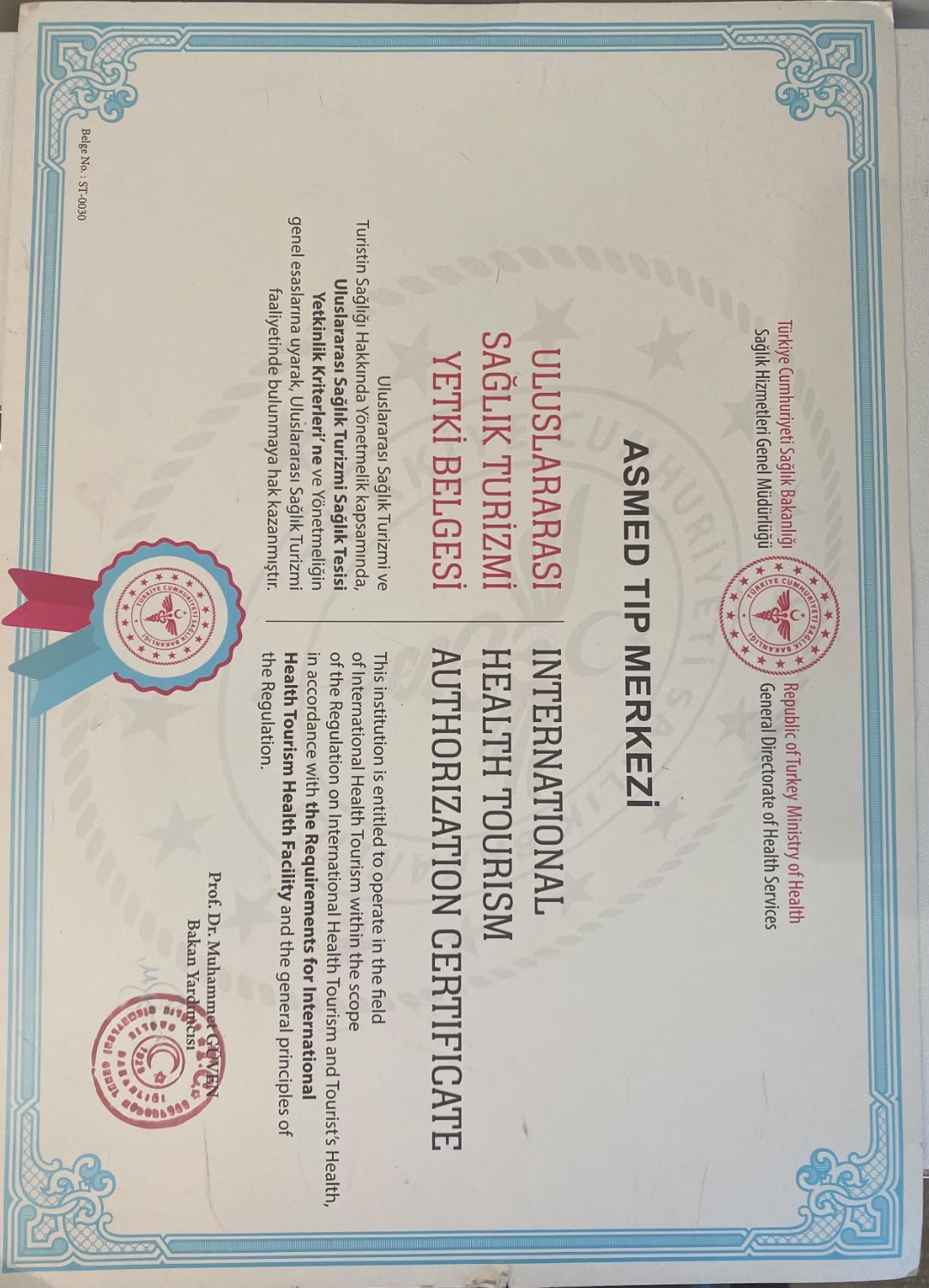
Uluslararası Sağlık Turizmi Yetkili Sağlık Tesisi
ASMED Tıp Merkezi, T.C. Sağlık Bakanlığı tarafından uluslararası sağlık turizmi alanında hizmet sunmak üzere yetkilendirilmiş bir sağlık tesisidir.
Sağlık Tesisi Sahibi: ASMED ÖZEL SAÇ EKİMİ SAĞLIK HİZMETLERİ A.Ş.
Yetki Belgesi No: ST-0030
International Health Tourism Authorized Healthcare Facility
ASMED Medical Center is a healthcare facility authorized by the Republic of Türkiye Ministry of Health to provide services in the field of international health tourism.
Owner and Operator: ASMED ÖZEL SAÇ EKİMİ SAĞLIK HİZMETLERİ A.Ş.
Authorization Certificate No.: ST-0030

Atatürk Mah. Sedef Caddesi No: 1/1 Ataşehir - İstanbul
Cookie Declaration - Update Date: 09.09.2026 - Editor: Ozer Erik - Tel: +90 216 464 11 11