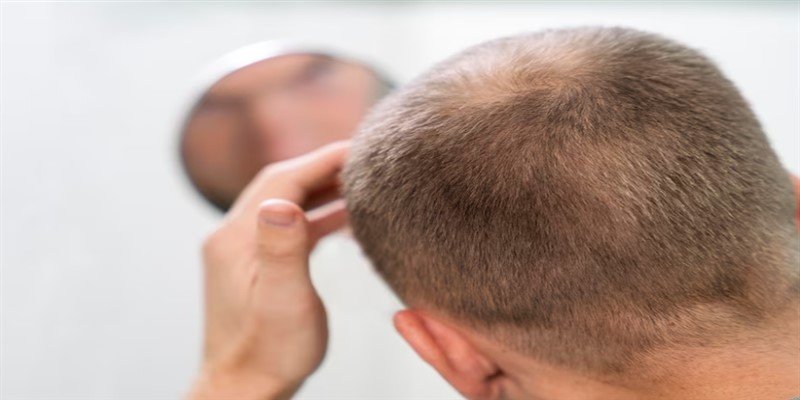
Does High/Low Testosterone Cause Hair Loss? How to Treat?
Testosterone is essential to the human body's general well-being and health. Aside from supporting the sperm quality and sex drive of men, it is present in muscle growth and bone mass.
As men age, their testosterone level decreases, leading to bone density reduction, slower healing, and wrinkled skin. Your essential hormones will experience low production as you age, and you might experience low sexual drive. Low testosterone also contributes to some hair loss reasons.
Many concerns and discussions arose due to the relationship between hair loss and testosterone. The shocking thing is that you can experience hair loss if you have a very low or high testosterone level. Balancing this hormone is one way to ensure that your hair is intact.
Hair loss is often linked to genetics, age, and hormones, especially testosterone. Many people wonder whether changes in testosterone levels directly affect hair thinning or shedding. Understanding the relationship between testosterone and hair loss can help clarify why some individuals experience hair loss while others do not.
Testosterone and Hair Loss Relation
The connection between testosterone levels and hair loss is not as straightforward as it seems. Testosterone itself does not directly cause hair loss; instead, it converts into dihydrotestosterone (DHT), a hormone that affects genetically sensitive hair follicles. When follicles react to DHT, they gradually shrink, leading to thinner hair and eventual hair loss due to testosterone-related activity.
Types of testosterone
Hair loss is caused by either high or low testosterone levels, however there is a particular hormone responsible for this. Here are the types of testosterone:
Free testosterone
This is connected to the testosterone receptors, and it is not bound by proteins in your body's system. Free testosterone is also absorbed by your body cells to perform necessary functions.
DHT
Dihydrotestosterone is caused by an enzyme called DHEA, which is common in women. You can find this hormone in the prostrate, hair, and skin. DHT binds to follicles, causing them to shrink in size. This binding results in hair thinning and loss of strands.
DHT comes from testosterone and it has an important role in men’s sexual health.
DHT and hair loss
This testosterone is linked to one of the causes of baldness in men and women, as DHT is present in hair follicles. Hair loss is caused by the sensitivity of your hair follicles to DHT and the general action of testosterone.
Does High Testosterone Cause Hair Loss?
High testosterone hair loss is a common concern, but elevated testosterone alone is not the primary issue. Individuals with higher levels of DHT or increased follicle sensitivity may experience hair loss due to testosterone, even if their hormone levels are within normal ranges. This explains why some people with high testosterone maintain thick hair, while others do not.
Does Low Testosterone Cause Hair Loss?
Low testosterone hair loss is less commonly discussed, yet it can also play a role. Low testosterone may contribute to weaker hair growth cycles, thinning hair, or reduced hair density. However, this type of hair loss is usually diffuse rather than patterned and differs from classic male or female pattern baldness.
Symptoms of Hair Loss Due to Testosterone
Generally, signs include receding hairline, hair thinning at the crown area,increased shedding and of course overall hair lowering.These symptoms often develop gradually and are linked to how hair follicles respond to hormonal changes over time.
Can Taking Testosterone Cause Hair Loss?
Yes, testosterone replacement therapy and hair loss can be connected. Testosterone therapy may increase DHT levels, accelerating hair loss in individuals who are genetically predisposed. This does not happen to everyone, but it is a known risk.
Will My Hair Grow Back if I Stop Taking Testosterone?
Stopping testosterone therapy may slow or stabilize hair loss, but regrowth is not guaranteed. Once follicles are permanently damaged, hair typically does not grow back without medical or surgical intervention.
How do your genes contribute to hair loss?
Hair follicle sensitivity triggers hair loss as much as testosterone and DHT, and this sensitivity depends on your genetics. The receptor on your hair follicles that communicate with DHT and testosterone is the AR gene. A sensitive receptor triggers even the tiniest amounts of DT, thereby creating an avenue for hair loss. Other than genes, there is a connection between stress and hair loss.
Despite of the other considerations, genes are still important in the case of hair loss. You are more likely to go bald if you have a close relative who is bald. Men are not the only ones likely to experience huge hair loss. Since testosterone can be injected, women are as likely as men to lose their hair.
How To Prevent Hair Loss Due To Testosterone?
Managing testosterone hair loss often includes DHT-blocking medications, topical treatments, lifestyle adjustments, and medical supervision. Early intervention is key to preserving existing hair.
Can A Hair Transplant Fix Testosterone Hair Loss?
Sure it can. A hair transplant can be a perfectly effective solution for hair loss and of course it is a permanent solution for testosterone-related factors, provided the hair loss pattern is stable and properly evaluated.
Exercises for hair growth
After going through hair loss, hair growth exercises are needed to strengthen your hair. There are hair restoration workouts sure to help you boost your hair development and keep hair loss at a minimum. Some of the exercises include:
- Scalp massage
- Neck exercise
- Strength training
- Jogging
These exercises release happy hormones called endorphins, and these hormones assist you in relaxing and managing hair loss. Blood will flood properly through your scalp, and specific workouts for hair determine a proper supply of nutrients.
You can check out our other blog posts to learn more about hair health. Easily schedule a call, and talk to any of our specialists if you have more questions or inquiries about your hair.
At ASMED Surgical Medical Center, advanced FUE hair transplant is performed using cutting-edge digital analysis and precision-based planning. With Dr. Koray Erdoğan’s pioneering techniques, robotic scanning systems, and scientifically driven surgical protocols, ASMED delivers consistently natural and dense results. By combining medical innovation, artistic vision, and patient-focused care, ASMED continues to set global standards in hair restoration, helping patients achieve results that truly transform both appearance and confidence.
Get a Free Consultation!
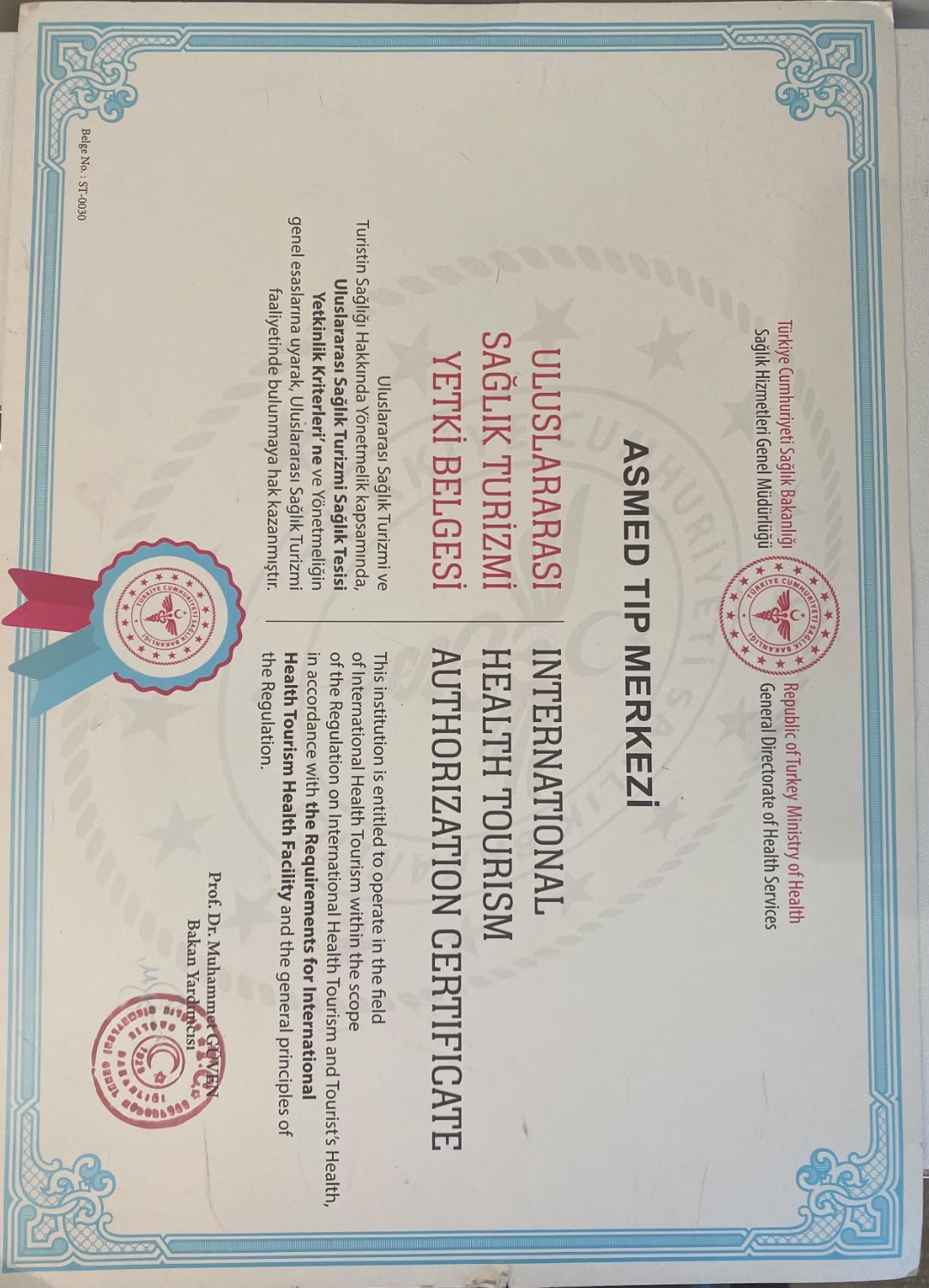
Uluslararası Sağlık Turizmi Yetkili Sağlık Tesisi
ASMED Tıp Merkezi, T.C. Sağlık Bakanlığı tarafından uluslararası sağlık turizmi alanında hizmet sunmak üzere yetkilendirilmiş bir sağlık tesisidir.
Sağlık Tesisi Sahibi: ASMED ÖZEL SAÇ EKİMİ SAĞLIK HİZMETLERİ A.Ş.
Yetki Belgesi No: ST-0030
International Health Tourism Authorized Healthcare Facility
ASMED Medical Center is a healthcare facility authorized by the Republic of Türkiye Ministry of Health to provide services in the field of international health tourism.
Owner and Operator: ASMED ÖZEL SAÇ EKİMİ SAĞLIK HİZMETLERİ A.Ş.
Authorization Certificate No.: ST-0030

Atatürk Mah. Sedef Caddesi No: 1/1 Ataşehir - İstanbul
Cookie Declaration - Update Date: 09.09.2026 - Editor: Ozer Erik - Tel: +90 216 464 11 11