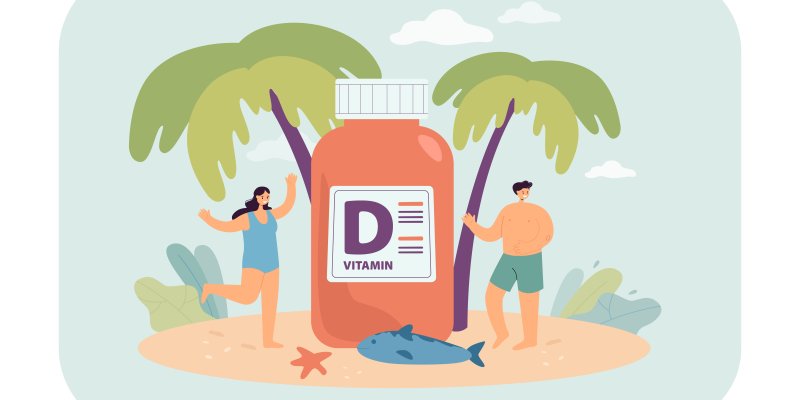
Vitamin D Hair Loss: Causes, Symptoms and Treatment
In recent years, the relationship between vitamin D deficiency and hair loss has garnered significant attention in the medical community. Understanding how this essential nutrient impacts hair health is crucial for anyone experiencing hair loss or seeking to maintain healthy hair follicles.
There are numerous factors that could result in hair loss. Hair loss could be related to extreme stress or high nutrition deficiencies. So if you wonder “can lack of sleep cause hair loss” or “can an unbalanced diet cause hair loss”, the answer is yes. They could. So, is vitamin D deficiency related with excessive hair loss?
There is some evidence that a lack of vitamin D causes hair loss. Because vitamin D supports hair follicle growth, when the body lacks it, the hair may suffer from it. A lack of vitamin D may also be associated with alopecia areata, an autoimmune disorder that causes patchy hair loss. So, what can cause hair loss in general and are they related with vitamin D?
Does Vitamin D Deficiency Cause Hair Loss?
Vitamin D plays a vital role in the body's overall health, including the growth and maintenance of hair follicles. Research suggests that insufficient levels of vitamin D can contribute to hair thinning and loss. This deficiency affects the hair growth cycle, leading to increased shedding and slower regrowth.
Why Does Vitamin D Deficiency Cause Hair Loss?
The exact mechanisms linking vitamin D deficiency to hair loss are still being studied. However, it's believed that vitamin D receptors in hair follicles regulate the cycle of hair growth. When these receptors are deprived of adequate vitamin D, the hair growth cycle can be disrupted, resulting in weaker hair shafts and increased hair fall.
Common Causes of Hair Loss
While many people may be suffering from vitamin D-related alopecia and are unaware of it, doctors argue that there are other additional causes of hair loss, especially like genetics, hormones, and big lifestyle changes (pregnancy, trauma, undergoing surgery, and so on). Two of the three most important types of hair loss, however, are caused by a lack of vitamin D: telogen effluvium and alopecia areata. So, the impact of vitamin D on hair loss is undeniable.
Vitamin D Deficiency Hair Loss Symptoms
Symptoms of hair loss due to vitamin D deficiency may include increased shedding, thinning hair, and in severe cases, noticeable bald patches. It's essential to recognize these signs early to address the deficiency and prevent further hair loss.
Is Hair Loss Due To Vitamin D Deficiency Reversible?
The good news is that hair loss caused by vitamin D deficiency is often reversible. By restoring optimal levels of vitamin D through supplements or increased sun exposure, many individuals experience improvements in hair thickness and regrowth.
How Does Vitamin D Affect Hair Health?
Vitamin D influences the health of several components of the body, including the skin and hair. Vitamin D aids in the formation of new hair follicles. Hair follicles are the small pores that sprout new hairs. New follicles may aid in hair thickness maintenance and prevent existing hair from falling out prematurely. Because of this association, taking enough vitamin D can help with hair growth and renewal.
How Much Vitamin D Is Good For Hair?
The recommended daily intake of vitamin D varies based on factors such as age, lifestyle, and geographical location. Consulting with a healthcare provider can help determine the appropriate dosage to support hair health and overall well-being.
How to Treat Vitamin D-Related Hair Loss
First and foremost, ensure if your hair loss is caused by a vitamin D deficiency. You should see a dermatologist to obtain a good diagnosis before starting to treat vitamin D insufficiency related hair loss. In addition to vitamin D levels, your doctor will be able to check iron levels, blood counts, and inspect your scalp to determine whether anything else could be the problem.
Can A Hair Transplant Fix Vitamin D Deficiency Hair Loss?
While a hair transplant can restore lost hair follicles, addressing the underlying cause of hair loss, such as vitamin D deficiency, is essential for long-term results. Combining treatment for deficiency with hair transplant procedures can optimize outcomes.
Are Hair Transplant Results Permanent If Vitamin D Deficiency Returns?
Maintaining adequate levels of vitamin D is crucial for sustaining the results of a hair transplant. If deficiency recurs, it may impact hair health and potentially affect the longevity of transplant results.
Here at Asmed, your hair health and satisfaction are our top priorities. Our skilled doctors and medical staff will make sure you get the best of your FUE hair transplant experience and learn how to correctly take care of your hair. If you have any questions or concerns, reach out to the Asmed team now!
At Asmed Hair Clinic, we specialize in comprehensive hair restoration solutions tailored to each patient's needs. Whether you're concerned about vitamin D deficiency-related hair loss or seeking effective hair transplant options, our expert team is here to guide you. Contact us today to schedule a consultation and take the first step towards healthier hair.
Get a Free Consultation!
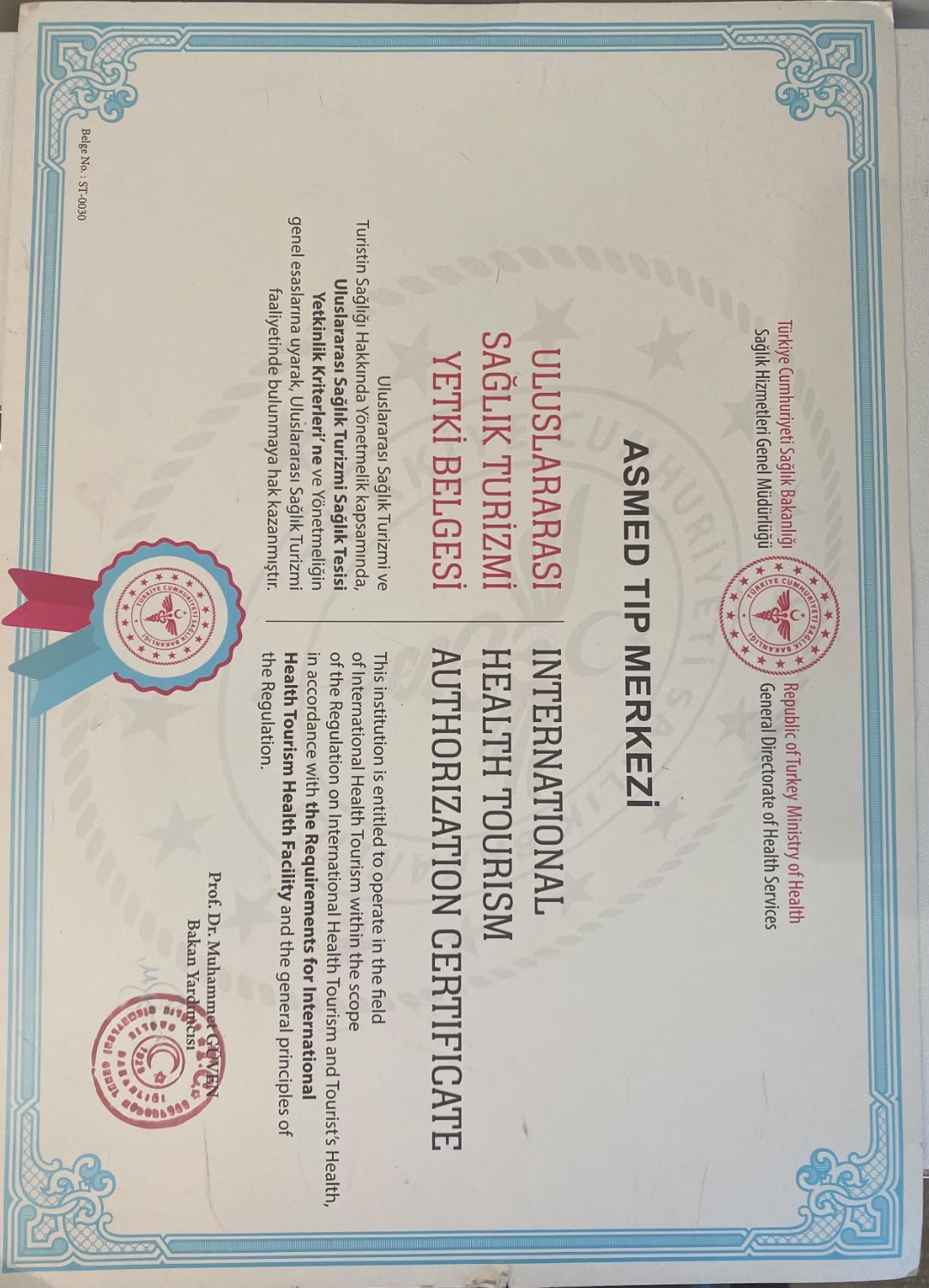
Uluslararası Sağlık Turizmi Yetkili Sağlık Tesisi
ASMED Tıp Merkezi, T.C. Sağlık Bakanlığı tarafından uluslararası sağlık turizmi alanında hizmet sunmak üzere yetkilendirilmiş bir sağlık tesisidir.
Sağlık Tesisi Sahibi: ASMED ÖZEL SAÇ EKİMİ SAĞLIK HİZMETLERİ A.Ş.
Yetki Belgesi No: ST-0030
International Health Tourism Authorized Healthcare Facility
ASMED Medical Center is a healthcare facility authorized by the Republic of Türkiye Ministry of Health to provide services in the field of international health tourism.
Owner and Operator: ASMED ÖZEL SAÇ EKİMİ SAĞLIK HİZMETLERİ A.Ş.
Authorization Certificate No.: ST-0030

Atatürk Mah. Sedef Caddesi No: 1/1 Ataşehir - İstanbul
Cookie Declaration - Update Date: 09.09.2026 - Editor: Ozer Erik - Tel: +90 216 464 11 11