
Does Biotin Help Hair Growth? What to Expect?
Your hair loss could be related to your dietary issues, or you could be suffering from stress and hair loss together. Regardless of your experience, if you are perusing the hair care aisle or scrolling through the internet for hair treatments, you will probably come across biotin. This B vitamin has a reputation for keeping your hair healthy, and physicians regularly suggest it aids with hair loss. But could biotin also assist your hair growth? Biotin provides vital proteins that aid in the growth of your skin, nails, and hair, but it is not a magic hair product. So, you should not act as if biotin will solve all your hair health problems. Here is what you need to know about biotin and hair growth:
Biotin and Hair Health Relation
Biotin is another name for vitamin B7 or vitamin H, which is water-soluble and falls within the category of B-complex vitamins. Biotin's major function in the body is energy production from food. However, it has an already documented link with hair, skin, and nail health. This knowledge can help one have realistic expectations before using any supplement.
Hair is made mainly of keratin, which is a type of protein. The biotin compound works to ensure that enzymes are used properly in producing keratin. As such, biotin plays a critical role in ensuring that the basic composition of your hair is healthy, making it less likely to break and be long-lasting.
Biotin is also responsible for keeping your scalp healthy. Biotin helps in cell renewal and is essential for skin health, which also means that your scalp will have a more supportive environment for your hair follicles to do their work. Biotin-rich foods include eggs, salmon, nuts, seeds, avocados, and sweet potatoes. Most people eating a proper diet usually do not require biotin supplements as they obtain adequate amounts from the food they eat; however, there are some people who have a greater chance of being deficient. Key factors that can contribute to lower biotin levels include:
- Malnutrition or very restrictive diets
- Long-term antibiotic use
- Pregnancy and breastfeeding
- Heavy alcohol or tobacco consumption
- Certain digestive conditions affecting nutrient absorption
Does Biotin Help Prevent Hair Loss?
Biotin can help prevent hair loss, but primarily when that hair loss is caused by a biotin deficiency. This is an important distinction that is often overlooked in popular conversations about the supplement.
When biotin levels drop, keratin production is disrupted. This leads to weaker hair strands that become brittle, thin, and prone to shedding. In these cases, restoring adequate biotin levels can stop deficiency-driven hair loss and allow the hair growth cycle to normalise. Research published in the International Journal of Trichology suggested that biotin deficiency was found in approximately 38% of women who complained of hair loss, which indicates the issue is more common than many people assume.
Nevertheless, if the reason for hair loss is genetic predisposition, hormone imbalance, auto-immune disorder, or stress, then taking biotin supplements won’t help much. The underlying cause should be dealt with independently. One can compare biotin with a base, because it lays the groundwork for proper hair growth, but there are biological factors that can override it.
Does Biotin Help Hair Growth?
Biotin is a B vitamin that aids in the development of keratin, which is a protein responsible for the formation of nails, skin, and hair. So, if you are wondering which vitamin is best for hair, biotin is one of the answers.
According to some studies, a deficiency of biotin in your system might cause hair loss. In such a scenario, you may be questioning if increasing your biotin consumption can result in improved hair growth. For the time being, there isn't enough study to conclusively establish that biotin can aid in hair growth. However, biotin has been demonstrated to aid in the prevention of baldness and hair loss.
To be more specific about what biotin does and does not do:
- What it does: Strengthens existing hair strands, reduces breakage, supports keratin production, and helps normalise the hair growth cycle when deficiency is present.
- What it does not do: Stimulate new hair follicles to form, reverse genetic or hormonal hair loss, or replace medical treatment for conditions like androgenetic alopecia.
Selecting the best biotin for growing hair usually depends on dosage, type, and whether the supplement contains any additional elements that support hair growth, such as zinc, vitamin D, and iron. Biotin functions well as an addition to a more general nutrition plan instead of being a cure in itself.
How Long Does It Take to See Results from Biotin?
Most people will not see meaningful results in the first few weeks. The hair growth cycle spans several months, and any visible improvement from biotin supplementation reflects gradual, biological changes, not an overnight transformation. A realistic timeline looks like this:
- Weeks 1–4: No visible change in hair growth. Biotin begins to be absorbed and integrated into metabolic processes.
- Months 1–3: Some people notice reduced shedding and slightly improved hair texture or shine. Hair strands may feel stronger.
- Months 3–6: For many people, this is when more noticeable improvements appear, reduced breakage, improved thickness, and healthier-looking growth. Results become more encouraging around the third or fourth month.
- Beyond 6 months: Consistent supplementation continues to support hair quality. Results plateau once adequate biotin levels are maintained.
Biotin does not work as fast as hair transplant procedures, and the results of biotin use are very different from what happens in the weeks following a surgical intervention. Patience and consistency are essential, expecting results after just one or two weeks is unrealistic. Hair grows at an average rate of roughly half an inch per month, which means even the best nutritional support takes time to show.
Important: If you are not seeing any improvement after 6 months of consistent biotin use, this strongly suggests that your hair loss has a cause other than biotin deficiency. In that case, a medical evaluation is the right next step.
Can Biotin Help with All Types of Hair Loss?
No, biotin cannot help with all types of hair loss. Its effectiveness is closely tied to the underlying cause of the hair loss. Biotin is most useful when hair loss stems from a nutritional deficiency. It is unlikely to produce meaningful results for the following types of hair loss:
- Androgenetic alopecia (male or female pattern baldness): Driven by genetic sensitivity to DHT, a hormone. Biotin does not influence DHT levels or follicle miniaturisation.
- Alopecia areata: An autoimmune condition where the immune system attacks hair follicles. This requires targeted medical treatment.
- Telogen effluvium from stress or illness: While good nutrition supports recovery, biotin alone will not resolve the triggering factor.
- Scarring alopecia: Involves permanent follicle destruction. No supplement can reverse this. Biotin is best recommended for individuals who suffer from nutritional deficiencies either proved or suspected, individuals suffering from weak hair as a result of deficiency in diet, and those wanting to keep their hair healthy. Biotin is not a remedy for hair disorders clinically diagnosed.
Is Biotin a Permanent Solution for Hair Loss?
No, biotin is not a permanent solution for hair loss. It is a nutritional supplement that supports the conditions needed for healthy hair, it does not address the structural or genetic causes of significant hair loss. In individuals who are suffering from hair loss due to deficiency only, then having adequate amounts of biotin is needed to ensure continued success. However, this will require continuous consumption, as biotin being water soluble does not stay in the body for long periods.
Biotin should be considered an accessory supplement for most individuals who suffer from progressive or patterned hair loss. Biotin is effective in improving hair strength, supporting scalp health, and boosting hair quality, but it is not capable of stopping follicular miniaturization and regrowing hair in regions where the follicles are no longer active. If you are still experiencing hair loss even with balanced eating and biotin intake, it clearly means that there is more than nutritional deficiency behind it. The best way to find out what causes your hair loss is by visiting an expert on the matter.
Biotin is a B vitamin that aids in the development of keratin, which is a protein responsible for the formation of nails, skin, and hair. So, if you are wondering which vitamin is best for hair, biotin is one of the answers. According to some studies, a deficiency of biotin in your system might cause hair loss. In such a scenario, you may be questioning if increasing your biotin consumption can result in improved hair growth. For the time being, there isn't enough study to conclusively establish that biotin can aid in hair growth. However, biotin has been demonstrated to aid in the prevention of baldness and hair loss.
How Long Does Biotin Take to Work?
The mechanism of action for biotin, or vitamin B7, is from the inside out in that it provides nourishment for the keratin framework in your body. Since biotin is limited to affecting only the new growth and not what you can currently see, patience is required for results. Here is what you can realistically expect along the timeline, along with the science behind how it works.
The Realistic Results Timeline
| Timeline | What is Happening | Expected Results |
|---|---|---|
| Weeks 1–4 | Biotin levels stabilize in your cellular matrix. | No visible changes yet. |
| Months 1–2 | Hardening of the nail matrix begins. | Nails typically show the first signs of improvement, becoming less brittle and splitting less frequently. |
| Months 3–6 | New hair strands reach the surface of the scalp. | Hair shedding often decreases, and you may notice healthier, slightly thicker-looking new growth. |
| Month 6+ | Sustained systemic benefits. | Maximum visible improvements in hair density, nail strength, and overall skin radiance. |
3 Reasons Why Biotin Takes Time
If you feel like your supplements aren't doing anything after a few weeks, don't panic. The biological process requires patience for a few specific reasons:
- The Hair Growth Cycle: Hair grows at an average rate of about a half-inch per month. Biotin cannot speed up this biological clock; it simply ensures that the new hair being formed in the follicle is structurally sound.
- Water-Soluble Nature: Biotin is water-soluble, meaning your body does not store it in fat tissues. It uses what it needs for metabolic functions and flushes out the rest daily. It takes time to establish a consistent systemic baseline.
- Prioritization: Your body prioritizes vital metabolic organs before sending extra nutrients to your "dead" tissues like hair and nails.
When to Consider a Hair Transplant After Biotin?
The decision for surgery becomes imminent when biotin and other nonsurgical methods do not provide satisfactory outcomes, and hair loss has escalated to the stage where it is affecting your self-confidence and appearance. Biotin is definitely a good starting point; however, it poses no risk, it is easily available, and if you are experiencing hair loss due to biotin deficiency, then it is really helpful. It cannot substitute hair transplant surgery once the hair follicles become inactive.
Consider speaking with a hair transplant specialist if:
- Hair loss has continued or worsened after 6–12 months of consistent biotin supplementation and a balanced diet.
- You have a diagnosed pattern of hair loss (e.g., receding hairline, crown thinning) that biotin cannot reverse.
- Thinning has reached a stable point and you want a permanent, natural-looking result.
- Other medical treatments such as minoxidil or finasteride have also failed to produce satisfactory improvement.
In a FUE hair transplant, healthy follicles are extracted from the donor area and transplanted to areas of thinning or baldness. This directly addresses follicle loss in a way that no supplement can. After the procedure, biotin supplementation can actually play a useful supporting role, helping strengthen the newly transplanted hair and supporting the recovery environment of the scalp.
How Much Biotin Should You Take?
If you want to be sure you receive enough biotin, the daily recommended biotin consumption for adults is 30 micrograms (mcg). If you are pregnant, you will require around 35 mcg each day. If you have alopecia, your doctor may suggest biotin pills or a greater biotin-rich diet battle hair loss. They may advise you to increase your dosage to 3 milligrams (or 3,000 mcg) every day.
What Kinds of Biotin Are There?
There are several methods to gain the benefits of biotin. You may already be getting a good dosage without even realizing it.
Here are various methods to obtain biotin:
- Biotin-rich foods
First, include several biotin-rich foods into your routine. This is the most natural way to absorb biotin into your system. Many foods contain biotin, including cow liver, eggs, salmon, sweet potatoes, almonds, and broccoli.
- Mega-B vitamins
Certain supplements may be used as an alternative if you have dietary constraints or need an extra biotin boost. Many dermatologists recommend a mega-B vitamin combination that comprises 30 mg of zinc, 200 mg of vitamin C, and folic acid as a supplement.
- Biotin shampoos
If you want to use biotin to promote your hair growth, you should try using a biotin shampoo. True, many shampoo manufacturers include biotin in their recipes to counteract hair loss. But you may need extra biotin to promote further hair growth.
Side Effects of Biotin
Increasing your biotin intake is typically safe. But be careful not to overdo it. Too much biotin from supplements can cause gastrointestinal problems, difficulty sleeping, and skin rashes in rare circumstances. However, these are just rare examples, and you do not need to worry about biotin’s side effects if you are in touch with your doctor.
Hair loss is one of the most common health issues of all genders and age groups. Sometimes, it is temporary or mild and could be solved through dietary improvements or medications. Of course, there are cases where hair loss is permanent and genetic. In such instances, you could always benefit from the great effects of FUE hair transplant.
For an online consultation, you could contact the Asmed staff. Our doctors will make sure you get the best treatments and outcomes. Reach out now for further information!
Get a Free Consultation!
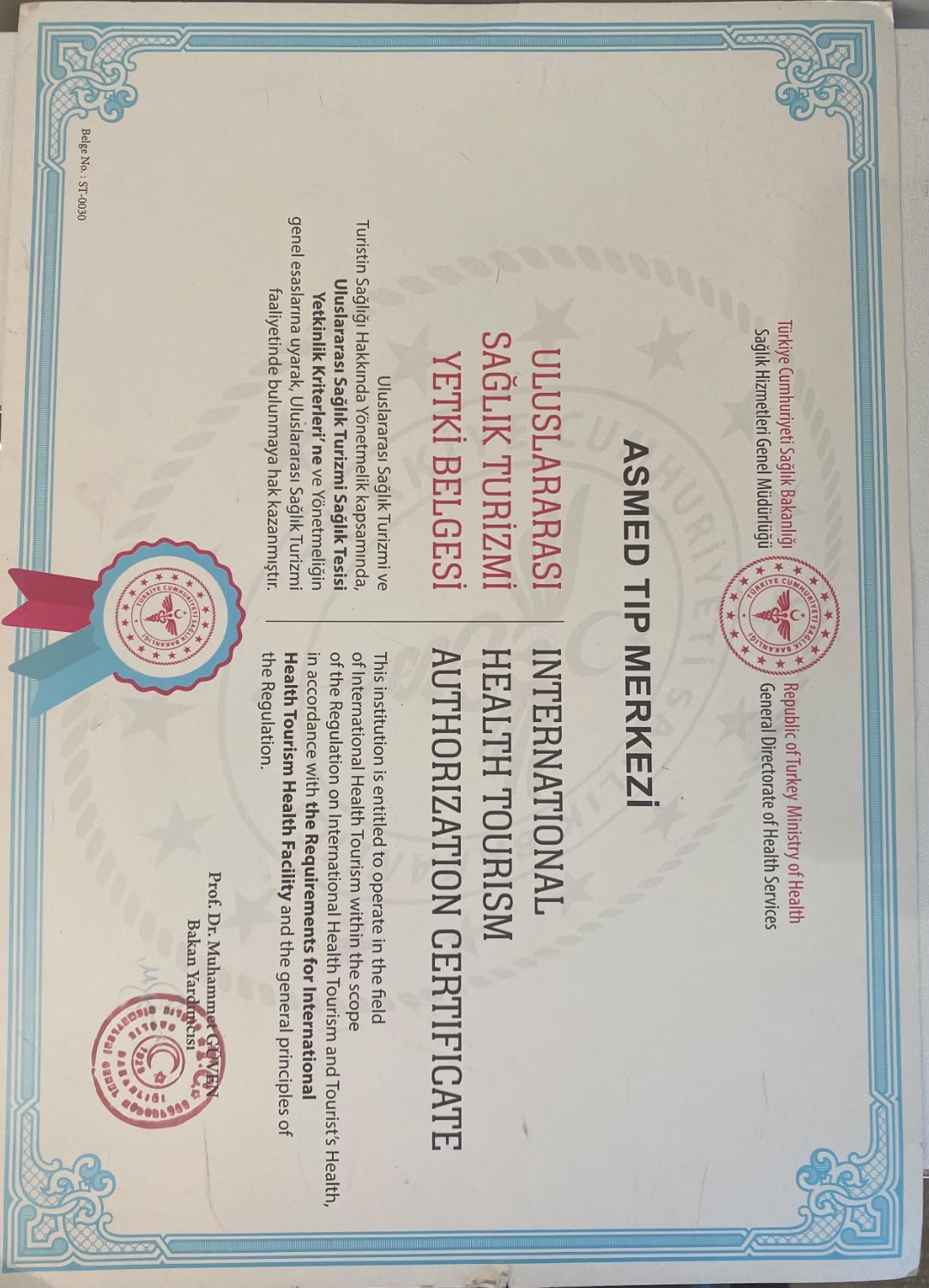
Uluslararası Sağlık Turizmi Yetkili Sağlık Tesisi
ASMED Tıp Merkezi, T.C. Sağlık Bakanlığı tarafından uluslararası sağlık turizmi alanında hizmet sunmak üzere yetkilendirilmiş bir sağlık tesisidir.
Sağlık Tesisi Sahibi: ASMED ÖZEL SAÇ EKİMİ SAĞLIK HİZMETLERİ A.Ş.
Yetki Belgesi No: ST-0030
International Health Tourism Authorized Healthcare Facility
ASMED Medical Center is a healthcare facility authorized by the Republic of Türkiye Ministry of Health to provide services in the field of international health tourism.
Owner and Operator: ASMED ÖZEL SAÇ EKİMİ SAĞLIK HİZMETLERİ A.Ş.
Authorization Certificate No.: ST-0030

Atatürk Mah. Sedef Caddesi No: 1/1 Ataşehir - İstanbul
Cookie Declaration - Update Date: 12.10.2026 - Editor: Ozer Erik - Tel: +90 216 464 11 11