
BCAA and Hair Loss: Does It Really Cause Hair Loss?
Branched chain amino acids (BCAAs) are a popular element in the supplement business, and there have been several claims and reports of a favorable association between BCAAs and hair loss in the past. BCAA supplements do not cause hair loss. No scientific studies link branched-chain amino acids to shedding, and the popular gym-floor rumor connecting your protein scoop to a thinning hairline collapses under scrutiny.
If you've noticed more strands in the shower since starting a new supplement stack, the cause almost certainly lies elsewhere: genetics, micronutrient gaps, stress spikes, or hormonal shifts that were already underway. While some wonder can bcaa cause hair loss, the evidence suggests that the triggers for thinning are typically biological or environmental rather than supplemental.
The interesting twist is that bcaa and hair growth may actually be supported by these aminos, as they support follicle function rather than damage it. Leucine, isoleucine, and valine play structural roles inside the potassium ion channels that keep hair follicles active. Still, the question of whether bcaa and hair loss are related deserves a careful answer because dosing matters, individual physiology varies, and pattern hair loss can begin in your 20s regardless of what you drink after training.
This guide unpacks the science, the dosing thresholds, and the realistic next steps if you're losing hair, proving that the idea that bcaa cause hair loss is a common misconception.
What is BCAA?
BCAA stands for branched-chain amino acids, a group of three essential amino acids: leucine, isoleucine, and valine. They are called "essential" because the human body cannot synthesize them; they must come from food sources like meat, eggs, dairy, and legumes, or from supplements. Roughly 35% of the amino acids in skeletal muscle are BCAAs, which is why athletes ask do bcaas cause hair loss when starting a new muscle-building phase. Despite concerns about bcaa hair loss, these aminos are primarily used to support muscle protein synthesis, reduce exercise-induced fatigue, and accelerate recovery between training sessions.
Hair Loss and BCAA Relation
Simply explained, BCAA does not cause hair loss, and research and theories suggest that it may even assist to prevent it. BCAA supplements have shown potential in increasing potassium ions, which may assist improve the efficacy of hair loss medicines. This implies that if you are taking hair loss medication, BCAAs may help it function even better. In short, BCAA intake is not one of the hair loss reasons. On the contrary, it helps prevent hair breakage and thinning.
BCAAs vs. Known Hair-Loss Triggers: Quick Comparison
| Factor | Linked to Hair Loss? | Mechanism |
|---|---|---|
| BCAAs (leucine, isoleucine, valine) | No | Supports follicle ion channels |
| Anabolic steroids | Yes | Elevates DHT conversion |
| Excess vitamin A | Yes | Disrupts follicle cell turnover |
| High-dose selenium | Yes | Toxic to hair matrix cells |
| Amino acid deficiency | Yes | Triggers telogen effluvium |
How BCAA Impacts Hair Health?
BCAAs influence hair health positively by supporting the potassium ion channels embedded in human hair follicles, which regulate the growth phase of each strand. Branched-chain amino acids are key structural components of these channels, meaning adequate intake helps maintain the cellular environment follicles need to produce healthy fibers. When the body has sufficient amino acid availability, keratin production, the protein that makes up roughly 95% of each hair shaft, proceeds without bottlenecks.
Some hair-restoration formulations actually include BCAAs alongside minoxidil or finasteride to enhance follicular activity, an indication that the medical community views these amino acids as compatible with hair growth rather than antagonistic to it. Adequate protein intake also stabilizes the anagen (growth) phase, which lasts 2 to 7 years per follicle. Deficiencies in essential amino acids, by contrast, are documented contributors to telogen effluvium, the diffuse shedding pattern that follows nutritional stress. So while BCAAs aren't a miracle hair tonic, the biochemical evidence places them firmly on the supportive side of the ledger, not the harmful side.
Does BCAA Cause Hair Loss?
No, BCAAs do not cause hair loss, and no peer-reviewed research has established a direct causal link between branched-chain amino acid supplementation and shedding. The persistent myth likely stems from confusion with anabolic steroids and from the broader fitness lifestyle, where heavy training, caloric restriction, and creatine use sometimes coincide with the natural onset of androgenic alopecia in genetically predisposed individuals.
There is one nuance worth addressing for those asking whether BCAAs can cause hair loss in extreme scenarios: chronic overdosing well beyond the 20-gram daily ceiling has been theorized to nudge testosterone levels upward, which in DHT-sensitive individuals could indirectly accelerate pattern hair loss. This is a dose-dependent edge case, not a property of BCAAs at normal intake. For the question of whether BCAAs cause hair loss when used as directed, the answer remains a clear no. Stick to 4 to 20 grams per day, choose a reputable brand to avoid contaminated products, and the supplement itself poses no follicular risk.
How Common Is Hair Loss Due To BCAA?
Hair loss directly attributable to BCAA supplementation is essentially negligible, with no clinical prevalence data supporting it as a recognized cause. Compare that to the baseline reality: every healthy person sheds 50 to 100 strands per day as part of the normal hair cycle, and roughly 50% of men show visible androgenic alopecia by age 50, with onset possible as early as the 20s. Women face their own pattern, with about 40% experiencing noticeable thinning by age 70.
When gym-goers report shedding after starting BCAAs, the timing usually overlaps with other variables: a calorie deficit during a cutting phase, increased training volume, new creatine cycles, elevated stress, or the simple coincidence of hereditary thinning becoming visible. Telogen effluvium triggered by sudden dietary change can shed up to 300 strands daily for several months, which feels alarming but typically resolves on its own. Misattribution is the real story here. The supplement gets blamed because it's the most recent change, not because it's the actual driver.
How to Diagnose BCAA Caused Hair Loss?
Diagnosing hair loss "caused" by BCAAs is essentially a process of elimination, because the supplement is rarely the true culprit and a dermatologist will investigate more probable causes first. The standard workup begins with a detailed history covering family hair-loss patterns, recent illness, weight changes, medications, and supplement timelines, followed by a scalp examination using dermoscopy to assess miniaturization, follicular openings, and inflammation.
Blood panels typically include ferritin, vitamin D, zinc, vitamin B12, thyroid hormones (TSH, free T3, free T4), and a full hormonal profile covering testosterone and DHT for men or androgens and SHBG for women. A pull test, gently tugging about 60 hairs to see how many release, helps quantify active shedding, and a trichogram or scalp biopsy can confirm the pattern when results are ambiguous. If every standard cause is ruled out and shedding genuinely correlates with BCAA introduction, the practical test is to discontinue the supplement for 3 to 4 months and observe. Hair cycles slowly, so meaningful regrowth assessment requires patience rather than week-by-week monitoring.
Can A Hair Transplant Fix Hair Loss Due To BCAA?
A hair transplant can restore density, but only after the underlying cause is identified and stabilized, and supplement-related shedding rarely qualifies as a transplant indication on its own. If discontinuing BCAAs resolves the issue within 4 to 6 months, no surgical intervention is needed; the lost hair grows back naturally because the follicles were not permanently damaged.
Transplants become relevant when the actual diagnosis turns out to be androgenic alopecia, scarring alopecia, or another structural condition that destroys or miniaturizes follicles permanently. Modern techniques like FUE Hair Transplant (follicular unit extraction) and DHI (direct hair implantation) relocate genetically resistant follicles from the donor area at the back of the scalp into thinning zones, with graft counts typically ranging from 2,000 to 4,500 per session and visible results emerging between months 6 and 12. Candidates need stable hair loss, sufficient donor density, and realistic expectations.
For anyone whose shedding stopped after pausing supplements, a transplant would be premature and unnecessary. For those with confirmed pattern hair loss progressing independently of any supplement, transplantation paired with medical therapy, finasteride, minoxidil, or PRP, remains the most durable restoration option available today.
FAQs About BCAA and Hair Loss
Can too much BCAA cause hair thinning?
No evidence supports this at standard doses of 4–20 grams daily. Excessive intake of any supplement can stress metabolism, but hair thinning from BCAAs specifically has not been documented.
Why am I losing hair after starting BCAAs?
The timing is likely coincidental. Hair loss is commonly triggered by genetics, hormonal shifts, micronutrient deficiencies, or stress, all of which can begin independently of any new supplement.
Do BCAAs affect DHT levels linked to hair loss?
No direct link exists between BCAA intake and elevated DHT. Pattern hair loss driven by DHT is genetic; BCAAs do not appear to influence androgen levels or DHT conversion.
Can BCAAs actually help hair growth?
Potentially yes. BCAAs support keratin production and stabilize the anagen growth phase. Some hair-restoration formulas include BCAAs alongside minoxidil, suggesting compatibility with follicle health.
What supplement ingredients are actually linked to hair loss?
High-dose selenium, excess vitamin A, and anabolic steroids are documented contributors to hair shedding. BCAAs are not on that list.
You could reach out and book an online consultation or a physical examination from the Asmed medical team. If your hair loss is genetic and permanent, the Asmed surgeons have several alternative treatments for you, such as hair transplants. If you want to benefit from all inclusive hair transplants in Turkey, contact us now! Do not forget to ask your doctor about the probable hair growth after hair transplant and the steps of the procedure to make sure you are making an informed decision!
Get a Free Consultation!
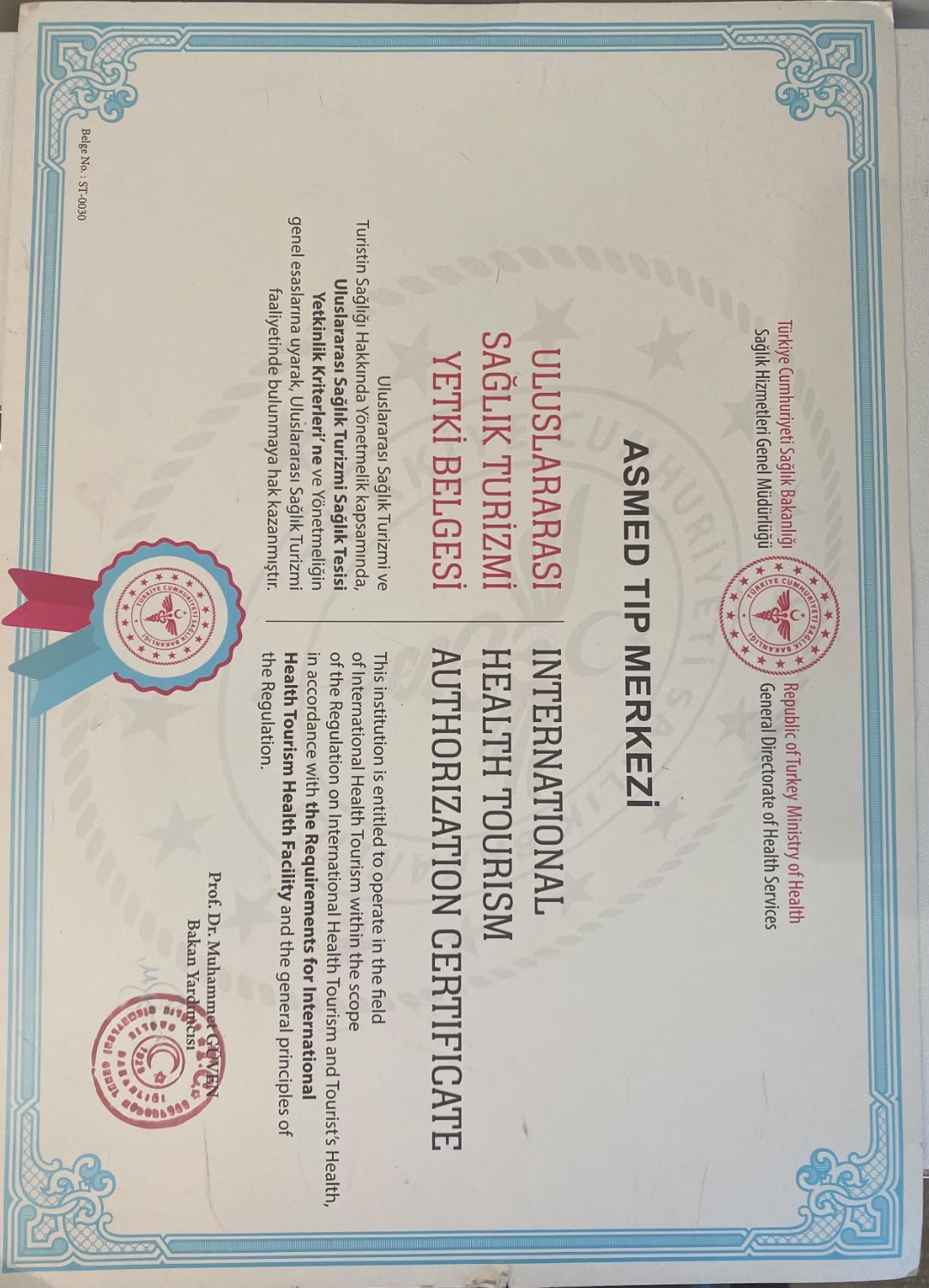
Uluslararası Sağlık Turizmi Yetkili Sağlık Tesisi
ASMED Tıp Merkezi, T.C. Sağlık Bakanlığı tarafından uluslararası sağlık turizmi alanında hizmet sunmak üzere yetkilendirilmiş bir sağlık tesisidir.
Sağlık Tesisi Sahibi: ASMED ÖZEL SAÇ EKİMİ SAĞLIK HİZMETLERİ A.Ş.
Yetki Belgesi No: ST-0030
International Health Tourism Authorized Healthcare Facility
ASMED Medical Center is a healthcare facility authorized by the Republic of Türkiye Ministry of Health to provide services in the field of international health tourism.
Owner and Operator: ASMED ÖZEL SAÇ EKİMİ SAĞLIK HİZMETLERİ A.Ş.
Authorization Certificate No.: ST-0030

Atatürk Mah. Sedef Caddesi No: 1/1 Ataşehir - İstanbul
Cookie Declaration - Update Date: 09.09.2026 - Editor: Ozer Erik - Tel: +90 216 464 11 11