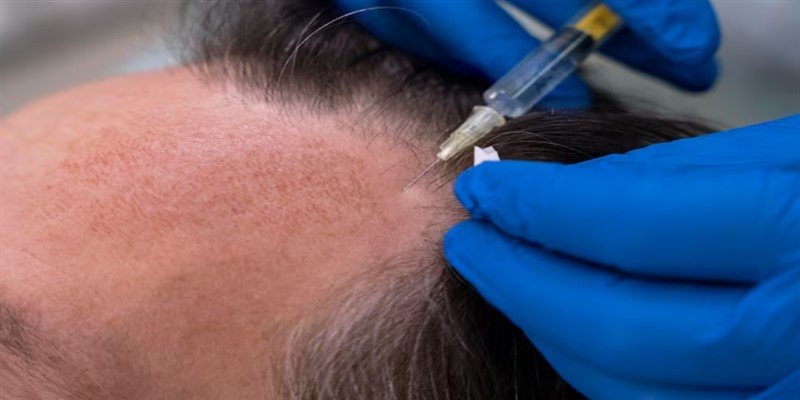
Does Anesthesia Cause Hair Loss? Causes and Treatment
Even if you don't have male pattern baldness or any other type of hair loss, you may still lose between 50 and 100 hairs a day. Those who have recently undergone surgical procedures may experience increased hair loss. Classic hair loss symptoms, such as diffuse thinning, can manifest in previously hair-rich areas of the scalp. Anesthesia may contribute to some transient types of hair loss, such telogen effluvium, even though it doesn't appear to induce male pattern baldness.
Does Anesthesia Cause Hair Loss?
Many patients worry about hair loss after anesthesia following surgical procedures. While anesthesia itself is not a direct cause of hair loss, many notice thinning or shedding in the weeks or months after surgery. This phenomenon is often temporary and linked to the body’s stress response rather than the anesthetic drugs themselves. Understanding the difference between hair loss due to anesthesia and normal post-surgical shedding is crucial for setting expectations.
Does General Anesthesia Cause Hair Loss?
Hair loss after general anesthesia is sometimes reported, but research indicates it is rarely the anesthesia itself that triggers shedding. Instead, general anesthesia and hair loss are associated with the physical stress of surgery, changes in blood circulation, and post-operative recovery factors. Patients may notice hair falling out after anesthesia a few weeks after surgery, but in most cases, it is temporary and resolves naturally.
Does Local Anesthesia Cause Hair Loss?
Hair loss after local anesthesia is much less common. Procedures using local anesthesia and hair loss rarely impact hair growth directly. Any observed shedding is typically due to the underlying medical condition, stress, or healing process rather than the anesthetic agent. Patients concerned about hair loss after local anesthesia should monitor hair health but can usually expect normal regrowth.
The Link Between Anesthesia and Hair Loss
It's vital to go through the fundamentals of hair loss before diving into the intricacies of anesthetic and balding. There are various distinct types of hair loss that can afflict men, but most people only think of male pattern baldness. Permanent hair loss is a symptom of male pattern baldness. Damage to the hair follicles is caused by the androgen hormone dihydrotestosterone, or DHT, a derivative of testosterone. Typically, male pattern baldness manifests itself in the form of a thinning crown or receding hairline.
If left untreated, it can progress to the point where only the hair on the back and sides of the scalp remains, creating the classic horseshoe pattern. The main hair loss reasons are a combination of hormonal and hereditary factors. Furthermore, no studies have implicated the use of anesthetics or surgery in this procedure. If you’re experiencing hair loss after surgery and anesthesia, it may be because of other factors. The link between stress and hair loss is more prevalent than anesthesia and hair loss.
What are the Causes of Hair Loss Due To Anesthesia?
The primary cause of post-surgical hair shedding is telogen effluvium, a condition triggered by stress, trauma, or illness. Surgery is a physical stressor that temporarily shifts hair follicles into the resting phase, resulting in noticeable shedding. Factors like fever, medications, or nutritional deficiencies can also contribute to losing hair after anesthesia.
How Common Is Hair Loss Due To Anesthesia?
Although many patients fear hair loss from anesthesia, it is not highly prevalent. Temporary shedding is more likely in individuals already prone to hair thinning or those undergoing major surgical procedures. Most cases are mild and self-limiting.
Can Hair Loss From Anesthesia Be Reversed?
Yes, in most cases, hair loss after anesthesia is reversible. Hair usually begins to regrow within a few months as the follicles return to the active growth phase. Maintaining a healthy diet, managing stress, and following post-surgery care instructions can support regrowth.
How to Stop Hair Loss After Anesthesia?
Don't worry if your hair is falling out after a surgery. Temporary hair loss is also known as telogen effluvium. Your hair will return to its usual thickness and density once the underlying reason for your hair loss has been diagnosed and treated. Hormonal treatments for male pattern baldness, such as finasteride, will not prevent telogen effluvium or hasten hair regrowth because this condition is not brought on by DHT. Good hair care practices and scientifically-backed hair growth product, however, may facilitate faster hair development and restoration.
Can A Hair Transplant Fix Hair Loss Due To Anesthesia?
If losing hair after anesthesia results in persistent thinning or bald patches, a hair transplant for anesthesia-related hair loss can be considered. You may also consider having a hair transplant surgery if all of your efforts don’t seem to make your hair grow thicker. Consider traveling to Turkey for hair transplantation. Turkey, with its cultural heritage and amazing views, can make up for an amazing holiday too. It may be in your best interest to research the cost of Turkey hair transplants and success rates. Book hair transplant free consultation with Asmed expert medical team to learn more about hair transplant procedures and hair transplantation costs.
Clinics specializing in FUE hair transplant procedures, such as the ASMED Surgical Medical Center, can restore natural density using advanced digital planning, precise follicle placement, and scientifically guided techniques. This ensures long-lasting and natural results for patients affected by post-surgical hair shedding.
Get a Free Consultation!
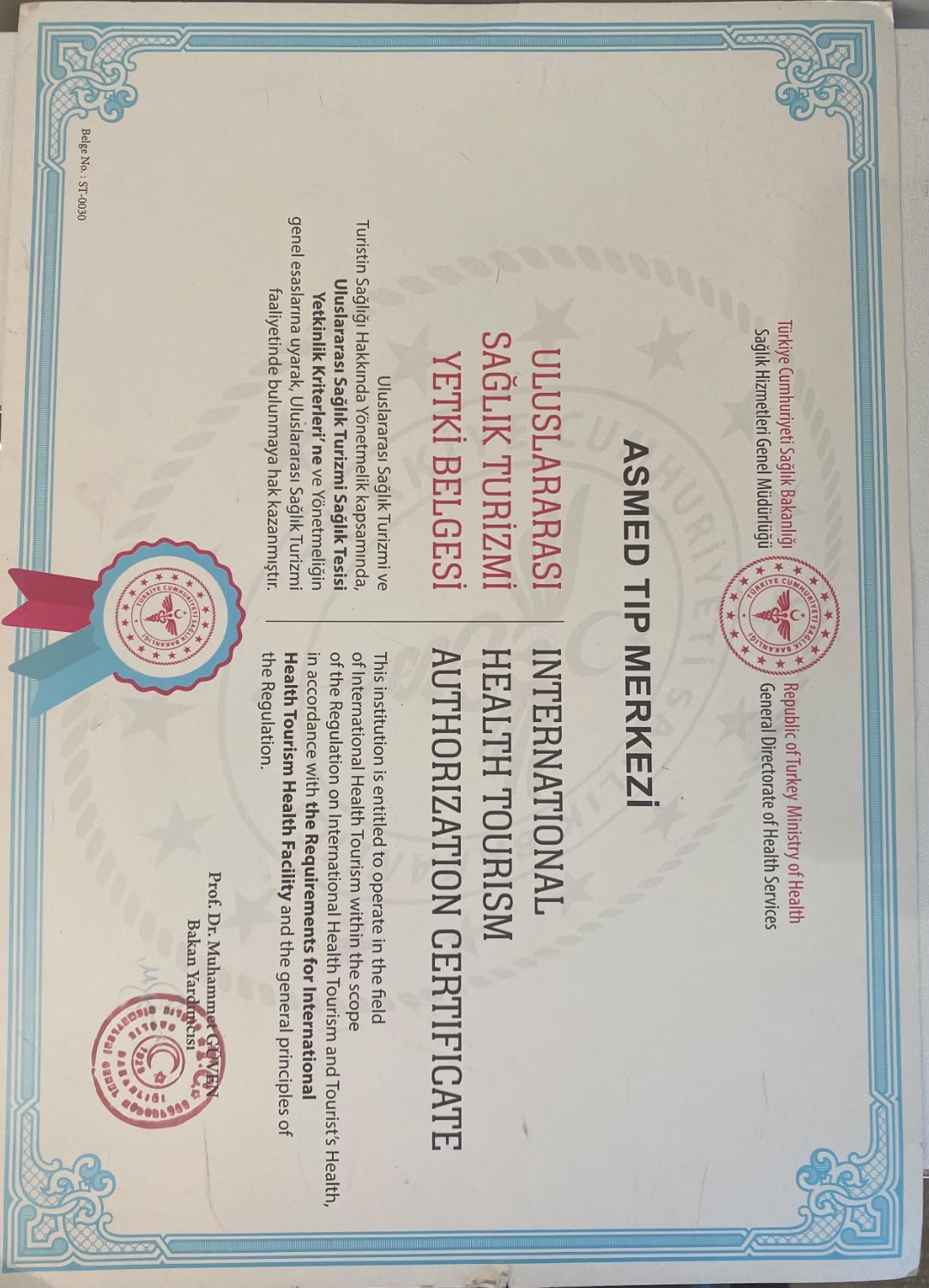
Uluslararası Sağlık Turizmi Yetkili Sağlık Tesisi
ASMED Tıp Merkezi, T.C. Sağlık Bakanlığı tarafından uluslararası sağlık turizmi alanında hizmet sunmak üzere yetkilendirilmiş bir sağlık tesisidir.
Sağlık Tesisi Sahibi: ASMED ÖZEL SAÇ EKİMİ SAĞLIK HİZMETLERİ A.Ş.
Yetki Belgesi No: ST-0030
International Health Tourism Authorized Healthcare Facility
ASMED Medical Center is a healthcare facility authorized by the Republic of Türkiye Ministry of Health to provide services in the field of international health tourism.
Owner and Operator: ASMED ÖZEL SAÇ EKİMİ SAĞLIK HİZMETLERİ A.Ş.
Authorization Certificate No.: ST-0030

Atatürk Mah. Sedef Caddesi No: 1/1 Ataşehir - İstanbul
Cookie Declaration - Update Date: 09.09.2026 - Editor: Ozer Erik - Tel: +90 216 464 11 11