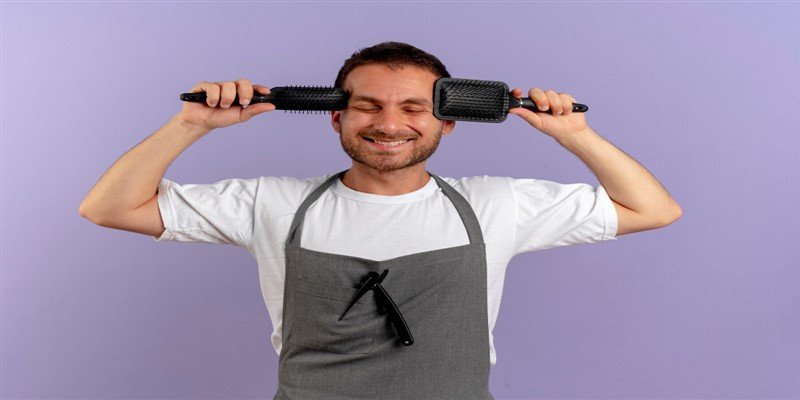
Best Comb for Hair Fall: Reduce Loss & Promote Growth
Combs are among the often-used needs you require for hair development and regeneration. The scalp's capillaries are affected by combing, which improves blood flow. Thus, nutrients and oxygen are effectively transported to the hair follicles. This strengthens the hair roots, encourages growth, and lessens hair loss. Despite the fact that you might not have given your comb much thought, every person with hair combs it. Your hair's condition and appearance can be affected by using the appropriate comb for your hair type and styling requirements.
Which Type of Comb Is Best for Hair Fall?
Best types of combs for hair are wide-tooth combs. The basic style of comb is one with wide teeth. It has several tiny teeth and a spherical head. The teeth are arranged in a V pattern. The best application for this kind of comb is straightening hair.
The rat-tail comb
The rat-tail comb is another well-liked style. It lifts and separates hair into sections for teasing. It enhances hair styling and product dispersion by aiding in hair sectioning, forming exact parts, and smoothing strands. Additionally, the rat-tail comb works better at tightening the hair and creating a volume look.
Wooden combs
The wooden comb works best for preventing hair loss. Wooden combs spread the hair's natural oils more evenly, preventing grease accumulation and resulting in lustrous, healthier hair. Additionally, it helps to reduce hair loss, get rid of dandruff, soothe inflammation, and reduce scalp infections by massaging the scalp in a way that feels pleasant, soothes nerves, and quiets the mind. Additionally, it promotes the production of natural oils and blood flow.
Teasing Comb
At the top, a teasing comb is used to give the appearance of fuller hair by adding structure and volume to fine, lifeless hair.
Why Does Hair Fall Out When You Comb It?
One of the most common concerns people raise is: why does my hair fall out when I comb it? The answer can be found by knowing about hair growth cycle and the mechanical action of combing. It is completely normal to lose a certain number of hairs each day as part of the natural hair growth cycle. Hair that is at the end of its resting phase will fall out normally, while brushing just causes the hair to be removed more quickly.
Too much hair falling off during combing may indicate something serious. Using a comb with very sharp and close teeth when combing tangled and delicate hair will only cause tension and hair breakage. Wet hair combing is particularly dangerous since wet hairs are more elastic and prone to breaking when pulled. Also, using a comb which does not suit your type of hair, such as combing curly hair using a fine tooth comb, will only cause hair pulling and hair damage.
If you consistently notice large clumps of hair in your comb rather than a few loose strands, this may signal a condition such as telogen effluvium, androgenetic alopecia, or a nutritional deficiency. In such cases, switching to a gentler comb is a helpful step, but consulting a specialist is equally important. You can also explore advanced solutions such as a FUE hair transplant if hair loss has progressed significantly.
Best Comb for Hair Growth: Key Features to Look For
Choosing the best comb for hair growth is not just about aesthetics, the design, material, and tooth spacing of a comb directly influence scalp stimulation and hair health. Here are the key features to prioritize when selecting a comb to support hair growth.
- Wide, rounded teeth: Teeth with smooth, rounded tips glide through hair without scratching the scalp or snagging strands. This gentle contact stimulates blood circulation in the scalp, delivering nutrients to follicles and encouraging stronger hair growth.
- Anti-static material: Static electricity generated by certain plastic combs causes hair to frizz and break. Look for combs made from wood, rubber, or cellulose acetate, which are far less likely to build up static charge.
- Seamless construction: Cheaper combs are often formed in a mold that leaves small seams along the teeth. These microscopic ridges catch and tear individual hair strands with every stroke. A seamless, hand-finished comb is considerably gentler.
- Appropriate tooth spacing for your hair type: Wide-tooth combs suit thick, curly, or tangled hair. Medium-spaced teeth work well for wavy or normal hair. Fine-tooth combs are best reserved for straight, fine hair once it is already detangled.
Wooden Comb Benefits for Hair Loss and Scalp Health
The wooden comb works best for preventing hair loss. Wooden combs spread the hair's natural oils more evenly, preventing grease accumulation and resulting in lustrous, healthier hair. Additionally, it helps to reduce hair loss, get rid of dandruff, soothe inflammation, and reduce scalp infections by massaging the scalp in a way that feels pleasant, soothes nerves, and quiets the mind. Additionally, it promotes the production of natural oils and blood flow.
Apart from the mentioned benefits of using wooden combs, there are other reasons as well that make hair care experts and aficionados advise switching to wood from plastic. The wooden comb does not produce any static electricity, and hence, your hair won’t be frizzy and won’t break while styling. Besides, the natural roughness of wood helps massage your scalp whenever you use it, thus stimulating the small blood vessels supplying nutrition to hair roots.
Additionally, a wooden comb will be gentler on the protective layer of sebum in your scalp. Combs made out of plastic or metal may tend to either strip away sebum or distribute it irregularly. The distribution of sebum in hair using a wooden comb ranges from the roots to the tips, thereby conditioning your hair without the addition of any other products. When you have hair thinning or loss, you need to start by having a healthy scalp environment.
It is advisable to choose combs made from neem, sandalwood, or bamboo in case of choosing wooden combs. The reason is that these types of wood contain certain antibacterial properties that may help maintain a healthy scalp and reduce hair fall due to dandruff.
Best Comb for Men: Recommendations for Thinning and Balding Hair
Finding the best hair comb for men, especially for those dealing with thinning or balding hair, requires a slightly different approach than general hair care advice.Individuals that are having baldness problems usually reveal their scalp since they do not have any hair. Combing their scalp using a wrong comb may irritate their scalp leading to an inflamed scalp.
A comb that has wide teeth and is made from wood or cellulose acetate should be used by a man suffering from hair loss problems. These materials are soft and hence they cannot cause any damage to the hair or even to the scalp. Besides, using these combs reduces static in the hair and also encourages proper distribution of oil. The use of a comb for a bald person who is displayed can be achieved by using a thin-toothed comb but carefully.
Men experiencing significant hair loss on the crown or temples may benefit from consulting a specialist about longer-term solutions. Options such as a hair transplant in Turkey have become increasingly popular and accessible, offering a permanent approach to addressing areas where combing and topical treatments alone cannot restore density.
With regard to grooming practices, individuals who are experiencing hair loss should comb their hair in a gentle manner not often; just one or two times a day will do. There should be no frequent back-combing of the hair nor combing the hair flat on the head with a comb.
Wide-Tooth vs. Fine-Tooth Comb: Which Reduces Hair Fall More?
The debate between wide-tooth and fine-tooth combs is central to the question of which comb is best for hair fall control. The answer depends largely on your hair type and when in your routine you are combing.
Wide-tooth combs are widely considered the better choice for reducing hair fall. Their broad spacing means fewer points of contact with each stroke, so there is less friction against the hair shaft. When working through tangles, a wide-tooth comb separates knots gently without forcing them apart, which is the primary cause of snapping and breakage. For curly, coarse, or thick hair, a wide-tooth comb is almost always the recommended starting tool, begin at the ends and work upward toward the roots to detangle progressively.
Fine-tooth combs, by contrast, apply more pressure across a greater number of hair strands simultaneously. While they are excellent for creating clean parts, smoothing already-straight hair, or grooming short men's styles, they should not be used on wet, tangled, or fragile hair. Using a fine-tooth comb incorrectly is one of the more common contributors to unnecessary daily hair fall.
In most cases: go for the wide-toothed comb initially, particularly when your hair is wet or not yet detangled. When your hair is already dry and tamed, you may use the fine-toothed comb only to perfect your hairstyle.
Plastic, Metal, or Wood: Which Comb Material Is Best for Your Hair?
There are three primary classifications for hair type: curly, thick, or thinning. People with curly hair frequently like finer bristles because they give their locks a smoother surface. However, for people with thick heads and curly hair, medium-sized bristles will function just as well.
Bristles
When it comes to brushing type, there are three main types of bristles: fine, medium, and coarse. Fine bristle brushes are the most delicate, can be used for the shortest hair types like short cuticles, and don't require as much pressure to create a smooth finish. On the other hand, medium-sized bristle brushes are perfect for thicker hair and can handle more difficult textures, such as kinks and waves.
In addition to the kind of bristles, another factor that can affect the condition of your hair is the comb's material itself. There are many different types of combs, but one thing they all share is that they are mostly made out of plastic, which happens to be the cheapest and the most readily available material. The problem with plastic combs is that they create more static electricity and they are the least comfortable materials, with molded seams that tend to snag your hair. Even though they are good for everyday use, they are not recommended to people who suffer from hair fall. Another kind of material is metal – they are durable and hygienic, yet not recommended to fragile hair. Wood, as we mentioned before, is the most gentle material, and it is the best one for those people who struggle with hair fall problems.
How to Comb Hair Correctly to Minimize Hair Fall?
How to comb hair for hair growth
- Divide your hair into sections
- Start brushing from the middle, then gently start moving upward
- Remove your comb if it gets stuck
- Continue combing your hair until you reach the scalp
It is also important to know how to comb your hair properly as it is equally as important as choosing the right type of comb. It does not matter how good of a comb you have for controlling hair fall; if you use it improperly, it can do more harm than good. The trick here is to start at the ends of your hair and gradually work your way to the roots.
Do not brush wet hair. After shampooing, blot your hair with a soft towel, wait until it is partially dried, and then brush it out using a wide tooth comb. If brushing of wet hair is required, apply a detangler or a leave-in conditioner on the hair before brushing to decrease friction. Never force a brush through any resistant patches; when the comb feels resistance, simply stop, untangle the tangle by hand, and then proceed.
The frequency at which you comb also plays an important role. Usually, once or twice daily is enough for most people. Excessive combing will put your hair and scalp under a lot of mechanical strain, while too little combing will result in entanglements that will do more harm when you actually comb. Consistency and gentleness will prove to be the best course of action.
Anti-Hair Fall Combs: What to Look for Before You Buy
In many instances of hairline thinning, there are so many types of combs to choose from, yet many people need to think more about the brush or comb they use. This is because your hair's appearance and texture are affected by the comb you select for it.
How to Choose a Hair Comb and What hair type to consider
It should be noted that the term “anti-hair fall comb” is one that is employed by numerous companies when marketing their products, but it is good to know how to differentiate between an effective anti-hair fall comb and regular ones. Genuine anti-hair fall combs usually include a few characteristics mentioned above: wide and seamless teeth, smooth material, and soft ends that massage the scalp.
Anti hair fall combs are also designed with features like laser light treatment that is embedded within the comb itself or even special materials that will supposedly help to ease scalp inflammation. Some laser comb devices have been known to produce some level of effectiveness in promoting hair density clinically, but the effectiveness does differ. If you are thinking of buying a laser comb device, make sure to do your research first.
Before buying any comb marketed for hair loss, check for the following: seamless construction with no visible mold lines on the teeth, smooth and rounded tooth tips, a material that is wood, rubber, or high-quality cellulose acetate, and appropriate tooth spacing for your specific hair type. Understanding the hair transplant cost and other clinical options is also worthwhile if you are at a stage where everyday tools alone are unlikely to address the degree of hair loss you are experiencing.
FAQs About Comb Types and Hair Loss
Can the type of comb I use really reduce hair fall?
Yes, but to some extent only. While the comb cannot prevent hair fall due to genetic factors or hormonal reasons, it certainly can help in reducing the mechanical loss of hair, which is basically hair fall due to breakage, rubbing, or scalp irritation while combing. Replacing the sharp plastic comb with a smooth-tooth wooden or seamless comb, and also using a gentler method while combing, can result in decreased hair fall.
Is a wooden comb better than a plastic comb for hair loss?
If you're having problems with your hair becoming thin or falling out, then yes. Wooden combs produce much less static charge, distribute oils from your scalp evenly, and offer a milder massage of the scalp than regular plastic combs. In addition, wooden combs are unlikely to have any rough edges that can rip at the strands of your hair. Even though plastic combs are easier to get hold of, wood is the better option for your hair.
What comb is best for men with thinning or balding hair?
Men with thinning or balding hair benefit most from a wide-tooth wooden comb or a seamless cellulose acetate comb. These options reduce friction and scalp irritation. A fine-tooth balding comb can be used for styling once hair is dry and detangled, but should be handled gently. Men with advanced hair loss should also speak with a specialist about clinical options, as a comb alone cannot restore hair density once follicles have stopped producing hair.
How often should I comb my hair to promote hair growth without causing damage?
Once or twice daily is sufficient for most hair types. Combing stimulates scalp circulation and distributes natural oils, both of which support a healthy environment for hair growth. However, combing too frequently adds unnecessary mechanical stress to hair shafts and follicles. Stick to a gentle, consistent routine rather than combing repeatedly throughout the day, and always use light pressure.
Should I comb wet or dry hair to prevent hair fall?
Dry or partially dry hair is safer to comb than soaking-wet hair. Wet hair is more elastic and stretches more easily under tension, making it more prone to snapping and breakage. If you must comb wet hair, use a wide-tooth comb, apply a detangling or leave-in conditioner, and work from the ends upward with slow, gentle strokes. Avoid fine-tooth combs on wet hair entirely.
You should contact Asmed as soon as possible to know the comb that best fits your hair because the best approach to managing a thinning hairline is to consult a doctor. Asmed delivers the best services when it comes to the treatment and vitamins for hair and how to avoid stress and hair loss
Consultazione gratuita!

Struttura sanitaria autorizzata per il turismo sanitario internazionale
ASMED Medical Center è una struttura sanitaria autorizzata dal Ministero della Salute della Repubblica di Türkiye a offrire servizi nell'ambito del turismo sanitario internazionale.
Proprietario e gestore: ASMED ÖZEL SAÇ EKİMİ SAĞLIK HİZMETLERİ A.Ş.
Certificato di autorizzazione n.: ST-0030

Atatürk Mah. Sedef Caddesi No: 1/1 Ataşehir - İstanbul
Cookie Declaration - Update Date: 12.10.2026 - Editor: Ozer Erik - Tel: +90 216 464 11 11