
Best Vitamins After Hair Transplant: Top 6 Essentials
Hair transplant needs a well done and accurate aftercare for achieving the best results. It is indeed one of the most preferred methods for hair loss for the recent years and protecting the results is as important as the process itself for having the best achievement. Vitamins are one of the most important aftercare methods. It helps you achieve long lasting results, strong and healthy hair as well. It is also important to know how to wash your hair correctly, lifestyle habits for taking care of your scalp and hair.
To what extent can the framework formed around the nutritional element that has a direct effect on the healing process after hair transplant surgery be thoroughly explored in all aspects, 'How should nutrition after hair transplantation be?' Hair transplantation should be reviewed as a whole, including the pre- and post-operative processes, and all factors that will affect the operation's outcome should be taken into account. As a result, nutrients, vitamins, or minerals that promote hair growth after hair transplantation, as well as cigarettes, alcohol, and other stimulants, will impede healing. The impact of various factors should also be investigated. When viewed through this lens, vitamins and minerals that promote hair growth are identified, and it is critical to plan what to eat after hair transplant. It’s important to include meals with these vitamins and minerals.
Choosing the best vitamins after hair transplant is very important to achieve the results you need.
Why Vitamins and Minerals Matter After Hair Transplant?
The scalp needs to survive after the surgery and for sure, grow. Hair vitamins can help you achieve that. Hair vitamins after hair transplant help improve blood circulation, reduce side effects and inflammation, it also help you have more healthy hair and scalp.
Proper hair restoration vitamins also assist in tissue repair and help minimize temporary shedding during the shock loss phase. Without the right nutritional support, recovery may be slower and hair growth less consistent.
While vitamins A, E, C, D, and B are mentioned, it is important to remember that each vitamin group has a different effect on hair. B vitamins are a type of vitamin that has a significant impact on the health and development of hair. B vitamins, such as B12 and B7, commonly referred to as biotin, have a significant impact on hair health. Vitamin B7, also known as vitamin H, can be found in almost any food, but it is found in the highest concentrations in egg yolks, almonds, peanuts, and soy. Bacteria in the small intestine can produce it, and it can also be imported from food. A word about vitamin B7: it is good for both hair and skin health. Given the effects of vitamin B7 on hair health, it stands to reason that foods containing B7, such as egg yolks, are among the first dietary groups to be addressed following hair transplantation.
Vitamin D is activated by sunlight on the skin and is found in animal foods such as milk, fish, eggs, and fish oil. It is one of the vitamin groups being studied at the post-hair transplantation stage due to its influence on hair loss. As a result of the vitamin groups studied thus far, it is critical to state that animal foods are recommended for nutrition following hair transplantation and that meals designed with protein-rich foods can significantly contribute to the healing process.
Top 6 Essential Vitamins After Hair Transplant Surgery
The following hair transplant vitamins are commonly recommended to support recovery and growth:
- Biotin (Vitamin B7): Strengthens hair shafts, supports keratin production, and improves hair thickness. It is one of the best vitamins for hair growth after transplantation.
- Vitamin D: Supports follicle cycling and immune function, helping transplanted grafts adapt to the scalp environment.
- Vitamin C: Promotes collagen production and enhances iron absorption, which is essential for hair follicle nourishment.
- Vitamin E: Improves blood circulation in the scalp and helps reduce oxidative stress during healing.
- Zinc: Supports tissue repair, reduces inflammation, and helps prevent excessive shedding.
- Iron: Essential for oxygen delivery to hair follicles, especially important for patients with iron deficiency.
These vitamins to take after hair transplant work best when combined with a balanced diet and proper medical guidance.
Following an evaluation of the vitamins that contribute to the process at the point of vitamins after hair transplantation, it is critical to emphasize the critical aspects of the postoperative nutrition process and expert assistance. The technique can be refined further in terms of dietary types and general flow, both of which are also known as hair-strengthening nutrients.
Most of the time, the main goal of the nutrition process is to choose an appropriate nutrition program and stick to it on a regular basis after surgery. It is critical to remember that determining the proper nutrition program will only provide minor benefits to the healing process if the recommended foods are not consumed on a regular basis. In addition to the food groups mentioned in the previous paragraphs, liquid consumption should be briefly mentioned here. Sweating after hair transplantation, as is well known, is a very important parameter and a vital factor for the therapy's success, the health of the hair follicles. In order to maintain a certain level of perspiration after the procedure, it is critical to pay attention to fluid consumption and be treated in such a way that it does not overdo it. For a better understanding, here are the vitamins' deeper understatements, one by one: iron, vitamin A, B vitamins, zinc, and vitamin E.
When Can I Start Taking Vitamins After Hair Transplant?
Many patients ask, when can I start taking vitamins after hair transplant? In most cases, vitamin supplements can be started 5–7 days after surgery, once initial healing begins. Some clinics may recommend waiting until prescribed medications are completed. Always follow your surgeon’s advice, as starting supplements too early, especially blood-thinning vitamins, may increase swelling or bleeding.
Can You Take Vitamins After A Hair Transplant?
B vitamins have a significant impact on hair health and development, particularly B12 and B7, also known as biotin. Vitamin B7, also known as vitamin H, can be found in almost any food, but it is found in the highest concentrations in egg yolks, almonds, peanuts, and soy. Bacteria in the small intestine can produce it, and it can also be imported from food. A word about vitamin B7: it is good for both hair and skin health. Vitamins A, E, C, and D, on the other hand, are barely mentioned, but it is important to remember that each vitamin group has a unique effect on the hair.
What Vitamins To Avoid After Hair Transplant?
Certain supplements should be avoided immediately after surgery. High doses of Vitamin E, Omega-3, and fish oil may thin the blood and increase bleeding risk. Herbal supplements such as ginseng or ginkgo biloba should also be avoided during early recovery. Once healing stabilizes, these supplements may be reintroduced under medical supervision.
Under the direction of Dr. Koray Erdoğan, ASMED combines advanced FUE techniques with digital scalp analysis and precise surgical planning to create the ideal foundation for healthy hair restoration. This scientific approach allows transplanted follicles to integrate effectively, while personalized nutritional recommendations help strengthen follicles and support the natural growth cycle.
You can learn more about the best vitamins for hair, hair restoration and the amazing FUE technique through Asmed’s website.
Our aim is to provide the highest medical care to our patients at Asmed. We aim to provide our patients with the highest level of medical care in order to ensure their safety and comfort. We provide detailed information about the process to each patient based on their specific requirements and needs. Our priority is to fulfill our patient’s unique needs.
Book hair transplant free consultation with our expert medical team to learn more about hair transplant procedures and hair transplantation costs.
Patient education is a core principle at ASMED. By clearly explaining which hair restoration vitamins are beneficial, when they should be introduced, and which supplements should be temporarily avoided, ASMED ensures patients make informed decisions during recovery. This structured aftercare strategy helps reduce complications, minimize shedding, and enhance final results.
Get a Free Consultation!
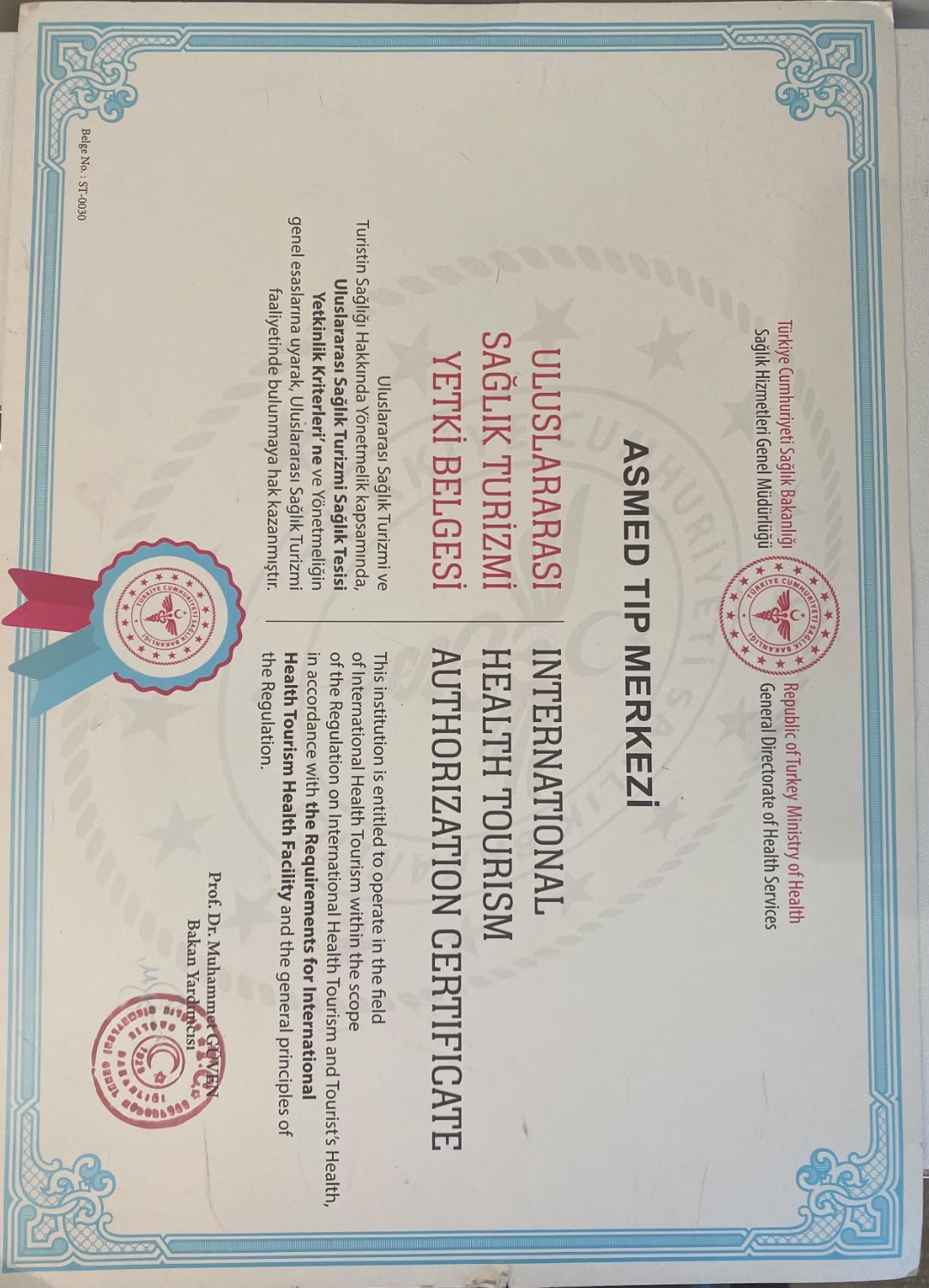
Uluslararası Sağlık Turizmi Yetkili Sağlık Tesisi
ASMED Tıp Merkezi, T.C. Sağlık Bakanlığı tarafından uluslararası sağlık turizmi alanında hizmet sunmak üzere yetkilendirilmiş bir sağlık tesisidir.
Sağlık Tesisi Sahibi: ASMED ÖZEL SAÇ EKİMİ SAĞLIK HİZMETLERİ A.Ş.
Yetki Belgesi No: ST-0030
International Health Tourism Authorized Healthcare Facility
ASMED Medical Center is a healthcare facility authorized by the Republic of Türkiye Ministry of Health to provide services in the field of international health tourism.
Owner and Operator: ASMED ÖZEL SAÇ EKİMİ SAĞLIK HİZMETLERİ A.Ş.
Authorization Certificate No.: ST-0030

Atatürk Mah. Sedef Caddesi No: 1/1 Ataşehir - İstanbul
Cookie Declaration - Update Date: 09.09.2026 - Editor: Ozer Erik - Tel: +90 216 464 11 11