Beta-Sitosterol for Hair Loss: Benefits and Side Effects
In case you have been on a hunt for a natural method of reducing hair fall, you would most probably have heard of beta-sitosterol. It is a naturally derived substance that has found many takers among individuals who are suffering from hair thinning due to various reasons, and not without cause because the mechanism involved is identical to that used by medications. Here, in this piece of writing, we will explore what beta-sitosterol is, how does it work, its advantages and limitations so that you can take an informed decision regarding it.
What Is Beta-Sitosterol?
Beta sitosterol is a phytosterol found in plants. The chemical structure of the molecule is remarkably similar to that of cholesterol. Fruits, vegetables, nuts, and seeds all contain beta sitosterol. The chemical is utilized in the production of medication.
Phytosterols are natural chemicals which exist within plant cell membranes and play a structurally similar role to the one played by cholesterol in animal cells. The structural similarities between the molecules of beta-sitosterol and cholesterol make the metabolism process for both very similar to each other, and it accounts for the health benefits provided by these substances to people. This substance is one of the most widely used phytosterols by humans.
What Is Beta-Sitosterol Used For?
Beta sitosterol is often used to treat heart disease and excessive cholesterol, as well as for other purposes such as immune system stimulation, treating HIV/AIDS, the common flu, migraines, asthma, and even hair loss.
By restricting the amount of cholesterol that can enter the body, beta-sitosterol may help lower cholesterol levels. Additionally, it can aid in reducing prostate and other tissue swelling. Beta-sitosterol is most frequently used by people to reduce cholesterol and treat the signs of an enlarged prostate (BPH). However, it is also used to treat male-pattern baldness, and many other illnesses. The two best evidence-supported applications of beta-sitosterol in both clinical and consumer settings have to do with cholesterol regulation and treating BPH, which includes symptoms like increased urinary frequency and flow rate. The use of beta-sitosterol in hair loss treatments is a relatively recent innovation with a growing body of evidence, though the mechanism behind its effectiveness is well established in the study of hair loss, which has to do with its ability to inhibit the production of DHT.
How Does Beta-Sitosterol Work for Hair Loss?
Beta-sitosterol is thought to stop hair loss by preventing the androgen DHT from being produced. Of course, before discussing how beta sitosterol stops hair loss, we should analyze the hair loss reasons to understand the context. Male pattern baldness, for instance, is caused by the androgen DHT, thus by halting production, hair loss should also stop or at least slow down. By blocking the enzyme 5-alpha reductase type II, beta-sitosterol stops hair loss. So, is beta-sitosterol scientifically capable of preventing hair loss?
Beta sitosterol and its direct connection to hair loss have not yet been the subject of scientific research. However, one study found that beta-sitosterol users who were evaluated had improved hair quality in around 60% of cases. Some respondents even reported they experienced hair regrowth improvements after just 4 months. As you could understand from the example, for the treatment to work, you must take the supplement over a prolonged period of time, and if you decide to stop taking the supplement the effects could stop and your hair loss problem could return.
Given the lack of sufficient data, it might be challenging to say with certainty whether a natural hair remedy can prevent or even reverse hair loss.
It is helpful for grasping the importance of DHT to be aware of its production process. The production of dihydrotestosterone occurs via an enzyme called 5-alpha reductase, which transforms testosterone into DHT. People who have a genetic propensity for male-pattern baldness will develop a sensitivity to DHT in certain areas of their scalp, where DHT binds to receptors and causes gradual miniaturization of hair follicles, until the hair growth cycle is shortened to the point that the follicle becomes unable to produce hair anymore. Beta-sitosterol acts as a partial inhibitor of 5-alpha reductase, thereby lowering the level of DHT capable of binding to the follicle receptors.
Beta-Sitosterol for Female Hair Loss
Whereas the discourse regarding beta-sitosterol and hair loss has mostly focused on men, there is also a significant number of females interested in using beta-sitosterol for their problem. Just like in males, females can suffer from androgenetic alopecia, otherwise known as female-pattern hair loss, which involves the contribution of dihydrotestosterone and other androgens along with various hormonal changes, nutrient deficiencies, and genetics. Although the process is slightly different in females, namely, thinning occurs diffusely at the crown without receding of the hairline, the mechanisms of hair follicle miniaturization are similar.
Because beta-sitosterol is a plant extract, it does not have the same contraindications as some medicines to treat hair loss due to hormones because of their harmful impact. However, it should be mentioned that there are less studies related to the treatment of women hair loss with beta-sitosterol, and women should not expect immediate effects from using it. If there is a need to use beta-sitosterol as part of your therapy, you should consult with a dermatologist or a trichologist, especially if there are certain hormonal disorders, like polycystic ovary syndrome.
It is recommended not to use beta-sitosterol while being pregnant or breastfeeding.
Beta-Sitosterol vs. Finasteride: How Do They Compare?
Finasteride is the most frequently prescribed medication in androgenetic alopecia therapy among males, which is an oral drug that acts as a blocker of 5-alpha reductase. At first sight, beta-sitosterol and finasteride may be considered similar treatments because they influence the 5-alpha reductase pathway; however, the comparison shows the distinctive features of both medications.
Finasteride is a highly selective and effective 5-alpha reductase type II inhibitor that proved its effectiveness in numerous randomized controlled trials that showed a decrease in hair loss and hair regrowth in the majority of patients. Beta-sitosterol is only an inhibitor of 5-alpha reductase; besides, there is not much evidence on its effectiveness in treating hair loss because the majority of research is conducted by supplements' manufacturers. However, the most popular study showed positive changes in the majority of patients; however, it is rather limited in its sample size.
However, an area where beta-sitosterol may hold an edge over finasteride is its safety profile. Finasteride is associated with the possibility of sexual adverse effects in some patients, namely reduced libido, and sometimes even after the treatment period in certain rare cases. This effect has been documented for finasteride but has not been reported for beta-sitosterol taken in normal dosages. Thus, in those who suffer from finasteride side effects or do not want to use medication, there is a milder choice available.
When hair loss is advanced or has been progressing for many years, neither beta-sitosterol nor finasteride can restore follicles that are no longer viable. In those cases, a surgical approach such as an FUE hair transplant may be the most reliable path to lasting restoration.
Beta-Sitosterol Side Effects and Safety Considerations
The use of beta-sitosterol at the doses found in food supplements has been reported to be relatively safe for most individuals using it. The majority of users have not experienced any form of undesirable effect after taking it. However, side effects are common but mild and include such symptoms as nausea, digestion problems, flatulence, and diarrhea especially when starting supplementation.
There are a number of considerations one needs to keep in mind while using beta-sitosterol. Firstly, beta-sitosterol should not be used by people suffering from sitosterolemia, an inherited disease whereby an individual has a tendency to absorb excess amounts of plant sterol. Secondly, people taking cholesterol lowering medicines like bile acid sequestrants and statins need to see their doctor before taking beta-sitosterol.
Beta-sitosterol being a weak modulator of androgen metabolism makes it imperative that people with hormone sensitive disorders such as specific prostate conditions and hormone receptor positive cancers consult with their physicians before use. There being no sufficient long term safety information at high doses makes it prudent to take the lowest possible dose.
Understanding the full picture of costs and options is important when planning any hair restoration journey. Whether you are weighing supplements, medications, or surgery, researching hair transplant cost alongside non-surgical alternatives can help you build a realistic, prioritized plan.
Is Beta-Sitosterol Effective Enough on Its Own?
This is perhaps the most practically important question for anyone considering beta-sitosterol for hair loss. The honest answer is: for most people, probably not on its own. Beta-sitosterol can be a meaningful part of a broader hair health strategy, especially at earlier stages of androgenetic alopecia when follicles are miniaturizing but still active. Its DHT-inhibiting properties, combined with its favorable safety profile and accessibility as an over-the-counter supplement, make it a reasonable first step or complement to other approaches.
Nevertheless, there is a low probability that it will work as effectively as clinically tested solutions like minoxidil or finasteride, especially when taken alone, since it does not reactivate follicles that no longer produce hair. The people that experience only slight hair thinning and wish to use a safer method could opt for beta-sitosterol. Those who are undergoing considerable hair loss, however, would most probably require some other treatment options to be considered.
The most effective strategy to slow down the progression and retain the bone density level will be the use of a multi-layered treatment including plant-based supplements such as beta-sitosterol along with an evidence-based therapy and other factors.
FAQs About Beta-Sitosterol and Hair Loss
How long does it take for beta-sitosterol to show results for hair loss?
The results differ, but the evidence available shows that a proper testing period should be about four to six months of regular consumption. In some cases mentioned in the cited research, individuals noticed an improvement in their hair condition after four months, but the process of hair growth is rather slow and demands patience from any type of treatment, be it a medication or a natural remedy.
Can women safely take beta-sitosterol for hair loss?
Beta-Sitosterol is considered safe for healthy women in their adulthood, when it is used in conventional supplemental amounts. There are no hormonal concerns associated with its usage, which may apply to hair loss medications, being contraindicated for women's health conditions. Still, it should be mentioned that there is not enough evidence to confirm the safety of Beta-Sitosterol in cases of female hair loss.
What foods are highest in beta-sitosterol?
There is a lot of Beta-sitosterol present in various kinds of plants found in our foods. Some of the best sources of this sterol include nuts like pistachios, almonds, and peanuts; seeds like pumpkin and sesame seeds; avocados; wheat germ; and vegetable oils like olive oil and rice bran oil. Vegetables and legumes also serve as good sources. It is quite difficult to acquire therapeutic levels of Beta-sitosterol from food intake; that is why it is usually supplemented to treat certain illnesses like baldness.
Does beta-sitosterol regrow hair or only prevent further loss?
It is believed that beta-sitosterol acts on stopping or slowing the process of hair loss; it does not grow back hair that has been lost. There were cases where some people experienced an improvement that could be attributed to hair growth, but this could only be because the follicles are active and undergoing miniaturization and not those which are dormant forever. It must be mentioned that if the intention of the user is to increase hair density in areas that have been bald for many years, then he might have to consider other means.
Can beta-sitosterol be taken alongside other hair loss treatments like minoxidil?
No known drug interactions exist between beta sitosterol and minoxidil. In any case, it is very logical to use minoxidil, which is a hair growth stimulator applied topically, together with a dietary supplement targeted at DHT because they operate on different levels. Nonetheless, if one uses various products for hair growth simultaneously, especially including prescriptions, it would be prudent to consult a dermatologist.
Contact the Asmed right away for a consultation if you would like additional details about hair restoration procedures. You could also find answers to common questions like "Does Vitamin D Deficiency Cause Hair Loss?" or "Does Alcohol Cause Hair Loss?" to correctly define the problem you are experiencing. Reach out to the Asmed team for more information!
Get a Free Consultation!
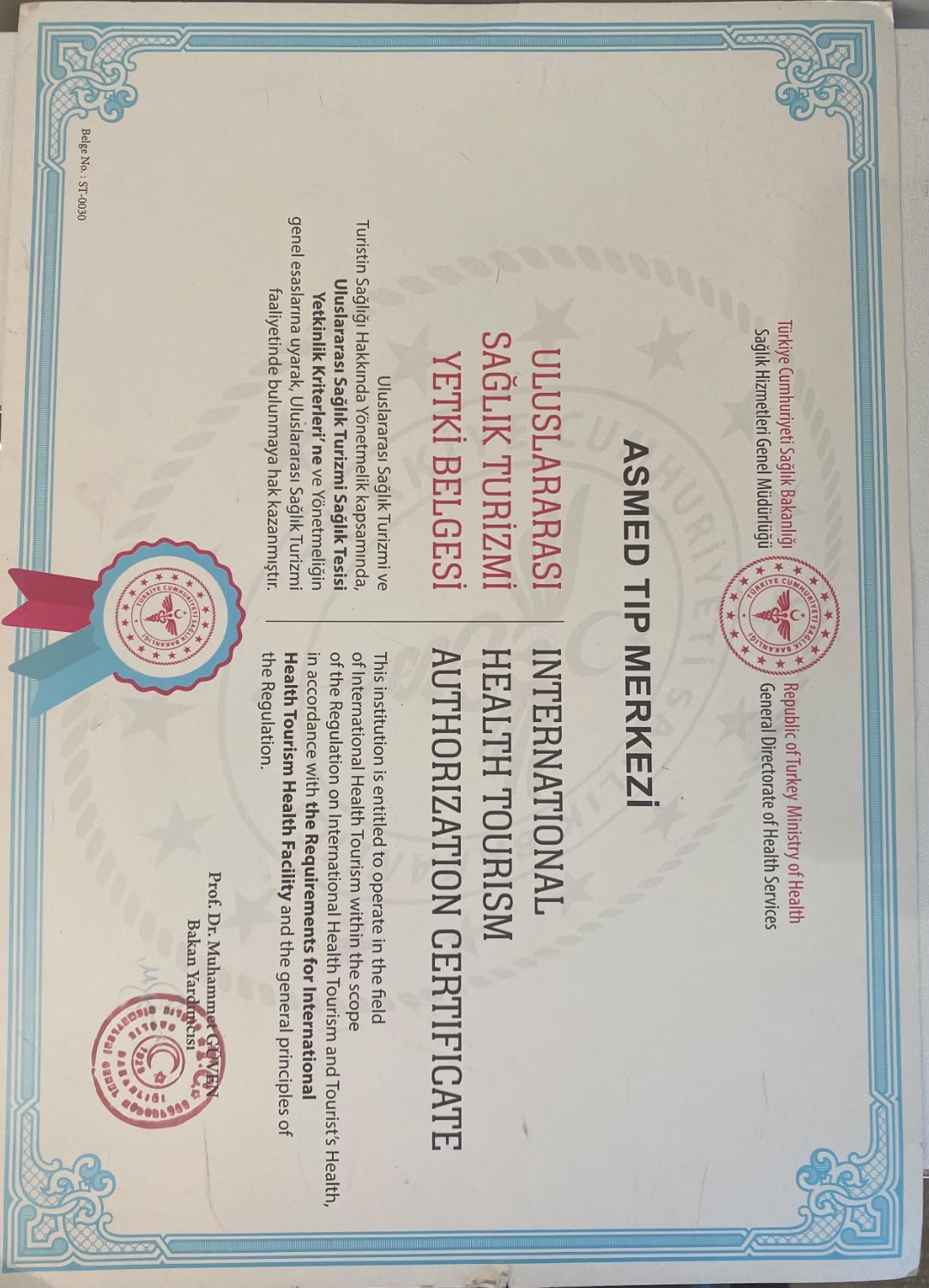
Uluslararası Sağlık Turizmi Yetkili Sağlık Tesisi
ASMED Tıp Merkezi, T.C. Sağlık Bakanlığı tarafından uluslararası sağlık turizmi alanında hizmet sunmak üzere yetkilendirilmiş bir sağlık tesisidir.
Sağlık Tesisi Sahibi: ASMED ÖZEL SAÇ EKİMİ SAĞLIK HİZMETLERİ A.Ş.
Yetki Belgesi No: ST-0030
International Health Tourism Authorized Healthcare Facility
ASMED Medical Center is a healthcare facility authorized by the Republic of Türkiye Ministry of Health to provide services in the field of international health tourism.
Owner and Operator: ASMED ÖZEL SAÇ EKİMİ SAĞLIK HİZMETLERİ A.Ş.
Authorization Certificate No.: ST-0030

Atatürk Mah. Sedef Caddesi No: 1/1 Ataşehir - İstanbul
Cookie Declaration - Update Date: 09.09.2026 - Editor: Ozer Erik - Tel: +90 216 464 11 11