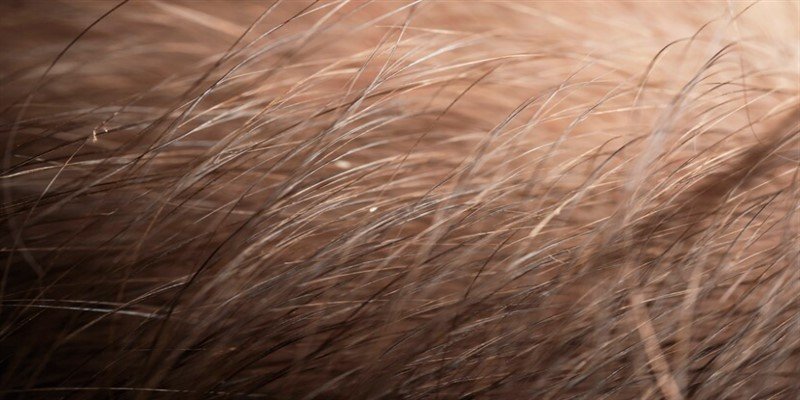
Ingrown Hair: Symptoms, Causes and Treatment
When hair grows within instead of outward, it is called an ingrown hair. No one likes the redness, pain, and possible infection that ingrown hairs can bring if they are not treated properly.
Here, you can check what to do to prevent ingrown hair.
What is Ingrown Hair?
Ingrown hair occurs when a hair grows back into the skin instead of rising up from it. This can happen due to shaving, waxing, or even naturally curly hair. In some cases, ingrown hair after FUE or other hair transplant procedures can occur as the new follicles adjust to their new environment. While often harmless, ingrown hair can cause discomfort, redness, and sometimes infection if left untreated.
How To Prevent Ingrown Hair
Prevention is better than cure when it comes to ingrown hair. It's so much better to prevent a problem than to treat that health issue. Here, we have listed some ways to prevent ingrown hair. These preventive measures can also double as tips for healthy hair.
Shaving and waxing are major contributors to ingrown hairs. As you shave, the hair is cut close to the skin, leaving a smooth, sharp edge. If you shave your head and the hair starts to grow back in, it might become entangled in the process and grow back into the skin. While shaving, always go in the direction of hair growth and use a sharp razor to avoid ingrown hairs.
You should be careful as you shave or wax your hair because it is very easy to irritate your scalp and other skin areas while doing these. Thus, use a better
Exfoliating often is another method for preventing ingrown hairs. Dead skin cells can build up on the skin's surface and make it more challenging for hair to penetrate. Ingrown hair can also happen as a result of a hair transplant. If it's not done right, a hair transplant can end up with ingrown hairs. However, in Asmed, our professionals are ready to assist you with anything you might need after a hair transplant. A hair transplant turkey costs somewhere around $2,000 and $5,000. You can book an appointment easily through our website and learn more about the procedure.
What are the Symptoms of Ingrown Hair?
Recognizing ingrown hair symptoms is essential for proper care. Common signs include small, red bumps on the skin, itching, tenderness, and sometimes pus-filled lesions. In patients experiencing ingrown hair after hair transplant surgery, these bumps can appear around the grafted area. Understanding the difference between normal post-transplant healing and ingrown hairs is key to preventing complications.
What Causes Ingrown Hair?
Ingrown hair causes vary from skin type to hair care practices. Tight clothing, improper shaving, and curly or coarse hair increase the likelihood of hairs curling back into the skin. Ingrown hair after transplant may occur when newly implanted follicles grow at an angle or when dead skin blocks the hair from emerging. Other contributing factors include dry skin, inflammation, and poor post-operative care.
Is Ingrown Hair Contagious?
No, ingrown hair is not contagious. It is a physical condition that results from hair growth patterns and skin response rather than a bacterial or viral infection. However, secondary infections can occur if bacteria enter irritated areas, making proper hygiene and careful handling crucial.
Does Ingrown Hair Cause Hair Loss?
Typically, ingrown hair does not cause permanent hair loss. However, repeated irritation or infection around the follicles can damage hair growth temporarily. In severe cases, scarring may occur, but this is uncommon, especially when proper treatment is applied promptly.
Can Hair Transplant Fix Hair Loss Due To Ingrown Hair?
Hair transplant procedures, such as FUE, can help restore areas affected by hair thinning or loss. While ingrown hair itself rarely causes extensive bald spots, transplant surgery can improve scalp density and overall appearance if prior irritation or follicle damage has led to localized hair loss.
How to Deal With Ingrown Hair After Hair Transplant?
Managing ingrown hair after transplant involves gentle care and proper hygiene. Avoid scratching or squeezing the bumps, as this may cause infection. Topical treatments or mild exfoliation can help hairs break through the skin. In more stubborn cases, medical intervention may be necessary to remove the ingrown hair safely. Regular follow-ups with your hair restoration specialist ensure proper monitoring and minimize risks.
Getting Rid of Ingrown Hairs
If you have ingrown hair, the first thing you should do is resist the urge to pop or cut it. This might potentially lead to increased inflammation or an infection. Instead, try putting a warm compress on the area with the ingrown hair.
One of the ways to also improve hair growth and prevent ingrown hair is to expose your hair sufficiently to sunlight. If you ask does sunlight helps hair growth, the answer is yes. The sun provides a dose of vitamin D that helps create new hair follicles that facilitate the growth of your hair.
At ASMED Surgical Medical Center, advanced FUE hair transplant technology is combined with precise digital scalp analysis and innovative robotic systems to ensure optimal results. Under the expertise of Dr. Koray Erdogan, ASMED’s approach blends science, artistry, and real-time surgical adjustments, offering natural, uniform hair restoration outcomes. The clinic’s commitment to patient education, innovative techniques, and meticulous planning makes it one of the leading hair restoration centers in Turkey and globally. Patients receive tailored solutions with world-class precision, ensuring that both appearance and confidence are fully restored.
Get a Free Consultation!
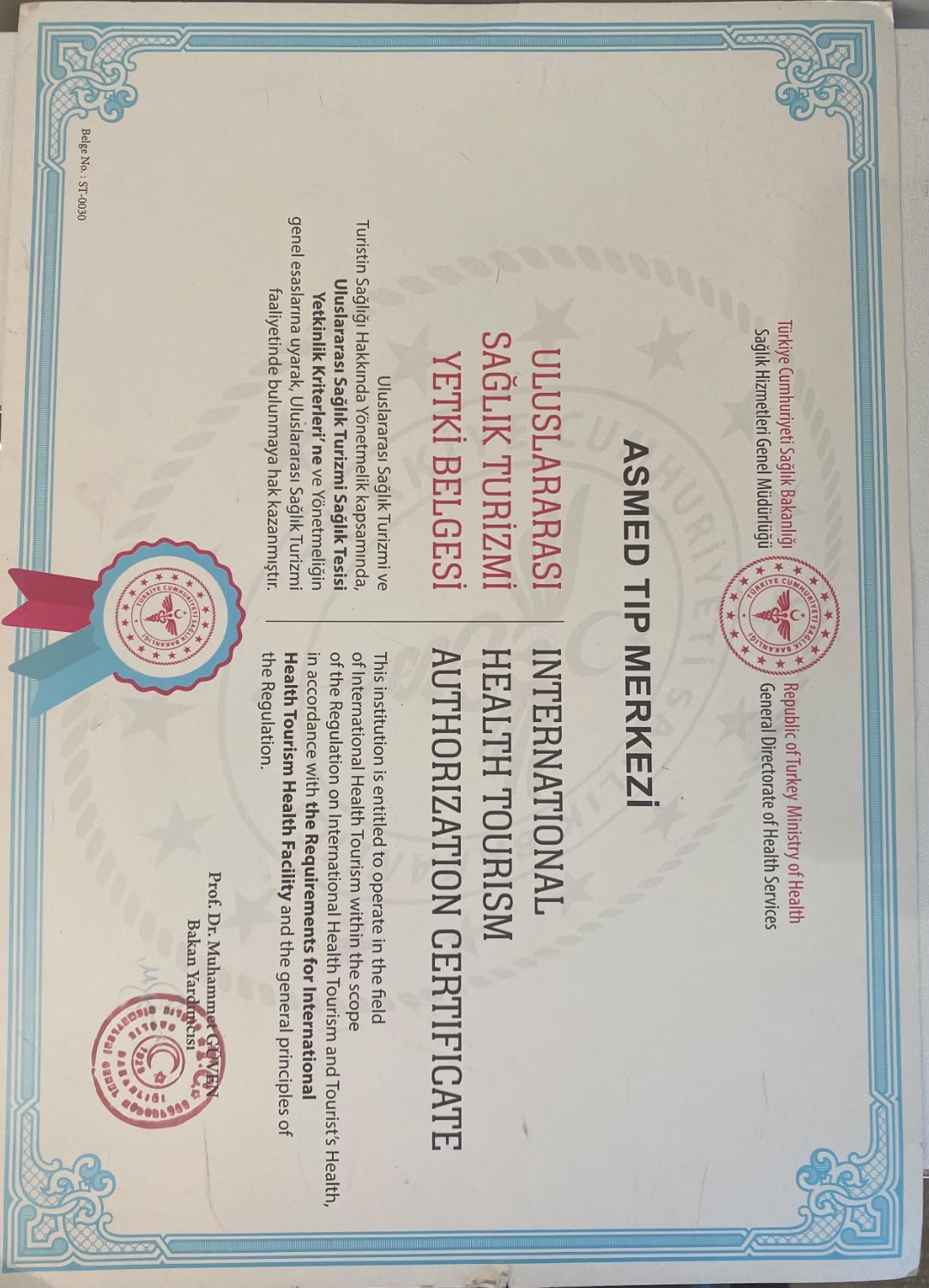
Uluslararası Sağlık Turizmi Yetkili Sağlık Tesisi
ASMED Tıp Merkezi, T.C. Sağlık Bakanlığı tarafından uluslararası sağlık turizmi alanında hizmet sunmak üzere yetkilendirilmiş bir sağlık tesisidir.
Sağlık Tesisi Sahibi: ASMED ÖZEL SAÇ EKİMİ SAĞLIK HİZMETLERİ A.Ş.
Yetki Belgesi No: ST-0030
International Health Tourism Authorized Healthcare Facility
ASMED Medical Center is a healthcare facility authorized by the Republic of Türkiye Ministry of Health to provide services in the field of international health tourism.
Owner and Operator: ASMED ÖZEL SAÇ EKİMİ SAĞLIK HİZMETLERİ A.Ş.
Authorization Certificate No.: ST-0030

Atatürk Mah. Sedef Caddesi No: 1/1 Ataşehir - İstanbul
Cookie Declaration - Update Date: 09.09.2026 - Editor: Ozer Erik - Tel: +90 216 464 11 11