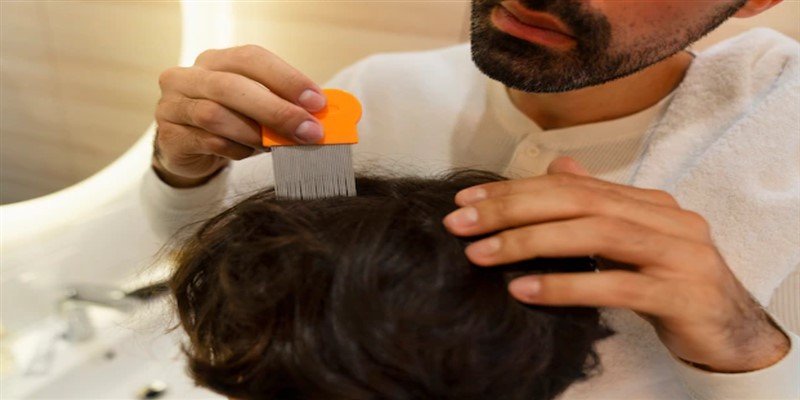
How to Get Rid of Scalp Build Up? Causes and Treatment
Scalp buildup is a disorder when one or more substances, including sweat, chemicals, dead skin cells, debris, hair products, and sebum or scalp oils, accumulate on the scalp over time to create a thin, irritating layer.
Your buildup on your scalp may eventually cause different scalp infections when bacteria feed on it. Itchy scalp can be one of the causes of hair loss. Additionally, the accumulation on your shoulders and hair flakes off like dandruff. Infants are most likely to develop a cradle cap, which is characterized by thick, yellow spots on the head.
What is Scalp Build Up?
Scalp build up occurs when oils, dead skin cells, hair products, and environmental debris accumulate on the scalp. Over time, this layer can block hair follicles, leading to reduced hair growth and irritation. Common triggers include heavy styling products, infrequent washing, and skin conditions such as dandruff or seborrheic dermatitis. Understanding what causes scalp build up is the first step toward prevention and treatment.
What Does Scalp Build Up Look Like?
What does scalp buildup look like? It often appears as visible flakes or a greasy layer on the scalp, sometimes mistaken for dandruff. Hair may look dull, limp, or sticky, and washing may not immediately remove the residue. Recognizing it early helps prevent more serious hair issues.
Symptoms of Scalp Build Up
Common symptoms of scalp build up include itching or irritation, flaking or scaling, an oily or greasy scalp, dull and lifeless hair, and occasional hair shedding. When left untreated, dead skin build up on the scalp can block hair follicles and interfere with healthy hair growth, increasing the risk of scalp build up hair loss over time.
Can Scalp Buildup Cause Hair Loss?
If left untreated, scalp buildup may result in bacterial or fungal infection-induced irritation of the hair follicles. Scalp folliculitis is the condition's name, which finally causes scarring or permanent hair loss. Additionally, the accumulation prevents the scalp and hair tissues from absorbing moisture and nutrients. Your scalp and hair become dry and undernourished as a result of hair loss reason.
Causes of Scalp Buildup
To properly cure your scalp accumulation, you must determine its sources. The causes of your scalp buildup can be divided into two categories: natural scalp buildup and product scalp buildup.
Natural buildup
On the scalp, natural accumulation is caused by several variables. They are sweat, sebum, and dead skin cells.
Dead skin cells
Your body's skin cells are constantly dividing and replacing themselves. They are intended to shed when they pass away. Therefore, the old ones should die off and be replaced by new ones. However, for some individuals, the dead skin cells do not shed quickly enough, which can result in a buildup on your scalp. An accumulation of dead skin cells often causes flakes that fall from your scalp.
Sweat
Your scalp also produces dead skin and sweat. This may increase the accumulation on your scalp.
Some people perspire more than others by nature. Additionally, if you exercise a lot, you might sweat more than the average person. As a result, hair that is frequently oily and may smell bad comes from a sweaty scalp.
Sebum
When the Kapha dosha in your body rises, your body produces abnormally high amounts of sebum, which causes it to build up on your scalp.
Product Buildup
To get the finest results from your hair, you may have to spend a lot on style creams, sprays, serums, shampoos, and conditioners. However, some of these items could exacerbate the problem and cause accumulation and irritation on the scalp. These products also leave dangerous chemical residues on your scalp and hair for a longer period, including gummy waxes, silicons, oily moisturizers, and more.
Can you prevent scalp buildup?
Keep your hair healthy.
Avoid letting your hair dry out. But, again, preventing the usage of dangerous chemicals, including chemical straighteners, is necessary here.
Wash your hair after exercising.
You perspire via your scalp while working out. If you let it stay, this may cause accumulation on your scalp. Washing your hair after each workout will help to prevent buildup.
Too many chemicals accumulating on the scalp might lead to scalp buildup. Unfortunately, due to significant similarities in symptoms between the two illnesses, it is frequently mistaken for dandruff.
These ailments are distinct from one another, though, and call for various therapeutic approaches. For example, scalp accumulation can be prevented and treated by maintaining healthy hair through appropriate cleanliness and a suitable hair care routine.
How to Get Rid Of Scalp Build Up?
Effectively removing scalp build up involves proper cleansing and exfoliation. Using clarifying or anti-residue shampoos once or twice a week helps remove accumulated oils and product residue. Gently massaging the scalp lifts dead skin and further clears blocked follicles. Limiting heavy styling products that contribute to buildup and maintaining a consistent washing routine tailored to your hair type are also essential. Together, these steps form the foundation of a healthy scalp build up treatment routine.
Scalp Build Up Treatment
Treatment focuses on cleansing, exfoliating, and maintaining scalp health. Anti-dandruff or medicated shampoos can be helpful if there is an underlying scalp condition. Keeping hair and scalp clean prevents blockage of follicles and supports normal hair growth, reducing the risk of hair loss due to scalp build up.
Can A Hair Transplant Fix Hair Loss Due to Scalp Build Up?
If scalp build up hair loss has caused significant thinning, a hair transplant can restore the hair density in affected areas. However, addressing the underlying buildup is crucial before any surgical intervention. Once the scalp is healthy, transplantation ensures natural, long-lasting results.
Restoring Scalp and Hair Health at ASMED
At ASMED Surgical Medical Center, we combine precise scalp analysis with advanced hair restoration techniques to address thinning caused by scalp conditions. By evaluating scalp build up and its effects, our team tailors treatments that not only restore hair but also improve overall scalp health. Using advanced FUE Hair Transplant technology, meticulous planning, and innovative surgical methods, we help patients regain natural density and confidence. Our approach focuses on lasting results, ensuring that hair remains healthy, strong, and vibrant long after the procedure.
In addition to what the article has provided, you can visit the Asmed page or contact Asmed professionals to learn more about how to remove scalp accumulation or how to get a hair transplant in turkey.
Get a Free Consultation!
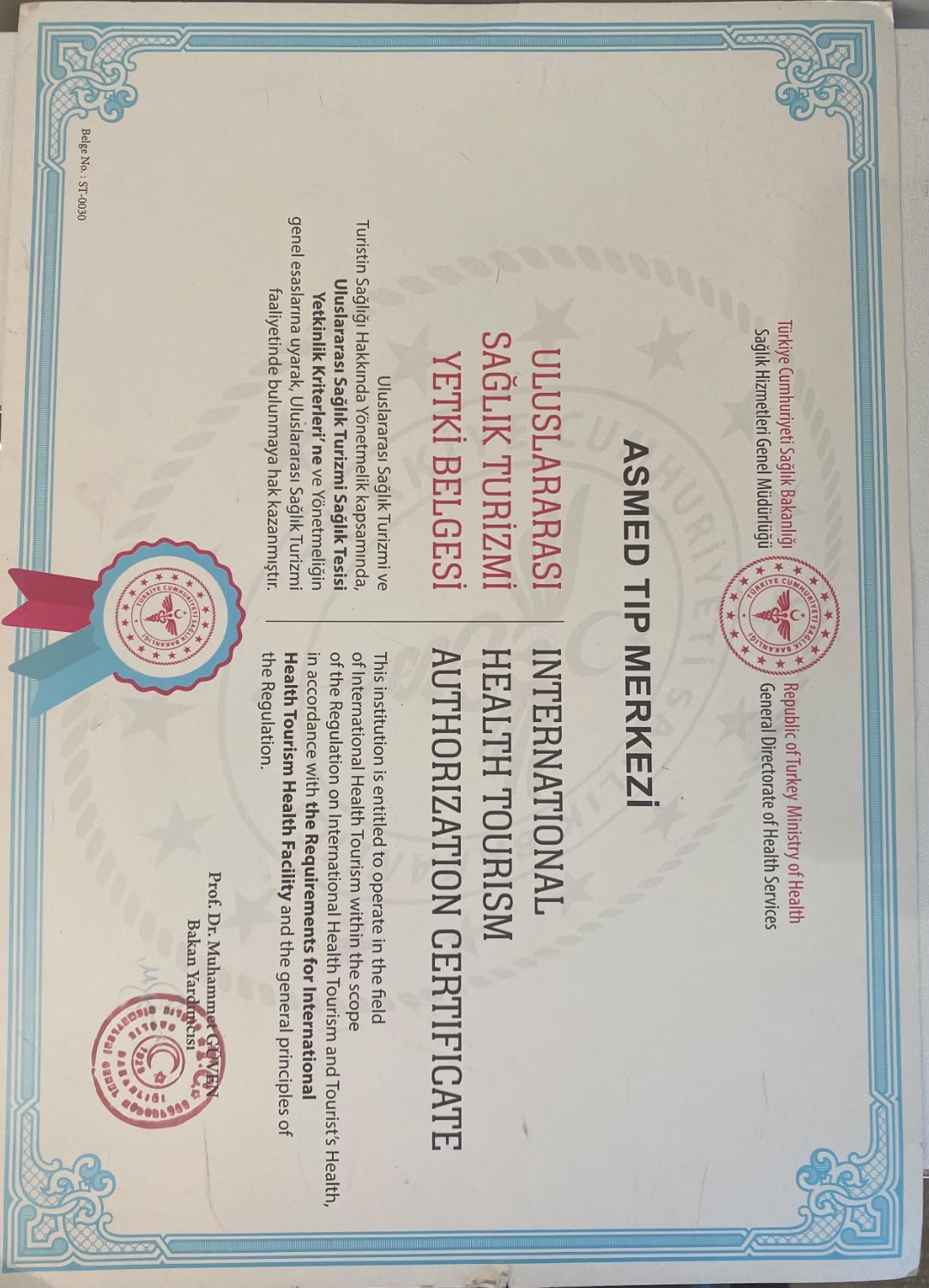
Uluslararası Sağlık Turizmi Yetkili Sağlık Tesisi
ASMED Tıp Merkezi, T.C. Sağlık Bakanlığı tarafından uluslararası sağlık turizmi alanında hizmet sunmak üzere yetkilendirilmiş bir sağlık tesisidir.
Sağlık Tesisi Sahibi: ASMED ÖZEL SAÇ EKİMİ SAĞLIK HİZMETLERİ A.Ş.
Yetki Belgesi No: ST-0030
International Health Tourism Authorized Healthcare Facility
ASMED Medical Center is a healthcare facility authorized by the Republic of Türkiye Ministry of Health to provide services in the field of international health tourism.
Owner and Operator: ASMED ÖZEL SAÇ EKİMİ SAĞLIK HİZMETLERİ A.Ş.
Authorization Certificate No.: ST-0030

Atatürk Mah. Sedef Caddesi No: 1/1 Ataşehir - İstanbul
Cookie Declaration - Update Date: 09.09.2026 - Editor: Ozer Erik - Tel: +90 216 464 11 11