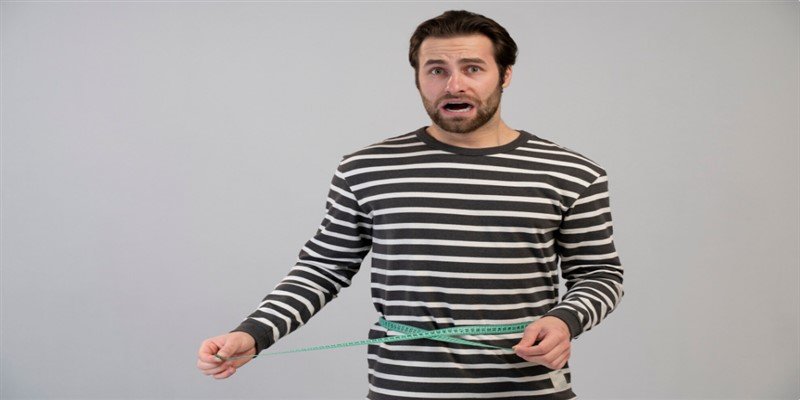
Weight Loss and Hair Loss: Causes, Symptoms & Treatments
Weight Loss and Hair Loss
Weight loss can feel empowering, your energy rises, your confidence shifts, and you feel more in control of your body. But for many people, an unexpected side effect appears along the way: hair loss. The connection between weight loss and hair loss is more common than most assume. Whether the weight drop comes from diet changes, calorie restriction, stress, or medical reasons, your hair can respond dramatically.
Understanding why hair loss from weight loss happens gives you an advantage. With the right information, you can protect your hair, support regrowth, and make healthier decisions throughout your transformation journey.
Does Losing Weight Cause Hair Loss?
Yes, It can, especially if the change is rapid. When the body experiences calorie shortages, nutrient deficiencies, sudden shifts in hormone levels, or metabolic stress, it redirects energy toward essential functions. Hair growth isn’t considered “essential,” so the follicles enter a resting phase known as telogen effluvium.
During telogen effluvium, hair sheds more than normal, sometimes in large amounts. This usually happens 2–3 months after a major dietary change or weight drop. The good news? This form of hair loss after weight loss is often temporary once the underlying cause is addressed.
Symptoms of Hair Loss Due to Weight Loss
If you’re experiencing hair loss due to weight loss, the signs may develop gradually or hit suddenly. Common symptoms include:
- Noticeable shedding during showering or brushing
- Widening part lines
- Thinning on the crown, temples, or overall scalp
- Hair feeling weaker, drier, or more brittle
- Slower regrowth
Some people also notice shedding in diffuse areas rather than specific patches, which is typical of telogen effluvium. If the symptoms last more than six months, an underlying deficiency or hormonal imbalance may be contributing.
Causes of Hair Loss From Weight Loss
To understand hair loss from losing weight, it helps to look at the main triggers:
1. Nutrient Deficiencies
Rapid dieting reduces vital nutrients such as iron, zinc, vitamin D, biotin, and protein, all crucial for hair growth. If your diet becomes restrictive or unbalanced, the follicles suffer. Protein deficiency and hair loss are closely linked, as insufficient protein can weaken hair structure and increase shedding.
2. Severe Calorie Restriction
When calories drop drastically, the body conserves energy by slowing non-essential processes. Hair growth is one of the first functions affected.
3. Sudden Weight Changes
The body perceives fast weight loss as physical stress. This stress triggers hormonal responses that push hair follicles into a shedding phase.
4. Bariatric Surgery
Weight-loss surgeries often lead to temporary telogen effluvium due to nutrient malabsorption.
5. Hormonal Fluctuations
Changes in thyroid function, insulin sensitivity, and cortisol can all influence hair density.
6. Intense Exercise Routines
Excessive training without adequate nutritional support increases stress hormones and contributes to shedding.
7. Eating Disorders
Conditions such as anorexia or bulimia severely reduce the body’s access to nutrients, often leading to significant hair thinning.
How Common Is Hair Loss Due To Weight Loss?
Much more common than people think. Studies estimate that up to 50% of individuals who lose weight rapidly or follow strict diets experience some level of shedding. Women often notice it more visibly, but men experience it at similar rates.
Thankfully, hair loss due to weight loss is usually temporary—as long as the root cause is corrected early. For many individuals, the strong link between diet and hair loss becomes evident during rapid weight changes, making professional guidance even more essential.
How to Prevent Hair Loss From Losing Weight?
Here’s how to protect your hair while pursuing your fitness goals:
1. Avoid Crash Diets
Stick to gradual weight loss around 0.5 to 1 kg per week is considered safe.
2. Prioritize Protein
Hair is made of keratin, a protein. Add lean meats, eggs, dairy, legumes, and nuts to support growth.
3. Support Your Micronutrients
Focus on:
- Iron-rich foods (spinach, red meat, lentils)
- Zinc sources (seafood, seeds, lentils)
- Omega-3s (salmon, walnuts, chia seeds)
- Vitamin D and B-complex vitamins.
4. Manage Stress Levels
Meditation, yoga, balanced routines, and proper rest help reduce hormonal stress.
5. Consider Supplements
Only after consulting a doctor—blood tests help identify what’s missing.
6. Keep Your Diet Balanced
Avoid eliminating entire food groups unless guided by a nutritionist.
7. Stay Hydrated
Dehydration affects hair texture and strength.
8. Support Scalp Health
Use gentler shampoos, avoid tight hairstyles, and reduce heat styling during shedding phases.
With a mindful approach, you can reduce the risk of hair loss from losing weight and maintain healthy, strong growth.
Can Hair Loss From Weight Loss Be Reversed?
In most cases yes. Once the cause is treated, hair follicles usually return to the growth phase within a few months. Regrowth may take time, typically 6–12 months. You can speed up recovery by:
- Restoring nutrients
- Increasing protein intake
- Managing stress
- Improving scalp care
- Using clinically proven treatments such as minoxidil (under professional supervision)
If shedding continues beyond one year or if the hairline shows pattern thinning, it may indicate genetic hair loss (androgenetic alopecia), which requires targeted treatment.
Can A Hair Transplant Fix Hair Loss Due To Weight Loss?
A hair transplant is not usually the first step for telogen effluvium caused by dieting or stress. Because the condition is temporary, the priority is addressing the triggers. Once the shedding phase ends and hair stabilizes, most patients don’t need surgery.
However, if weight loss triggers or accelerates genetic pattern hair loss, a transplant may be an excellent solution. In such cases, high-level surgical planning is crucial to restore density and natural balance. Clinics like ASMED specialize in identifying the difference between temporary shedding and permanent loss through advanced digital analysis and personalized assessments.
Choose Asmed for Hair Loss
If your shedding began after dieting or rapid weight changes, understanding the cause is only the first step. What truly matters is working with a clinic that can distinguish temporary telogen effluvium from long-term pattern hair loss and guide you toward the right solution.
That’s where ASMED’s expertise becomes invaluable. Using advanced digital scalp analysis, precise Coverage Value measurements, and Dr. Koray Erdogan’s globally recognized FUE Hair Transplant techniques.
ASMED evaluates hair health with scientific accuracy. Whether your goal is monitoring recovery after weight-related shedding or planning strategic restoration for areas that no longer regrow, the ASMED team blends technology, mathematics, and artistry to create natural, lasting results. For anyone seeking clarity, confidence, and a personalized approach to hair restoration, ASMED stands as one of the most trusted and innovative centers in Turkey and worldwide. For many international patients searching for hair transplant Turkey options, ASMED represents a benchmark of quality, innovation, and unparalleled medical expertise.
Get a Free Consultation!
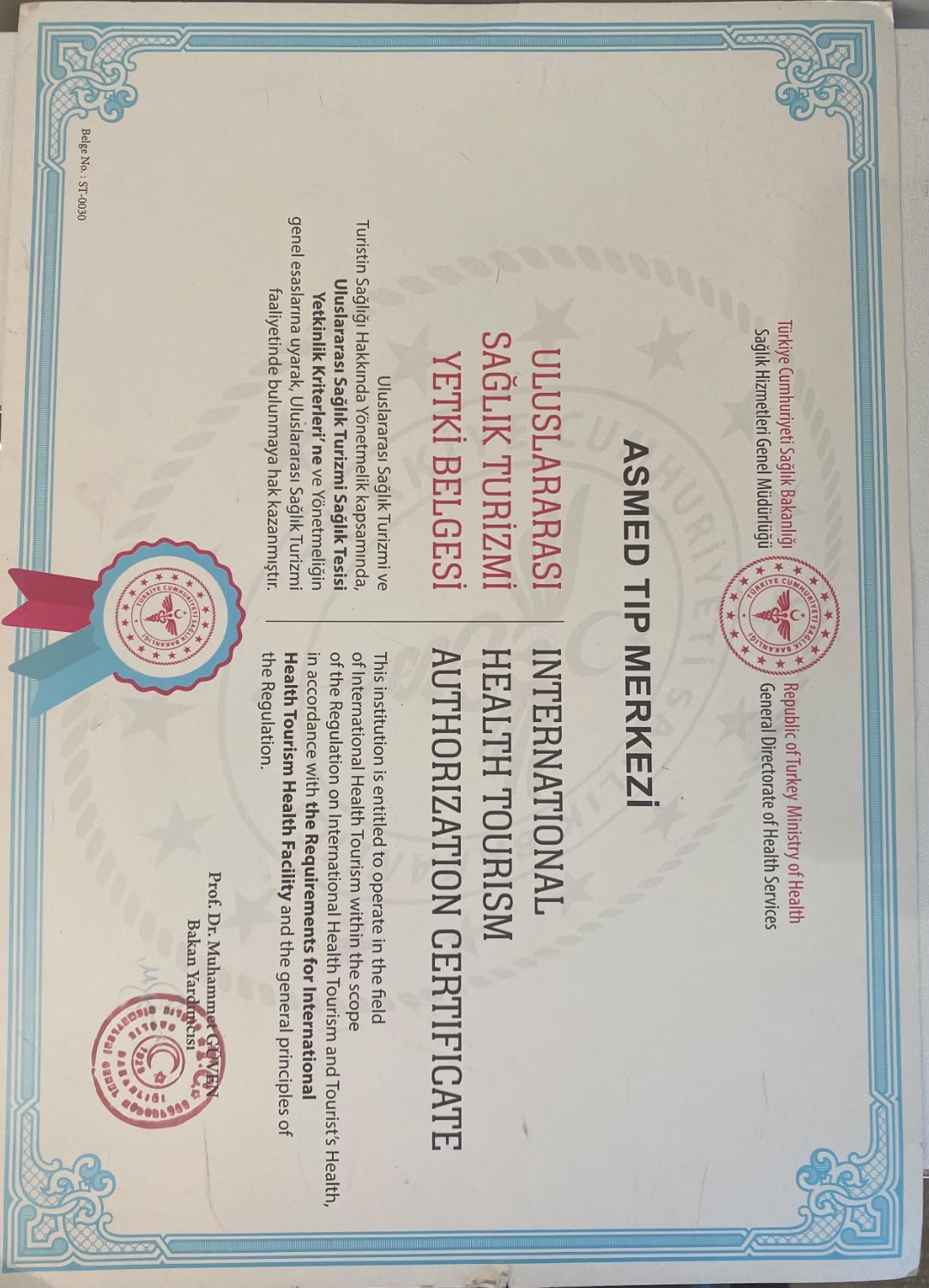
Uluslararası Sağlık Turizmi Yetkili Sağlık Tesisi
ASMED Tıp Merkezi, T.C. Sağlık Bakanlığı tarafından uluslararası sağlık turizmi alanında hizmet sunmak üzere yetkilendirilmiş bir sağlık tesisidir.
Sağlık Tesisi Sahibi: ASMED ÖZEL SAÇ EKİMİ SAĞLIK HİZMETLERİ A.Ş.
Yetki Belgesi No: ST-0030
International Health Tourism Authorized Healthcare Facility
ASMED Medical Center is a healthcare facility authorized by the Republic of Türkiye Ministry of Health to provide services in the field of international health tourism.
Owner and Operator: ASMED ÖZEL SAÇ EKİMİ SAĞLIK HİZMETLERİ A.Ş.
Authorization Certificate No.: ST-0030

Atatürk Mah. Sedef Caddesi No: 1/1 Ataşehir - İstanbul
Cookie Declaration - Update Date: 09.09.2026 - Editor: Ozer Erik - Tel: +90 216 464 11 11