
Diet and Hair Loss: Causes, Symptoms and Treatments
Diet and Hair Loss
Your diet plays a crucial role in your overall health, including the health of your hair. Hair follicles are highly sensitive to nutrient deficiencies, hormonal imbalances, and metabolic changes. When your body lacks essential vitamins, minerals, or proteins, hair growth can slow, and shedding may increase. Questions like does diet affect hair loss and can your diet affect your hair are common among people experiencing unexpected hair thinning. Hair is a reflection of your overall nutrition. Poor dietary habits, crash diets, and unbalanced nutrition can trigger changes in hair density, thickness, and growth cycles. Even temporary dietary deficiencies can cause noticeable shedding over time. Understanding the connection between nutrition and hair health is the first step in preventing hair loss due to diet.
Does Diet Cause Hair Loss?
Yes, diet can directly influence hair growth. Can diet cause hair loss? Absolutely. Hair is made primarily of keratin, a protein, and requires various nutrients to maintain strength and growth. Diets low in protein, iron, zinc, or vitamins like B12, D, and biotin can lead to hair loss due to poor diet.
Extreme calorie restriction, fad diets, and unbalanced eating patterns often trigger telogen effluvium, a condition where hair follicles enter a resting phase prematurely. In these cases, shedding becomes noticeable within a few weeks to months. Understanding that hair loss due to diet is often temporary can help reduce stress and guide proper nutritional intervention.
How Does Diet Affect Your Hair Health?
Knowing how diet affects hair loss is essential for prevention. Nutrient deficiencies can weaken hair structure, slow growth, and increase fragility. Protein supports follicle development, while iron transports oxygen to follicles. Vitamins like A, C, D, and E enhance follicle health, and biotin is essential for keratin production.
Healthy fats, such as omega-3 fatty acids, maintain scalp moisture and reduce inflammation, supporting stronger, shinier hair. Conversely, diets high in sugar, processed foods, and unhealthy fats can contribute to follicle stress, scalp issues, and hair loss due to diet. A well-balanced diet ensures follicles remain in the active growth phase and reduces excessive shedding.
Symptoms of Hair Loss Due to Diet
Hair loss caused by dietary deficiencies often appears subtly at first:
- Excessive shedding during washing or brushing
- Noticeable thinning along the hairline or crown
- Brittle, dry, or dull strands
- Reduced hair volume and slower regrowth
- Changes in hair texture, such as frizziness or split ends
Recognizing these early signs can help address deficiencies before permanent damage occurs.
What are the Causes of Hair Loss Due To Diet?
Several factors contribute to hair loss due to diet:
- Protein deficiency: Hair is made of protein; insufficient intake slows growth and increases shedding.
- Iron deficiency: Iron carries oxygen to hair follicles; low levels lead to thinning and breakage.
- Vitamin and mineral deficiencies: Lack of zinc, biotin, vitamin D, or B12 weakens hair strength.
- Crash diets and calorie restriction: Sudden reductions in calories can trigger telogen effluvium.
- Imbalanced diets: Excess sugar, processed foods, or insufficient healthy fats impact follicle function.
- Chronic malnutrition or digestive issues: Conditions that reduce nutrient absorption can indirectly cause hair thinning.
How Common Is Hair Loss Due To Diets? Hair loss due to dietary issues is more common than many realize. Research indicates that nutritional deficiencies contribute to a significant percentage of hair thinning cases worldwide. Young adults, women following strict fad diets, vegetarians without supplementation, and individuals with chronic digestive disorders are particularly at risk. Even mild deficiencies, if prolonged, can lead to noticeable hair shedding over months.
How To Prevent Hair Loss From a Diet?
Preventing hair loss from diet begins with a balanced and nutrient-rich eating plan:
- Include lean proteins: eggs, fish, poultry, legumes
- Consume iron-rich foods: spinach, lentils, red meat
- Eat foods rich in vitamins A, C, D, and E: fruits, vegetables, nuts
- Add healthy fats: avocados, nuts, seeds, olive oil
- Stay hydrated: water supports follicle health
- Limit processed foods, refined sugars, and artificial additives
Consistent healthy eating, along with stress management and proper hair care, reduces the risk of hair loss due to poor diet.
Can Hair Loss From Diet Be Reversed?
Yes, in most cases, hair loss due to diet is reversible, especially when addressed early. Once nutritional deficiencies are identified and corrected, hair follicles can gradually return to the active anagen (growth) phase. However, regrowth is not immediate, hair grows slowly, typically around 1 to 1.5 centimeters per month, so visible improvements may take several months. Patience and consistency are key during this recovery period.
Correcting hair loss caused by diet involves more than simply taking supplements. A balanced, nutrient-rich diet that includes sufficient protein, iron, zinc, biotin, omega-3 fatty acids, and vitamins A, C, D, and E is essential for supporting follicle health. Maintaining proper hydration also plays a critical role in keeping hair strong and resilient.
In addition to dietary changes, proper scalp care can accelerate regrowth. Gentle washing, avoiding harsh chemicals, reducing heat styling, and massaging the scalp to improve blood circulation can help follicles receive the nutrients they need. Stress management, regular exercise, and adequate sleep also contribute to a healthier hair cycle, as chronic stress or fatigue can exacerbate shedding.
For individuals with severe or prolonged nutrient deficiencies, targeted supplementation under the guidance of a healthcare professional may be recommended. Multivitamins, iron supplements, biotin, or other tailored solutions can help restore levels more quickly, supporting optimal hair growth.
It’s important to note that while hair loss due to diet is usually temporary, early intervention significantly increases the chances of full recovery. If dietary improvements are delayed for months or years, some follicles may become dormant, leading to slower regrowth or incomplete restoration. By acting promptly, you can restore not only the thickness and volume of your hair but also its natural shine and strength.
In cases where diet-related hair loss has resulted in permanent thinning, medical treatments such as PRP therapy or hair transplant procedures can complement nutritional recovery, offering long-term solutions and restoring confidence.
Can A Hair Transplant Fix Hair Loss Due To Diet?
If hair loss due to diet becomes permanent, such as in prolonged malnutrition cases, a hair transplant can restore natural density. Clinics specializing in FUE hair transplant procedures, like ASMED Surgical Medical Center, use advanced digital analysis and precise follicle placement to achieve natural, long-lasting results.
At ASMED, Dr. Koray Erdogan combines scientific, mathematical, and artistic approaches to ensure optimal outcomes. From digital scalp analysis to precise implantation, patients regain natural-looking hair while maintaining healthy hair follicle function. Hair transplants at ASMED are ideal for those whose hair thinning has not responded to nutritional intervention, providing a permanent solution for hair loss caused by dietary issues.
Get a Free Consultation!
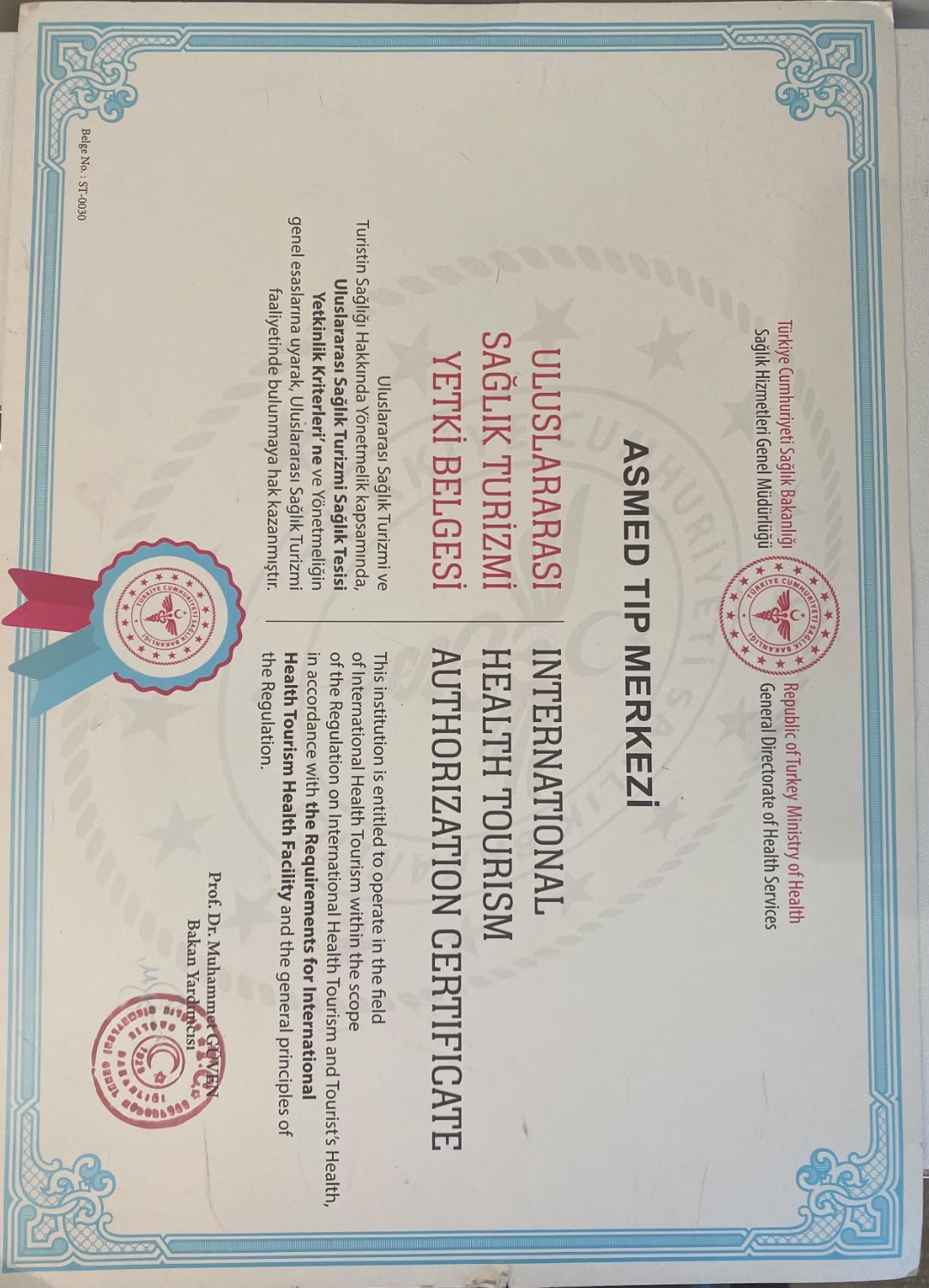
Uluslararası Sağlık Turizmi Yetkili Sağlık Tesisi
ASMED Tıp Merkezi, T.C. Sağlık Bakanlığı tarafından uluslararası sağlık turizmi alanında hizmet sunmak üzere yetkilendirilmiş bir sağlık tesisidir.
Sağlık Tesisi Sahibi: ASMED ÖZEL SAÇ EKİMİ SAĞLIK HİZMETLERİ A.Ş.
Yetki Belgesi No: ST-0030
International Health Tourism Authorized Healthcare Facility
ASMED Medical Center is a healthcare facility authorized by the Republic of Türkiye Ministry of Health to provide services in the field of international health tourism.
Owner and Operator: ASMED ÖZEL SAÇ EKİMİ SAĞLIK HİZMETLERİ A.Ş.
Authorization Certificate No.: ST-0030

Atatürk Mah. Sedef Caddesi No: 1/1 Ataşehir - İstanbul
Cookie Declaration - Update Date: 09.09.2026 - Editor: Ozer Erik - Tel: +90 216 464 11 11