
DHT Hair Loss: Symptoms, Causes & Treatment
Hair loss is a trouble and a common concern for many people. Hair loss is one of In many cases, the main issue comes from the hormone called DHT. Understanding DHT hair loss, how it develops, and what can be done to treat it is extremely important for anyone experiencing thinning hair or balding. From early symptoms to advanced treatment options, knowing the role of DHT can help you take control of your hair health.
What is DHT (Dihydrotestosterone)?
DHT is a hormone from testosterone through the action of an enzyme called 5-alpha reductase. It plays an important role in male development and has a high impact on hair follicles. When DHT binds to genetically sensitive follicles, it can disrupt the normal hair growth cycle, eventually leading to dihydrotestosterone hair loss. Men and women both produce DHT, but men generally have higher levels. That’s why hair loss is more common in men than women.
DHT and Hair Loss Relation
The relationship between DHT and hair loss lies in follicular sensitivity rather than hormone levels alone.
Some people have their hair follicles generically strong to DHT. But by the time DHT causes these follicles to produce thin and weaker hair and finally it stops growing completely. This process explains clearly the relationship between DHT and balding in androgenetic alopecia, also known as pattern hair loss. The frontal hairline, temples, and crown are especially prone to DHT-related damage.
Symptoms of Hair Loss Due to DHT Hormone
The symptoms of hair loss due to DHT hormone generally happens gradually. It is easy to detect the hair loss in early stages which is an advantage. As DHT continues to affect genetically sensitive hair follicles, the changes in hair growth and hair density become more noticeable over time. Common signs include:
Receding hairline: This is mostly at the temples, it shapes like an “M” shape in men. This is often one of the earliest and most recognizable indicators of DHT-related hair loss.
Thinning at the crown: Hair at the top of the head slowly loses volume first. Over time, the scalp may start to show. This area is very sensitive to DHT, which is why it’s often one of the first places affected by pattern hair loss.
Increased daily hair shedding: Seeing more hair fall out during washing or brushing than usual can be a warning sign. Some shedding is normal, but ongoing heavy hair loss may mean hair follicles are entering their resting phase too early due to DHT.
Finer and weaker hair strands: As hair follicles shrink, the hair grows back thinner and weaker. Strands may lose thickness, strength, and color, becoming easier to break and harder to maintain.
Slower hair regrowth after shedding, with noticeable delays in new hair emerging. In some cases, hair may grow back shorter and thinner than before, signaling ongoing follicle miniaturization.
In more advanced stages, these symptoms may progress to widening bald areas, uneven hair density, and visible scalp, particularly under direct light. Because DHT-related hair loss is progressive, early recognition of these signs is critical. Timely intervention can help slow the process, preserve existing hair, and improve overall treatment outcomes.
Causes of DHT Hair Loss
The most common cause of DHT hormone and hair loss is genetic reasons. DHT is the main trigger for testosterone hair loss. If your hair follicles are sensitive to DHT then it can lead to hair loss. If you have a family history of baldness, that is also another reason for hair loss. It is important to note that DHT and baldness are not caused by excessive testosterone alone but by how the body and follicles respond to DHT.
How Common Is Hair Loss Due to DHT?
Hair loss due to DHT is extremely common. Androgenetic alopecia affects up to 50% of men by the age of 50 and a significant number of women as well. While men tend to experience more defined balding patterns, women often notice diffuse thinning across the scalp.
Because DHT-related hair loss progresses slowly, many people do not recognize it until noticeable thinning has already occurred.
Is DHT Hair Loss Permanent or Can it Be Reversed?
It depends on the stage of hair loss. In the early phase, follicles are still active so medical treatment may slow the hair loss and even help regrowth.However, once follicles are fully miniaturized and inactive, hair loss becomes permanent.
This is why early intervention plays a critical role in managing dht and baldness effectively.
DHT Hair Loss Treatment
Treatment for DHT is mostly for protecting the hair you still have and for lowering the effect of DHT on the hair follicles.
Common treatments include medicines that reduce DHT levels, topical products that help support hair growth, and healthy lifestyle and nutrition habits that keep the body balanced. In some cases, doctors also monitor hormone levels to make sure everything stays in a healthy range. These treatments usually slow down hair loss rather than fully bringing back lost hair. Results are different for each person and depend on genetics, regular use of treatment, and how early the treatment is started.
Can A Hair Transplant Fix Hair Loss Due to DHT?
A hair transplant is one of the most effective long-term solutions for advanced hair loss due to DHT. Transplanted hair follicles are typically taken from areas of the scalp that are resistant to DHT. Once implanted, these follicles retain their resistance, allowing for permanent and natural-looking results.
For patients with stable hair loss patterns, hair transplantation offers a reliable way to restore density, redefine the hairline, and reverse the visible effects of dht and hair loss.
At ASMED Surgical Medical Center, hair restoration is carried out through a meticulous blend of science, technology, and artistic precision. Using advanced FUE Hair Transplant methods, digital scalp analysis, and proprietary planning systems developed by Dr. Koray Erdoğan, ASMED delivers consistently natural and balanced outcomes. With a strong focus on innovation, patient education, and individualized surgical strategies, ASMED continues to be recognized as a global leader in hair transplantation, helping patients achieve lasting, confidence-boosting results.
Get a Free Consultation!
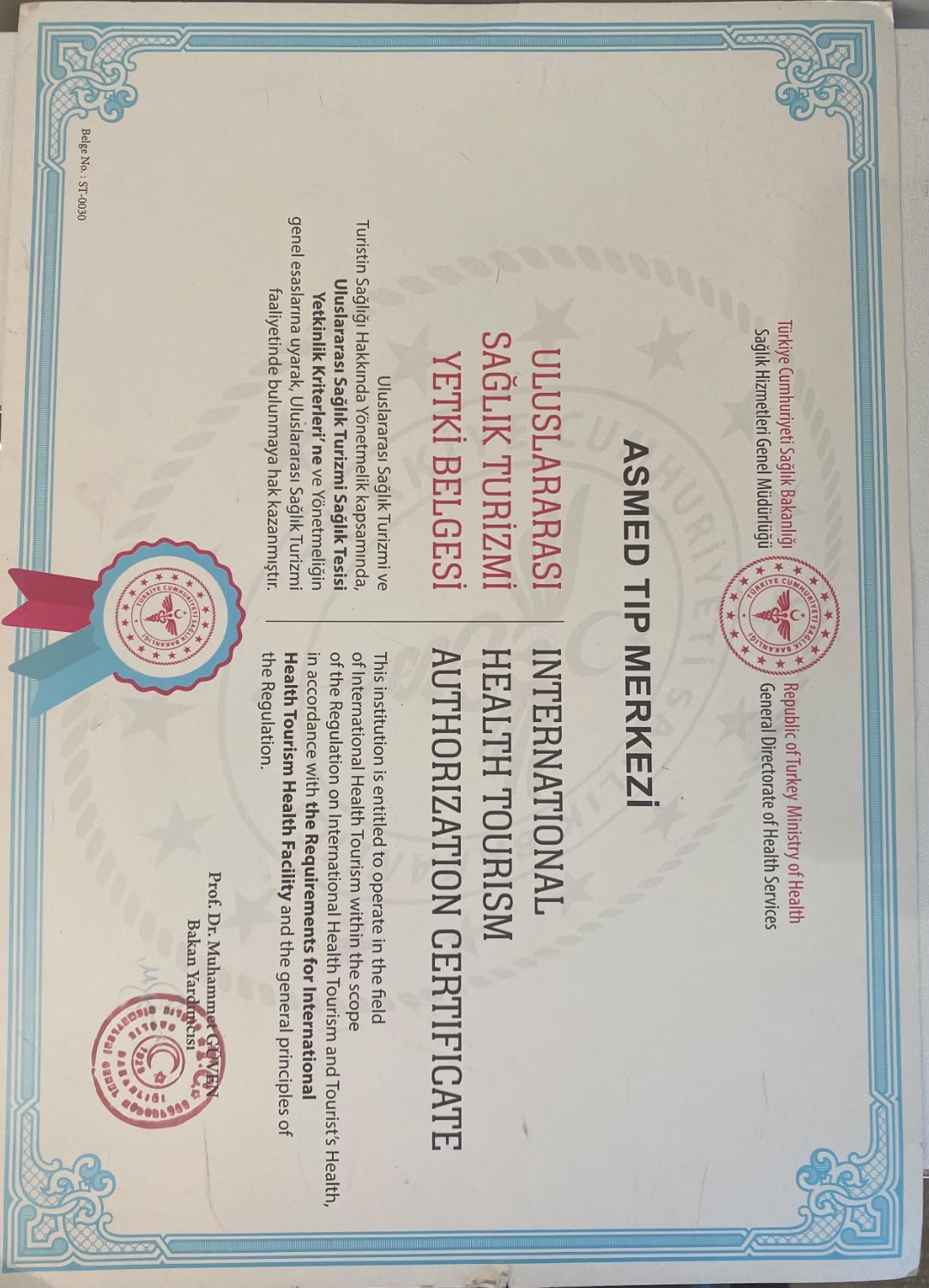
Uluslararası Sağlık Turizmi Yetkili Sağlık Tesisi
ASMED Tıp Merkezi, T.C. Sağlık Bakanlığı tarafından uluslararası sağlık turizmi alanında hizmet sunmak üzere yetkilendirilmiş bir sağlık tesisidir.
Sağlık Tesisi Sahibi: ASMED ÖZEL SAÇ EKİMİ SAĞLIK HİZMETLERİ A.Ş.
Yetki Belgesi No: ST-0030
International Health Tourism Authorized Healthcare Facility
ASMED Medical Center is a healthcare facility authorized by the Republic of Türkiye Ministry of Health to provide services in the field of international health tourism.
Owner and Operator: ASMED ÖZEL SAÇ EKİMİ SAĞLIK HİZMETLERİ A.Ş.
Authorization Certificate No.: ST-0030

Atatürk Mah. Sedef Caddesi No: 1/1 Ataşehir - İstanbul
Cookie Declaration - Update Date: 09.09.2026 - Editor: Ozer Erik - Tel: +90 216 464 11 11