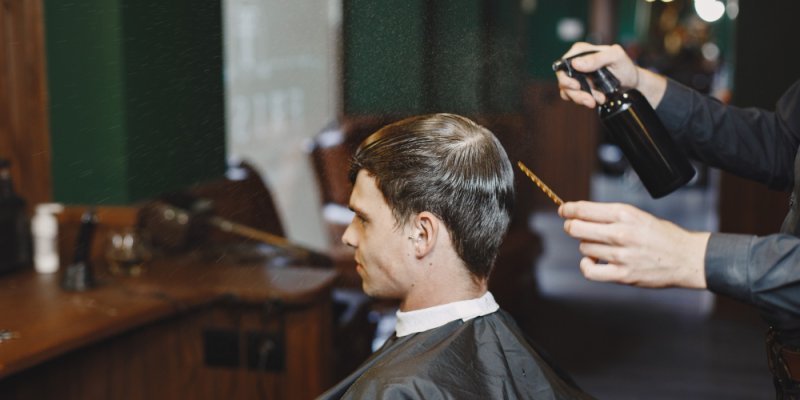
Hair Spray and Hair Loss: Does It Really Cause Hair Loss?
Hair spray can cause minor hair loss, but it cannot cause permanent or excessive hair loss. Excessive use of hair spray may cause your hair follicles to weaken and become more brittle over time, making your hair more prone to breaking and causing it to fall out more than usual. Using hair sprays too often might cause patchy hair loss similar to fungal hair loss. So, if you have some hair coming out and thinning hair, hairspray might be the major cause. It cannot, however, cause permanent hair loss, and, contrary to common opinion, permanent hair loss as a result of this is fiction. Here are other hairstyling options that could potentially damage your hair:
How Hair Spray Impacts Hair Health?
Hairspray coats the hair shaft with a thin polymer film and rarely penetrates the hair follicle, so its primary effect is on hair texture and surface condition rather than growth. The resins create the hold you want, while alcohols such as ethanol and SD alcohol 40 evaporate quickly to lock the style in place. That same evaporation pulls moisture from the cuticle, leaving strands drier, stiffer, and more brittle over time.
Repeated application without proper washing allows residue to accumulate at the roots, mixing with sebum and dead skin to form buildup that can block follicle openings and irritate the scalp. Fragrances and aerosol propellants like butane add another layer of potential irritants, particularly for sensitive scalps. Used occasionally and rinsed out the same day, hairspray is a low-risk styling tool. Used heavily, layered between washes, and combined with heat styling, it gradually compromises the hair shaft, which is where most so-called "hairspray hair loss" complaints actually originate.
Does Hair Spray Cause Hair Loss?
No, hairspray does not cause true hair loss in the medical sense, because it acts on the hair shaft rather than the follicle that produces new growth. What it can cause is breakage, and breakage convincingly mimics shedding when broken strands collect on your pillow or in the brush. If you use hairspray excessively, follicles may weaken indirectly through chronic buildup, scalp inflammation, or repeated mechanical stress from brushing stiffened hair, but this is reversible once the irritant is removed and the scalp recovers.
Genuine hair loss, the kind that permanently reduces density, is driven by genetics, hormones, thyroid issues, nutritional deficiencies, autoimmune conditions, and medications, not by styling products. So while hairspray can make your hair look thinner, feel rougher, and shed broken pieces, it will not cause a receding hairline or a bald patch on its own. The damage is cosmetic and surface-level, and it stops progressing the moment you cut back.
Hairspray Ingredients: Risk vs. Function
| Ingredient | Primary Function | Hair Health Risk |
|---|---|---|
| Ethanol / SD Alcohol 40 | Fast-drying hold | Strips moisture, causes brittleness |
| Resins / Polymers | Creates hold film | Buildup if not washed out |
| Fragrances | Scent | Scalp irritation, contact dermatitis |
| Butane / Propellants | Aerosol delivery | Irritates sensitive scalps |
| Conditioning agents | Softens hold | Reduces dryness and breakage |
Harmful Effects of Hair Spray
Excessive hairspray use weakens the hair shaft long before it ever influences the follicle, and that distinction matters when you're trying to decide whether your shedding is true loss or surface damage. Other key factors include:
- Product buildup at the roots: Layered residue mixes with oil and dead skin, clogs follicle openings, and creates the conditions for scalp irritation and inflammation.
- Dryness from alcohol content: Ethanol and SD alcohol 40 strip moisture from the cuticle, leaving hair brittle, dull, and prone to snapping mid-strand.
- Mechanical breakage: Brushing or combing hair stiffened with spray fractures the shaft; this is the most common reason people think hairspray is making their hair fall out.
- Scalp sensitivity and contact dermatitis: Fragrances, resins, and propellants like butane can trigger redness, itching, and flaking, particularly on already-reactive skin.
- Reduced elasticity: Repeated coating and stripping cycles weaken the protein structure of each strand, so hair stretches less and breaks more easily during normal styling.
None of these mechanisms attack the follicle the way androgenetic alopecia or telogen effluvium does. They damage the visible part of the hair, which then breaks off and appears as shedding when it lands on your shoulders or in the shower drain.
Hairstyles that Damage Hair
Hot hairstyle equipment, such as hair dryers and curling irons, can cause substantial damage to your hair if used excessively. They can dry out your hair, resulting in thinning, breakage, and hair shedding. Hair loss is also affected by how you wear your hair. For example, if you routinely use braids or tight ponytails, you may be inflicting significant damage to your hair and experience itchy scalp and hair loss.
How Common Is Hair Loss Due To Hair Spray?
Hairspray-attributed hair loss is uncommon as a primary cause and is almost always a secondary contributor to breakage rather than follicular loss. Dermatologists and trichologists rarely identify hairspray itself as the source of thinning; instead, they flag it as an aggravating factor when a patient is already dealing with fragile hair, chemical processing damage, or a sensitive scalp.
The people most likely to notice problems are those who apply hairspray daily, layer it over heat-styled hair, skip regular clarifying washes, or brush aggressively through stiffened strands. Even then, the visible thinning typically reverses within a few weeks of reducing product use and restoring scalp health. Compared with genetic pattern hair loss, which affects roughly half of men by age 50 and a substantial share of women by menopause, the contribution of hairspray to overall hair loss is minor. It belongs in the same category as tight ponytails or aggressive towel-drying: a habit worth correcting, not a medical condition.
How to Diagnose Hair Spray Caused Hair Loss?
The clearest sign that hairspray is behind your shedding is finding short, broken pieces of hair rather than long strands with a white bulb at the root, since true follicular shedding pulls the entire strand including its base. Examine the hair you lose throughout the day: if most pieces are uneven in length and lack a small bulb at the end, you're dealing with breakage caused by stiffening, brushing, or buildup.
A second clue is scalp condition, redness, itching, flaking, or tenderness after application points to product irritation rather than internal hair loss.
A third diagnostic step is the elimination test: stop using hairspray for four to six weeks, switch to a gentle clarifying shampoo, and watch whether the shedding slows and the texture rebounds. If it does, hairspray was the culprit. If shedding continues or density keeps decreasing, the cause is internal and warrants a dermatologist visit for blood work, scalp examination, and possibly a pull test or trichoscopy to identify the real driver.
What Can You Do Against Hair Loss From Hair Spray?
Hair loss caused by hair spray and other styling chemicals is temporary. When you stop taking them and start caring for your hair, it will begin to heal. Depending on the amount of damage, the procedure may be delayed, but regular treatment will eventually result in healthy hair. So, ditch the hair products and start wearing your hair down as often as possible. Don't wash your hair every day since it will get dry. Dry shampoos are a popular alternative to hairspray, but they can clog follicles and damage your hair over time if used excessively. They can efficiently remove excess oils, but overdoing it can cause dryness.
Hair Transplantation Is A Permanent Solution To Hair Loss
If your hair loss is severe and you want to regain your full head of hair, hair transplantation may be the best option. It's a long-term remedy that promotes natural hair growth.
FAQs About Hair Spray and Hair Loss
Can hairspray cause permanent baldness?
No. Hairspray acts on the hair shaft, not the follicle, so it cannot cause permanent baldness. Any thinning you notice is breakage, not true follicle-level hair loss.
Is daily hairspray use bad for your hair?
Daily use without proper cleansing causes buildup, dryness, and brittleness. Washing residue out regularly and using alcohol-free formulas significantly reduces damage risk.
What ingredients in hairspray are most damaging?
Ethanol and SD alcohol 40 strip moisture from the cuticle. Fragrances, resins, and propellants like butane can irritate sensitive scalps and trigger contact dermatitis.
How do I tell if I'm losing hair or experiencing breakage?
Check the strand's tip. A white bulb at the end means true shedding from the root; a jagged, uneven end means breakage from shaft damage.
Can hairspray clog hair follicles?
Repeated application without washing can mix residue with sebum and dead skin, blocking follicle openings and causing scalp irritation, but it does not permanently damage follicles.
What type of hairspray is safest for hair health?
Alcohol-free or low-alcohol formulas with conditioning agents are safest. Flexible-hold sprays cause less stiffness, reducing mechanical breakage during brushing and combing.
You may have a first-rate hair transplant at Asmed Clinic that is minimally invasive, leaves no scars, and delivers excellent results with a short recovery period. We provide classical and advanced FUE.
Get a Free Consultation!
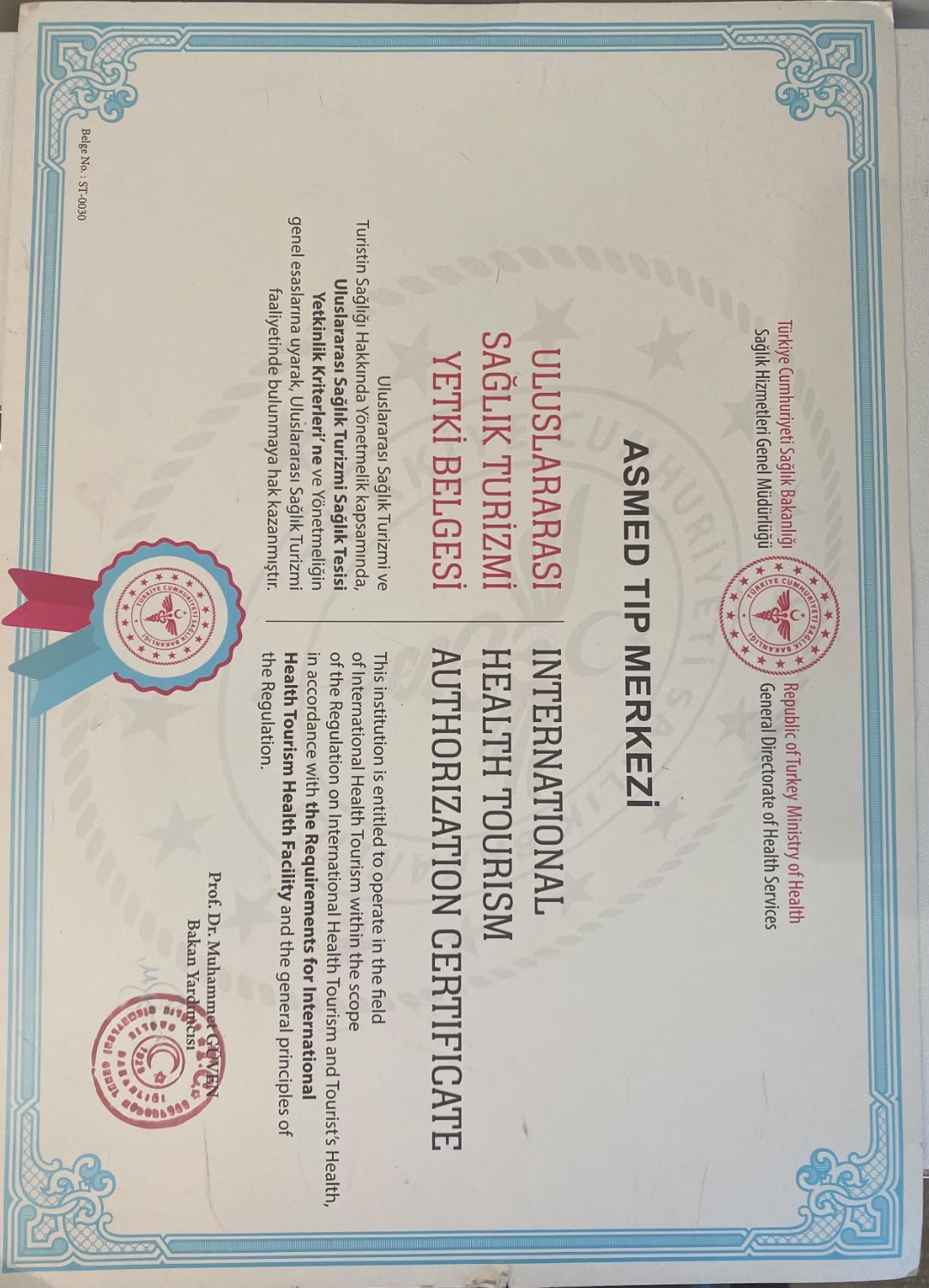
Uluslararası Sağlık Turizmi Yetkili Sağlık Tesisi
ASMED Tıp Merkezi, T.C. Sağlık Bakanlığı tarafından uluslararası sağlık turizmi alanında hizmet sunmak üzere yetkilendirilmiş bir sağlık tesisidir.
Sağlık Tesisi Sahibi: ASMED ÖZEL SAÇ EKİMİ SAĞLIK HİZMETLERİ A.Ş.
Yetki Belgesi No: ST-0030
International Health Tourism Authorized Healthcare Facility
ASMED Medical Center is a healthcare facility authorized by the Republic of Türkiye Ministry of Health to provide services in the field of international health tourism.
Owner and Operator: ASMED ÖZEL SAÇ EKİMİ SAĞLIK HİZMETLERİ A.Ş.
Authorization Certificate No.: ST-0030

Atatürk Mah. Sedef Caddesi No: 1/1 Ataşehir - İstanbul
Cookie Declaration - Update Date: 09.09.2026 - Editor: Ozer Erik - Tel: +90 216 464 11 11