
What is Trichotillomania? Is Hair Transplant a Solution?
Trichotillomania is a complex hair-pulling disorder that affects many individuals worldwide, often leading to distressing hair loss and impacting self-esteem. Understanding this condition, its symptoms, causes, and treatment options is essential for those struggling with it or caring for someone who does. This article explores trichotillomania, its effects on hair, and whether hair transplant procedures can offer a solution.
What is Trichotillomania?
Trichotillomania, often referred to as a hair-pulling disorder, is classified as a mental health condition characterized by an irresistible urge to pull out hair from the scalp, eyebrows, eyelashes, or other parts of the body. It is considered a type of obsessive-compulsive disorder (OCD) and typically manifests during childhood or adolescence, though it can affect adults as well. People with trichotillomania experience recurrent hair pulling that results in noticeable hair loss. This behavior often causes significant distress or impairment in social, occupational, or other important areas of functioning. Unlike typical hair loss from medical conditions, trichotillomania is a self-inflicted hair loss due to compulsive behavior.
Symptoms of Trichotillomania
The primary symptom of trichotillomania is compulsive hair pulling. Other symptoms may include: Noticeable hair thinning or bald patches on the scalp, eyebrows, or other areas.
- Feeling tension or anxiety before pulling hair.
- A sense of relief or gratification after pulling hair.
- Attempts to conceal hair loss with hats, scarves, or hairstyles.
- Emotional distress or shame related to hair loss.
- Possible skin damage or sores in the affected areas.
The severity of symptoms can vary widely, with some individuals pulling hair occasionally, while others may engage in the behavior several times daily.
What Causes Trichotillomania?
The exact cause of trichotillomania is not fully understood, but research suggests a combination of genetic, neurological, and environmental factors:
- Genetic predisposition: Studies indicate that trichotillomania can run in families, suggesting a hereditary component.
- Neurological factors: Abnormalities in brain regions that regulate impulses and emotions may contribute.
- Stress and anxiety: Many individuals report increased hair-pulling during stressful situations or emotional distress.
- Psychological triggers: Boredom, loneliness, or certain sensory experiences can provoke the urge to pull hair.
Identifying triggers and underlying causes is an important step in effective management and treatment.
How To Treat Trichotillomania Hair Pulling Disorder?
Treatment for trichotillomania typically involves a combination of behavioral therapy, medication, and supportive strategies:
- Cognitive Behavioral Therapy (CBT): Habit reversal training (HRT), a form of CBT, is considered the gold standard treatment. It helps patients recognize triggers and replace hair-pulling with healthier behaviors.
- Medications: Some antidepressants or antipsychotics may reduce symptoms in certain cases.
- Support groups and counseling: Emotional support is crucial for managing shame and building coping skills.
- Stress management techniques: Mindfulness, relaxation exercises, and lifestyle changes can reduce hair-pulling urges.
Early diagnosis and consistent treatment improve outcomes significantly.
Is Trichotillomania Hair Loss Permanent?
Hair loss from trichotillomania can be temporary or permanent, depending on the duration and severity of the hair-pulling behavior. In many cases, if the hair follicles are not severely damaged, hair can regrow once the behavior stops. However, chronic pulling can lead to scarring and permanent follicle damage, making hair regrowth difficult or impossible in affected areas.
Regrowing Hair After Trichotillomania
Regrowth depends on follicle health and how soon treatment begins after hair loss starts. Here are some important points:
- Ceasing hair-pulling behavior is the first crucial step.
- Nutritional support and scalp care can promote healthier hair growth.
- Topical treatments like minoxidil may stimulate regrowth in some cases.
- Patience and consistent care are necessary, as regrowth can take several months.
Consultation with dermatologists or trichologists can provide personalized advice on promoting hair regrowth.
Can A Hair Transplant Be Needed For Trichotillomania Hair Loss?
For individuals with permanent hair loss due to trichotillomania, a hair transplant may be considered a viable option. However, there are important factors to consider:
- The patient must have stopped hair-pulling behavior to prevent damage to new grafts.
- The scalp must be healthy enough to support transplantation.
- Psychological readiness is essential to ensure the patient maintains proper care post-transplant.
Hair transplantation can restore hair in bald patches and improve self-confidence, but it should be part of a broader treatment plan including psychological support.
Hair Transplant Methods For Trichotillomania Hair Loss
Two main hair transplant methods are typically used:
-
FUE (Follicular Unit Extraction): Individual hair follicles are harvested and transplanted into the bald areas. This minimally invasive technique offers natural-looking hair transplant results with less scarring.
-
FUT (Follicular Unit Transplantation): A strip of scalp is removed and dissected into individual grafts for transplantation. This method can transplant larger numbers of hairs but leaves a linear scar.
The choice depends on the patient's scalp condition, hair characteristics, and personal preferences. At specialized clinics like Asmed Hair Clinic, experienced surgeons tailor the approach to each individual’s needs.
Conclusion
Trichotillomania is a challenging and often misunderstood hair-pulling disorder that can cause significant hair loss and emotional distress. While effective treatment primarily involves behavioral therapy and psychological support, hair loss caused by trichotillomania may be reversible if addressed early. However, in cases where permanent follicle damage has occurred, hair transplant surgery offers a promising option to restore natural hair and rebuild self-confidence. It is crucial for anyone considering a hair transplant to ensure that the hair-pulling behavior has been effectively controlled and that the scalp is healthy enough to support new grafts. Combining medical treatment with advanced hair restoration techniques maximizes the chances of achieving successful and lasting results.
At Asmed Hair Clinic, we specialize in providing expert care tailored to the unique needs of patients experiencing hair loss due to trichotillomania. By leveraging the most advanced FUE (Follicular Unit Extraction) technology, including state-of-the-art digital scalp analysis and precise graft placement tools, our team delivers natural, uniform results that meet patient expectations.
Our innovative approach, guided by scientific precision and artistic expertise, places Asmed among the top hair restoration centers globally. We prioritize patient education, helping you navigate the complex information landscape to make informed decisions about your hair restoration journey. With our commitment to ongoing innovation and compassionate care, Asmed Hair Clinic is dedicated to helping you not only regain your hair but also restore your confidence and quality of life.
If you are considering hair transplant in Turkey for hair loss related to trichotillomania, contact Asmed Hair Clinic today for a personalized consultation and take the first step toward lasting, life-changing FUE hair transplant results.
Get a Free Consultation!
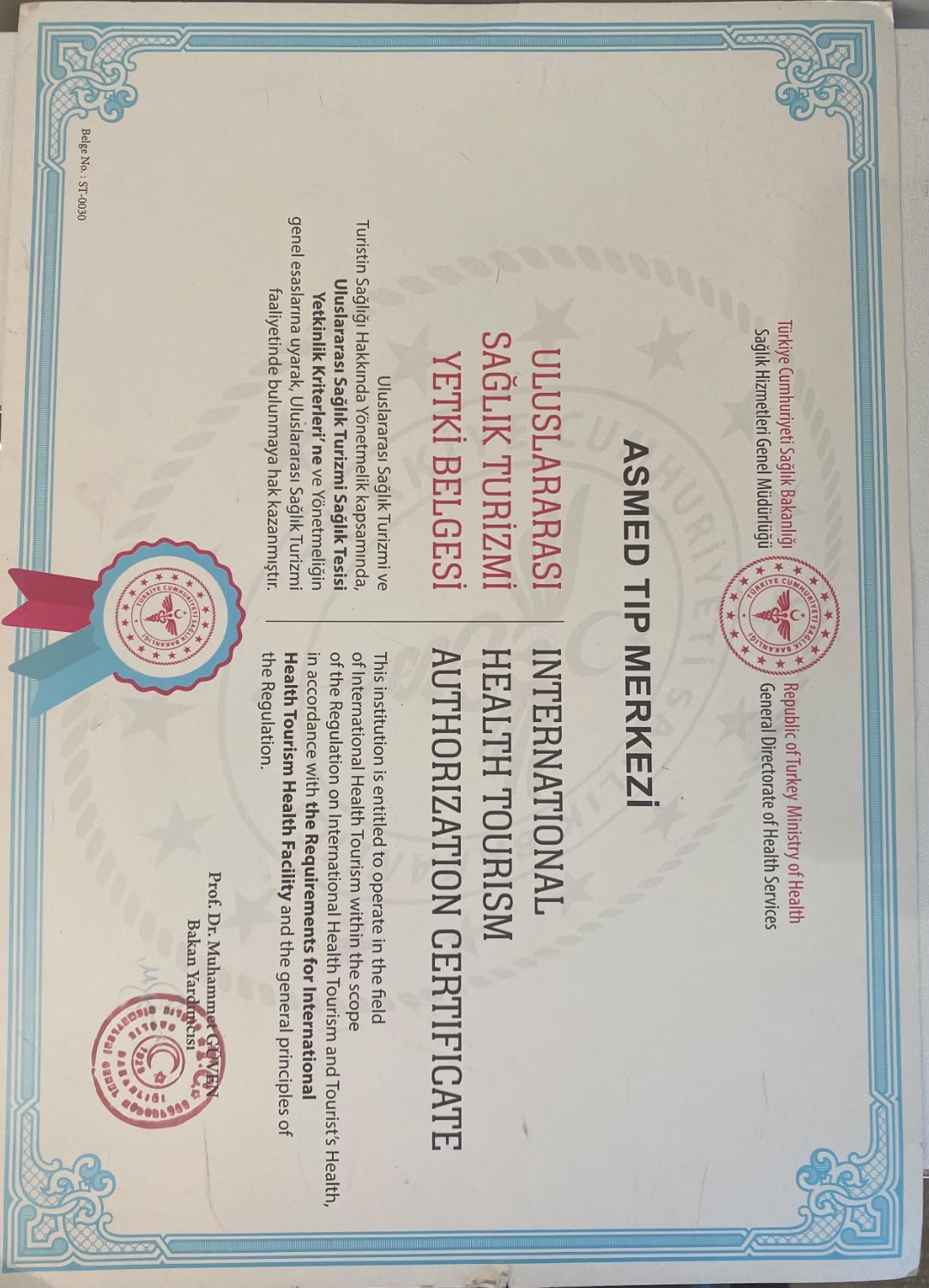
Uluslararası Sağlık Turizmi Yetkili Sağlık Tesisi
ASMED Tıp Merkezi, T.C. Sağlık Bakanlığı tarafından uluslararası sağlık turizmi alanında hizmet sunmak üzere yetkilendirilmiş bir sağlık tesisidir.
Sağlık Tesisi Sahibi: ASMED ÖZEL SAÇ EKİMİ SAĞLIK HİZMETLERİ A.Ş.
Yetki Belgesi No: ST-0030
International Health Tourism Authorized Healthcare Facility
ASMED Medical Center is a healthcare facility authorized by the Republic of Türkiye Ministry of Health to provide services in the field of international health tourism.
Owner and Operator: ASMED ÖZEL SAÇ EKİMİ SAĞLIK HİZMETLERİ A.Ş.
Authorization Certificate No.: ST-0030

Atatürk Mah. Sedef Caddesi No: 1/1 Ataşehir - İstanbul
Cookie Declaration - Update Date: 09.09.2026 - Editor: Ozer Erik - Tel: +90 216 464 11 11