
What is Temple Hair Loss? Causes and Treatments
Temple hair loss is a common concern affecting both men and women. The temples—the areas on either side of the forehead—can experience thinning or receding hair, which often impacts self-confidence and appearance. Understanding what causes hair loss on temples, recognizing the signs, and exploring effective treatments can help you address this issue proactively.
What is Temple Hair Loss?
Temple hair loss refers to the gradual thinning or receding of hair around the temple areas of the scalp. This condition is often noticed as a widening or recession of the hairline at the temples, commonly known as receding hairline temples. While some hair loss in this area is a natural part of aging, significant thinning temples or hair loss from temples can indicate underlying health or genetic factors.
Hair thinning around temples typically starts subtly, with reduced hair density or fine hairs replacing thicker strands. Over time, this can lead to visible bald patches or a noticeable change in facial framing. Both men and women can experience this, although the patterns and causes may differ.
Causes of Hair Loss on Temples
Several factors can contribute to hair loss around temples. Understanding these causes is essential for effective treatment.
- Genetic Factors: The most common cause is androgenetic alopecia (pattern hair loss), which affects hair follicles sensitive to hormones, leading to receding hairline temples and thinning temples in males and females.
- Hormonal Changes: Fluctuations in hormones, especially during pregnancy, menopause, or thyroid disorders, can trigger hair thinning temples female.
- Stress and Lifestyle: Chronic stress, poor diet, and lack of sleep can impact hair growth cycles, contributing to hair loss on temples.
- Medical Conditions: Certain autoimmune diseases, scalp infections, and nutritional deficiencies may cause hair loss from temples.
- Hairstyling Practices: Excessive tension from hairstyles, heat styling, or harsh chemical treatments can weaken hair and cause thinning temples.
- Aging: Natural aging processes lead to reduced hair follicle activity, resulting in thinning temples and other areas.
Hair Thinning Temples Female
Women experiencing hair thinning temples often notice diffuse thinning rather than sharp recession. This can be linked to hormonal changes, especially post-pregnancy or during menopause. Female pattern hair loss tends to cause overall thinning around temples rather than complete bald patches.
Other causes include thyroid imbalances, iron deficiency, or scalp conditions like seborrheic dermatitis. Addressing underlying health issues is crucial alongside topical or medical treatments to restore hair density effectively.
Hair Thinning Temples Male
Hair thinning temples male often present as receding hairline temples, where the hairline retreats backward forming an "M" shape. Male pattern baldness, driven by dihydrotestosterone (DHT), is the predominant cause. It affects hair follicles at the temples and crown, leading to progressive thinning. Lifestyle factors such as stress, smoking, and poor nutrition can exacerbate the condition. Early intervention can slow progression and improve hair density.
How to Stop Hair Thinning at Temples?
Stopping hair thinning at temples involves a combination of lifestyle changes, medical treatments, and sometimes surgical options.
- Healthy Diet: Rich in vitamins and minerals supporting hair health, like biotin, zinc, and iron.
- Stress Management: Techniques like meditation or exercise reduce hair loss triggered by stress.
- Medical Treatments: Topical minoxidil and oral finasteride can slow or reverse hair loss.
- Gentle Hair Care: Avoid tight hairstyles and harsh chemical treatments.
- Regular Scalp Care: Keeping the scalp clean and healthy supports optimal hair growth.
Consulting a dermatologist or trichologist is recommended for personalized treatment.
Is Temple Hair Loss Permanent?
Whether temple hair loss is permanent depends on the cause. Genetic pattern hair loss tends to be progressive without treatment, making it largely permanent. However, hair loss caused by stress, nutritional deficiencies, or temporary medical conditions can often be reversed with proper care. Early diagnosis and intervention improve the chances of preserving and regrowing hair in the temple area.
Treatments for Temple Hair Loss
Various treatment options exist to address hair loss on temples:
- Medications: Minoxidil (topical) and finasteride (oral) are FDA-approved treatments shown to promote hair growth and slow loss.
- Platelet-Rich Plasma (PRP): This therapy involves injecting concentrated platelets to stimulate hair follicles and improve hair density.
- Low-Level Laser Therapy (LLLT): Laser devices promote circulation and cellular activity in the scalp.
- Microneedling: Encourages collagen production and enhances topical treatment absorption.
- Hair Transplant Surgery: For permanent, significant hair loss, surgical restoration can rebuild hairlines and density.
Is Hair Transplant a Solution For Hair Loss on Temples?
A hair transplant is often considered the most effective long-term solution for receding or thinning hair at the temples, especially when other treatments have limited success.
The procedure involves relocating healthy hair follicles from donor areas to the temple regions. This provides a natural-looking, permanent restoration of hair in the thinning temples or receding hairline temples.
FUE Hair Transplant for Temples Hair Loss
The FUE (Follicular Unit Extraction) method is the preferred technique for temple hair loss treatment. It extracts individual follicular units, minimizing scarring and downtime.
FUE hair transplant allows precise placement of grafts in the temple area, matching hair direction and density to surrounding hair. This results in a natural hairline and seamless blending with existing hair.
Hair Transplant Results on Temples
Hair transplant results on temples typically show visible improvement within 3 to 6 months post-procedure, with full results developing around 12 months.
Patients often report increased confidence due to the restoration of a youthful hairline and fuller temples. Success depends on surgeon expertise, patient care, and individual hair characteristics.
If you are experiencing hair loss on temples or thinning temples and want to explore treatment options, consulting a qualified specialist is the best first step to personalized care and effective results.
Why Choose ASMED Surgical Medical Center for Temple Hair Loss?
When it comes to treating temple hair loss with advanced hair restoration techniques, ASMED Surgical Medical Center stands out as a global leader. Under the guidance of Dr. Koray Erdogan, ASMED utilizes the latest innovations in FUE technology, including the KE-Bot robotic scanning system and the K.E.E.P. embedding placer, to ensure each graft is extracted and placed with unparalleled precision.
This scientific and artistic approach allows ASMED to deliver natural-looking results tailored specifically to your hair growth patterns and facial structure. Their patient-first philosophy, combined with state-of-the-art equipment and a dedicated team, makes ASMED one of the best choices in Turkey for effective, lasting solutions to temple hair loss.
ASMED provides expert care for your hair transplant in Turkey, offering treatments such as crown and hairline transplants with the support of experienced surgeons and a dedicated team.
Choosing ASMED means investing in a treatment plan backed by continuous innovation, expert care, and a proven track record of transforming patients’ confidence through exceptional hair transplant results.
Get a Free Consultation!
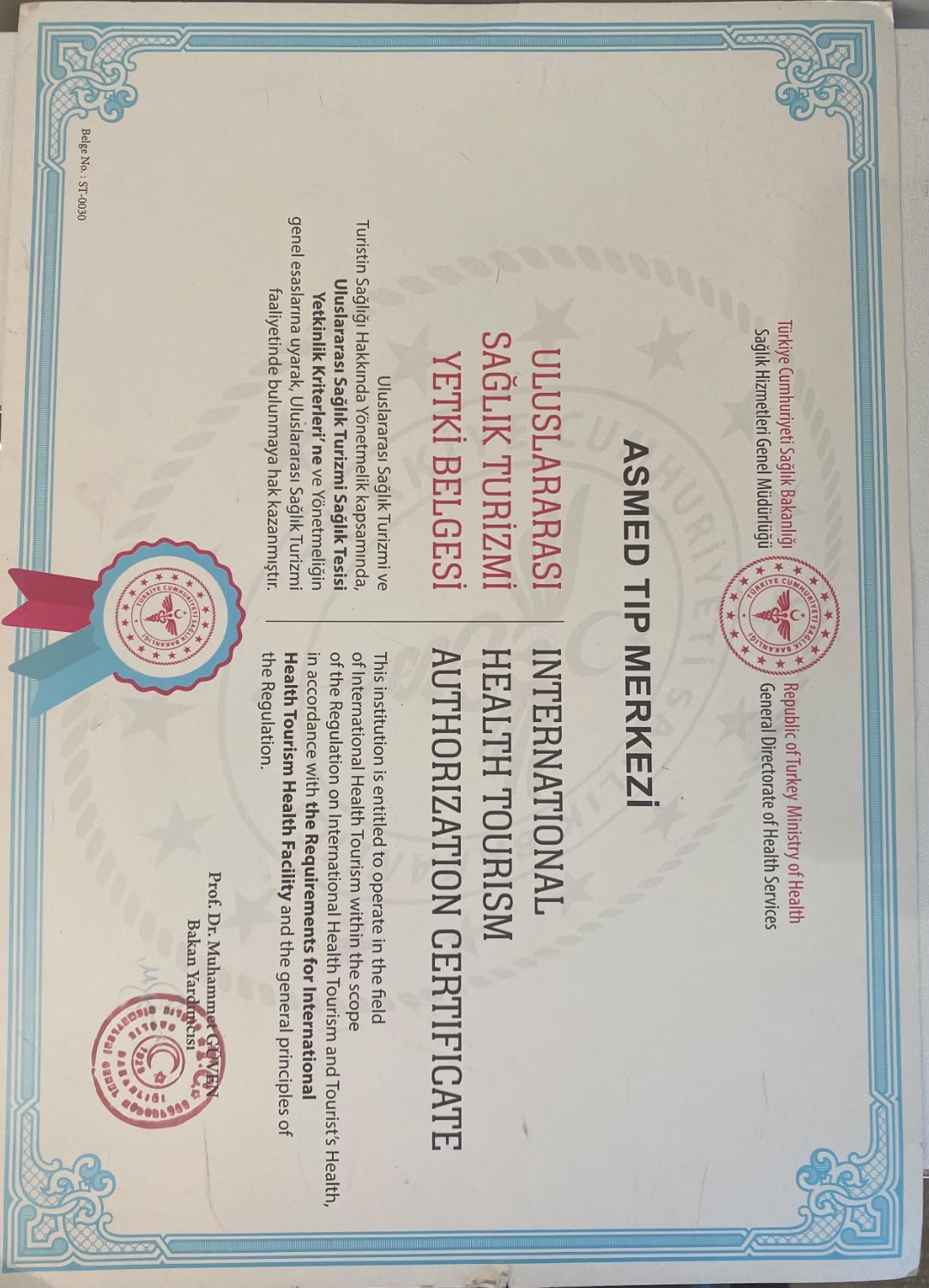
Uluslararası Sağlık Turizmi Yetkili Sağlık Tesisi
ASMED Tıp Merkezi, T.C. Sağlık Bakanlığı tarafından uluslararası sağlık turizmi alanında hizmet sunmak üzere yetkilendirilmiş bir sağlık tesisidir.
Sağlık Tesisi Sahibi: ASMED ÖZEL SAÇ EKİMİ SAĞLIK HİZMETLERİ A.Ş.
Yetki Belgesi No: ST-0030
International Health Tourism Authorized Healthcare Facility
ASMED Medical Center is a healthcare facility authorized by the Republic of Türkiye Ministry of Health to provide services in the field of international health tourism.
Owner and Operator: ASMED ÖZEL SAÇ EKİMİ SAĞLIK HİZMETLERİ A.Ş.
Authorization Certificate No.: ST-0030

Atatürk Mah. Sedef Caddesi No: 1/1 Ataşehir - İstanbul
Cookie Declaration - Update Date: 09.09.2026 - Editor: Ozer Erik - Tel: +90 216 464 11 11