
Ringworm Hair Loss: Causes and Treatments
Hair loss could occur due to illnesses, such as lupus hair loss, or infections, such as ringworm hair loss. Ringworm is a type of fungal hair loss. A fungal infection causes the rash. It typically results in itchy, crusty, hairless spots on the head. If you're dealing with ringworm on your scalp, two questions probably top your list: what's actually happening up there, and will your hair come back? This guide walks through the condition from diagnosis to treatment and what recovery tends to look like in practice.
What Is Ringworm on the Scalp?
Scalp Ringworm, or tinea capitis, is a disease caused by fungi referred to as dermatophytes. The term may be deceptive since the disease has nothing to do with worms. As the name suggests, it involves circular skin lesions. In case of tinea capitis, the infection affects the hair shafts and follicles causing hair loss that characterizes the disease.
Children in their preschool and school age are more likely to suffer from tinea capitis, however, adults are not immune to it. Dermatophytes which cause tinea capitis love warm and humid conditions and can easily spread from one person to another or from an animal to a human by direct or indirect contact with infected person's hat, comb, pillowcase or an infected pet such as a cat or a dog. The fact that the infection can be transferred even without visible signs of the disease makes its spreading very easy.
Scalp ringworm is contagious. Oral medication can destroy the underlying fungus, while medicated shampoos help reduce the risk of passing the infection to others. For a broader picture of how ringworm compares to other fungal and bacterial problems, you can read more about the range of scalp infections that contribute to hair loss.
Does Ringworm Cause Hair Loss?
Yes, ringworm causes hair loss; in fact, it is one of the main symptoms of tinea capitis. Hair loss will manifest in the form of patchy bald spots, and the hair in these spots tends to break off close to the skin, forming small black dots at the spots where the hair shafts break off. There could be a single patch or several, and they will tend to get larger over time without proper treatment.
The hair shaft becomes weak due to attack by the fungi and breaks easily; this is how hair loss happens as a result of ringworm infection. Ringworm sometimes results in an exaggerated immune response called kerion: a pus-filled swollen spot on the scalp that is painful and could cause additional hair loss. Fortunately, the good news is that in most cases, the hair loss caused by ringworm infection is temporary.
Ringworm of the scalp can cause the following signs and symptoms:
- Itchy scalp and hair loss
- One or more circular spots on the scalp where hair has broken off
- Patchy hair loss that gradually grows in size and features little, black dots where the hair has fallen out
- Tenderness on the scalp
How Does Ringworm Affect the Hair Follicle?
Understanding the mechanism behind hair loss as a result of this fungal infection is based on an understanding of the nature of the fungus itself. Dermatophytes consume keratin, which is the main ingredient in hair, skin, and nail tissue. The fungus attacks the keratin in the hair shaft upon arrival at the scalp, breaking it down from inside and thus causing hair weakening. In its movement towards the hair follicle opening, the infection can cause inflammation and disruption of the hair growth cycle.
In mild infections, the fungus is located closer to the surface layer, making hair brittle to the point where hair snaps at the scalp level, giving rise to stubble or black dots, but not bald spots. However, severe infections may lead to inflammation deep within the follicle and possible damage to hair follicles. Scarring or significant inflammation is possible in such cases and may lead to long-term hair loss, particularly if a kerion has developed. Nonetheless, even in case of moderate infection, follicles retain their integrity enough to continue producing hair after the infection is treated.
How deeply and severely the follicle is involved is one of the main factors that determines how quickly and completely hair grows back after treatment.
How Is Scalp Ringworm Diagnosed?
A number of scalp disorders might have a similar look. Consult a doctor if you or your child develops hair loss, itching of the scalp, or any other odd scalp look. It is critical to have an accurate diagnosis and quick treatment using prescribed medication. Ringworm of the scalp cannot be treated with alternative medicine, homemade lotions, or powders.
A doctor will usually start by examining the scalp and reviewing symptoms. That said, several other conditions can look a lot like scalp ringworm, including patchy hair loss from non-fungal causes, so additional tests are often needed to confirm the diagnosis. A Wood's lamp examination uses ultraviolet light to scan the scalp; some ringworm-causing fungi will fluoresce under it, revealing infected areas. Not all strains do, though, so this test on its own isn't always definitive.
The most accurate method is a fungal culture. This involves taking a tiny sample of hair or scrapings from the skin around the affected area and sending them to a laboratory for culturing to confirm the particular fungus involved. It takes a week or two to get the results, but the process helps you know what you are up against. Some dermatologists also perform KOH preparations, where a microscopic test is done by exposing a hair sample to a substance that dissolves skin cells to make the fungal elements visible. Early detection is essential since it prevents the spread of the infection and hair loss.
Treatment Options for Scalp Ringworm
As scalp ringworm affects the hair follicles, it is necessary to take oral antifungals in addition to topical antifungals. The oral antifungal drugs serve as a cornerstone of the treatment. Griseofulvin was traditionally used the most frequently among the antifungal medications and it is currently widely applied, particularly in case of children. The more recent medications, such as terbinafine, itraconazole and fluconazole, also proved to be efficient. The duration of the therapy takes several weeks, from four to eight usually, and completing the whole course of the treatment becomes significant even if the patient feels relief earlier.
A medicated antifungal shampoo such as those that contain selenium sulfide and ketoconazole is frequently recommended along with the pill. It does not provide a cure to the condition on its own, but helps to decrease the number of spores that the fungus can shed and thus prevent spreading the ringworm in other family members. It is necessary to check close contacts and family members for symptoms of infection and wash shared belongings such as combs, caps, pillowcases, etc. It is recommended to examine pets having any problems with the skin because they might be a source of reinfection.
Will Hair Grow Back After Ringworm Hair Loss?
The vast majority of the time, hair will grow back once hair loss caused by ringworm infection occurs, as long as the condition is properly treated without any delay. As soon as the infection is eliminated with antifungal medications and inflammation subsides, the hair follicles will start functioning normally and new hair growth will start to occur.
The rate and degree of hair regrowth depend on a variety of factors – the degree of severity of the condition, the speed of the treatment, and follicle damage. Mild to moderate cases of the condition always involve regrowth of the hair. In cases where the infection was quite severe or involved kerion, follicular damage may result in permanent hair loss in certain areas.
If hair loss lingers well after the infection has cleared, it's worth going back to a dermatologist to rule out other contributing factors. In the rare situations where follicular scarring leaves persistent bald patches that don't respond to medical treatment, a hair transplant turkey procedure may be worth considering as a longer-term option. Anyone exploring that path should also look carefully at the full hair transplant cost before committing.
Ringworm vs. Other Causes of Patchy Hair Loss
However, patchy scalp hair loss is not exclusively related to ringworm, and differentiating between these conditions without professional assistance can be quite difficult. For example, alopecia areata is another type of condition causing patchy hair loss. The bald spots caused by this condition are also round or oval-shaped; however, it is an autoimmune disease and not an infection, unlike ringworm. There are no signs of scaling, crusting, or inflammation on the part of the scalp affected by the disease, as well as there are no changes in the skin at all.
Another condition that may cause hair loss is seborrheic dermatitis that usually results in flaking and itching and, in case of chronic disease, even in hair thinning; however, this condition does not have the characteristic hair breakage pattern of ringworm. There is also trichotillomania, or compulsive hair pulling, that may lead to patchy hair loss; however, in this case, there are no fungus involved in the process.
A doctor or dermatologist can sort through these possibilities using examination, patient history, and the right tests. Getting the diagnosis right matters, the treatments for these conditions differ substantially, and going down the wrong path delays recovery while the hair loss continues.
When to See a Doctor About Ringworm Hair Loss?
A number of scalp disorders might have a similar look. Consult a doctor if you or your child develops hair loss, itching of the scalp, or any other odd scalp look. It is critical to have an accurate diagnosis and quick treatment using prescribed medication. Ringworm of the scalp cannot be treated with alternative medicine, homemade lotions, or powders.
See a doctor promptly if you or your child develops bald patches on the scalp, especially with itching, scaling, or tenderness alongside them. A swollen, boggy lump on the scalp, which may indicate a kerion, warrants urgent evaluation, given the higher risk of scarring and permanent hair loss it carries. The same applies if symptoms aren't improving after starting prescribed treatment, or if the infection seems to be spreading.
Those who have weakened immune systems due to some medication or health condition should definitely consider visiting a doctor as soon as possible since there is a greater chance that they might develop complications. The sooner you act, the more likely you will be able to prevent hair loss from happening and recover completely.
How to Prevent Ringworm Hair Loss?
Scalp ringworm is tough to prevent. It is caused by a common fungus, and the illness is spread even before symptoms develop. However, here are some tips for you to be aware of the infection and how it spreads:
- Be mindful of the possibility of ringworm transmission from sick persons or pets.
- Inform young children about ringworm, what to look out for, and how to avoid infection.
- Regularly shampoo your hair.
- Personal items, such as hairbrushes and towels, should not be shared.
- Wash your child's scalp on a frequent basis, especially after haircuts.
- Maintain clean and dry skin.
- Make sure your children wash their hands after playing with pets.
- Stay away from sick animals.
- Keep common spaces clean, particularly at schools, child care facilities, and gyms.
FAQs About Ringworm Hair Loss
Does ringworm always cause hair loss?
It does not always lead to hair loss, however. Hair loss is completely unrelated when the infection occurs in any part other than the scalp. When it does occur on the scalp, hair loss is quite variable depending on the severity of the infection, the type of fungus that has infected, and how soon the patient starts treatment. Some patients only suffer from slight scaling and itching with very little hair loss while some have clearly defined areas of hair loss.
Can scalp ringworm cause permanent hair loss?
Scalp ringworm generally does not lead to permanent hair loss, unless it is an especially serious or long-lasting infection such as kerion. After the infection is treated, inflammation subsides, and the hair follicles will regenerate and grow again normally. However, in the case of a very serious infection, scarring may occur. In the event of follicle scarring, the hair follicles will no longer be able to produce hair, leading to permanent bald patches. This is rare and only happens in severe infections where treatment is delayed or ineffective.
Is ringworm hair loss contagious, and can it spread to other people?
While the hair loss condition itself is not a contagious one, the fungal infection causing this is highly contagious. Scalp ringworm is contagious via direct contact with either an infected individual or animal or an infected surface. Sharing personal grooming items such as combs and hats or bedding items like towels and pillows with an infected individual will lead to the spread of the fungi. Children, owing to their high degree of physical interactions at school and child care facilities, are particularly susceptible to scalp ringworm. With effective treatment and control of the fungal infection, contagion becomes much less likely.
If you experience excessive hair loss and want a permanent solution for hair regrowth, our skilled doctors at Asmed are here to help you. For any questions you could have, please contact us. To learn more about FUE hair transplant, get a consultation!
Get a Free Consultation!
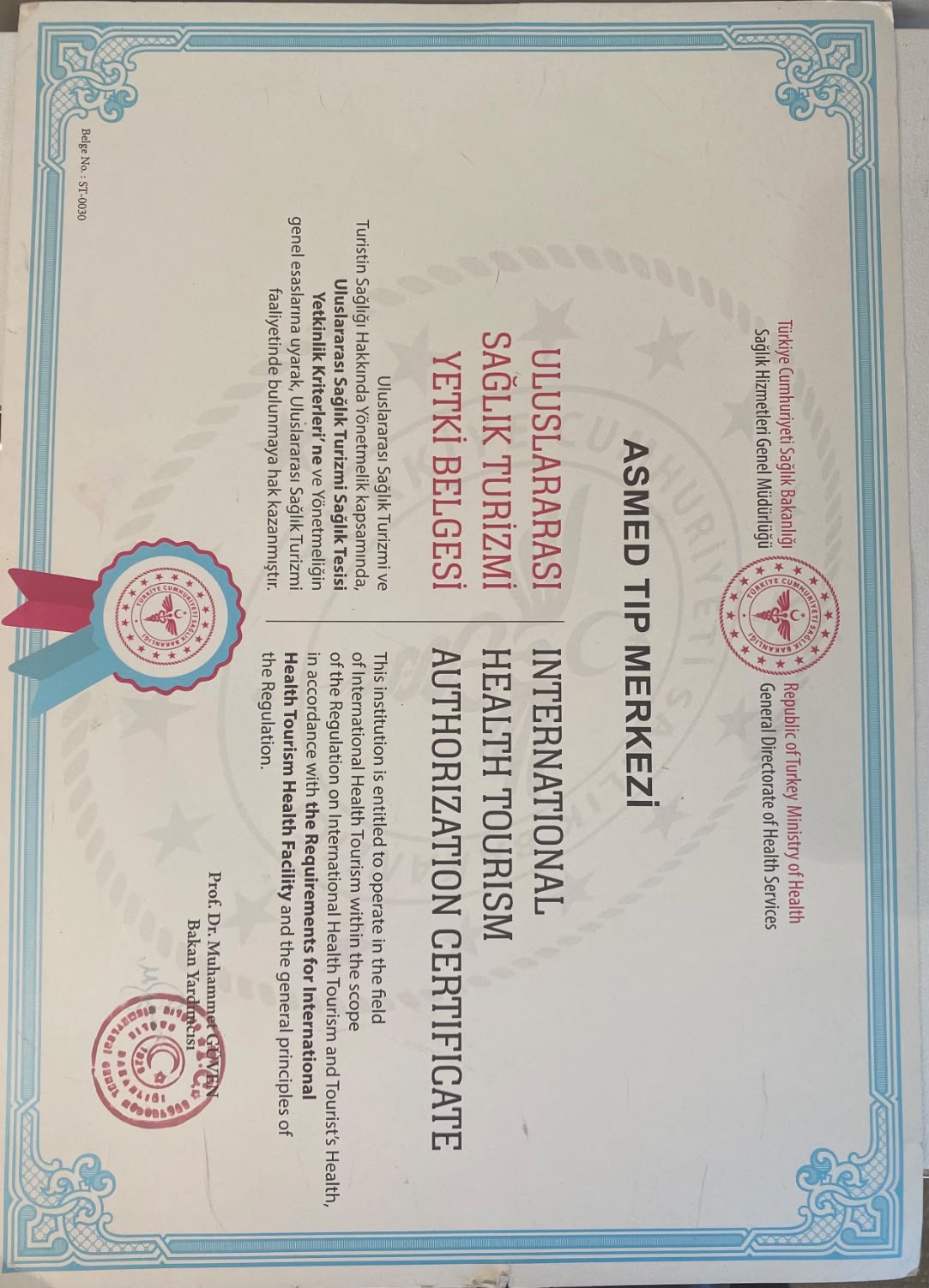
Uluslararası Sağlık Turizmi Yetkili Sağlık Tesisi
ASMED Tıp Merkezi, T.C. Sağlık Bakanlığı tarafından uluslararası sağlık turizmi alanında hizmet sunmak üzere yetkilendirilmiş bir sağlık tesisidir.
Sağlık Tesisi Sahibi: ASMED ÖZEL SAÇ EKİMİ SAĞLIK HİZMETLERİ TİCARET A.Ş.
Yetki Belgesi No: ST-0030
International Health Tourism Authorized Healthcare Facility
ASMED Medical Center is a healthcare facility authorized by the Republic of Türkiye Ministry of Health to provide services in the field of international health tourism.
Owner and Operator: ASMED ÖZEL SAÇ EKİMİ SAĞLIK HİZMETLERİ TİCARET A.Ş.
Authorization Certificate No.: ST-0030

Atatürk Mah. Sedef Caddesi No: 1/1 Ataşehir - İstanbul
Cookie Declaration - Update Date: 11.11.2026 - Editor: Ozer Erik - Tel: +90 216 464 11 11