
Numbness After Hair Transplant: Causes and Treatment
Hair transplants, just like any other surgery, have possible side effects. Some of them are temporary and common, like hair thinning after a hair transplant. Some, on the other hand, are rare and a little more alarming, like folliculitis after a hair transplant. Numbness after a hair transplant surgery is a common side effect. Numbness, though it sounds alarming, is actually a sign that the affected area of your scalp is regaining its nerve potential. During a hair transplant, both recipient and donor areas are traumatized and affected. So, it is normal to experience numbness in those areas. Doctors generally argue that numbness takes a few days for the scalp to regain its sensation.
What is Numbness After Hair Transplant?
Numbness following a hair transplant is a common occurrence, typically resulting from the disruption of tiny nerve endings during the procedure. This temporary sensation loss can affect both the donor and recipient areas of the scalp. While it may cause concern, it's generally a normal part of the healing process.
Is Numbness After a Hair Transplant Normal?
Yes, experiencing numbness after a hair transplant is entirely normal. It's a temporary side effect that many patients encounter as their nerves recover from the surgical procedure. The duration and intensity can vary among individuals, but rest assured, it's a common aspect of the healing journey.
What Causes Numbness After Hair Transplant?
The primary cause of numbness is the trauma to the scalp's superficial nerves during the extraction and implantation of hair follicles. Additionally, the local anesthesia administered during the procedure can contribute to the initial sensation of numbness. As the anesthesia wears off and the nerves begin to heal, normal sensation gradually returns.
Why Do I Experience Numbness in the Recipient Area After My Hair Transplant?
Numbness in the recipient area is because of some minor incisions that happen around the hair follicles that are implanted on your scalp. It is completely normal to feel numbness around your newly implanted hair area. It takes some time for those areas to heal after the surgery, and for your nerves to regain sensation.
Is Numbness After Hair Transplant Permanent?
In most cases, numbness is temporary and resolves within a few weeks to months. However, in rare instances, some individuals may experience prolonged numbness lasting up to a year. Permanent numbness is uncommon and typically occurs only if deeper nerves are affected.
How Long Does The Numbness Take After Hair Transplant?
The answer to this question varies for every patient who undergoes a hair transplant surgery. Each patient’s experiences are unique. For some people, the numbness takes a few weeks to go away. Some people say the numbness does not disappear for 6 months. Hair transplants are operations that involve minor incisions made on the scalp to remove and implant hair follicles. Affected areas have small sense tools that are called nerves. These nerves lose their sensations after being affected. Typically, professionally argued, the numbness goes away within a few weeks. However, some patients experience numbness for a much longer time. If you experience numbness for a long time, there still is no need to be alarmed because it does not mean that the nerves are damaged. However, you might want to consult a doctor on that matter just in case.
Typically, a few days after the hair transplant procedure, patients start to feel itchiness on their scalps and the skin feels numb. Again, there is no need to worry. You have just undergone surgery, and it is normal to experience some complications after the operation. All of these complications are actually signs that your scalp is healing. As long as you take the medicines your doctor prescribes, and are careful with shampooing after the hair transplant, you have no reason to worry!
FUE hair transplants are modern surgical techniques that allow people who experience safe and advanced processes of hair restoration. Like with other surgeries, hair transplants have possible complications and side effects after the operation. However, it is more than normal to have concerns and questions about hair transplant operations.
How Common Is Numbness After Hair Transplant?
Numbness is a prevalent side effect, with a significant number of patients reporting some degree of sensation loss post-surgery. It's particularly common in the donor area where follicles are harvested. Most patients notice an improvement in sensation within a few weeks, with full recovery often achieved within 3 to 6 months.
How to Reduce Numbness After Hair Transplant?
To reduce numbness:
- Gentle Scalp Massage: After the initial healing phase, gentle massage can stimulate blood flow and promote nerve recovery.
- Follow Post-Operative Care Instructions: Adhering to the care guidelines provided by your surgeon ensures optimal healing.
- Maintain a Healthy Diet: Consuming foods rich in vitamins and minerals supports nerve health and recovery.
- Avoid Smoking and Alcohol: These can impede the healing process and prolong numbness.
How to Completely Get Rid of Numbness After Hair Transplant?
While complete resolution depends on individual healing rates, following the aforementioned steps can expedite the process. Additionally, staying patient and allowing time for nerve regeneration is crucial. If numbness persists beyond the expected recovery period, consult your healthcare provider for further evaluation.
When Should I Be Concerned About Numbness After Hair Transplant?
Seek medical attention if:
- Numbness persists beyond 6 to 12 months.
- You experience severe pain, burning sensations, or other unusual symptoms.
- Signs of infection, such as redness, swelling, or discharge, develop.
These could indicate complications requiring professional intervention.
ASMED Surgical Medical Center: Pioneering Excellence in Hair Restoration
At ASMED Surgical Medical Center, we are dedicated to helping individuals look and feel their best through advanced hair restoration techniques. Utilizing cutting-edge FUE (Follicular Unit Extraction) digital technology, including the KE-Bot robotic scanning system and the K.E.E.P. embedding placer, we offer precise scalp analysis and Coverage Value calculations. Under the expertise of Dr. Koray Erdogan, our FUE innovations have garnered global recognition. Our approach combines scientific precision, artistic design, and patient-centered care, ensuring natural and uniform results. With a commitment to education and continuous innovation, ASMED stands as a leader in the field of hair transplant in Turkey and internationally.
Medical staff in Asmed are here to explain every step of the hair transplant operation to you in detail. Experienced doctors in Asmed will guide you along the way and make sure you experience minimum complications after the surgery. If you have any questions, do not hesitate to reach the Asmed team for hair transplant online consultation.
Get a Free Consultation!
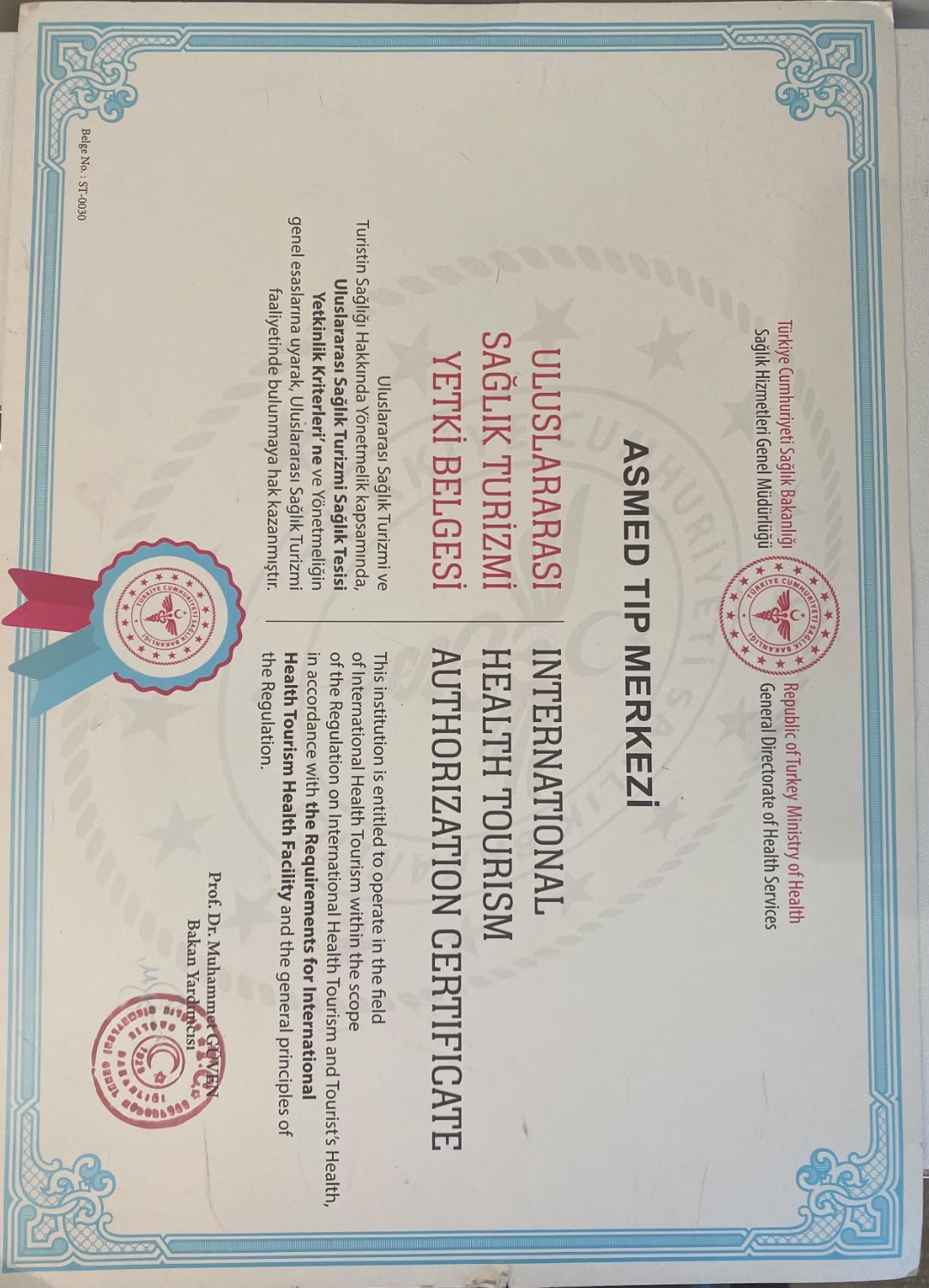
Uluslararası Sağlık Turizmi Yetkili Sağlık Tesisi
ASMED Tıp Merkezi, T.C. Sağlık Bakanlığı tarafından uluslararası sağlık turizmi alanında hizmet sunmak üzere yetkilendirilmiş bir sağlık tesisidir.
Sağlık Tesisi Sahibi: ASMED ÖZEL SAÇ EKİMİ SAĞLIK HİZMETLERİ A.Ş.
Yetki Belgesi No: ST-0030
International Health Tourism Authorized Healthcare Facility
ASMED Medical Center is a healthcare facility authorized by the Republic of Türkiye Ministry of Health to provide services in the field of international health tourism.
Owner and Operator: ASMED ÖZEL SAÇ EKİMİ SAĞLIK HİZMETLERİ A.Ş.
Authorization Certificate No.: ST-0030

Atatürk Mah. Sedef Caddesi No: 1/1 Ataşehir - İstanbul
Cookie Declaration - Update Date: 09.09.2026 - Editor: Ozer Erik - Tel: +90 216 464 11 11