Itching After Hair Transplant: Causes and Solution
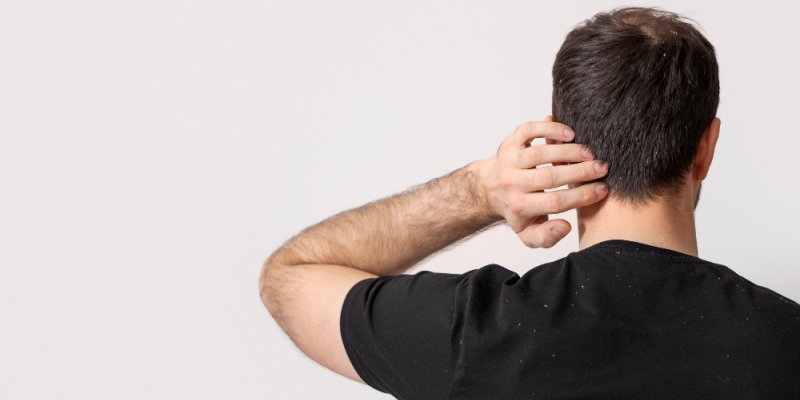
Undergoing a hair transplant procedure can be exciting since it will restore hair growth on your scalp. But as it is with any kind of surgery, there are some side effects of hair transplant operations. It is normal to experience some complications like pain and swelling after a hair transplant since your scalp has been exposed to the trauma from the surgery. One complication patients worry about is the itching and the scabs after hair transplants, which are the outcomes of itching. The point you should be careful about is not giving into the itchy feeling and touching the scabs. Otherwise, you will leave scars on your scalp. Other than that, there is nothing to be alarmed about with the itchiness of the scalp after the hair transplant operation. When the body is healing after a surgical procedure, it is perfectly normal to experience itching around the area that was traumatized by surgery.
Why Does Your Head Itch After a Hair Transplant?
While the wound on the scalp after the surgery is healing and red blood cells are completing their jobs, the wound draws inwards, shrinking in size. When the holes in the skin heal, the skin cells pull together and close the wound. The nerves are triggered as a result of this process, which sends a signal to the nervous system, causing itching. So, actually, itching is a sign that your scalp is healing after the hair transplant operation.
Several biological processes happening simultaneously in your scalp contribute to that persistent itchy sensation. First, the tiny incisions made during the procedure, whether you had a FUE procedure or another technique, trigger an inflammatory response as part of the body's natural repair cycle. Histamine, a chemical released by the immune system to help heal damaged tissue, is a major driver of the itch sensation.
Secondly, as the skin cells regenerate and the scalp starts tightening, nerve endings get sensitized, and this increases the tendency to scratch. Thirdly, the formation and subsequent peeling off of scabs on the scalp causes dry skin, and dry skin is known to be an itchy condition. Knowing this would help you control the temptation to scratch as the feeling of itchiness is an indication that things are progressing as expected. These are among the most commonly reported hair transplant side effects, and they are entirely expected.
How Long Does Itching Last After a Hair Transplant?
Itching usually lasts a week after the hair transplant surgery. It may, however, take up to four weeks to disappear in rare cases. Because you will not be able to wash the top of your head for the first few days following the hair transplant surgery, itching on your scalp might be quite irritating and uncomfortable. The irritation will typically go away once you wash this area for the first time.
Itching is a natural reaction to the healing of any area of the body, along with other complications. However, it is natural to be concerned about your health and the success of your hair transplant operation. This is why you should be in touch with the doctors and the clinic you prefer.
From a practical perspective, most people would notice that itching would peak within three to seven days from the day of the operation. In this period, scabs would form, and the process of regeneration of the skin is taking place. Following the first soft cleansing, the person would notice that the feeling of itching diminishes considerably. Within two weeks of the surgery, itching would generally become mild and rare for most people. There are some people who would experience a second wave of mild itching within four to six weeks of the operation, which is due to the fact that the hair follicles are now shedding transplanted hairs and starting the process of new growth.
How to Get Rid of Itching After a Hair Transplant?
You should avoid sun exposure, sexual activity, hot baths, or swimming after hair transplant operations. You should make sure that you are following the surgeon's instructions and prescriptions carefully. Try to drink plenty of water and avoid smoking and consuming alcoholic beverages. To relieve itching, the doctor may recommend applying vaseline to the scalp. Be careful about hair washing after the hair transplant, as you do not want to damage the hair follicles while you are trying to clean the scabs. In short, as long as you follow your doctor’s instructions, it is not likely that you experience a problem during your healing process. In addition to following the general post-surgery instructions provided by your doctor, there are several additional ways that can be effective in managing the problem of itching. The most efficient way is maintaining moisture of your scalp. Your clinic can provide you with a special saline spray or lotion that will need to be used on a regular basis, preventing the dryness which aggravates the itching problem. Another measure that will reduce itching is elevating your head a little bit during the first week after surgery, because this way you can prevent inflammation of the scalp and reduce the severity of itchiness. If your doctor approves, oral antihistamines can be very useful, especially before bed, when the activity of histamine feels stronger. Another way of coping with itchiness is finding something else to occupy your hands and thoughts.
Products and Remedies That Relieve Itching Scalp After Hair Transplant
Careful selection of the products is equally important as choosing what not to do. Your surgeon will normally have a post-operative kit for you or will give you a list of acceptable products, which you need to adhere to closely.
The following types of products are commonly applied to alleviate itching after hair transplant surgery, but you need to consult your physician before using any of the products on your recipient or donor area.
- Saline spray: A sterile saline solution keeps the grafts moist and helps soften scabs without disturbing the follicles. Many clinics recommend spraying it on the scalp several times per day during the first week.
- Prescribed topical lotions or foams: Some surgeons prescribe a mild corticosteroid lotion or a specially formulated post-transplant lotion to reduce inflammation and calm the itch. Always use these exactly as directed.
- Vaseline or petroleum jelly: As indicated in the preceding paragraphs, application of a thin coat to the dry areas of the scalp acts as a protective cover, minimizing dryness-related irritation.
- Gentle, sulphate-free shampoo: When your doctor gives you permission to wash your hair, it is important that you use a gentle and unscented shampoo so as not to dry out your scalp.
- Oral antihistamines: Over-the-counter antihistamines (approved by your doctor) can decrease the histamine-induced itching especially at night time.
Never use any products containing alcohol or fragrances or chemicals like salicylic acid or retinoids, which can affect the grafts and can cause irritation to the treated skin area. If you are considering a hair transplant in Turkey, reputable clinics will provide a comprehensive aftercare kit and detailed product guidance to support your recovery from the moment you leave the operating room.
What Not to Do When Your Scalp Is Itchy After a Hair Transplant
Resisting the temptation to itch is as much about not doing specific actions as doing them. The itch is a very strong temptation, but scratching can have a negative impact on the result you will achieve. Listed below are some of the major things that you should avoid while itching.
- Do not scratch with your fingernails: Gentle scratching can move newly attached grafts, introduce bacteria into fresh micro-wounds, and leave scars. If you absolutely have to scratch, tap the area gently using your fingertip instead.
- Do not pick at scabs: Scabs act as a form of protection on grafts which your body has put there. If you try to remove them too early, you may end up stripping off your grafts together with the scab formation.
- Do not use hot water on your scalp: Hot water causes blood vessels to dilate, increasing the itch sensation. Use warm or cold water for washing the hair.
- Do not apply unapproved products: Natural cures like tea tree oil, apple cider vinegar, or very strong shampoos may affect the pH level on the healing scalp and cause irritation to the follicles.
- Do not wear tight headwear: Tight-fitting caps and hats may trap moisture and cause irritation due to friction. If you have to wear something on your head, use a well-fitting, clean, and breathable cap as advised by your surgeon.
- Do not ignore persistent itching: In case of severe, spreading, or associated itching, contact the clinic. It is always wise to report early rather than wait for the possible complication to arise.
Warning Signs: When Itching After a Hair Transplant Is Not Normal
In the vast majority of cases, itching after a hair transplant is a harmless and temporary part of the healing process. However, there are certain signs that suggest the itching may be related to a complication rather than normal recovery, and these require prompt medical attention.
The following symptoms must be reported to your surgeon/clinic along with the symptoms of itching:
- spreading redness beyond the grafted area
- increasing swelling at the site of transplantation instead of decreasing swelling after the first few days
- feel a warm or hot sensation at a certain part of your head
- yellow or green secretion from the grafting sites
- fever or feeling sick
- experiencing increasing pain
They might indicate an infection or even folliculitis (inflammation of the hair follicles) or even an allergy to any of the products or medications that were applied during the procedure..
Understanding the full range of possible hair transplant side effects before your procedure helps you recognise what is expected and what requires action.
How Proper Hair Washing Helps Reduce Post-Transplant Itching
One of the most effective and underappreciated tools for managing itching after a hair transplant is a correct and timely hair-washing routine. Many patients are understandably nervous about washing their scalp after surgery, fearing they will damage the grafts. However, keeping the scalp clean is essential for reducing the build-up of dried blood, sebum, and dead skin cells, all of which contribute significantly to the itchy sensation.
However, most surgeons recommend waiting until between 48 and 72 hours post-surgery for the first very mild wash using a certain method. This usually means that one will have to dilute a very mild shampoo in water and pour it over the scalp, then rinse without massaging. The idea is to moisturize the crusts in order to make them soften and fall off naturally within the next few days. Beginning from the tenth day, when the grafts are fully attached, you can start washing normally but without rubbing your head vigorously.
Proper and consistent washing helps to rid the scalp of the irritants that stimulate the nerve endings on the skin, making it soft and not dry. The patients who maintain a good washing regimen always experience a smoother and more pleasant period of recovery and have reduced intensity of itching compared to patients who do not wash due to their fear of irritation. For a step-by-step hair washing process after an operation, see your clinic’s manual and ask your surgeon for additional clarification.If you are curious about the financial aspect of your procedure, information on hair transplant cost is available to help you plan ahead.
FAQs About Itching After Hair Transplant
Is it safe to scratch my scalp if it itches after a hair transplant?
No, scratching your scalp after a hair transplant is not safe, particularly within the first two weeks. Scratching can dislodge newly implanted grafts before they have had time to anchor firmly in the scalp, and it can introduce bacteria from your fingernails into the healing micro-wounds. If the itch feels unmanageable, try gently patting the area with a clean finger or applying a prescribed saline spray to calm the sensation without disturbing the grafts.
Can itching after a hair transplant damage the newly transplanted grafts?
Itching itself does not damage the grafts, it is the response to the itch (scratching or rubbing) that poses a risk. Grafts are most vulnerable during the first seven to ten days after surgery, while they are establishing a new blood supply. Any physical disturbance to the scalp during this window can reduce graft survival rates. After approximately ten to fourteen days, grafts become progressively more secure, though you should still handle your scalp with care for several weeks.
What can I apply to my scalp to relieve itching without harming the follicles?
The safest options are those recommended or prescribed by your surgeon. These typically include sterile saline spray, petroleum jelly applied gently to dry areas, and any prescribed topical lotion or foam. Oral antihistamines approved by your doctor can also help, especially at night. Avoid applying any product that contains alcohol, strong fragrances, or aggressive active ingredients unless your surgeon has specifically approved it.
Does intense or prolonged itching mean my hair transplant is failing?
Not necessarily. Intense itching during the first one to two weeks is common and usually reflects the level of healing activity rather than any problem with the transplant itself. Prolonged itching beyond four to six weeks, however, or itching accompanied by redness, swelling, discharge, or fever, should be evaluated by your clinic. On its own, itching is not a reliable indicator of transplant success or failure, the outcome of the procedure is better assessed at the three-to-six-month mark when regrowth becomes visible.
Will itching be worse at night after a hair transplant, and how can I manage it?
Many patients do find that itching feels more intense at night. This is partly because there are fewer distractions to occupy your attention, and partly because the body's natural circadian rhythm means certain inflammatory processes are more active during sleep hours. To manage nighttime itching, you can take an antihistamine in the evening if your surgeon approves, keep your bedroom cool to reduce heat-related irritation, sleep with your head slightly elevated on a clean pillow to minimise swelling, and apply a prescribed lotion or saline spray before going to bed to keep the scalp moisturised through the night.
Here at Asmed, we will guide you along the way and make sure all your questions are answered. Doctors at Asmed will explain every step of your procedure in detail to comfort you and will be there if you need further consultation. If you have any questions regarding hair transplant, please contact the Asmed team for further explanation.
Get a Free Consultation!
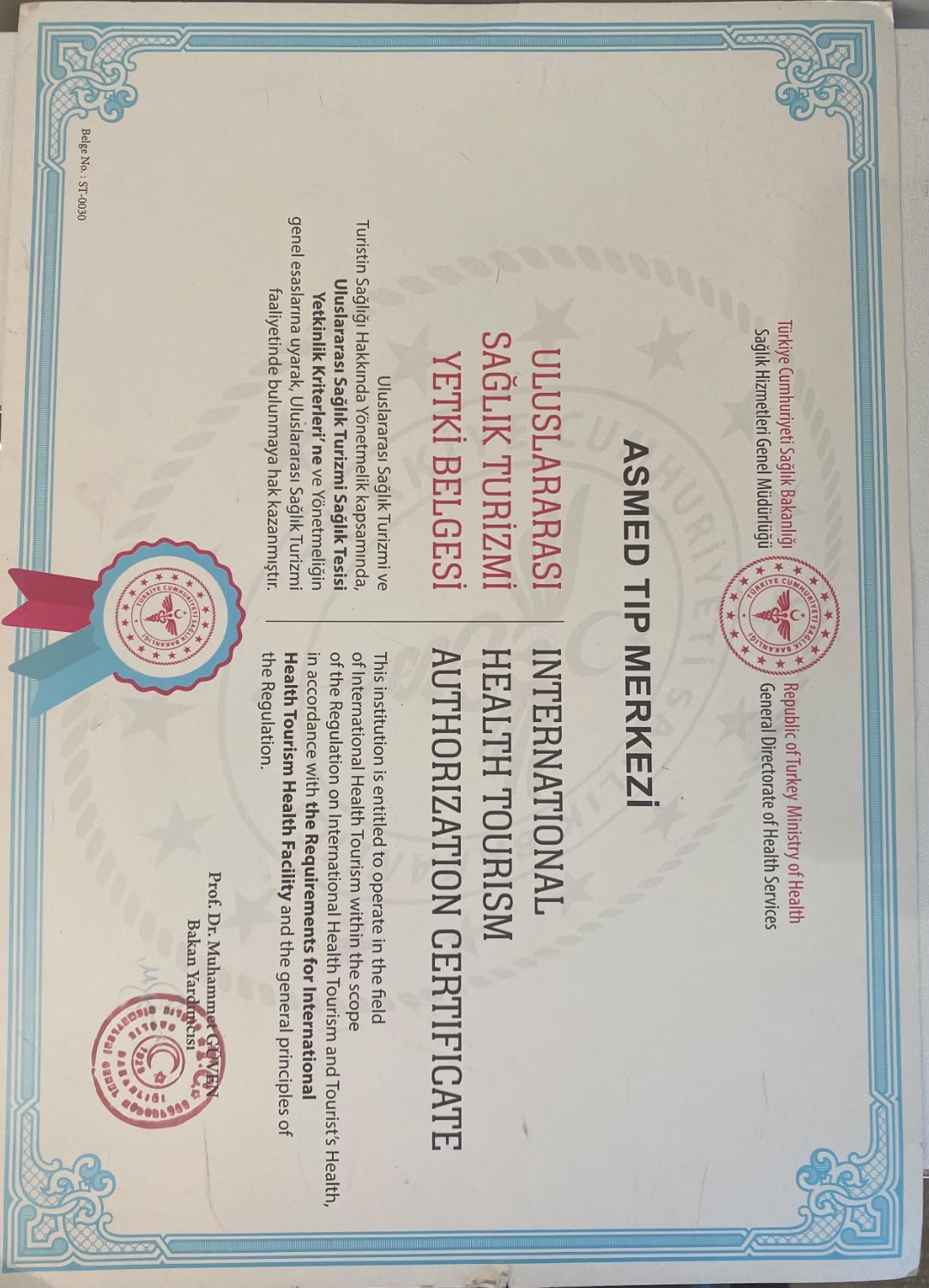
Uluslararası Sağlık Turizmi Yetkili Sağlık Tesisi
ASMED Tıp Merkezi, T.C. Sağlık Bakanlığı tarafından uluslararası sağlık turizmi alanında hizmet sunmak üzere yetkilendirilmiş bir sağlık tesisidir.
Sağlık Tesisi Sahibi: ASMED ÖZEL SAÇ EKİMİ SAĞLIK HİZMETLERİ A.Ş.
Yetki Belgesi No: ST-0030
International Health Tourism Authorized Healthcare Facility
ASMED Medical Center is a healthcare facility authorized by the Republic of Türkiye Ministry of Health to provide services in the field of international health tourism.
Owner and Operator: ASMED ÖZEL SAÇ EKİMİ SAĞLIK HİZMETLERİ A.Ş.
Authorization Certificate No.: ST-0030

Atatürk Mah. Sedef Caddesi No: 1/1 Ataşehir - İstanbul
Cookie Declaration - Update Date: 09.09.2026 - Editor: Ozer Erik - Tel: +90 216 464 11 11