
Intermittent Fasting and Hair Loss: How to Treat?
You've committed to intermittent fasting to improve your health, but now you're noticing more hair in the shower drain than usual. This isn't uncommon. Many people experience hair thinning while fasting, and it can shake your confidence in the dietary approach you've chosen. The uncertainty about whether this hair loss is temporary or permanent creates real anxiety. You're not alone in this concern, and there are proven ways to address it without abandoning your fasting protocol entirely.
Hair loss during intermittent fasting typically stems from nutritional gaps, stress responses, or metabolic shifts. The good news? Most cases are reversible when you understand what's happening and take targeted action. We've worked with patients who've faced this exact challenge, and the solutions are more straightforward than you might think.
Does Intermittent Fasting Cause Hair Loss?
Intermittent fasting doesn't directly cause hair loss, but it can trigger conditions that lead to hair thinning. The connection lies in how your body responds to caloric restriction and nutrient timing. When you compress your eating window, you may inadvertently reduce your overall caloric and nutrient intake below what your body needs to maintain optimal hair growth.
Hair follicles are highly sensitive to nutritional deficiencies and metabolic stress. They require consistent supplies of protein, iron, zinc, and B vitamins to maintain their growth cycle. During fasting periods, your body prioritizes essential functions over hair production. This shift can push hair follicles into a resting phase called telogen effluvium, where hair stops growing and eventually falls out.
Research shows that hair loss from fasting typically appears two to three months after you start the protocol. This delayed response makes it difficult to connect the dots initially. Men and women experience this differently, men often notice thinning at the crown and hairline, while women see more diffuse thinning across the scalp.
How Common Is Hair Loss Due To Intermittent Fasting?
While exact statistics vary, many practitioners observe that roughly 10% to 15% of individuals may experience some degree of hair thinning when they first transition to a strict fasting schedule. This phenomenon is particularly common among those who jump into aggressive 20:4 or One Meal A Day (OMAD) protocols without adequate preparation. Because the body views a sudden drop in available energy as a survival signal, it is quite frequent for non-essential systems like hair production to be temporarily deprioritized, making it a well-documented side effect in the wellness community.
How to Diagnose Intermittent Fasting Caused Hair Loss?
To determine if your hair loss is specifically linked to your fasting habits, a clinician will typically look for the signature signs of telogen effluvium, which involves a diffuse thinning rather than localized bald spots. Diagnosis often involves a thorough blood panel to check for low ferritin, Vitamin D, and zinc levels, alongside a "pull test" to see how many hairs are in the resting phase. If the thinning began approximately eight to twelve weeks after a significant change in your eating window and no other major stressors are present, the fasting protocol is likely the primary trigger.
Why Hair Loss Occurs During Intermittent Fasting?
The root cause of intermittent fasting hair loss usually traces back to specific nutritional deficiencies. Your hair needs building blocks to grow, and when those aren't available in sufficient quantities, your body redirects resources elsewhere. 1. Protein Deficiency Hair is made of keratin, a protein structure. When you don't consume enough protein during your eating window, your body can't produce new hair cells effectively. Most people need at least 0.8 grams of protein per kilogram of body weight daily, but this requirement increases during fasting protocols. 2. Iron and Ferritin Levels Iron deficiency is one of the most common causes of hair loss in women practicing intermittent fasting. Your body stores iron as ferritin, and when these stores drop, hair follicles suffer. Even if your hemoglobin levels appear normal, low ferritin can trigger significant hair thinning. 3. Vitamin and Mineral Shortfalls B vitamins, particularly biotin and B12, play crucial roles in hair health. Zinc supports hair tissue growth and repair. Vitamin D influences the hair growth cycle. When you compress your eating window, you might miss these essential nutrients unless you plan carefully. Collagen production also decreases when your diet lacks vitamin C and copper. These nutrients work together to strengthen hair shafts and prevent breakage. A comprehensive review in the Journal of Clinical and Aesthetic Dermatology confirms that multiple nutrient deficiencies often occur simultaneously in people experiencing hair loss during dietary restrictions.
How to Prevent Hair Loss While Fasting?
Prevention starts with strategic planning before hair loss begins. You can maintain your fasting protocol while protecting your hair by implementing these evidence-based strategies.
First, calculate your actual caloric needs and ensure you're meeting them within your eating window. Many people inadvertently create too large a caloric deficit, which triggers metabolic stress. Your body interprets this as a threat and responds by shutting down non-essential functions like hair growth.
Second, prioritize nutrient density over calorie counting alone. Every meal during your eating window should include high-quality protein sources, leafy greens, and healthy fats. We've seen patients reverse early hair thinning simply by upgrading their food choices during feeding periods.
Third, consider adjusting your fasting schedule. A 16:8 protocol might be too aggressive for some people. Starting with a 12:12 or 14:10 schedule gives your body more time to adapt while still providing fasting benefits. You can gradually extend your fasting window as your body adjusts.
Hydration matters more than most people realize. Dehydration during fasting periods can stress hair follicles. Drink water consistently throughout your fasting window to support scalp circulation and nutrient delivery to hair roots.
Best Supplements for Hair Loss During Fasting
Supplements can bridge nutritional gaps that diet alone might not fill during intermittent fasting. However, not all supplements are created equal, and timing matters when you're fasting.
Iron supplements should be taken with vitamin C to enhance absorption. Women with heavy menstrual cycles often need supplemental iron to maintain ferritin levels above 70 ng/mL, the threshold for optimal hair growth. Take iron on an empty stomach if possible, but if it causes nausea, consume it with a small amount of food during your eating window.
A high-quality B-complex vitamin supports energy metabolism and hair follicle function. Look for methylated forms of B12 and folate, which your body absorbs more efficiently. These water-soluble vitamins are generally safe and won't break your fast if taken in the morning.
Biotin supplements, typically dosed at 5,000 mcg daily, show promise in strengthening hair and reducing breakage. While biotin deficiency is rare, supplementation can improve hair quality in people with marginal intake. PharmD experts note that biotin works best when combined with other B vitamins rather than taken alone.
Omega-3 fatty acids from fish oil reduce scalp inflammation and support hair follicle health. These supplements are best taken with meals to enhance absorption and minimize digestive discomfort. A dose of 1,000-2,000 mg of combined EPA and DHA daily provides optimal benefits.
Can A Hair Transplant Fix Hair Loss Due To Intermittent Fasting?
While dietary-induced shedding is often temporary, a hair transplant can be an effective solution if the fasting has accelerated an underlying genetic condition or if the hair density does not return after nutritional correction. When considering a permanent fix, patients often look toward a hair transplant Turkey center for world-class expertise. While evaluating the hair transplant cost is important, the primary goal is ensuring that the hair follicles are restored to their former density once the body has returned to a stable metabolic state.
How to Stop Hair Fall During Intermittent Fasting?
Your eating window becomes critical real estate when you're trying to stop hair loss. Every meal needs to count toward your hair health goals while supporting your overall fasting benefits. Start your eating window with a protein-rich meal. Aim for at least 25-30 grams of high-quality protein from sources like eggs, fish, chicken, or plant-based alternatives. This immediate protein influx signals your body that resources are available for hair growth. Include iron-rich foods at every meal. Red meat, spinach, lentils, and fortified cereals provide different forms of iron. Pair these with vitamin C sources like citrus fruits or bell peppers to maximize absorption. One patient we worked with added a simple spinach and strawberry salad to her daily routine and saw significant improvement in her hair density within three months. Don't fear healthy fats. Avocados, nuts, seeds, and olive oil provide essential fatty acids that support scalp health and hormone production. These fats also help you absorb fat-soluble vitamins like vitamin D and vitamin E, both crucial for hair growth. Consider breaking your fast with bone broth. This collagen-rich liquid provides amino acids that directly support hair structure while being gentle on your digestive system. Many people find this approach helps them transition into their eating window without overwhelming their system.
Can You Reverse Hair Loss from Intermittent Fasting?
Yes, hair loss from intermittent fasting is reversible in most cases. The timeline depends on how quickly you address the underlying nutritional deficiencies and metabolic stress factors. Hair grows in cycles, so patience is essential. You'll typically notice reduced shedding within four to six weeks of implementing proper nutrition and supplementation. New hair growth becomes visible around the three-month mark. Full recovery to your pre-fasting hair density usually takes six to twelve months, as this aligns with the natural hair growth cycle. The recovery process follows predictable stages. First, active shedding slows as your hair follicles exit the telogen phase. Then, you'll see fine baby hairs emerging along your hairline and part. These eventually thicken and lengthen as your follicles fully recover. Some people find that their hair loss doesn't fully reverse with dietary changes alone. This often indicates that other factors are at play, such as genetic predisposition to pattern baldness or underlying hormonal imbalances. In these cases, advanced hair restoration techniques may be necessary.
Why ASMED Surgical Medical Center for Intermittent Fasting-Related Hair Loss
When dietary interventions aren't enough, professional hair restoration becomes the next logical step. ASMED Surgical Medical Center specializes in advanced FUE hair transplant procedures that address hair loss from various causes, including nutritional and metabolic factors. Our approach differs from traditional hair restoration clinics. We use the KE-Bot robotic scanning system to analyze your scalp with unprecedented precision. This technology allows us to map your hair density, identify areas of thinning, and create a customized restoration plan that accounts for your unique hair growth patterns.
Get a Free Consultation!
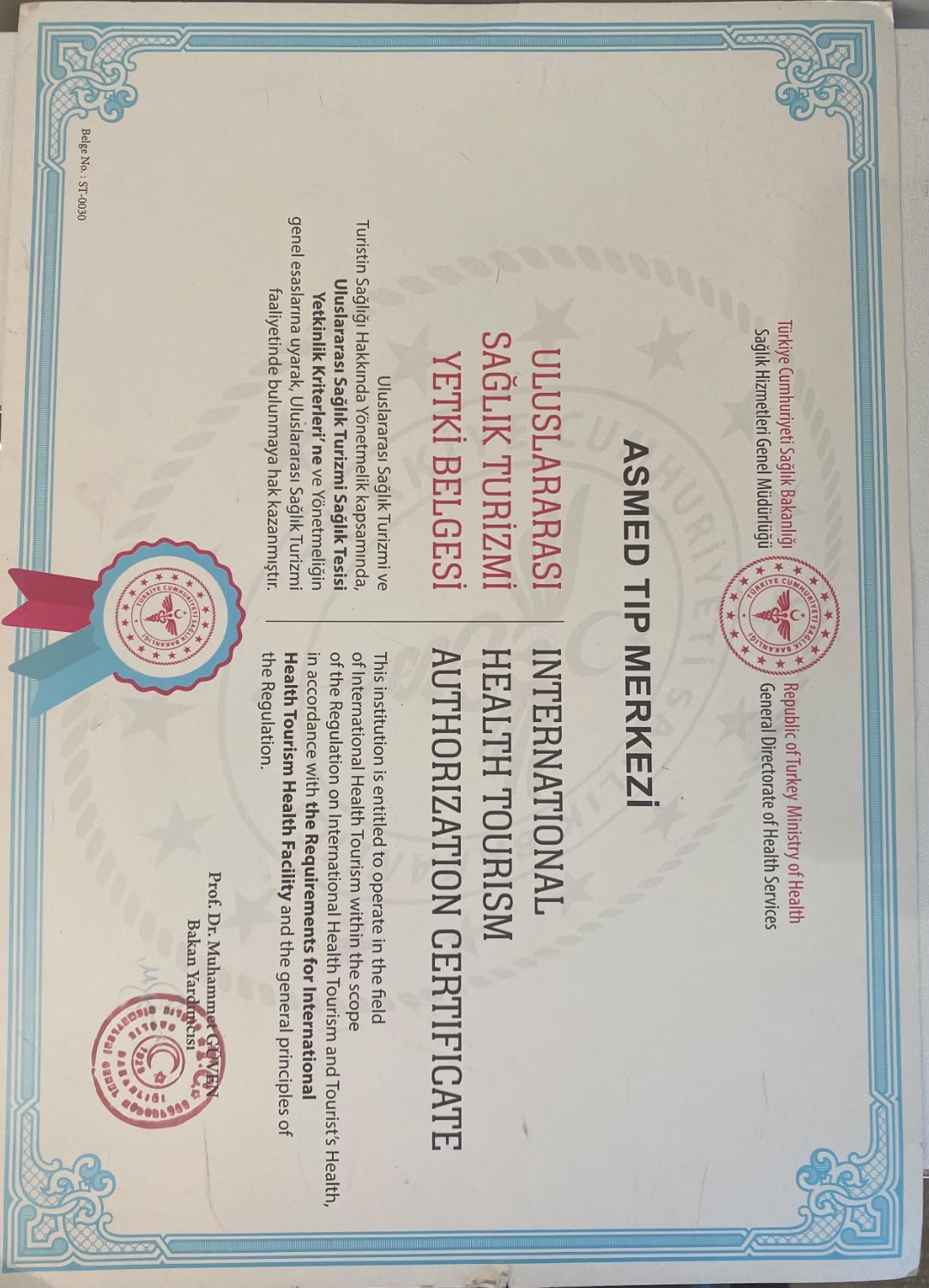
Uluslararası Sağlık Turizmi Yetkili Sağlık Tesisi
ASMED Tıp Merkezi, T.C. Sağlık Bakanlığı tarafından uluslararası sağlık turizmi alanında hizmet sunmak üzere yetkilendirilmiş bir sağlık tesisidir.
Sağlık Tesisi Sahibi: ASMED ÖZEL SAÇ EKİMİ SAĞLIK HİZMETLERİ A.Ş.
Yetki Belgesi No: ST-0030
International Health Tourism Authorized Healthcare Facility
ASMED Medical Center is a healthcare facility authorized by the Republic of Türkiye Ministry of Health to provide services in the field of international health tourism.
Owner and Operator: ASMED ÖZEL SAÇ EKİMİ SAĞLIK HİZMETLERİ A.Ş.
Authorization Certificate No.: ST-0030

Atatürk Mah. Sedef Caddesi No: 1/1 Ataşehir - İstanbul
Cookie Declaration - Update Date: 21.10.2026 - Editor: Ozer Erik - Tel: +90 216 464 11 11