
Does Adderall Cause Hair Loss? How to Prevent It?
Numerous drugs have the potential to reduce hair growth. These include blood pressure medicines, birth control pills, antibiotics, and drugs for acne. What about Adderall, though? Will Adderall make me lose my hair?
Amphetamines, which stimulate the central nervous system, are used to treat conditions like Attention Deficit Hyperactivity Disorder with Adderall. Due to its combination of amphetamine and dextroamphetamine, Adderall is a medication that is frequently recommended to treat narcolepsy and ADHD.
Many people using Adderall for ADHD or narcolepsy find themselves asking whether the medication can affect their hair. Questions like “does Adderall make your hair fall out?”, “can using Adderall cause hair loss?”, or “is hair loss from Adderall permanent?” are extremely common. Below, we break down the relationship between Adderall and hair loss, who is most at risk, and what you can do to protect your hair.
What is Adderall and How Does It Work?
Adderall is a prescription stimulant containing amphetamine and dextroamphetamine. It increases dopamine and norepinephrine levels in the brain to improve attention, focus, and alertness. While effective, it can also influence appetite, sleep, hormones, and stress levels, factors that may indirectly impact hair health.
Adderall and Hair Loss Connection
Although not a universal side effect, some individuals experience Adderall hair loss or Adderall hair thinning due to several triggers. Changes in appetite may lead to nutrient deficiencies, while increased stress or sleep disruption can push hair into the shedding phase. In some cases, the medication accelerates telogen effluvium, a temporary form of hair shedding. This is why many wonder about the link between hair loss due to Adderall and scalp health.
Does Adderall Cause Hair Loss?
Different types of hair loss may be caused by Adderall, either directly or indirectly. The components of Adderall may adversely affect hair follicles or growth cycles as an illustration of direct causality. In addition, due to modifications in behavior and health, Adderall may indirectly cause hair loss. Hair loss can also result from other typical Adderall adverse effects such as nervousness, lack of sleep, and decreased appetite.
Anxiety: Anxiety is a frequent adverse effect of Adderall. Studies have shown that the body's reaction to chronic stress significantly influences hair follicles and hair growth, which suggests that anxiety and the stress it causes may indirectly cause hair loss.
Sleep Loss: Insomnia and disrupted sleep cycles are two additional common side effects of Adderall. In addition, lack of sleep puts the body under a lot of stress, which can be bad for hair follicles and growth.
Reduced Appetite: Another adverse effect of Adderall is lowered appetite. Malnutrition can result from a lack of calories or nutritious nutrients, which can impair hair growth and other regular biological processes.
Who is at Risk for Hair Loss From Adderall?
You may be more likely to experience shedding if you:
- Have high stress levels or poor sleep
- Already have a genetic predisposition to hair thinning
- Experience nutritional deficiencies from appetite suppression
- Take higher doses or have recently increased your dosage These factors can heighten sensitivity to Adderall and hair loss side effects.
How To Prevent Hair Loss While On Adderall?
The best approach is to support your overall hair health. Eat nutrient-rich meals, even if appetite is low and prioritize vitamins like B12, iron, zinc, and biotin. Maintain a regular sleep schedule, minimize stress where possible, and use gentle hair-care products that protect the scalp. Routine monitoring by your doctor can also help by adjusting your dose if necessary.
Is Hair Loss From Adderall Reversible?
In most cases, yes. Hair shedding linked to stimulant medications is often temporary. Once the underlying trigger stabilizes, nutrition, stress, or dosage, hair typically begins to regrow. So, is hair loss from Adderall permanent? Usually not.
How To Stop Hair Loss From Adderall?
If you’re wondering how to stop hair loss from Adderall, focus on early intervention. Strengthen your diet, ensure adequate protein intake, and manage stress levels. Speak with your doctor about dose adjustments or alternative medications if shedding becomes persistent. Gentle scalp care and avoiding tight hairstyles also help minimize breakage.
Side effects of Adderall
Appetite Suppression
For good hair, a nutritious diet is essential. When you use Adderall, you could lose your appetite, and the accompanying nutritional shortage might lead to hair loss.
Increased Cortisol Levels
Cortisol levels are increased by short-term and long-term use of amphetamine stimulants like Adderall. Therefore, high blood cortisol levels are another significant factor causing damaged hair follicles and hair loss.
Rash and Itchy skin
As a result of taking Adderall, skin issues like acne or rash can develop. Hair loss from an irritated scalp can happen on its own, but repeated scratching of the scalp can also cause hair loss from a rash.
How to prevent hair loss caused by Adderall
Take vitamin D
Due to its ability to lower inflammation, vitamin D is essential for stress-related processes. You could lose more hair if you don't have enough vitamin D.
Try yoga
Since Adderall can raise anxiety and stress levels, a calming activity like yoga or sports can lower these levels and enhance sudden hair loss in men and general sleep quality.
Minoxidil
A treatment called minoxidil is applied directly to the scalp to increase blood flow, which in turn helps the hair receive more oxygen and nutrients. It comes in lotion or spray form and is used on dry hair to improve absorption. In addition, minoxidil induces the transition of hair follicles from the dormant or telogen phase to the anagen or active growth phase.
Pay attention to what you eat.
You need to watch your diet if telogen effluvium is causing your hair to thin out. Increase your intake of carrots, eggs, fish, avocados, and water, and try to stick to fresh, unpasteurized juices.
Be careful what you put in your hair.
Supermarket over-the-counter items have dangerous components that might worsen existing hair tension. Use hydrating masks occasionally, stay away from shampoos containing sulfates, parabens, silicones, phthalates, or scents, and always allow your hair to dry naturally.
Can A Hair Transplant Fix Hair Loss Due To Adderall?
If Adderall has worsened an existing genetic hair-loss pattern, a hair transplant can restore the hair density in affected areas. For temporary shedding, it’s usually recommended to wait until the scalp stabilizes. For long-term thinning, transplantation offers a permanent and natural-looking solution.
Hair Restoration Options for Adderall-Related Thinning at ASMED
For individuals whose hair density has been significantly affected, even after stabilizing Adderall use, professional intervention can make a real difference. At ASMED Surgical Medical Center, we understand how medication-induced shedding can impact confidence, especially when it accelerates existing genetic hair loss. That’s why every patient begins with high-resolution digital scalp analysis and an in-depth evaluation of the underlying causes of thinning.
Using advanced FUE Hair Transplant techniques, refined surgical planning, and detailed coverage value assessments, our team focuses on restoring density in a way that looks natural and balanced. Dr. Koray Erdoğan’s approach blends scientific precision with artistic design, ensuring each transplanted area harmonizes perfectly with the patient’s facial structure and existing hair pattern.
Whether you're dealing with temporary shedding that became long-term, or Adderall accelerated a genetic predisposition to thinning, our goal is to provide solutions that feel both reassuring and transformative. With innovative technology, transparent guidance, and years of expertise, ASMED continues to support patients who want to regain confidence and achieve lasting, natural results. As one of the leading destinations for hair transplant Turkey, ASMED attracts patients worldwide seeking reliable expertise and consistently natural outcomes.
For all the solutions your hair needs, visit Asmed. For help with your hair transplant timeline, you can also visit Asmed.
Get a Free Consultation!
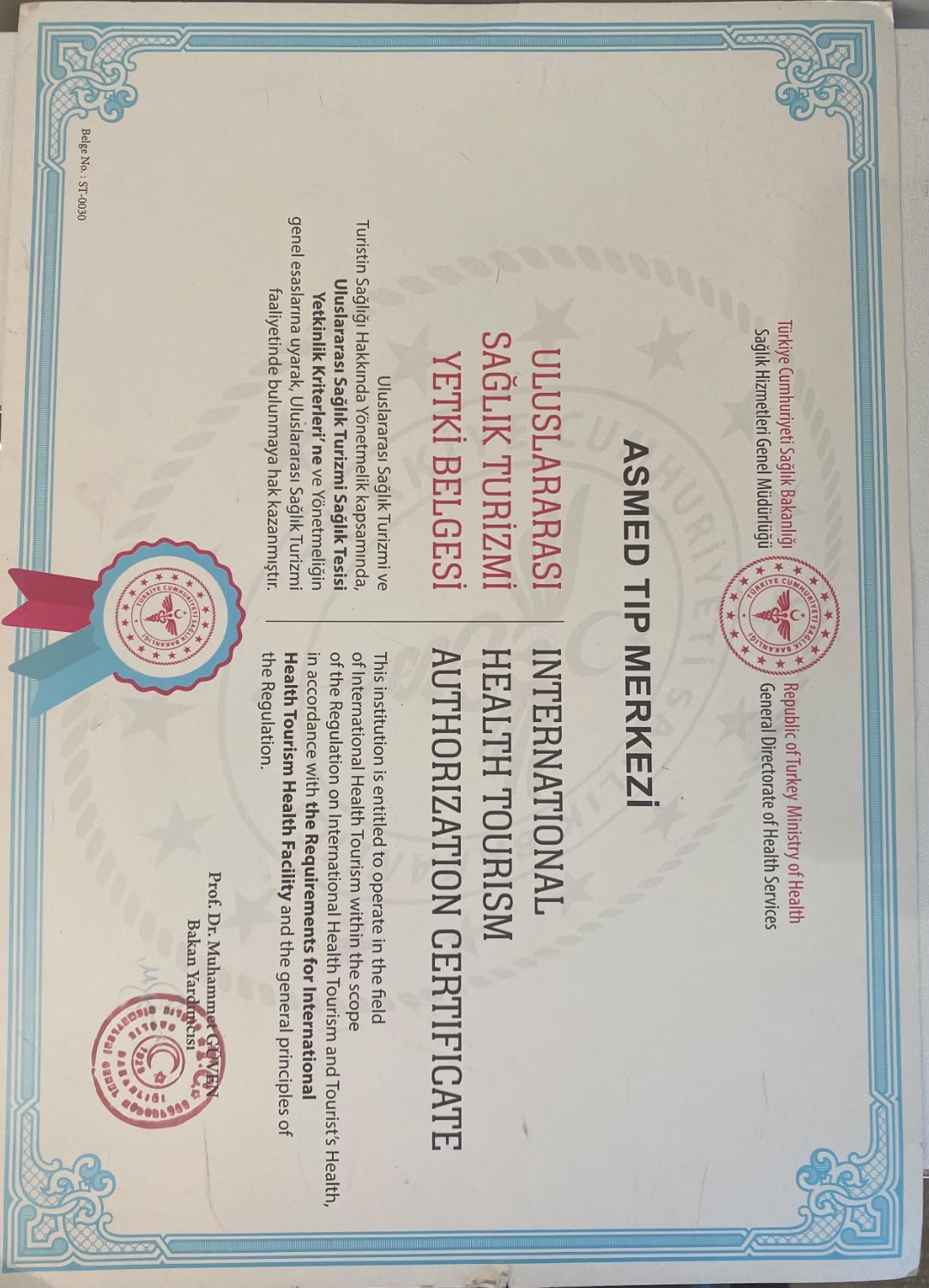
Uluslararası Sağlık Turizmi Yetkili Sağlık Tesisi
ASMED Tıp Merkezi, T.C. Sağlık Bakanlığı tarafından uluslararası sağlık turizmi alanında hizmet sunmak üzere yetkilendirilmiş bir sağlık tesisidir.
Sağlık Tesisi Sahibi: ASMED ÖZEL SAÇ EKİMİ SAĞLIK HİZMETLERİ A.Ş.
Yetki Belgesi No: ST-0030
International Health Tourism Authorized Healthcare Facility
ASMED Medical Center is a healthcare facility authorized by the Republic of Türkiye Ministry of Health to provide services in the field of international health tourism.
Owner and Operator: ASMED ÖZEL SAÇ EKİMİ SAĞLIK HİZMETLERİ A.Ş.
Authorization Certificate No.: ST-0030

Atatürk Mah. Sedef Caddesi No: 1/1 Ataşehir - İstanbul
Cookie Declaration - Update Date: 09.09.2026 - Editor: Ozer Erik - Tel: +90 216 464 11 11