
Can Dehydration Cause Hair Loss? Prevention & Treatment
Wondering if that extra glass of water could actually help your hair? While dehydration isn’t usually the sole cause of baldness, it can absolutely influence the way your hair and scalp behave. Dry scalp, brittle strands, increased breakage, and temporary shedding can all make your hair look and feel thinner. Below, we break down dehydration and hair loss, when to worry, how to prevent it, and what to do if you’re already seeing hair loss from dehydration.
Dehydration and Hair Loss
Dehydration happens when your body loses more fluid than it takes in. Your skin—including your scalp—relies on fluid balance to stay comfortable and resilient. When you’re not hydrated, the scalp barrier can feel tight and flaky, and hair shafts may become more fragile. That fragility can mimic hair loss because broken strands and increased shedding leave less volume behind. For many people, addressing hydration habits improves hair feel, shine, and manageability—important wins even if you’re also dealing with pattern hair loss or another condition.
How Dehydration Affects Your Hair Health?
Hydration affects hair health in two primary ways:
1. Scalp environment: A hydrated scalp is calmer, better balanced, and more comfortable. When the scalp is dry, you’re more likely to scratch, over-wash, or over-style—behaviors that can lead to more breakage and fallout.
2. Hair fiber quality: Hair strands are like tiny, keratin-based “ropes.” When they’re dried out from within and without, they’re more prone to snapping, splitting, and looking dull. You might not be losing hair follicles, but breakage makes hair look thinner.
In short, hydration won’t rewrite your genetics, but it helps you get the best performance from the hair you have.
Can Dehydration Cause Hair Loss?
The direct question can dehydration cause hair loss? has a nuanced answer. Dehydration rarely triggers permanent conditions like female or male pattern baldness. However, it can contribute to temporary shedding and breakage and may aggravate existing issues. If dehydration happens alongside illness, heat stress, rapid weight loss, or poor nutrition, the combined stress can push more hairs into the shedding phase. So while hair loss due to dehydration is not the most common diagnosis, it can be part of the picture.
How Common Is Hair Loss Due To Dehydration?
True, standalone dehydration hair loss is uncommon. Most people experiencing thinning have one of the classic drivers: genetics (androgenetic alopecia), hormonal shifts, illness, medications, nutrient deficiencies, or stress. That said, inadequate fluid intake is a magnifier it often makes every other issue look worse. If you’ve recently been sick, traveling, training in hot weather, or underhydrated for days, you may notice extra shedding a few weeks to months later. The good news: this type of shedding is usually temporary.
How To Prevent Hair Loss From Dehydration?
Want to get ahead of hair loss from dehydration? Start with simple, sustainable routines:
- Hydrate consistently: Sip fluids throughout the day instead of “catching up” at night. Herbal teas, water-rich fruits/veg, and broth all count.
- Balance electrolytes in heat/exercise: If you sweat heavily, consider light electrolyte support to keep fluid balance in check.
- Nourish from within: Protein, iron, zinc, vitamin D, and overall calorie sufficiency matter for hair growth.
- Be kind to your scalp: Gentle shampoos, hydrating conditioners, and avoiding harsh heat or chemicals preserve strand integrity.
- Manage daily stressors: Sleep, exercise, and relaxation techniques help reduce stress-related shedding.
- Track your baseline: A quick “hydration habit” note in your phone can help you connect the dots if shedding appears.
Can Hair Loss From Dehydration Be Reversed?
In many cases, yes. If dehydration is a meaningful part of your shedding story, improving fluid intake and overall wellness often allows the growth cycle to normalize over weeks to months. Hair grows slowly, so patience matters. If shedding persists or you notice pattern-like recession at the hairline or crown, combine hydration fixes with a proper evaluation and targeted therapies.
Treatment of Hair Loss From Dehydration
Think of dehydration hair loss treatment as a layered plan:
1. Rehydrate and rebalance: Adopt daily fluid routines that fit your lifestyle. Add electrolytes during hot-weather training or long outdoor days.
2. Protect the fiber: Use a hydrating conditioner, minimize high-heat tools, and avoid aggressive brushing when hair is wet. Consider leave-ins that improve slip and reduce friction-related breakage.
3. Optimize nutrition: Ensure adequate protein intake (hair is primarily protein) and check for common gaps (iron, vitamin D, zinc) with a healthcare professional if needed.
4. Support the growth cycle: When appropriate and medically advised, options like topical minoxidil, low-level laser devices, or PRP can encourage stronger regrowth—especially if dehydration overlapped with another trigger.
5. Address underlying causes:Thyroid issues, postpartum changes, specific medications, and rapid weight loss can cause or worsen shedding. Treating the root cause delivers the most reliable results.
Can A Hair Transplant Fix Dehydration Hair Loss?
A hair transplant relocates follicles; it doesn’t treat systemic triggers like dehydration. If your shedding is temporary and tied to fluid balance or illness, surgery is not first-line. Focus on hydration, nutrition, and scalp care, then reassess in a few months. However, if you also have pattern hair loss, a transplant may be an option—after your scalp has stabilized and you’re on a supportive medical routine. An expert evaluation will measure donor capacity, hair characteristics, and long-term planning to ensure natural outcomes.
At ASMED Surgical Medical Center, we separate temporary shedding from true hair loss with precision diagnostics—digital scalp analysis, Coverage Value modeling, and individualized assessments. Led by Dr. Koray Erdoğan, our team uses advanced FUE hair transplant methodology alongside innovative tools such as KE-Bot robotic scanning and the K.E.E.P. embedding placer to plan every step with accuracy. Whether your goal is reversing hair loss from dehydration through medical guidance or restoring the hair density with a carefully staged transplant, we design a plan around your age, hair texture, donor capacity, and long-term goals. In a world full of conflicting advice, ASMED focuses on science, surgical artistry, and patient education—so your hair restoration journey is clear, confident, and crafted for lasting results.
Get a Free Consultation!
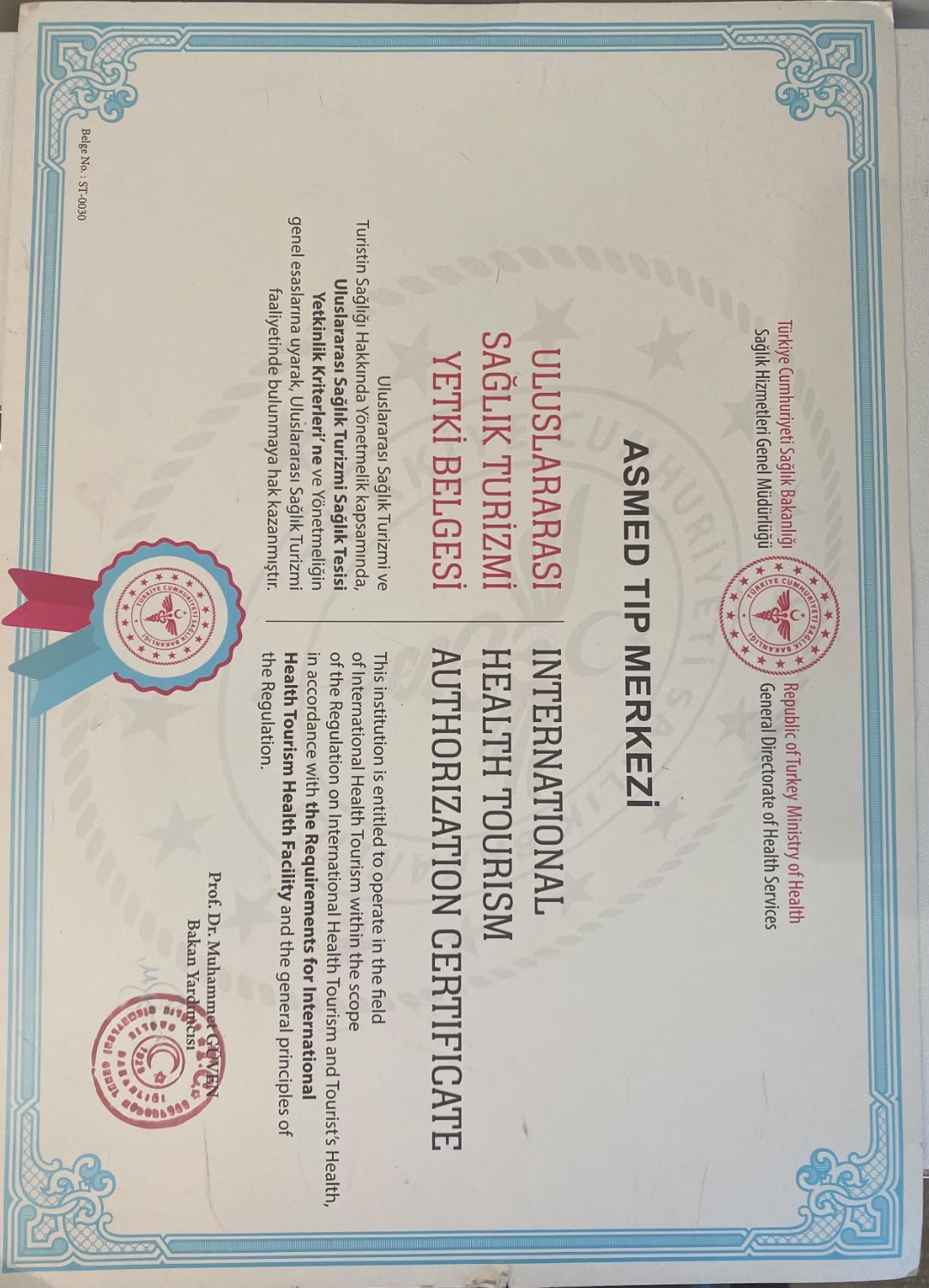
Uluslararası Sağlık Turizmi Yetkili Sağlık Tesisi
ASMED Tıp Merkezi, T.C. Sağlık Bakanlığı tarafından uluslararası sağlık turizmi alanında hizmet sunmak üzere yetkilendirilmiş bir sağlık tesisidir.
Sağlık Tesisi Sahibi: ASMED ÖZEL SAÇ EKİMİ SAĞLIK HİZMETLERİ A.Ş.
Yetki Belgesi No: ST-0030
International Health Tourism Authorized Healthcare Facility
ASMED Medical Center is a healthcare facility authorized by the Republic of Türkiye Ministry of Health to provide services in the field of international health tourism.
Owner and Operator: ASMED ÖZEL SAÇ EKİMİ SAĞLIK HİZMETLERİ A.Ş.
Authorization Certificate No.: ST-0030

Atatürk Mah. Sedef Caddesi No: 1/1 Ataşehir - İstanbul
Cookie Declaration - Update Date: 09.09.2026 - Editor: Ozer Erik - Tel: +90 216 464 11 11