
Hair Loss After Steroid Injection: Causes and Treatment
Steroids may enable certain individuals to regrow their hair; however, many patients fear that these steroid injections might actually cause their hair to shed. This article will discuss the process involved with scalp injections, why shedding occurs following these injections, side effects to be aware of, and other solutions such as hair transplants.
Can Steroid Injections Cause Hair Loss?
Hair loss treatment involves injections of steroids into the scalp; they do not cause hair loss. When a steroid is injected into an area without any hair growth, the immune response becomes reduced, which is the reason behind the use of steroids as the first choice in the treatment of alopecia areata. However, some patients may experience an increase in hair loss, and there could be several explanations for that. Alopecia areata may continue to develop, follicles may react to the procedure, or the tissue where the injection was applied could become changed. Other steroids will be discussed later.
Steroid injections are used to treat certain types of hair loss, such as temporary hair loss or excessive hair loss. Steroid injections treat hair loss caused by the body's own immune system attacking hair follicles. Normally, the immune system should be combating infections. However, in some hair loss conditions, the immune system attacks the hair follicle, causing hair loss. Steroids can prevent the immune system from attacking the hair follicles.
Steroid injections are intended to suppress the immune system, which is suppressed in alopecia areata. This keeps them from harming hair follicles, allowing them to operate normally and stimulating hair regeneration. These injections are repeated roughly every four to six weeks and appear to perform best in people who have minor areas of hair loss. This treatment may need to be repeated every few months.
Why Choose Steroid Injections?
This medication is suitable for those who have been diagnosed with alopecia, and it can cure a variety of hair loss diseases, including alopecia areata and some forms of friction. It is most suited for spotty, moderately steady hair loss on a small scale. For larger hair loss problems, a hair transplant is probably a better alternative.
Why Hair May Fall Out After a Steroid Injection
It is not necessary that hair loss following an injection is due to the drugs themselves. Alopecia areata is quite unpredictable; the development of another patch can occur while an existing patch is being managed. In such cases, hair loss occurs due to alopecia areata itself and not due to the injection.
In addition, hair loss can occur due to the fact that hair that is sensitive during the growth phase can shed during this time frame before new hair can grow. However, this is temporary and can be shocking. This leads us to our next factor, dosing and technique. Excess steroid dose delivered too superficially can weaken the skin tissue and cause localized hair loss.
Side Effects of Scalp Steroid Injections
Although the injection of corticosteroids in the scalp is normally well tolerated by patients, there are some side effects associated with this treatment. These include the following:
- Temporary pain, stinging, or redness in the area of injections.
- Atrophy of the skin or indentations in the scalp, especially after several sessions or when injecting high doses.
- Visible blood vessels or patches of paler skin at the site of treatment.
- Occasionally, an infection, development of acne-like lesions, or an allergy.
Small quantities of the drug injected directly to the scalp hardly lead to any systemic effects on the body. Nevertheless, your medical history will be reviewed.
Steroid Injections vs. Anabolic Steroids: Effects on Hair
The term "steroid" refers to a wide range of materials. The corticosteroids used for injection in the scalp help reduce inflammation and suppress the immune response. Anabolic steroids are synthetics that mimic the male hormone testosterone, and can increase the level of DHT in the body. This makes a difference in hair loss cases, since DHT is responsible for male pattern baldness among those who are susceptible to it. Medical steroid injections have not been associated with this mechanism, while anabolic steroids can hasten the process.
What Steroids Can Do to Your Hair
Pattern baldness is caused mostly by hormonal changes. Increased amounts of dihydrotestosterone (DHT) in particular will harm hair follicles. DHT will bind to follicles and cause irritation. These damaged hairs will eventually fall off. Many steroids enhance DHT levels in the body, causing severe hair loss. However, not everyone is prone to baldness. Your hair follicles may be genetically predisposed to tolerance to greater amounts of DHT. Steroids will not induce baldness in these circumstances. But you should be careful when using injections of steroids.
How Long Does It Take to See Hair Regrowth After Steroid Injections?
Do not anticipate immediate success. Some patients report that fine and soft hairs start growing from the treated area a few weeks after receiving the treatment, and the next few months may see thick and dark-haired growth. Hair takes time to grow; therefore, the success rate cannot be measured immediately but only after several visits to the clinic.
When Should Steroid Injections Be Performed?
Steroid injections are thought to be most effective within the first month of establishing an alopecia areata patch. It is also possible that by managing inflammation early on, the immune system is calmed and does not cause patches of hair loss elsewhere on the scalp. Steroid injections can be administered at any moment, as indicated by your doctor, even one or two years after the presence of a patch.
Who Is a Good Candidate for Steroid Injections for Hair Loss?
Ideal candidates would be adults suffering from alopecia areata that is patchy and incomplete. It is better for the affected person to have a few patches rather than a large area of hair fall out. The injections are not meant for people with genetic pattern baldness due to hormonal sensitivity and the miniaturization of hair follicles. Make sure you diagnose the problem before undergoing treatment.
How Is Treatment Performed?
In this procedure, a very fine needle is used to insert a little drop at many locations inside an area in order to distribute the pharmaceutical dose equally and limit the possibility of adverse effects. Treatments last around 5 to 10 minutes. There is some little pain at the time of injection, but it is brief. Anesthesia is not necessary for this procedure.
Alternative Treatments to Steroid Injections for Hair Loss
When injections aren't suitable or don't work, other options exist. Some patients can use topical corticosteroids or minoxidil, and for extensive alopecia areata doctors may consider other immune-modulating therapies. Platelet-rich plasma and medication for pattern baldness are further choices in selected cases. For permanent, stable loss, surgical restoration such as a FUE hair transplant moves healthy follicles from the donor area to thinning zones. Which one fits depends on the cause, how much hair is lost and what you want from treatment.
When to See a Doctor About Hair Loss After Injections
See a doctor if shedding keeps increasing, new bald patches show up, or the injected area turns sunken, painful, swollen or oddly discolored. Signs of infection, such as warmth, pus or fever, need prompt attention. And if you use anabolic steroids and notice thinning, talk to a medical professional instead of changing doses yourself.
Is a Hair Transplant an Option After Steroid-Related Hair Loss?
A hair transplant is worth considering once hair loss has stabilized and the cause is clear. During active alopecia areata, surgery is usually discouraged, since the immune attack could hit the transplanted hair too. For steroid-related pattern baldness that has settled, a transplant may realistically restore density. Many patients compare clinics abroad, and before deciding you can read about a hair transplant in Turkey and the factors behind hair transplant cost. A personal consultation is the best way to confirm whether you're a candidate.
FAQs About Hair Loss After Steroid Injection
Will my hair grow back after stopping steroid injections?
Often, yes, particularly if the loss was tied to alopecia areata or a temporary shock to the follicles. But regrowth from alopecia areata can relapse once treatment stops, and pattern baldness driven by DHT sensitivity may not reverse on its own. Your doctor can advise you based on your diagnosis.
How long does it take for hair to regrow after a steroid injection for alopecia areata?
Fine hairs may show up within a few weeks, but visible regrowth usually takes a few months and several sessions. It differs from person to person.
How often can steroid injections be given on the scalp?
As noted above, they're generally repeated about every four to six weeks, and the doctor decides how many sessions you need. Spacing them out lowers the risk of skin thinning.
Are steroid injections for hair loss painful or risky?
Any discomfort is usually brief and mild. The risks are mostly local, such as skin thinning, dents or pigment changes, and they're less likely with small, well-spaced doses from an experienced clinician. Mention any health conditions to your doctor beforehand.
Each incidence of hair loss is unique, and your treatment goals are unique to you. Not each treatment is suitable for everyone. We, at Asmed, can assist you in understanding your specific situation of hair loss and guide you through your alternatives. Please contact the Asmed clinic today for more information about hair transplant in Istanbul!
Consultazione gratuita!
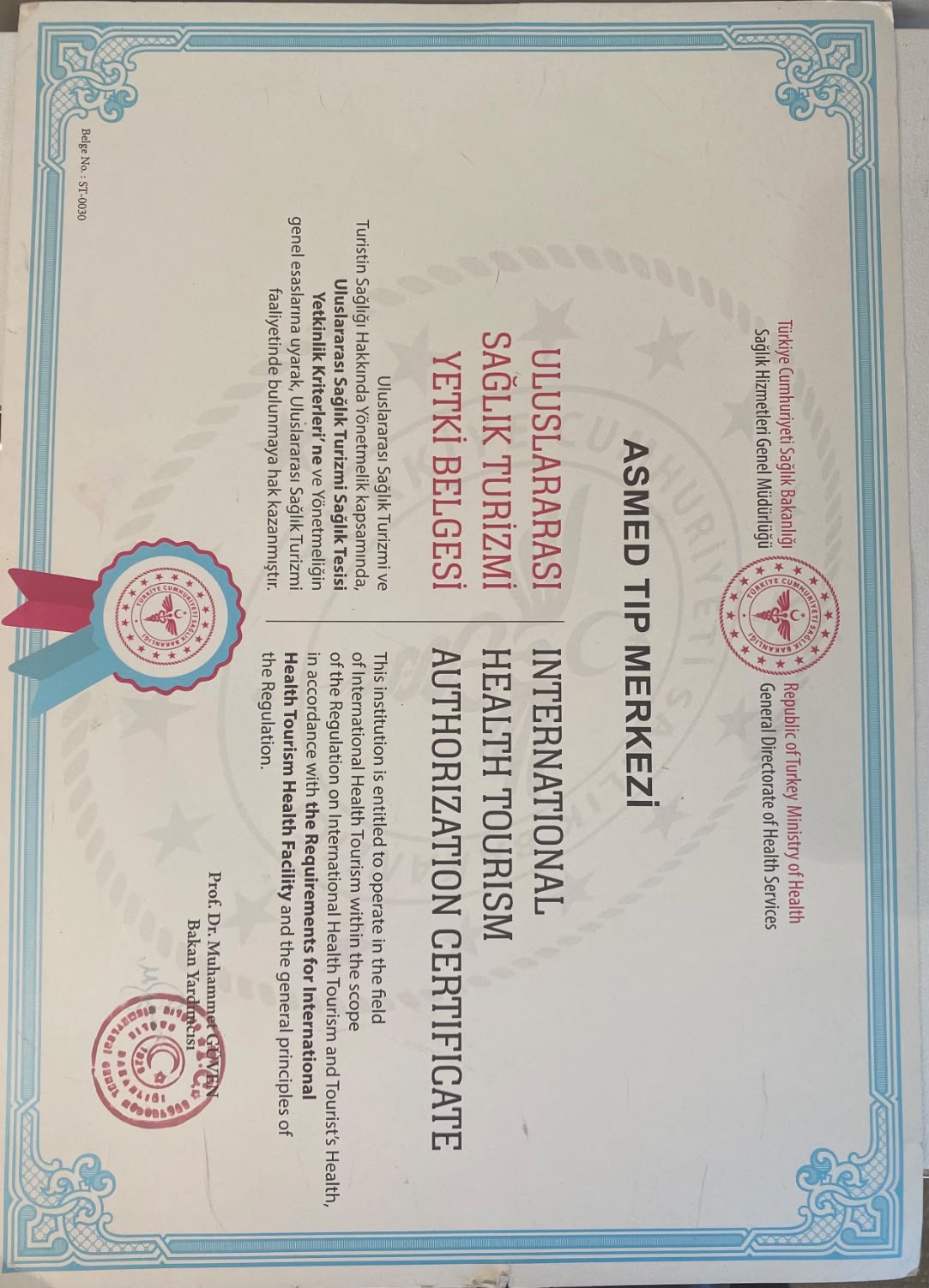
Struttura sanitaria autorizzata per il turismo sanitario internazionale
ASMED Medical Center è una struttura sanitaria autorizzata dal Ministero della Salute della Repubblica di Türkiye a offrire servizi nell'ambito del turismo sanitario internazionale.
Proprietario e gestore: ASMED ÖZEL SAÇ EKİMİ SAĞLIK HİZMETLERİ TİCARET A.Ş.
Certificato di autorizzazione n.: ST-0030

Atatürk Mah. Sedef Caddesi No: 1/1 Ataşehir - İstanbul
Cookie Declaration - Update Date: 23.11.2026 - Editor: Ozer Erik - Tel: +90 216 464 11 11