
Scalp Eczema and Hair Loss: Causes and Treatments
A range of disorders that cause skin to become sensitive, swollen, itchy, and red are called eczema. One of these disorders is seborrheic dermatitis, which causes a reddish-colored rash that is greasy and contains yellow or white scales on the skin's surface. When these common scalp problems develop, they might resemble dandruff and sometimes even cause temporary hair loss. There are numerous hair loss reasons including nutrition deficiencies, medications, and medical conditions like eczema. So, you do not need to worry immediately because you are experiencing hair loss due to eczema or dermatitis on your scalp. It will be best if you learn more about the problems and consult a professional.
What Types of Scalp Eczema Can Cause Hair Loss?
All kinds of eczema do not have the same effect on the scalp, and knowing the particular kind of eczema that you suffer from is very important for any kind of treatment. There are several forms of eczema that come under the broad heading of scalp eczema.
Seborrheic Dermatitis
Seborrheic dermatitis frequently manifests as oily scaly areas on the skin. The skin under the spots is red, and the scales peel off, similar to dandruff flaking. Some patients may also experience extreme itching. For most cases, there are phases when the illness worsens, known as flares, and then times when it improves. Flares may be more common in those who are under a lot of stress, going through hormonal changes, or drinking a lot. Stress makes the hair loss due to eczema even worse. As it is known, stress and hair loss are highly correlated.
Atopic dermatitis is yet another common type of eczema that can affect the scalp, resulting in severe itching and constant inflammation. While atopic dermatitis appears mostly on the face and other parts of the body, once it occurs on the scalp, it leads to the same cycle of itching and scratching along with damaging follicles, which results in hair loss in people suffering from scalp eczema. Contact dermatitis is another important type of eczema which is basically an allergic or irritant reaction due to shampoo, hair dye, or other hair styling products.
How Scalp Eczema Leads to Hair Thinning: The Science Behind It
A healthy scalp is the foundation of good hair. Hair growth can be problematic in areas of inflammation caused by eczema on the scalp, especially seborrheic dermatitis. Plucking and scratching the afflicted regions can also cause more pain and hair loss. Scratching often can also cause infection and damage to your hair follicles. If you suffer from scalp eczema or seborrheic dermatitis, any hair loss or thinning of hair will most likely be temporary, and your hair will come back after the disease has cleared.
In order to comprehend the relationship between scalp eczema and hair loss, it is necessary to consider what occurs from a follicular point of view. Each hair follicle sits inside a small pocket of skin supplied by blood vessels and surrounded by sebaceous glands. In the event where eczema results in inflammation in the skin cells surrounding the hair follicles, the latter is unable to have the right conditions for healthy development. Sustained inflammation can push follicles prematurely into the resting phase, a process called telogen effluvium, causing diffuse shedding across the scalp. With severe or chronic cases, inflammation and scratching of these areas repeatedly may result in local scarring around follicle openings, and this is precisely why it is crucial to have an early control of the condition.
Is Hair Loss from Scalp Eczema Permanent or Temporary?
The hair loss associated with scalp eczema is usually only temporary for most individuals. When the inflammation and other problems in the scalp have been successfully treated, the follicles that have been affected are able to resume their usual growth cycle. Most patients begin seeing new growth within a few months of achieving consistent symptom control. That said, when eczema has been severe, left untreated for a long time, or repeatedly aggravated by scratching and secondary infection, some degree of follicle scarring can develop. Scarring closes off the follicle opening and blocks new hair from emerging, which can result in patches of permanent loss. This is the reason why one should consider the treatment of scalp eczema hair loss condition sooner than later.
Treatment Options for Scalp Eczema
Although there is no cure for scalp eczema, there are numerous medications available to minimize the symptoms. Experts advise controlling the problem with frequent washing and conditioning, consistent medication usage, and avoiding eczema triggers, such as stress and alcohol use. Consult a doctor about your problem to find the best treatment choice for you.
There are various shampoos recommended by the dermatologist which have ingredients like ketoconazole, zinc pyrithione, or coal tar, and these are effective against yeast and inflammatory responses that trigger seborrheic dermatitis. The topical application of corticosteroid is another type of medication usually prescribed for managing sudden flares and these act fast to reduce redness and itching, providing follicles time to heal. However, topical calcineurin inhibitors can be used in case of atopic forms of this condition as an alternative without the use of steroid. In case of resistant or severe cases, doctors might go for oral antifungals or in some cases even systemic anti-inflammatories. In addition to all these, there are clinicians who prescribe minoxidil topical as an additional hair loss treatment for scalp eczema.
How to Stop Hair Loss Due to Eczema: Daily Care and Lifestyle Tips
Preventing hair loss caused by eczema is not simply about taking medications; other things such as daily practices can play a major role in this process. Regular use of a mild and unscented shampoo will help eliminate the scales and excess of sebum that fuel the growth of yeast responsible for causing seborrheic dermatitis, but harsh scrubbing will only make the problem worse since it irritates the scalp and results in increased hair shedding. One should pat his/her scalp dry after washing and keep the nails short to avoid damaging the hair shafts when he/she feels like scratching the head. Diet and stress management are equally important, especially those that have high contents of Omega-3, zinc and B vitamins which help in protecting the skin barrier and hair growth. Since stress is one of the causes of hair loss, incorporating exercises, proper sleeping habits and mindfulness helps reduce frequency and intensity of eczema flare-ups.
Ingredients and Products to Avoid If You Have Scalp Eczema
It is just as important to select the right product as it is to select the right treatment when addressing scalp eczema hair loss. There are many products including shampoos, conditioners, and styling products that have ingredients that can trigger or aggravate the symptoms. Fragrance and parfum are two of the most frequent sensitizers and should be avoided at all costs especially on products that will be used on the scalp. Sodium lauryl sulphate strips the protective layer of lipids from the skin. Propylene glycol, formaldehyde releasers, and specific alcohols present towards the top of the ingredient list may also interfere with the function of that barrier. Many hair coloring products, which are permanent or semipermanent in nature, usually have paraphenylenediamine (PPD), which is a very strong contact allergen responsible for causing most of the contact dermatitis on the hairline. If you are not sure whether the cosmetic product is safe for you, then a good approach will be to patch test on a small area first.
Hair Transplant Considerations for Patients with Scalp Eczema
People who have areas of baldness from scalp eczema or even those who have hair loss due to genetic factors and whose conditions have been aggravated due to eczema might want to consider surgery as an option. A FUE hair transplant involves extracting individual follicular units from a donor area and placing them into thinning or bald zones with minimal scarring. Active eczema, however, is a contraindication: transplanting into inflamed tissue reduces graft survival and raises the risk of spreading infection. Any candidate with a history of scalp eczema needs the condition in a stable, well-controlled state, ideally for several months, before surgery is scheduled. People considering a hair transplant in Turkey should share their full dermatological history during the consultation so the surgical team can properly assess scalp health and time the procedure for the safest possible window.
FAQs About Scalp Eczema and Hair Loss
Will my hair grow back after scalp eczema clears up?
For the most part, yes. Once the condition has been adequately addressed and the inflammation has ceased, the follicles that have become disrupted for a temporary time will continue to function normally again, and your hair will grow back. The key phrase there is "for a temporary time," as follicles that have not become permanently scarred have the potential for regrowing new hair. If you have had long-term inflammation, or your follicles have become scarred, it might be wise to visit a dermatologist or trichologist.
Can stress-triggered eczema flares make hair loss worse?
Of course, the connection goes both ways. Psychological stress is known to be a proven cause of eczema outbreaks, and it might also force hair follicles into the telogen stage through telogen effluvium. This means that an outbreak period may result in both an outbreak and hair shedding at once. And the result will appear much more drastic in comparison to the separate effect of each of these factors. Stress treatment in the form of exercising, enough sleep and psychological help, if necessary, can improve the situation directly.
How long does it take to see hair regrowth after treating scalp eczema?
Patience matters here. Even after scalp inflammation has resolved, follicles need time to work back through the growth cycle before new strands become visible. Most people notice the first signs of regrowth within two to three months of achieving consistent symptom control, but meaningful improvement in overall hair density can take six months or longer. If there's been no regrowth after six months of well-managed eczema, it's worth going back to your doctor, an additional factor such as androgenetic alopecia may be contributing to the loss.
Is scalp eczema contagious, and can it spread to cause wider hair loss?
It is important to state that scalp eczema is not contagious. This means that the disease does not transfer from one patient to another via touching or using the same comb or anything else. Scalp eczema is a condition of the skin that develops due to the combination of several factors including a person’s genetics, his or her immune system, and external factors. However, the disease may spread on the scalp because the hair loss from the scalp eczema may enlarge with time if flare-ups are not controlled.
You have alternatives here at Asmed regardless of how much or how little hair you have lost. At Asmed, we provide a large set of tested remedies for men and women of all ages who are experiencing hair loss. Schedule a free consultation with one of our qualified specialists now. You will learn about your amount of hair loss, the state of your scalp, and which remedy will provide you with the desired results. You could also ask questions about hair transplants and learn what is the best hair transplant method for you through consultation and examination.
Holen Sie sich eine kostenlose Beratung!
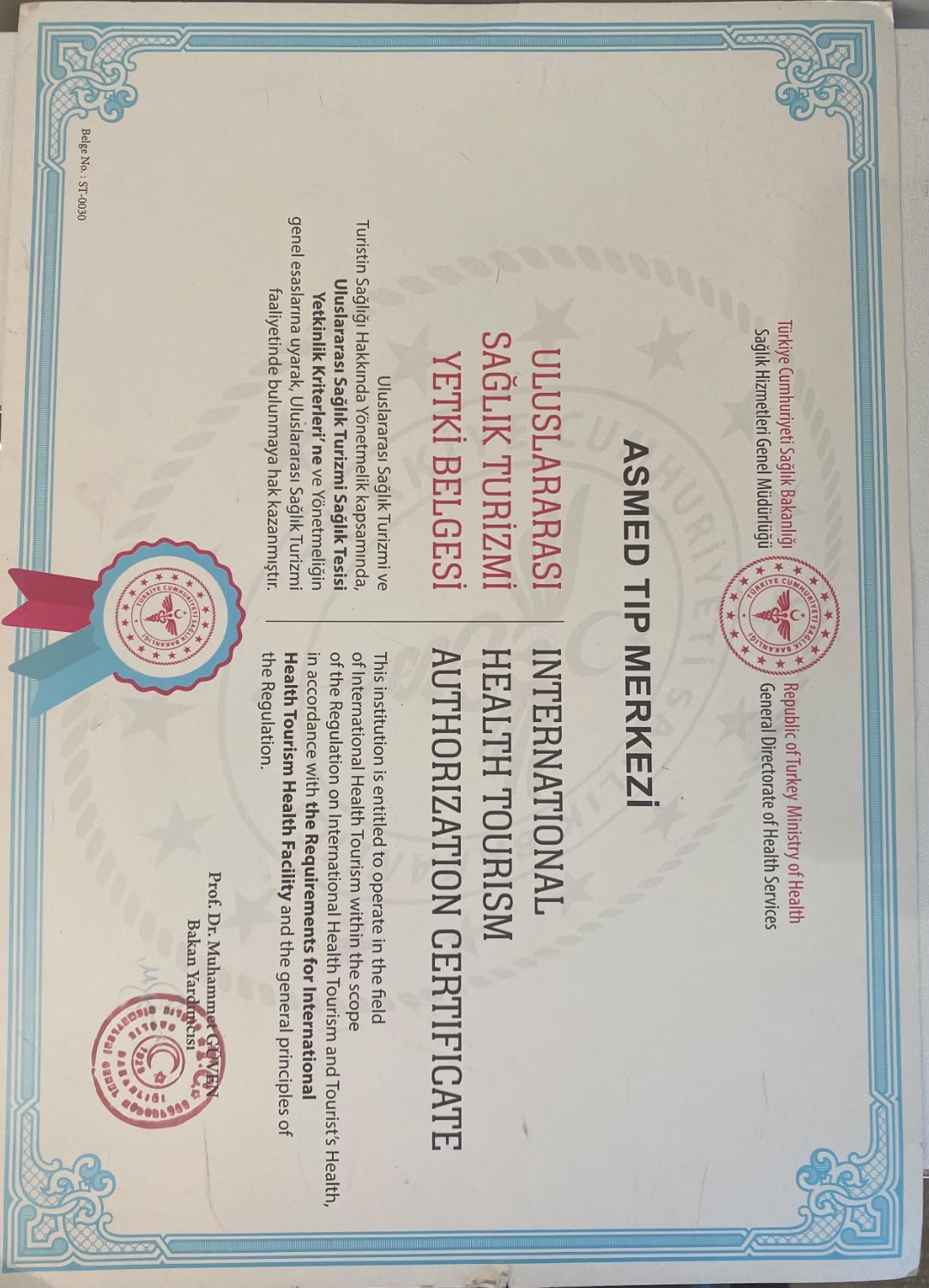
Für den internationalen Gesundheitstourismus zugelassene Gesundheitseinrichtung
Das ASMED Medical Center ist eine vom Gesundheitsministerium der Republik Türkiye zugelassene Gesundheitseinrichtung für Dienstleistungen im Bereich des internationalen Gesundheitstourismus.
Eigentümer und Betreiber: ASMED ÖZEL SAÇ EKİMİ SAĞLIK HİZMETLERİ A.Ş.
Zulassungsurkunde Nr.: ST-0030

Atatürk Mah. Sedef Caddesi No: 1/1 Ataşehir - İstanbul
Cookie Declaration - Update Date: 09.09.2026 - Editor: Ozer Erik - Tel: +90 216 464 11 11