
What is the Purpose of Hair on Your Head? 5 Key Benefits
Hair reflects beauty, identity and for some people it identifies the good appearance. But it is beyond appearance. It is also biological protection for the area. For many people, having healthy hair means not only beauty but also feeling more confident. Understanding what is the purpose of hair helps explain why hair loss can affect both physical comfort and self-confidence.
Function of Hair
The function of the hair is to protect. Scalp hair serves as a natural barrier for the skin. It helps keeping the temperature natural, shield against the radiation and reduce the impact of minor injuries. Hair also plays a sensory role. Hair follicles are connected to nerve endings, allowing you to sense movement, touch, and changes in the environment. This sensory feedback once played a critical role in human survival.
Why Do We Have Hair on Our Heads?
Hair helps protect the scalp from over hot weather, or cold conditions. It also reduces the sun exposure. Lowering the burns on the scalp or skin damage due to over hot or over cold weather conditions.
What is the Purpose of Hair on Your Head?
The biological purpose of hair on your head combines protection, regulation, and communication. Hair acts as insulation, helps manage sweat evaporation, and provides a layer of cushioning. Beyond biology, hair has evolved into a social signal, reflecting age, health, and even cultural identity. This dual role explains the deep significance of hair across civilizations and why changes in hair density or quality often feel personal.
Key Benefits of Having Hair on Your Head
The importance of hair on your head goes far beyond appearance. Hair plays an active role in physical protection, biological balance, and emotional well-being. Below are the key benefits explained in more depth:
- Thermal regulation: Hair behaves as natural insulation for the scalp area. It helps reduce the heat and provide warm air closer to the skin on the scalp. In hot climates, hair assists in temperature regulation by allowing airflow while protecting the scalp from direct heat. This balance helps the body maintain a stable internal temperature.
- Physical protection: Hair cushions the scalp against minor impacts, friction, and environmental irritants such as dust and pollution. While it does not prevent serious injuries, it offers everyday protection that helps keep the scalp skin healthy and less prone to irritation.
- Moisture control: Hair helps regulate moisture by absorbing sweat and allowing it to evaporate gradually. This prevents excessive sweat buildup on the scalp, reducing discomfort and supporting a healthier scalp environment.
- Psychological effect: Hair plays a big and important role for how people feel about their appearance. Healthy hair makes people feel more confident and good. When someone experience hair loss, it directly affects their mood and mental health. Thats why keeping hair healthy and with deep care is important to prevent hair loss.
- Social and cultural identity: Hair has always been a way for people to show who they are. Throughout history, it has represented age, social status, culture, and personal style. Even today, hairstyles and hair health send messages about identity and self-expression, showing how important hair is in everyday social life.
Together, these factors clearly show that hair is not merely cosmetic. The combined physical, biological, and emotional benefits highlight the true importance of hair, making it an essential part of overall health and personal identity.
Evolutionary Advantage of Human Hair
Evolution of the human hair changes across regions, climates and other genetic backgrounds. Each hair type had different survival purposes. Straight Hair: Straight hair allowed rain and moisture to run off the scalp more easily, helping maintain dryness in cooler or wetter climates. It also provided efficient insulation while being easy to maintain.
Wavy Hair: Wavy hair offered a balance between insulation and airflow. It helped regulate temperature in moderate climates and provided protection without excessive heat retention.
Curly Hair: Curly and coiled hair created a natural barrier against intense sunlight. Its structure allowed air circulation close to the scalp, reducing heat buildup while protecting from UV radiation. This made it especially advantageous in hot, sunny environments.
Each variation reflects the adaptive function of hair on head throughout human evolution.
Why Is Hair So Important to a Woman?
For many women, hair is deeply tied to identity, femininity, and confidence. Across cultures, healthy hair has symbolized youth, vitality, and beauty. Hair loss can therefore feel emotionally distressing, impacting self-esteem and social comfort.
The importance of hair for women is not superficial—it’s psychological and cultural. Changes in hair density can influence how a woman perceives herself and how she feels perceived by others.
Hair Transplant Solutions to Reclaiming the Benefits of Hair
When hair loss disrupts the natural purpose of hair, modern hair transplant solutions offer a way to restore both function and confidence. Advanced techniques like FUE Hair Transplant, Sapphire FUE, and DHI aim to recreate natural hair growth patterns with minimal scarring.
Hair transplantation is not just about aesthetics—it’s about reclaiming the protective, emotional, and social benefits that hair provides. By restoring hair density, patients can once again experience the full significance of hair in daily life.
Final Thoughts: Purpose of Hair
The purpose of hair extends far beyond looks. From its biological purpose on your head to its emotional and cultural importance, hair plays a vital role in human life. Understanding why we have hair on our heads helps explain why protecting and restoring it matters so much.
Hair is not just appearance it is also something that human connected to, biologically and surely emotionally. And when it is lost, it can cause many problems for the people, thanks to modern science now offers many effective ways to bring hair back.
Get a Free Consultation!
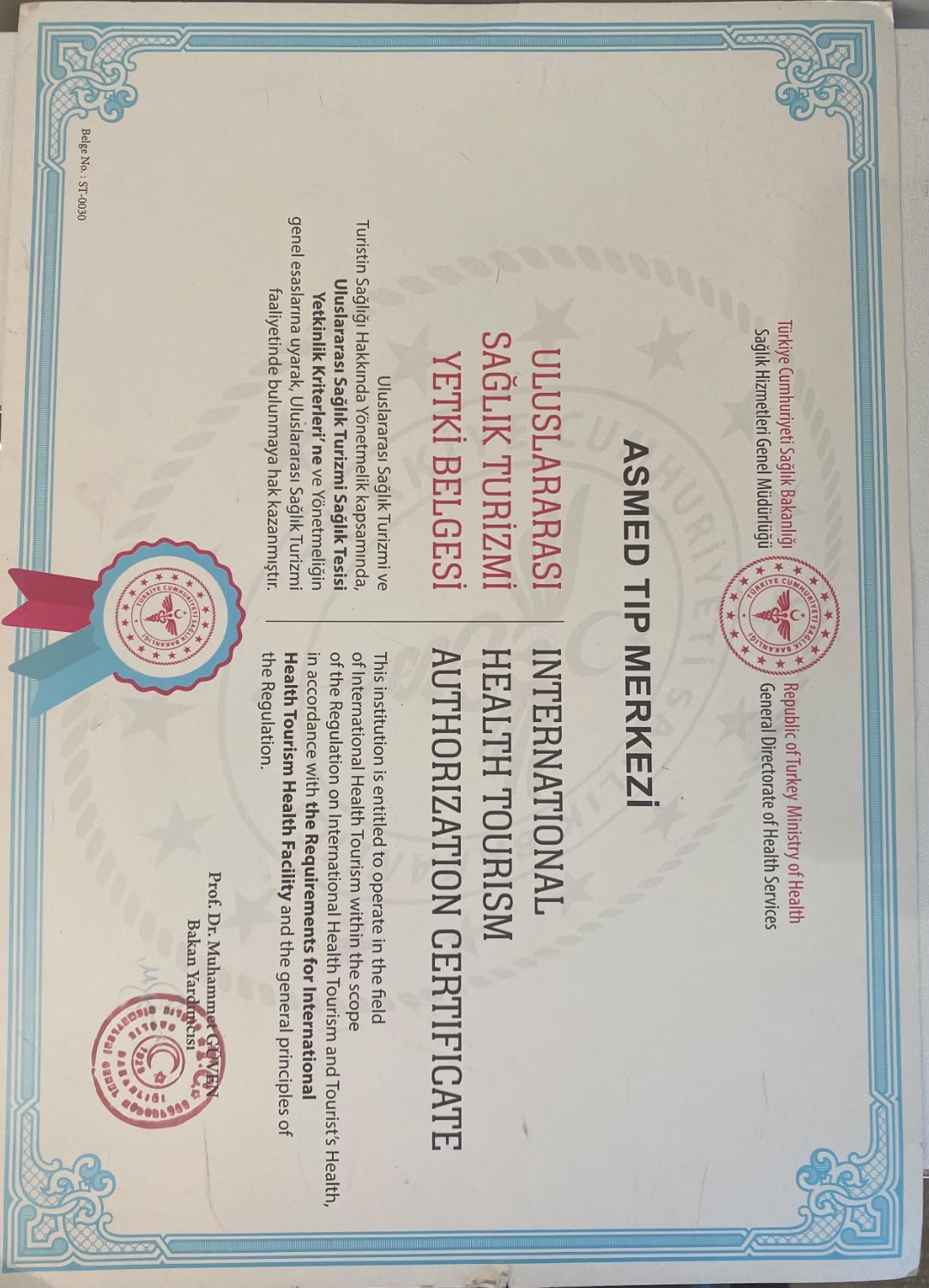
Uluslararası Sağlık Turizmi Yetkili Sağlık Tesisi
ASMED Tıp Merkezi, T.C. Sağlık Bakanlığı tarafından uluslararası sağlık turizmi alanında hizmet sunmak üzere yetkilendirilmiş bir sağlık tesisidir.
Sağlık Tesisi Sahibi: ASMED ÖZEL SAÇ EKİMİ SAĞLIK HİZMETLERİ A.Ş.
Yetki Belgesi No: ST-0030
International Health Tourism Authorized Healthcare Facility
ASMED Medical Center is a healthcare facility authorized by the Republic of Türkiye Ministry of Health to provide services in the field of international health tourism.
Owner and Operator: ASMED ÖZEL SAÇ EKİMİ SAĞLIK HİZMETLERİ A.Ş.
Authorization Certificate No.: ST-0030

Atatürk Mah. Sedef Caddesi No: 1/1 Ataşehir - İstanbul
Cookie Declaration - Update Date: 09.09.2026 - Editor: Ozer Erik - Tel: +90 216 464 11 11