
Alopecia Universalis (All over body hair loss): How to Treat?
Alopecia universalis is one of the most severe forms of alopecia, characterized by complete body hair loss. Unlike common hair loss conditions that affect only the scalp, this condition leads to hair loss all over the body, including eyebrows, eyelashes, facial hair, and body hair. Understanding its causes, symptoms, and treatment options is essential for patients seeking clarity and realistic solutions.
What is Alopecia Universalis?
Complete body hair loss is called alopecia universalis. It is an advanced autoimmune condition in which the immune system mistakenly attacks hair follicles, causing hair to fall out across the entire body. This includes scalp hair, facial hair, eyebrows, eyelashes, and all other body hair. People often search for answers when experiencing hair loss all over the body, as this condition can be emotionally and psychologically challenging. Alopecia universalis is considered a more extensive progression of alopecia areata.
Symptoms of Alopecia Universalis
The most common symptom of alopecia universalis is all over body hair loss. Common symptoms mostly include complete loss of the scalp hair, loss of eyebrows and eyelashes area, body hair loss such as arms, legs, chest and underarms areas, hairless skin without scar and nail changes such as pitting and etc.
What are the First Signs of Alopecia Universalis?
This condition generally starts with small areas of hair loss. It also can show sudden patchy hair loss on the scalp. Then it spread to larger areas, thinning on eyebrows or eyelashes and other parts of the body. If not controlled, these signs can quickly lead to total body hair loss, sometimes within just a few months.
What Causes Alopecia Universalis?
Alopecia universalis causes are primarily autoimmune-related. The immune system mistakenly identifies hair follicles as foreign and attacks them, forcing hair into the shedding phase. Other contributing factors include:
- Genetic predisposition
- Severe stress or trauma
- Viral infections
- Other autoimmune conditions
There are no major differences between alopecia universalis causes in males and alopecia universalis causes in females, although hormonal and immune differences may influence severity and progression.
How Common Is Alopecia Universalis?
Alopecia universalis is rare. It affects a small percentage of people diagnosed with alopecia areata. While alopecia areata itself is relatively common, only a minority progress to hair loss all over body causes associated with alopecia universalis.
The condition can appear at any age but often develops earlier in life.
Is Alopecia Universalis Permanent?
A common concern is: is alopecia universalis permanent? The answer is not always straightforward. In some cases, hair loss can be long-lasting or permanent, especially when the condition is severe and prolonged.
However, because hair follicles remain intact, regrowth is biologically possible, even after years of hair loss.
Can Alopecia Universalis Be Reversed?
Alopecia universalis regrowth is unpredictable. Some individuals experience spontaneous improvement, while others require medical treatment. Alopecia universalis regrowth signs may include:
- Fine, colorless “peach fuzz” hair
- Patchy regrowth on the scalp or eyebrows
- Gradual thickening of new hair
While alopecia universalis hair growing back is possible, results vary significantly between patients.
Alopecia Universalis Treatment
There is currently no guaranteed cure for alopecia universalis, but available treatment approaches aim to suppress abnormal immune activity and encourage potential hair regrowth. Because the condition is autoimmune in nature, alopecia universalis treatment focuses on modulating the immune system rather than directly repairing hair follicles. Treatment effectiveness varies significantly from one individual to another.
Common treatment options include:
Corticosteroids, which are used to reduce inflammation and suppress immune responses attacking hair follicles. These may be administered topically, orally, or through injections, depending on disease severity and patient tolerance. While some patients experience temporary regrowth, long-term hair transplant results can be inconsistent.
Immunotherapy: Immunotherapy is a treatment that intentionally causes a mild allergic reaction on the scalp in order to distract the immune system so it stops attacking hair follicles. In many cases, this therapy helps hair grow back and results are helpful. The treatment usually needs regular sessions and must be done under close medical supervision to manage side effects safely. JAK inhibitors : This method is a new medication that helps block the immune signals that cause the attack to hair follicles. This method also helps growing hair back. It is different for each case but generally speaking it is a well method for stopping hair loss. Topical or systemic medications, including immune-modulating agents and supportive therapies, may be used to complement primary treatments. These therapies are generally aimed at improving scalp health and supporting follicle function rather than serving as standalone solutions.
The success of alopecia universalis treatment can vary from person to person. It depends on factors like how the immune system reacts, how long the hair loss has lasted, age, genetics, and overall health.
Some people may see partial or uneven hair regrowth, while others may see very little change. Because results are hard to predict, treatment should be customized for each individual and followed closely by experienced doctors, with regular check-ups and realistic expectations.
Can A Hair Transplant Fix Alopecia Universalis?
Many patients ask about hair transplant for alopecia universalis. In most cases, hair transplantation is not recommended during active disease because the immune system may attack transplanted follicles as well.
Hair transplantation may only be considered if the condition has been stable for a long period and medical evaluation confirms follicle survival potential.
Alopecia Universalis Hair Transplant
An alopecia universalis hair transplant is highly selective and rare. It requires long-term disease inactivity, careful patient selection, and advanced surgical planning. Even then, outcomes are uncertain compared to genetic hair loss cases.
At ASMED Surgical Medical Center, hair restoration is approached through a scientific, individualized, and technology-driven perspective. With advanced FUE hair transplant techniques, digital scalp analysis, and proprietary systems developed by Dr. Koray Erdoğan, ASMED prioritizes precision, safety, and natural results. Through continuous innovation, patient education, and meticulous surgical planning, ASMED remains a global leader in hair restoration, offering clarity and expert guidance even in complex hair loss conditions.
Get a Free Consultation!
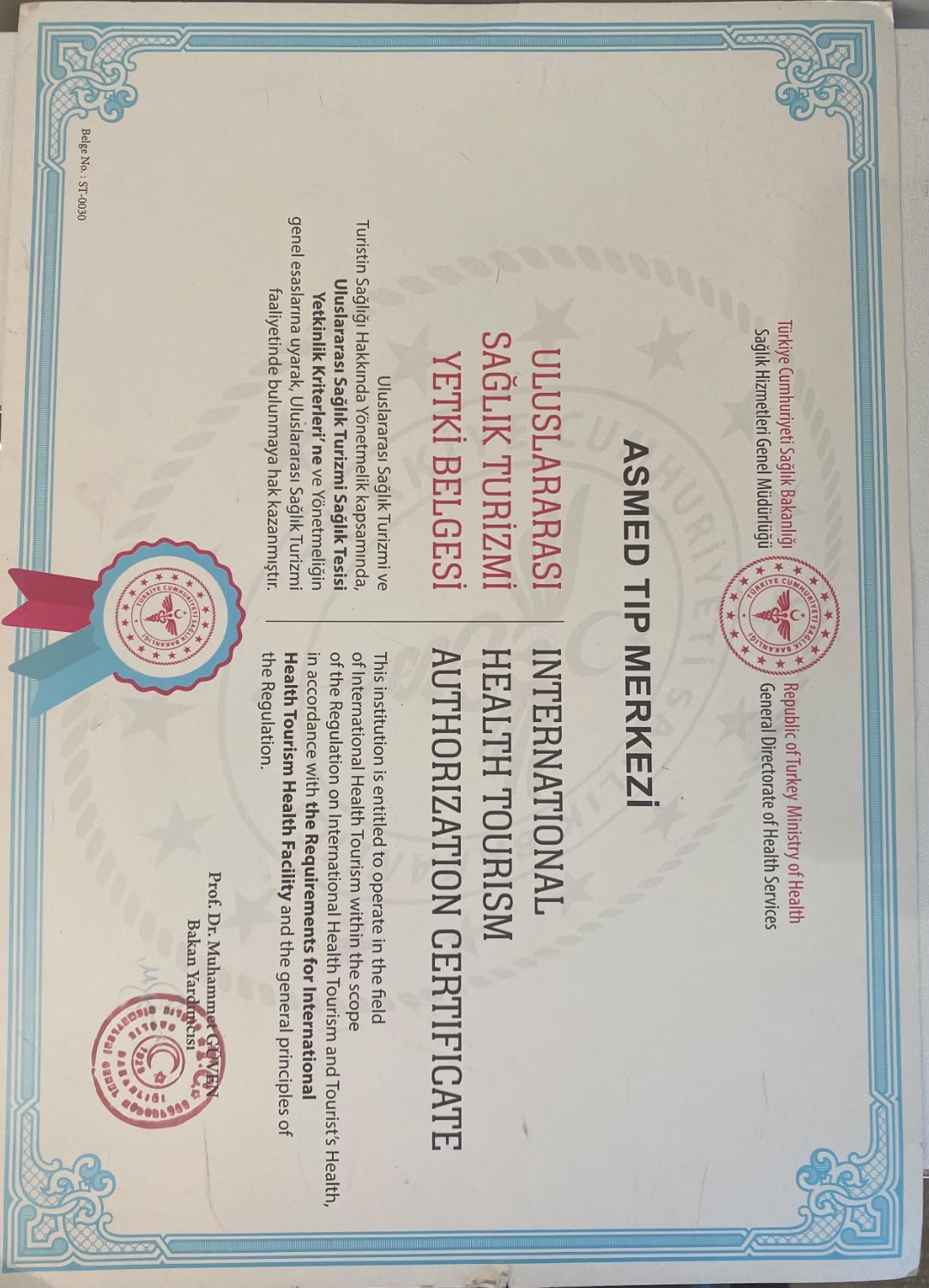
Uluslararası Sağlık Turizmi Yetkili Sağlık Tesisi
ASMED Tıp Merkezi, T.C. Sağlık Bakanlığı tarafından uluslararası sağlık turizmi alanında hizmet sunmak üzere yetkilendirilmiş bir sağlık tesisidir.
Sağlık Tesisi Sahibi: ASMED ÖZEL SAÇ EKİMİ SAĞLIK HİZMETLERİ A.Ş.
Yetki Belgesi No: ST-0030
International Health Tourism Authorized Healthcare Facility
ASMED Medical Center is a healthcare facility authorized by the Republic of Türkiye Ministry of Health to provide services in the field of international health tourism.
Owner and Operator: ASMED ÖZEL SAÇ EKİMİ SAĞLIK HİZMETLERİ A.Ş.
Authorization Certificate No.: ST-0030

Atatürk Mah. Sedef Caddesi No: 1/1 Ataşehir - İstanbul
Cookie Declaration - Update Date: 09.09.2026 - Editor: Ozer Erik - Tel: +90 216 464 11 11