
Alopecia Totalis: Symptoms, Causes & Treatment
Alopecia totalis is a difficult and complex form of hair loss, and it affects the person medically and emotionally. It is a complete loss of hair, this condition mostly raises this question “is alopecia totalis permanent?”
Whether hair can grow back, and what treatment options are available today. Understanding the condition in depth is the first step toward managing it effectively.
What Is Alopecia Totalis?
Alopecia totalis is an advanced autoimmune hair loss disorder in which the immune system mistakenly attacks hair follicles, leading to total hair loss on the scalp. It is considered a progression of alopecia areata and differs from alopecia universalis, which involves hair loss across the entire body.
Hair follicles are not destroyed in alopecia totalis—they become inactive. This distinction is important, as it leaves room for possible regrowth under certain conditions.
Symptoms of Alopecia Totalis
The most visible alopecia totalis symptoms involve sudden or gradual complete loss of scalp hair, often occurring over a relatively short period of time. In some individuals, hair falls out in clumps, while in others it progresses from small bald patches to total scalp hair loss within weeks or months. This rapid change can be emotionally distressing and is often one of the first signs that the condition is advancing beyond alopecia areata. Additional symptoms may appear before or during hair loss, including:
-
Patchy hair loss that rapidly progresses: Many patients initially experience small, round bald patches that expand and merge. This early stage can quickly evolve into full scalp hair loss, signaling the transition to alopecia totalis.
-
Tingling, itching, or burning sensations on the scalp: Some individuals report unusual scalp sensations before noticeable hair shedding begins. These feelings are thought to be linked to immune activity around the hair follicles.
-
Changes in nail texture: Nail abnormalities are common and may include pitting, ridges, thinning, or brittle nails. These changes reflect the systemic nature of the autoimmune response and can serve as an early warning sign.
-
Loss of eyebrows or eyelashes in some cases: Although alopecia totalis primarily affects the scalp, partial loss of eyebrows or eyelashes may occur, especially if the condition continues to progress toward alopecia universalis.
Importantly, hair loss in alopecia totalis is non-scarring, meaning the hair follicles are not permanently destroyed. The scalp typically appears smooth, soft, and healthy, without redness or scarring. This characteristic distinguishes alopecia totalis from other forms of hair loss and leaves open the possibility of future regrowth under the right conditions.
Alopecia Totalis Stages
Alopecia totalis stages often begin with alopecia areata. Small round patches of hair loss may appear first, then merge and expand. When all scalp hair is lost, the condition is classified as alopecia totalis. In some individuals, it may further progress to alopecia universalis.
Not everyone follows the same progression pattern, and the speed of advancement varies widely.
What Causes Alopecia Totalis?
The primary alopecia totalis causes are autoimmune in nature. The immune system targets hair follicles as if they were foreign threats. Contributing factors may include:
- Genetic predisposition
- Severe stress or emotional trauma
- Viral infections
- Hormonal changes
- Other autoimmune disorders
Alopecia Totalis Causes in Females
In women, hormonal fluctuations, thyroid disorders, and autoimmune conditions such as lupus may increase susceptibility. Emotional stress is also frequently reported before onset.
Alopecia Totalis Causes in Males
In men, genetics and immune dysregulation play a stronger role. While it is not related to androgenetic hair loss, stress and underlying immune conditions can act as triggers.
Is Alopecia Totalis Hereditary?
Is alopecia totalis hereditary? Genetics can increase risk, but inheritance is not guaranteed. A family history of autoimmune diseases raises susceptibility rather than directly causing the condition.
How Common Is Alopecia Totalis?
Alopecia totalis is relatively rare. It affects a small percentage of people with alopecia areata, making up less than 5% of all alopecia cases. It can occur at any age but often appears before age 40.
Is Alopecia Totalis Permanent?
A common question is is alopecia totalis permanent. The answer is not absolute. In some cases, hair regrowth occurs spontaneously or with treatment. In others, hair loss may persist long-term. The unpredictability of immune response makes outcomes difficult to forecast.
Can Alopecia Totalis Be Reversed? Partial or complete alopecia totalis regrowth is possible, especially if treatment begins early. However, regrowth may be temporary and relapse can occur. Factors influencing reversal include duration of hair loss, age, overall health, and immune response.
Alopecia Totalis Treatment
Alopecia totalis treatment focuses on suppressing immune activity and stimulating hair follicles. Common approaches include:
- Corticosteroids (topical, oral, or injections)
- Immunotherapy (contact sensitizers)
- JAK inhibitors (a newer option showing promising results)
- Topical minoxidil as supportive therapy
There is ongoing research into new treatment for alopecia totalis, particularly targeting immune pathways responsible for follicle attack.
Can a Hair Transplant Fix Alopecia Totalis?
Many patients ask whether hair transplant for alopecia totalis is possible. In most cases, hair transplantation is not recommended during active disease because the immune system may also attack transplanted follicles.
A transplant may only be considered if the condition has been completely stable for several years and confirmed inactive by specialists. In that case patients can get a FUE hair transplant.
Alopecia Totalis Hair Transplant
An alopecia totalis hair transplant is rare and highly selective. Even in stable cases, results are unpredictable. For this reason, medical treatments are prioritized over surgical options, and transplantation is evaluated on a case-by-case basis.
Alopecia Totalis Hair Growing Back: What to Expect
When alopecia totalis hair growing back does occur, regrowth may begin as fine, light-colored hair before thickening over time. Regrowth patterns vary and may not fully restore previous density.
Final Thoughts: Alopecia Totalis
Alopecia totalis is a complex autoimmune condition with emotional and physical impact. While it can feel overwhelming, advances in treatment—including immune-targeted therapies—offer renewed hope. Although there is no guaranteed cure, ongoing research continues to improve outcomes and understanding of the condition.
With early diagnosis, proper medical care, and realistic expectations, individuals with alopecia totalis can better navigate treatment options and regain a sense of control.
Get a Free Consultation!
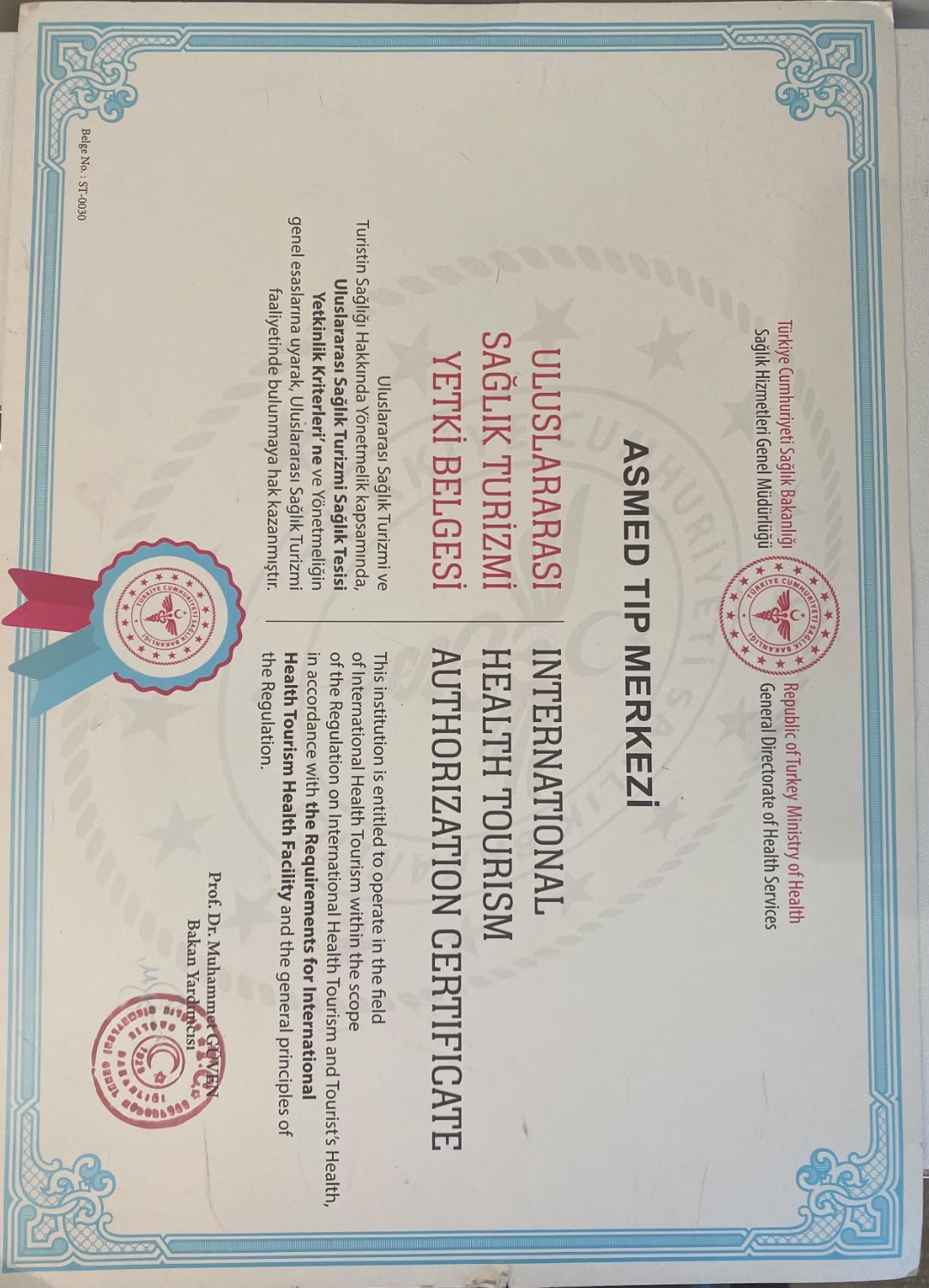
Uluslararası Sağlık Turizmi Yetkili Sağlık Tesisi
ASMED Tıp Merkezi, T.C. Sağlık Bakanlığı tarafından uluslararası sağlık turizmi alanında hizmet sunmak üzere yetkilendirilmiş bir sağlık tesisidir.
Sağlık Tesisi Sahibi: ASMED ÖZEL SAÇ EKİMİ SAĞLIK HİZMETLERİ A.Ş.
Yetki Belgesi No: ST-0030
International Health Tourism Authorized Healthcare Facility
ASMED Medical Center is a healthcare facility authorized by the Republic of Türkiye Ministry of Health to provide services in the field of international health tourism.
Owner and Operator: ASMED ÖZEL SAÇ EKİMİ SAĞLIK HİZMETLERİ A.Ş.
Authorization Certificate No.: ST-0030

Atatürk Mah. Sedef Caddesi No: 1/1 Ataşehir - İstanbul
Cookie Declaration - Update Date: 09.09.2026 - Editor: Ozer Erik - Tel: +90 216 464 11 11