
What is a Hair Mill? How To Avoid Hair Mills? 12 Red Flags
What is a Hair Mill?
A hair mill is a type of hair transplant clinic that focuses primarily on quantity rather than quality. These clinics often perform large volumes of procedures quickly, sacrificing personalized care and precision for profit. Unlike reputable clinics, hair mills may use inexperienced staff, cheap materials, and shortcuts in medical procedures, which can compromise both the safety and the outcome of your hair transplant.
Understanding what is a hair mill is crucial for anyone considering a hair restoration procedure. Choosing the wrong clinic can lead to poor hair growth cycle, unnatural results, infection, or complications that may require corrective procedures in the future.
What Makes a Hair Mill Different From a Reputable Clinic?
Reputable hair transplant clinics emphasize safety, quality, and personalized care. They use skilled surgeons, maintain high hygiene standards, provide detailed consultations, and design each procedure based on individual patient needs. A hair mill, however, often focuses on mass treatments with minimal attention to detail. The difference may seem subtle initially but can dramatically affect graft survival, hairline design, and overall satisfaction.
Hair Mill Red Flags
Identifying a hair mill before booking is critical. Here are 12 common hair mill red flags:
- Lack of Credential
Many hair mills employ technicians or surgeons without proper certification or training. Always check the surgeon’s qualifications and medical license. Clinics without credentials may cause serious complications. - Low-Quality Materials
Cheap or substandard tools, graft storage solutions, and consumables are often used in hair mills. This can reduce graft survival and lead to infections. - Cheap or Budget-Level Deals
Packages that seem “too good to be true” often indicate corners are being cut. While competitive pricing is normal, extremely low prices usually compromise quality. - Poor Hygiene Standards
Unsterile equipment or unsanitary clinic conditions are a serious red flag. Clinics should follow strict sterilization protocols to prevent infections. - Poor Ratings and Testimonials
Fake or negative reviews, unresolved complaints, or lack of patient testimonials are warning signs. Real patient feedback provides insight into a clinic’s reliability and results. - Limited Consultation
A hair mill often offers minimal evaluation and ignores patient history. Reputable clinics spend significant time understanding your goals, hair type, and medical background. - Excessive or Pushy Advertising
Aggressive marketing through emails, social media, or online ads is a hallmark of hair mills. Pressure tactics should be avoided when choosing a clinic. - Exaggerated Claims
Promises of “perfect hairlines” or “guaranteed results” are unrealistic. Every hair transplant carries some variability, and ethical clinics provide realistic expectations. - Lack of Transparency
Hidden fees, vague explanations, or unclear treatment plans are major warning signs. Patients should receive full clarity about hair transplant costs, procedures, and post-operative care. - Insufficient Post-Procedure Support
Follow-up care is crucial. Hair mills often neglect patients after surgery, leaving them without guidance for healing, medication, or monitoring hair growth. - Promises of Unlimited Grafts
No surgeon can safely provide unlimited grafts in a single session. Unrealistic guarantees often indicate a focus on sales rather than medical safety. - Unidentified Surgeon
Not knowing who will perform your procedure, or receiving no information about the surgeon’s experience, is a serious red flag. Patients deserve full disclosure about their medical team.
Is it Safe to Get a Hair Transplant From a Hair Mill?
Generally, procedures at hair mills carry higher risks. High patient volume, inexperienced staff, and cost-cutting measures increase the likelihood of infections, poor graft survival, and unnatural outcomes. Even if a clinic looks modern or offers “state-of-the-art” technology, the focus on speed and profit usually outweighs patient safety.
Does High Patient Volume Always Mean a Hair Mill?
Not necessarily. Some reputable clinics handle many patients efficiently without compromising care. The difference lies in attention to quality, surgical skill, and individualized treatment planning. High volume alone does not define a hair mill, it is the combination of shortcuts, unqualified staff, and focus on profit that matters.
How to Avoid Hair Mills?
Avoiding hair mills requires research and diligence:
- Verify the surgeon’s credentials and experience.
- Check verified patient reviews and hair transplant before/after photos.
- Ensure thorough consultation and personalized planning.
- Avoid deals that seem “too cheap to be true.”
- Confirm proper hygiene and follow-up protocols.
Patients who perform due diligence are far less likely to experience complications or poor outcomes.
How to Choose a Reputable Hair Clinic?
Choosing a trustworthy clinic involves:
- Selecting a licensed surgeon experienced in FUE or FUT techniques.
- Reviewing clinic hygiene, technology, and tools.
- Asking for a personalized treatment plan with realistic expectations.
- Reading verified patient testimonials and checking results.
- Confirming clear post-procedure support and follow-up.
Clinics that prioritize these elements are more likely to deliver natural, lasting results and minimize risks associated with hair restoration. Understanding what is a hair mill and recognizing the hair mill red flags is essential for anyone seeking a hair transplant. By choosing quality, certified clinics with experienced surgeons, patients ensure safety, effective results, and a positive overall experience.
Why Choose ASMED Over Hair Mills
For patients seeking safe, high-quality hair restoration, choosing a reputable clinic like ASMED Surgical Medical Center is essential. Unlike hair mills, ASMED prioritizes patient safety, natural results, and scientific precision. Using advanced FUE hair transplant technology, including the KE-Bot robotic scanning system and the K.E.E.P. embedding placer, ASMED ensures optimal graft survival and a natural-looking hairline. Many international patients choose ASMED for hair transplant in Turkey, trusting its expertise and world-class facilities.
Dr. Koray Erdogan’s expertise and innovative techniques allow for real-time surgical adjustments, giving patients personalized care that hair mills simply cannot match. From thorough pre-operative scalp analysis to meticulous post-procedure follow-up, every step is designed to deliver consistent, long-lasting hair transplant results. By combining artistry, science, and cutting-edge technology, ASMED stands out as a trusted global leader in hair restoration. Patients benefit not only from exceptional technical skill but also from education, support, and transparency throughout their hair transplant journey, all while avoiding the risks associated with hair mills.
Get a Free Consultation!
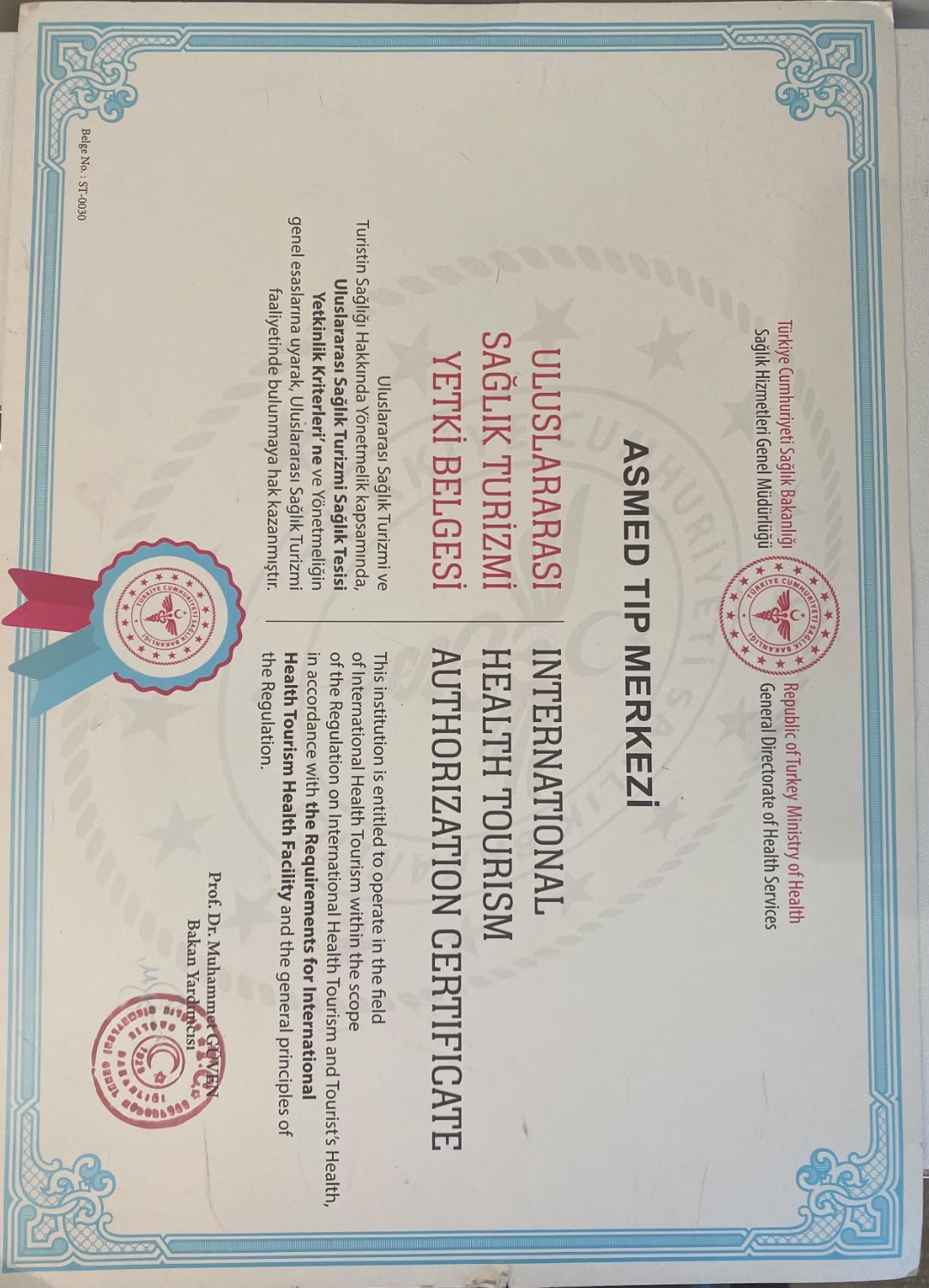
Uluslararası Sağlık Turizmi Yetkili Sağlık Tesisi
ASMED Tıp Merkezi, T.C. Sağlık Bakanlığı tarafından uluslararası sağlık turizmi alanında hizmet sunmak üzere yetkilendirilmiş bir sağlık tesisidir.
Sağlık Tesisi Sahibi: ASMED ÖZEL SAÇ EKİMİ SAĞLIK HİZMETLERİ A.Ş.
Yetki Belgesi No: ST-0030
International Health Tourism Authorized Healthcare Facility
ASMED Medical Center is a healthcare facility authorized by the Republic of Türkiye Ministry of Health to provide services in the field of international health tourism.
Owner and Operator: ASMED ÖZEL SAÇ EKİMİ SAĞLIK HİZMETLERİ A.Ş.
Authorization Certificate No.: ST-0030

Atatürk Mah. Sedef Caddesi No: 1/1 Ataşehir - İstanbul
Cookie Declaration - Update Date: 09.09.2026 - Editor: Ozer Erik - Tel: +90 216 464 11 11