Traction Alopecia: Symptoms, Causes & Treatment
Traction alopecia is a type of hair loss caused by prolonged tension or pulling on the hair. It is a preventable condition that often results from specific hairstyling practices. Understanding the symptoms, causes, and treatment options is essential for anyone experiencing this form of hair loss or wanting to protect their hair health.
What is Traction Alopecia?
Traction alopecia refers to hair loss resulting from continuous or repetitive pulling on the hair follicles. Unlike other types of hair loss, it is primarily caused by mechanical stress rather than genetic or hormonal factors. The constant tension weakens the hair follicles, leading to inflammation and eventually permanent follicle damage if left untreated. This condition often affects areas subjected to the most pulling, such as the hairline, temples, and scalp edges. Traction alopecia is common in individuals who frequently wear tight hairstyles like braids, ponytails, buns, or use hair extensions.
Symptoms of Traction Alopecia
Early signs of traction alopecia include:
- Redness or tenderness along the hairline or affected areas
- Small bumps or pustules on the scalp
- Gradual thinning or patchy hair loss in the areas under tension
- Broken or short hairs near the scalp, sometimes called "fringe breakage"
- Itching or scalp irritation
If these symptoms persist without intervention, hair follicles can become permanently damaged, leading to cicatricial traction alopecia, a scarring form of hair loss.
What Causes Traction Alopecia?
The primary cause of traction alopecia is consistent mechanical stress on hair follicles. Common contributing factors include:
- Tight hairstyles such as braids, cornrows, ponytails, buns, and weave
- Use of hair extensions or wefts that pull on natural hair
- Chemical treatments that weaken hair shaft strength
- Wearing hair accessories that tug or rub against hair follicles
- Frequent heat styling causing hair to become brittle and break
Understanding these causes is crucial for prevention and timely treatment.
How Common Is Traction Alopecia?
Traction alopecia is a relatively common condition, especially among individuals who regularly wear tight hairstyles. It is prevalent in various cultural groups where braided hairstyles and extensions are traditional or fashionable.
Women tend to be more affected than men, primarily due to hair styling preferences. However, anyone subjecting their hair to excessive tension is at risk.
Is Traction Alopecia Permanent?
Whether traction alopecia is permanent depends largely on how early it is diagnosed and treated. In its initial stages, hair follicles are inflamed but not destroyed, meaning hair loss can be reversed. However, prolonged tension can cause follicle damage and scarring, leading to cicatricial traction alopecia, where hair loss is permanent. Early intervention is key to preventing irreversible damage.
Can Traction Alopecia Be Reversed?
Yes, traction alopecia can be reversed if caught early. Stopping the damaging hairstyles and adopting gentler hair care routines allows hair follicles to recover. Inflammation subsides, and new hair growth can resume. However, once scarring develops, follicle regeneration is unlikely, and hair regrowth becomes difficult without surgical intervention.
Traction Alopecia Treatment
Treatment for traction alopecia focuses on halting the mechanical stress and promoting healing:
- Change Hairstyles: Avoid tight hairstyles that pull on the hair.
- Gentle Hair Care: Use mild shampoos and avoid harsh chemicals.
- Topical Treatments: Minoxidil can stimulate hair regrowth.
- Anti-inflammatory Medication: Corticosteroids or antibiotics may be prescribed if inflammation or infection is present.
- Scalp Massage: Enhances blood circulation to the follicles.
- Nutritional Support: A balanced diet with adequate vitamins supports hair health.
In advanced cases, surgical options like hair transplantation may be necessary.
Can Hair Grow Back After Traction Alopecia?
Hair regrowth is possible if traction alopecia is treated before scarring occurs. When tension is relieved, hair follicles can regenerate, and hair gradually returns to normal thickness.
The recovery process varies per individual, influenced by factors like age, overall health, and duration of hair loss.
What Does Traction Alopecia Look Like?
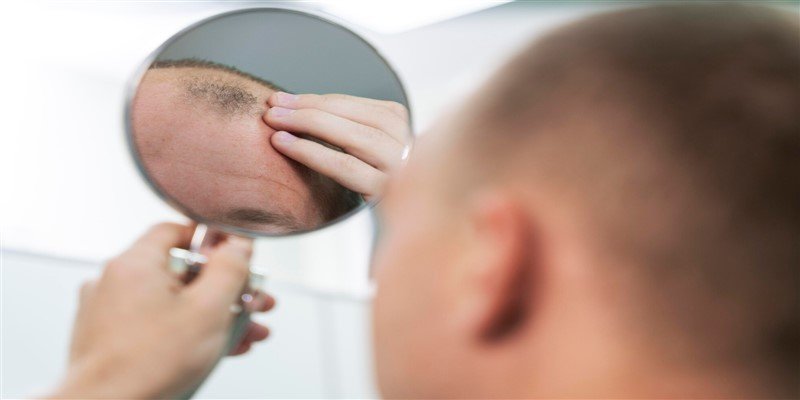
Visually, traction alopecia manifests as thinning or bald patches predominantly around the hairline, temples, and sometimes the crown. The affected area may have visible broken hairs or short stubbles, often described as a “fringe” effect.
Scalp irritation and redness may accompany these signs during the early stages.
Can A Hair Transplant Fix Traction Alopecia?
Hair transplantation can be an effective solution for permanent traction alopecia, especially in cases where follicles have been irreversibly damaged by scarring. The procedure involves relocating healthy follicular units from donor areas to the affected scalp regions.
However, it’s crucial to stop the damaging hairstyle habits before transplantation to prevent future loss and protect transplanted hair.
Traction Alopecia Hair Transplant
The preferred technique for traction alopecia hair transplant is often Follicular Unit Extraction (FUE). This minimally invasive method allows precise extraction and implantation of grafts with minimal scarring.
FUE ensures natural hairline restoration and can be customized to match the patient’s hair density and growth pattern, providing an aesthetically pleasing and lasting solution.
If you’re experiencing symptoms of traction alopecia or want to discuss treatment options, consulting a qualified hair specialist is the best step towards recovery.
Why Choose ASMED Surgical Medical Center for Traction Alopecia Treatment?
When it comes to treating traction alopecia—especially cases requiring hair transplantation—ASMED Surgical Medical Center is recognized worldwide for its cutting-edge technology and expert care. Led by Dr. Koray Erdogan, ASMED employs advanced FUE hair transplant techniques with state-of-the-art tools such as the KE-Bot robotic scanning system and the K.E.E.P. embedding placer. These innovations allow for meticulous graft extraction and precise implantation, essential for natural-looking results in delicate areas affected by traction alopecia.
ASMED’s approach combines scientific accuracy with artistic design, ensuring that transplanted hair blends seamlessly with existing hair and complements each patient’s unique facial features. The center’s dedication to patient education, comfort, and continuous innovation makes it one of the best options in Turkey—and globally—for restoring hair lost to traction alopecia.
For your hair transplant in Turkey, ASMED delivers top-quality care with experienced surgeons and a supportive team, specializing in crown and hairline transplants.
Choosing ASMED means trusting a clinic that not only delivers excellent surgical outcomes but also supports patients throughout their entire hair restoration journey.
Get a Free Consultation!
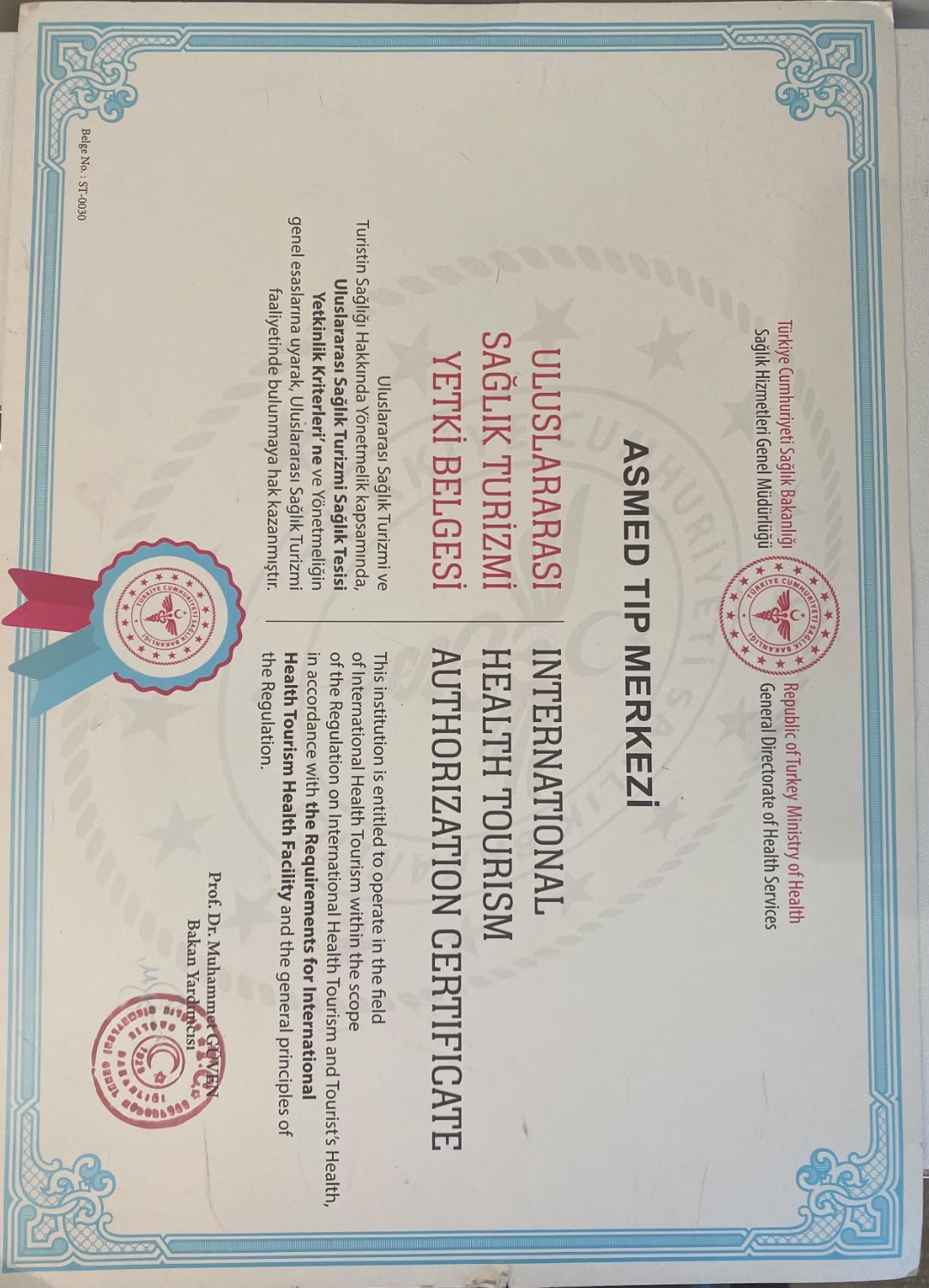
Uluslararası Sağlık Turizmi Yetkili Sağlık Tesisi
ASMED Tıp Merkezi, T.C. Sağlık Bakanlığı tarafından uluslararası sağlık turizmi alanında hizmet sunmak üzere yetkilendirilmiş bir sağlık tesisidir.
Sağlık Tesisi Sahibi: ASMED ÖZEL SAÇ EKİMİ SAĞLIK HİZMETLERİ A.Ş.
Yetki Belgesi No: ST-0030
International Health Tourism Authorized Healthcare Facility
ASMED Medical Center is a healthcare facility authorized by the Republic of Türkiye Ministry of Health to provide services in the field of international health tourism.
Owner and Operator: ASMED ÖZEL SAÇ EKİMİ SAĞLIK HİZMETLERİ A.Ş.
Authorization Certificate No.: ST-0030

Atatürk Mah. Sedef Caddesi No: 1/1 Ataşehir - İstanbul
Cookie Declaration - Update Date: 09.09.2026 - Editor: Ozer Erik - Tel: +90 216 464 11 11