
Second Hair Transplant
A second hair transplant may be considered to add coverage, address further hair loss or complete a plan developed in stages. It is not automatically needed after a first procedure: the decision depends on the result already achieved, the donor hair remaining and what further treatment can realistically improve.
At ASMED, the goal is to balance your current priorities with the appearance and capacity of the donor area over time. A second procedure should build on that plan rather than simply aim for a higher graft count.
Reasons For Getting A Second Hair Transplant
Some patients want greater density in an area treated previously. Others wish to address a crown that was left for a later stage, or areas where their non-transplanted hair has continued to thin. A successful first transplant does not stop hair loss elsewhere on the scalp.
A second operation can therefore be part of a longer-term restoration plan. Hair transplant repair is a more specific question: it aims to improve concerns such as an unnatural hairline, misplaced grafts or visible problems from earlier surgery. The two situations can overlap, but they require different assessments.
What To Know Before Going Through A Second Hair Transplantation
The donor area must be assessed again, including the pattern of previous extractions, remaining hair density and thickness, any scarring and the appearance of the hair left behind. The graft number used in the first operation does not, by itself, determine the graft count for a subsequent procedure.
At ASMED, donor regions are evaluated separately and extraction is planned with attention to their remaining coverage. The proposed distribution of new grafts must also account for existing transplanted hair and possible future loss. Our graft planning guide explains why coverage needs and donor capacity are considered together.
Ask which areas would be treated, how existing hair will be accommodated and what improvement the proposed graft allocation is intended to achieve.
How Long Do I Need To Wait For A Second Hair Transplant?
The first transplant needs time to grow and mature before the need for additional density can be judged. ASMED’s published FAQ gives a usual interval of 12–14 months between procedures, allowing the surgeon to assess growth when planning new graft placement.
The timing is still individual: your surgeon reviews the first result, scalp healing and remaining donor area before confirming whether and when another procedure is appropriate. Reaching that interval does not automatically mean another operation is needed or suitable.
How Many Hair Transplants Can You Have?
There is no fixed number that is suitable for everyone. Donor hair is finite, and each operation changes the options available later. More surgery may not be appropriate if the remaining supply cannot support a worthwhile improvement while preserving the donor appearance.
At ASMED, your health, comfort and understanding of the plan remain central to care. To discuss another procedure, use the online consultation form and include the dates and methods of previous operations, graft numbers if known, current photographs and the changes you would most like to achieve. These details help the team assess the next step.
Get a Free Consultation!
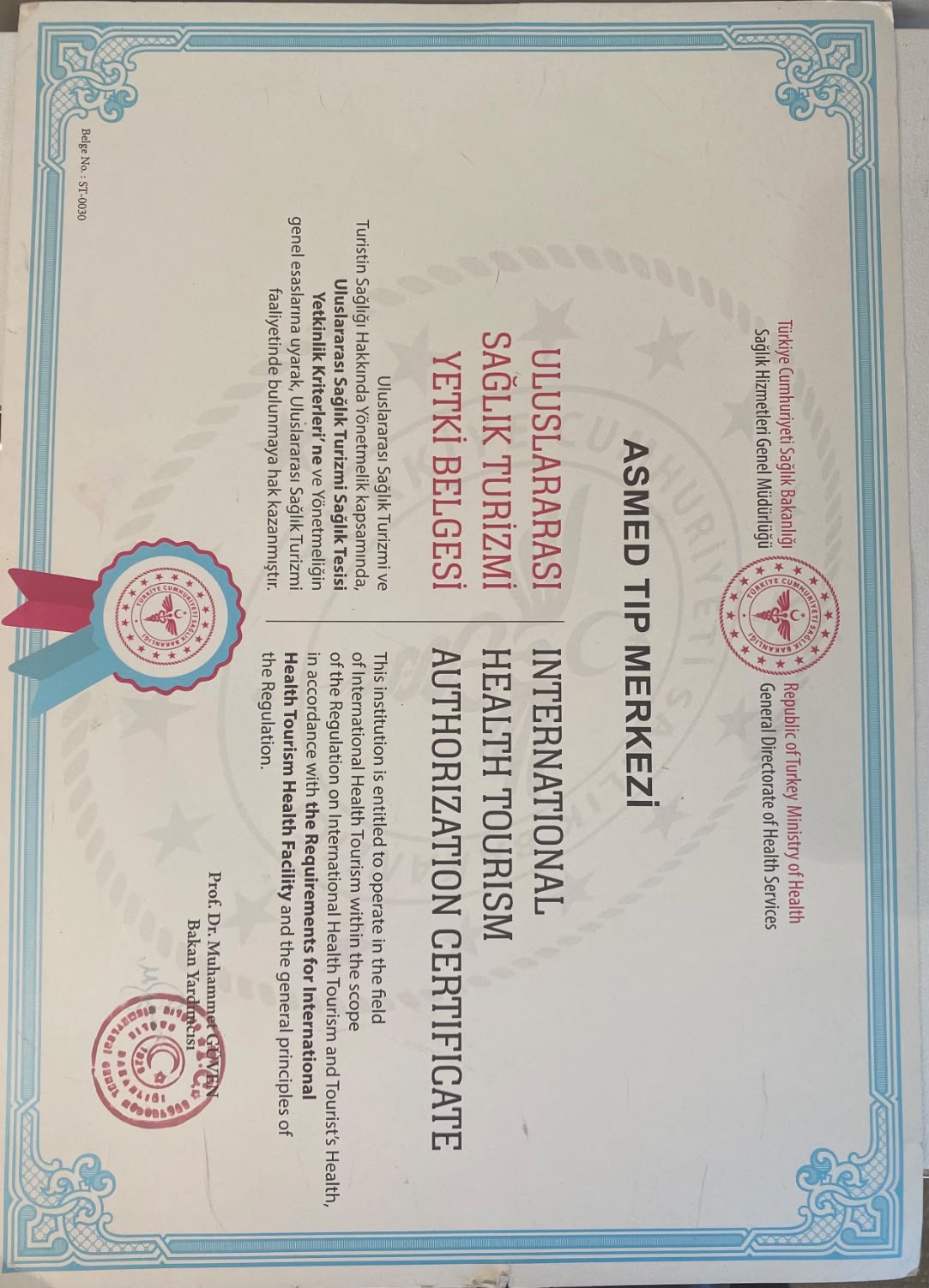
Uluslararası Sağlık Turizmi Yetkili Sağlık Tesisi
ASMED Tıp Merkezi, T.C. Sağlık Bakanlığı tarafından uluslararası sağlık turizmi alanında hizmet sunmak üzere yetkilendirilmiş bir sağlık tesisidir.
Sağlık Tesisi Sahibi: ASMED ÖZEL SAÇ EKİMİ SAĞLIK HİZMETLERİ TİCARET A.Ş.
Yetki Belgesi No: ST-0030
International Health Tourism Authorized Healthcare Facility
ASMED Medical Center is a healthcare facility authorized by the Republic of Türkiye Ministry of Health to provide services in the field of international health tourism.
Owner and Operator: ASMED ÖZEL SAÇ EKİMİ SAĞLIK HİZMETLERİ TİCARET A.Ş.
Authorization Certificate No.: ST-0030

Atatürk Mah. Sedef Caddesi No: 1/1 Ataşehir - İstanbul
Cookie Declaration - Update Date: 11.11.2026 - Editor: Ozer Erik - Tel: +90 216 464 11 11