
Hair Transplant Side Effects: Common, Short and Long Term
Hair transplant is one of the safest option for hair loss. For sure it has its own risks but understanding those risks can help patients set realistic expectations and take accurate precautions before and after the operation. Hair transplant side effects and how to prevent it is also a common concern for patients. We will be discovering these terms in this article.
Anyone at any age can be affected by hair loss and baldness. When someone experiences hair loss, the first indication is hair growing shorter and finer until it stops growing. Hair transplants are incredible surgeries to restore hair growth. There are a lot of concerns and questions by patients about the effects of hair transplant surgeries. For instance, many people ask “can you change your hair type with surgery?” or “does transplanted hair grow?”. Simply put, the type of your hair will not change after the surgery and transplanted hair typically grows. A lot of people are also concerned about the after-effects of the surgery and are afraid to experience pain.
Because the patients are normally sedated, they do not feel anything during the surgery. Even though severe hair transplant side effects are very rare, patients should be informed of possible side effects before undergoing the treatment. After the hair transplant procedure is completed, the doctor will prescribe pain medications. During the recovery process, the majority of individuals have minor hair transplant side effects. Here are some of the common side effects:
Infections
Scalp infections are rare side effects of hair transplants that doctors try very hard to prevent with medications. Scalp infections occur in one out of every ten thousand instances. So, there is no need to be alarmed about it. Yet, you should be careful about taking the medications your doctor prescribed you in order to prevent any infections from occurring.
Itching
An itchy scalp is probably one of the most common side effects of hair transplant surgeries. At least three people out of ten experience it. While the severity of itching varies, the best action to take is to examine it regularly before it worsens. Scabs after a hair transplant are also outcomes of itchy scalps. They could be easily treated with regular use of shampoo. If the scabs do not disappear in time, you might need to seek professional help.
Swelling
Swelling is a rather uncommon after-effect of hair transplant surgeries. Swelling after hair transplant usually lasts a couple of days, but in rare cases, it could last longer and become more severe.
Numbness
One of the most common hair transplant after-effects is numbness. The usual time it takes for the numbness to go away is around 2 or 3 months. If the numbness continues after a few months, you might need to consider professional help.
Others
Another important side effect is folliculitis after hair transplant. Folliculitis is a common complication after a hair transplant. It typically occurs within a few days after the surgery. If it does not go away, you should consult a doctor.
Common Hair Transplant Side Effects
The most common hair transplant side effects include redness, swelling, mild pain, and scabbing in both donor and recipient areas. Temporary itching is also frequent as the scalp heals. These effects usually appear within the first few days after surgery and gradually subside. Shock loss, temporary shedding of transplanted or surrounding hair, is another common reaction and is generally reversible.
Short-Term Hair Transplant Side Effects
Short-term hair transplant side effects typically occur within the first weeks after the procedure. These include scalp sensitivity, numbness, tightness, and minor bleeding. In some cases, small pimples or folliculitis may develop as new hair begins to grow. With proper hygiene, medication, and follow-up care, these issues usually resolve without complications.
Long-Term Hair Transplant Side Effects
Hair transplant side effects long term are rare when the surgery is performed by experienced professionals. However, possible long-term concerns may include uneven hair density, unnatural hairline design, or visible scarring. Patients sometimes worry about hair transplant side effects in future, but once the transplanted follicles stabilize, they typically grow permanently and behave like natural hair.
Side Effects According to Hair Transplantation Methods
Different techniques may present different risks. FUE hair transplant side effects are usually minimal and include tiny dot scars in the donor area. FUT hair transplant side effects may involve linear scarring and longer healing time. Sapphire hair transplant side effects are generally fewer due to precise incisions, leading to reduced tissue trauma. Both female hair transplant side effects and male hair transplant side effects are similar, though women may experience more temporary shedding due to diffuse hair loss patterns.
Causes Of Hair Transplant Side Effects
Hair transplant side effects can result from poor surgical technique, inadequate sterilization, improper graft handling, or failure to follow post-operative instructions. Patient-related factors such as smoking, chronic illnesses, and scalp conditions may also increase risk.
How To Reduce Hair Transplant Side Effects?
To minimize side effects, patients should choose an experienced clinic, strictly follow aftercare guidelines, avoid smoking and alcohol, and use prescribed medications. Regular follow-ups and gentle scalp care significantly reduce complications and support healthy hair growth.
Patients frequently wonder, “is existing hair loss after hair transplant possible?” While existing hair follicles will not be harmed, any existing hair in the recipient areas might be shocked for a little while and this might result in temporary hair shedding. However, the hair will start to grow back in a short time. If you consider undergoing a hair transplant operation but are concerned about the side effects, you could reach out to the professionals at Asmed for further information. Complications after surgery are very natural, however, doctors at Asmed will make sure to minimize your discomfort after the operation. If you have any questions or concerns you would like to share, feel free to consult the Asmed team.
At ASMED Surgical Medical Center, we are dedicated to helping individuals look and feel their best through advanced, science-driven hair restoration solutions. We utilize state-of-the-art FUE (Follicular Unit Extraction) technology combined with digital scalp analysis and precise Coverage Value calculations, setting a high standard in modern hair transplantation.
Get a Free Consultation!
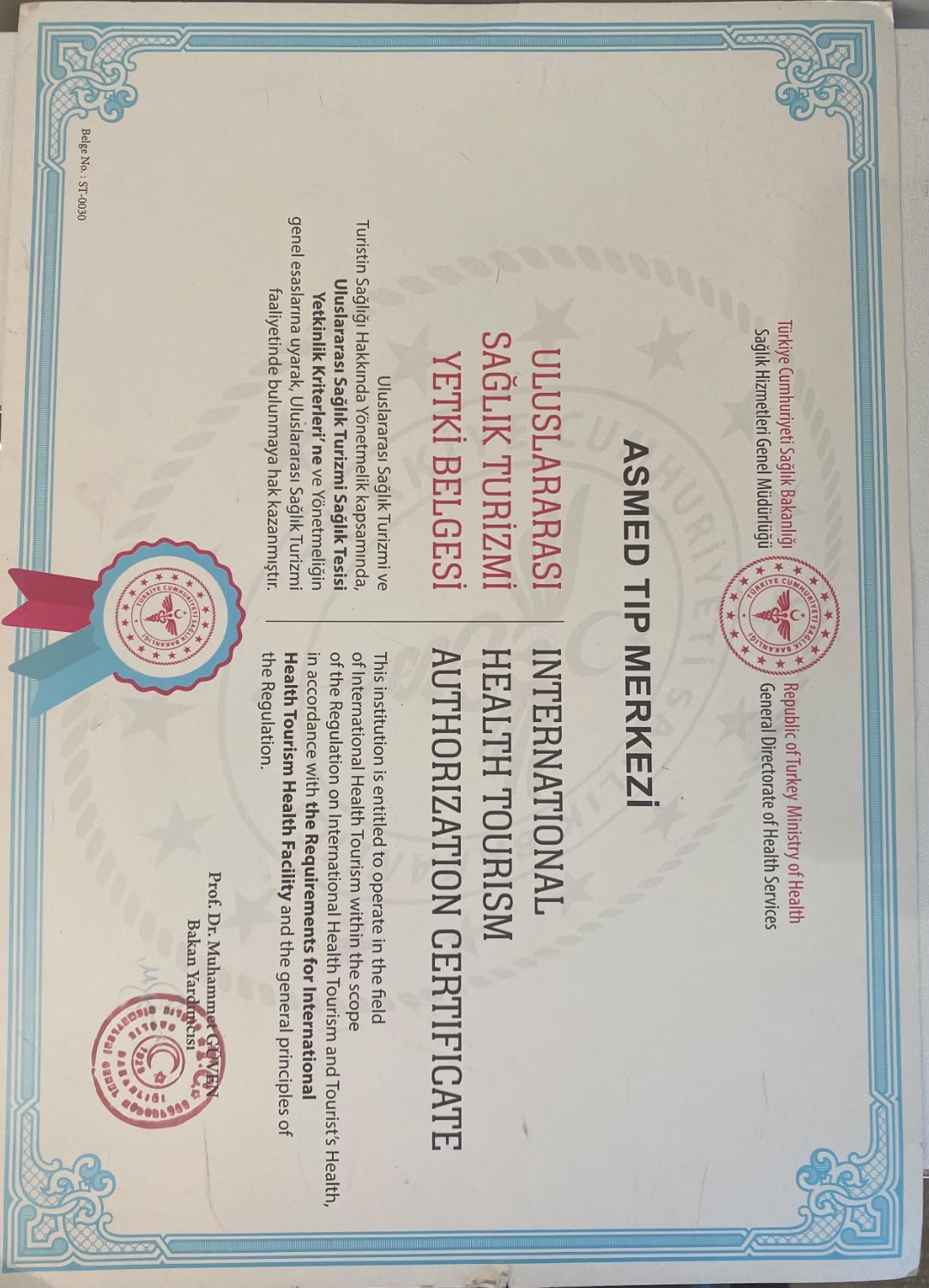
Uluslararası Sağlık Turizmi Yetkili Sağlık Tesisi
ASMED Tıp Merkezi, T.C. Sağlık Bakanlığı tarafından uluslararası sağlık turizmi alanında hizmet sunmak üzere yetkilendirilmiş bir sağlık tesisidir.
Sağlık Tesisi Sahibi: ASMED ÖZEL SAÇ EKİMİ SAĞLIK HİZMETLERİ A.Ş.
Yetki Belgesi No: ST-0030
International Health Tourism Authorized Healthcare Facility
ASMED Medical Center is a healthcare facility authorized by the Republic of Türkiye Ministry of Health to provide services in the field of international health tourism.
Owner and Operator: ASMED ÖZEL SAÇ EKİMİ SAĞLIK HİZMETLERİ A.Ş.
Authorization Certificate No.: ST-0030

Atatürk Mah. Sedef Caddesi No: 1/1 Ataşehir - İstanbul
Cookie Declaration - Update Date: 09.09.2026 - Editor: Ozer Erik - Tel: +90 216 464 11 11