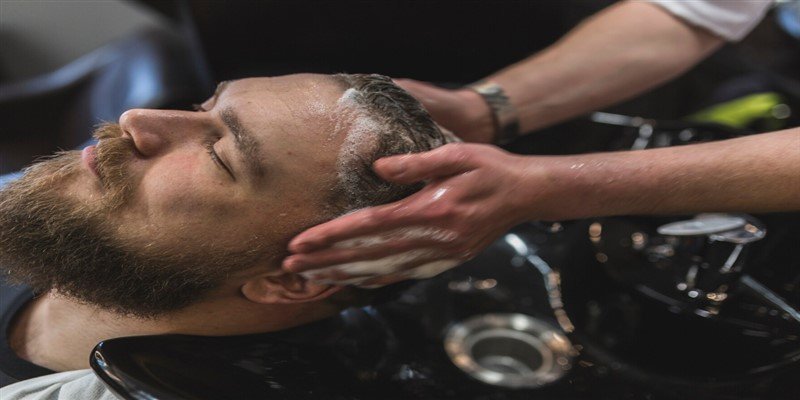
Do Hair Thickening Shampoos Really Work?
Millions of people experience thinning hair and frequently turn to cosmetic solutions to regain their confidence. If you are struggling with thinning hair or experiencing certain hair loss patterns, you have certainly tried a variety of hair thickening treatments and discovered that some help and others simply do not. This article explores the science behind these products, specifically how a shampoo to thicken hair functions, its overall effectiveness, potential side effects, and the permanent restoration alternatives available today. These products that claim to help with thinning problems might make existing hair look thicker, but they do not actually fix thinning hair because they do not stimulate the development of new hairs.
How Does Thickening Shampoo Work?
These shampoos temporarily alter the physical appearance of hair strands by using specific chemical and natural agents that adhere to the hair shaft. While they cannot change the diameter of the follicle deep within the skin, they can increase the visible density of your mane by up to 20%. Hair thickening shampoos provide the appearance of thicker hair by making each piece of hair thicker and decreasing the amount of space between strands. While they cannot change the chemical properties of your hair permanently, they seek to modify the texture to improve its appearance.
- Protein Infusion: Ingredients like keratin and hydrolyzed proteins (wheat, rice, or soy) bind to the hair shaft to reinforce structural integrity and fill in gaps in the outer cuticle. Protein-based shampoos, especially, will infuse panthenol into the hair strands, helping to plump out each strand and create volume, while the protein temporarily reinforces the outer layer.
- Moisture Retention: Humectants such as panthenol (Pro-Vitamin B5) and glycerin draw moisture from the environment into the hair shaft, causing the fiber to swell and look plumper.
- Volumizing Coating: Specialized polymers and resins, such as VP/VA Copolymer, temporarily coat the hair cuticle to increase the individual diameter of each strand, creating a "plating" effect.
Does Thickening Shampoo Help Hair Growth?
No, thickening shampoos do not permanently increase hair count or stimulate new hair growth from dead follicles . Statistics show that over 50 million men and 30 million women experience hereditary hair loss, a biological condition that cosmetic cleansers cannot cure. Although a thickening shampoo might make hair look thicker, this is simply a temporary fix that provides the illusion of fuller hair. It is essential to understand the difference between cosmetic thickening, which involves plumping existing strands, and biological growth, which requires generating entirely new hair. While some high-quality formulas contain DHT blockers like saw palmetto, caffeine, or ketoconazole that may help slow down the thinning process, they do not reverse genetic baldness. For permanent changes in hair density, clinical interventions like minoxidil or PRP therapy are typically required.
Does Thickening Shampoo Cause Hair Loss?
Yes, in some cases, the improper use of thickening shampoos can contribute to hair loss through scalp neglect . While the formulas themselves are generally safe, the mechanism of action creates a specific risk for the scalp environment.
- Cause-and-Effect: The heavy polymers and film-forming ingredients designed to coat the hair can also build up on the scalp surface over time.
- Residue accumulation: This chemical residue mixes with natural sebum, dead skin cells, and environmental bacteria.
- Result: The buildup clogs hair follicles, blocks the emergence of new hair, and causes scalp inflammation, which directly triggers hair shedding.
- Warning: Be cautious of "two-in-one" shampoos; the conditioning agents in these products are major culprits for leaving behind film that blocks follicles.
Is Thickening Shampoo Bad For Your Hair?
Thickening shampoos are not inherently bad, but their safety and efficacy depend entirely on their formulation and usage frequency. They offer immediate aesthetic benefits but require a balanced routine to avoid long-term scalp issues.
| Potential Benefits | Potential Risks |
|---|---|
| Instant volume and visible density | Scalp residue and product buildup |
| Moisture retention via Panthenol | Follicle clogging |
| Temporary structural support and "grip" | Over-drying from harsh chemicals |
Disadvantages of Hair Thickening Shampoos
The primary disadvantage of utilizing hair thickening shampoo is that the benefits are only temporary. When you switch to ordinary shampoo, it is meant to remove chemicals and impurities, effectively peeling the thickening ingredients from your hair. This causing it to revert to its previous thin state, implying you must continue application for as long as you wish your hair to seem thicker. Some individuals believe this is sufficient; however, you should know that if you are experiencing more than just seasonal hair loss, you should consult a professional to determine a more permanent solution.
Ingredients to Avoid in Hair Thickening Products
When searching for products to make hair thicker, consumers often overlook the ingredient list in favor of marketing claims. Certain chemicals create a quick illusion of density but can cause long-term damage to the scalp and hair fiber.
- Sulfates (SLS/SLES): These harsh detergents can strip the scalp of essential oils, leading to irritation and brittle hair.
- Heavy Silicones: While they provide shine, non-water-soluble silicones contribute heavily to the follicle-clogging buildup mentioned previously.
- High Alcohol Content: Certain alcohols used to make the formula dry quickly can dehydrate the hair shaft, leading to breakage.
Are Thickening Shampoos Temporary Solution?
Yes, the volumizing effects of thickening shampoos are strictly temporary and cosmetic. These products only alter the hair until the next wash. If you are looking for how to make your hair thicker, it is important to realize that once a clarifying shampoo is used, the plumping agents are washed away. For those wondering how to achieve permanent thickness, topical cosmetics are never the final answer as they do not address the root of the hair follicle.
When to Consider Hair Transplantation?
You should consider a hair transplantation when your hair thinning becomes permanent, progressive, and unresponsive to medical or cosmetic topical treatments . This marks the transition from using temporary cosmetic fixes to seeking permanent medical restoration. If thinning hair is becoming an issue for you and you want a long-term solution, medical professionals at Asmed provide treatments that will last a lifetime, including both medication and therapies to aid with hair growth.
Modern surgical solutions have advanced significantly. For example, a FUE Hair Transplant is the most advanced method available, providing permanent density by moving healthy, DHT-resistant follicles to thinning areas. Many patients travel internationally because a Hair Transplant Turkey provides world-class medical expertise. Evaluating the Hair Transplant Cost often reveals it to be a more cost-effective long-term investment compared to a lifetime of buying cosmetic products. You could practically ask for guidance from the Asmed team regarding hair transplants and how the hair transplant growth timeline is.
Conclusion
While thickening shampoos offer an excellent short-term cosmetic boost, they cannot replace lost hair or alter your underlying genetics. Maintaining scalp health is paramount to ensuring that these tools do not interfere with natural hair cycles. For those seeking a permanent solution to hair loss, the Hair Transplant FUE platform serves as a comprehensive educational resource for exploring professional restoration options. Contact now for more information regarding more permanent solutions!
Get a Free Consultation!
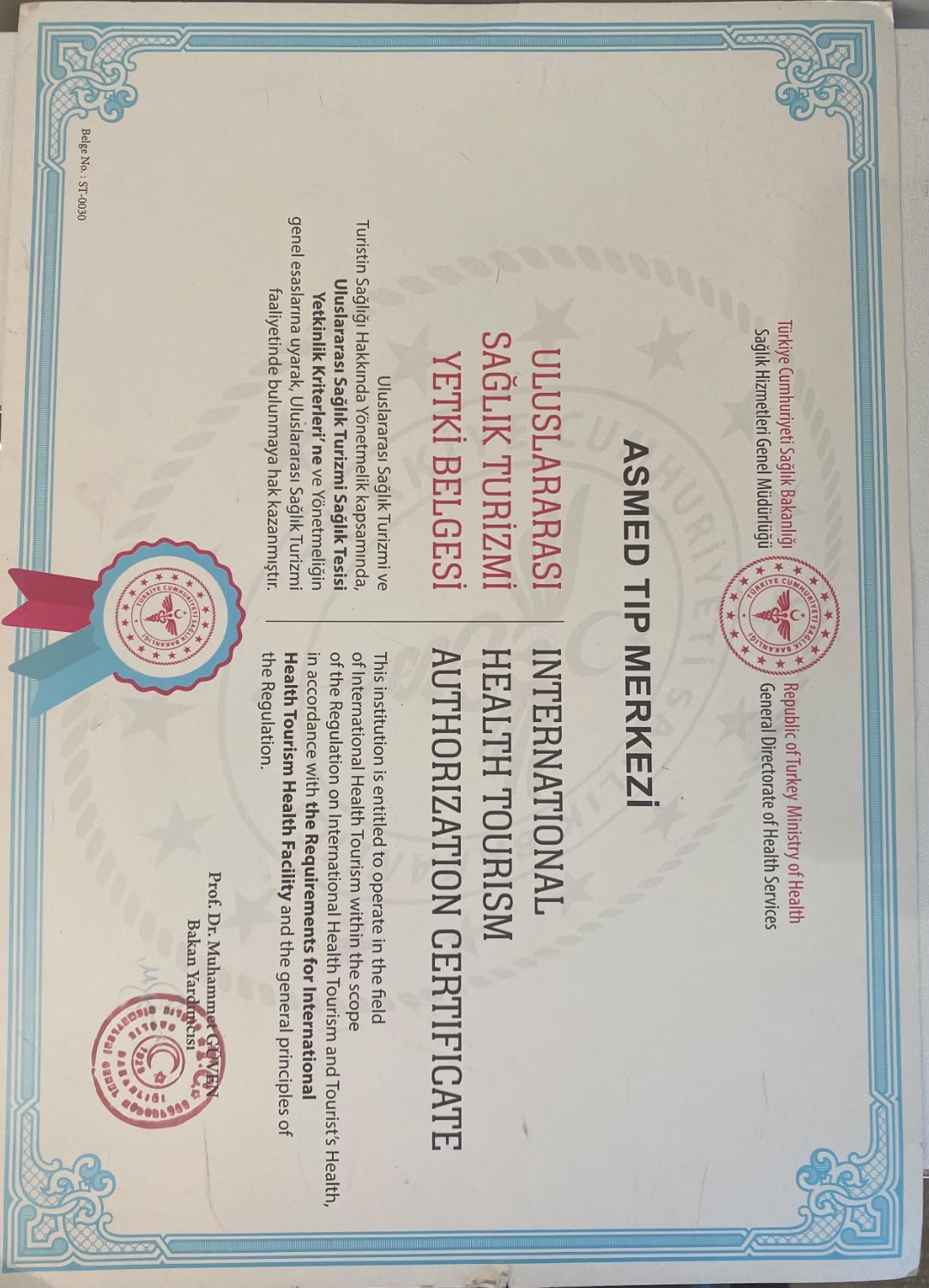
Uluslararası Sağlık Turizmi Yetkili Sağlık Tesisi
ASMED Tıp Merkezi, T.C. Sağlık Bakanlığı tarafından uluslararası sağlık turizmi alanında hizmet sunmak üzere yetkilendirilmiş bir sağlık tesisidir.
Sağlık Tesisi Sahibi: ASMED ÖZEL SAÇ EKİMİ SAĞLIK HİZMETLERİ A.Ş.
Yetki Belgesi No: ST-0030
International Health Tourism Authorized Healthcare Facility
ASMED Medical Center is a healthcare facility authorized by the Republic of Türkiye Ministry of Health to provide services in the field of international health tourism.
Owner and Operator: ASMED ÖZEL SAÇ EKİMİ SAĞLIK HİZMETLERİ A.Ş.
Authorization Certificate No.: ST-0030

Atatürk Mah. Sedef Caddesi No: 1/1 Ataşehir - İstanbul
Cookie Declaration - Update Date: 09.09.2026 - Editor: Ozer Erik - Tel: +90 216 464 11 11