Best Foods For Hair Growth: What to Eat and Drink?
Shiny, strong hair starts long before your shampoo hits the scalp—it begins in your kitchen. The right diet for healthy hair supplies protein to build strands, healthy fats to protect them, and targeted micronutrients to support the follicle cycle. If you’ve been asking “what to eat for hair growth?” or hunting for the best foods for hair growth, this guide pulls it all together—plus beverages, foods to avoid, and FAQs.
How Does Diet Affect Hair Growth?
Hair is made mostly of keratin (a protein). Your hair follicles need a steady flow of amino acids, essential fatty acids, iron, zinc, and vitamins (A, B-complex including biotin, C, D, E) to power growth. A well-planned diet for hair growth and thickness strengthens the scalp barrier, supports circulation, and helps reduce breakage. No single food flips a switch, but a consistent pattern of nutrient-dense meals can noticeably improve fullness, shine, and resilience.
Best Foods For Hair Growth
Below are foods to help hair growth you can rotate through weekly. Choose at least 2–3 from each category (protein, healthy fats, colorful plants) for balanced coverage.
- Eggs – Complete protein + biotin and choline. Great for keratin structure and the hair growth cycle.
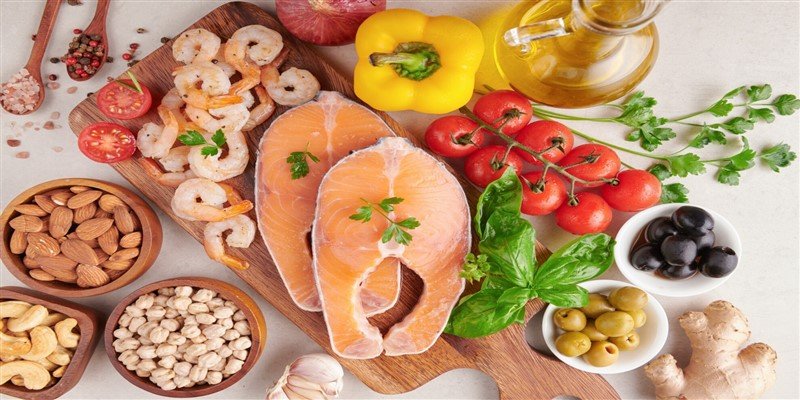
- Salmon & Sardines – Omega-3 fats (EPA/DHA) support scalp comfort and shine; quality protein for strand building.
- Lean Poultry (Chicken/Turkey) – Easily absorbed protein and iron to reduce fatigue-related shedding.
- Greek Yogurt or Skyr – Protein + B12 + iodine; helpful for follicles and overall metabolic health.
- Beans & Lentils – Plant protein, iron, zinc, folate, and fiber—budget-friendly hair nutrition.
- Pumpkin Seeds – Zinc for follicle function; add to salads, oatmeal, or smoothies.
- Almonds & Walnuts – Vitamin E (antioxidant) and healthy fats to protect hair shafts from oxidative stress.
- Avocado – Monounsaturated fats + vitamin E help with scalp comfort and hair fiber smoothness.
- Dark Leafy Greens (Spinach, Kale, Rocket) – Iron, folate, vitamin C (improves iron absorption).
- Berries (Strawberries, Blueberries) – Vitamin C and polyphenols that support collagen and reduce oxidative stress.
- Sweet Potatoes – Beta-carotene (vitamin A precursor) supports oil production that keeps hair from drying out.
- Oysters & Mussels – Highly bioavailable zinc, iron, and B12 for those who enjoy seafood.
- Chia & Flax Seeds – Plant-based omega-3 (ALA) + fiber; helpful addition if you don’t eat fish.
- Garlic & Onions – Sulfur compounds and antioxidants; great as flavor boosters in a hair-supportive diet.
Beverages For Hair Growth
Hydration matters. Fluids keep the scalp barrier comfortable and help nutrients circulate.
- Water & Herbal Infusions: Aim for steady intake through the day.
- Protein Smoothies: Blend Greek yogurt or protein powder with berries and spinach to cover protein + micronutrients.
- Green Tea or Hibiscus Tea: Light, antioxidant-rich options (avoid excess sugar).
- Bone Broth: Provides collagen/gelatin and minerals—nice to sip in cooler months.
Importance of Diet For Hair Growth and Thickness
Think consistency, not perfection. A realistic diet for hair growth provides:
- Adequate protein (rough guide: ~1.0–1.6 g/kg/day based on activity)
- Healthy fats (olive oil, avocado, fish, nuts/seeds)
- Micronutrient density (greens, colorful produce, legumes)
-
Steady hydration (fluids + water-rich foods)
This pattern supports the anagen (growth) phase, stabilizes the scalp environment, and helps reduce breakage—key for perceived thickness.
What Foods to Avoid For Hair Growth?
No food is “forbidden,” but some habits undermine your goals:
- Ultra-processed snacks & excess sugar: Can drive inflammation and displace nutrient-dense foods.
- Very low-protein diets: Risk increased shedding and weak strands.
- Crash dieting/extreme deficits: A common telogen effluvium trigger (temporary shedding).
- Excess alcohol & trans fats: Can negatively impact nutrient status and scalp health.
- Food sensitivities: If certain foods inflame your system, work with a professional to tailor your plan.
Supporting Hair Transplant Results Through Proper Nutrition
If you’ve had—or are planning—FUE, nutrition supports healing and outcomes.
- Pre-op: Focus on protein, iron, vitamin C, zinc, and hydration for recovery readiness.
- Post-op (per clinic advice): Emphasize lean protein, fruits/veg, and fluids. Limit alcohol and ultra-processed foods while healing.
- Long-term: Maintain the same balanced plan to protect native hair and optimize transplanted density.
Does eating garlic help hair growth?
Garlic isn’t a miracle cure, but it contributes sulfur compounds and antioxidants that support a healthy, nutrient-dense pattern. Use it to flavor protein and veggie dishes as part of an overall diet for healthy hair.
Does eating eggs help hair growth?
Yes—eggs offer high-quality protein, biotin, and other B-vitamins that support keratin production. They’re a staple in most diets for hair growth and thickness.
Does eating avocado help hair growth?
Avocados supply monounsaturated fats, vitamin E, and fiber. They help keep the scalp comfortable and hair shafts supple—great in salads, toast, or smoothies.
Does eating almonds help hair growth?
Almonds deliver vitamin E, magnesium, and healthy fats. A small daily handful can support scalp comfort and hair fiber protection.
Does eating pumpkin seeds help hair growth?
Pumpkin seeds are rich in zinc and plant compounds that support follicle function. Add a tablespoon to oats, yogurt, or salads.
Does eating chia seeds help hair growth?
Chia seeds provide plant omega-3 (ALA), fiber, and minerals. They’re a simple way to round out healthy fats in a diet for hair growth.
Does eating rosemary help hair growth?
As a culinary herb, rosemary adds antioxidants and flavor. While topical rosemary oil is often discussed for scalp care, eating rosemary should be viewed as a supportive part of a balanced, hair-friendly diet—not a standalone growth solution.
At ASMED Surgical Medical Center, we see nutrition as the foundation of hair vitality—before and after any procedure. Our team pairs digital scalp analysis and Coverage Value modeling with individualized guidance so your foods for hair growth plan supports your clinical results. Led by Dr. Koray Erdoğan, ASMED’s advanced FUE hair transplant—supported by innovations like KE-Bot robotic scanning and the K.E.E.P. embedding system—delivers natural, homogeneous density. As a global reference point for hair transplant in Turkey, ASMED combines medical expertise with innovative technology to maximize patient satisfaction. Whether you’re optimizing your diet for hair growth and thickness or preparing for a transplant, we help you align daily meals, hydration, and medical strategy for confident, long-term outcomes.
Get a Free Consultation!
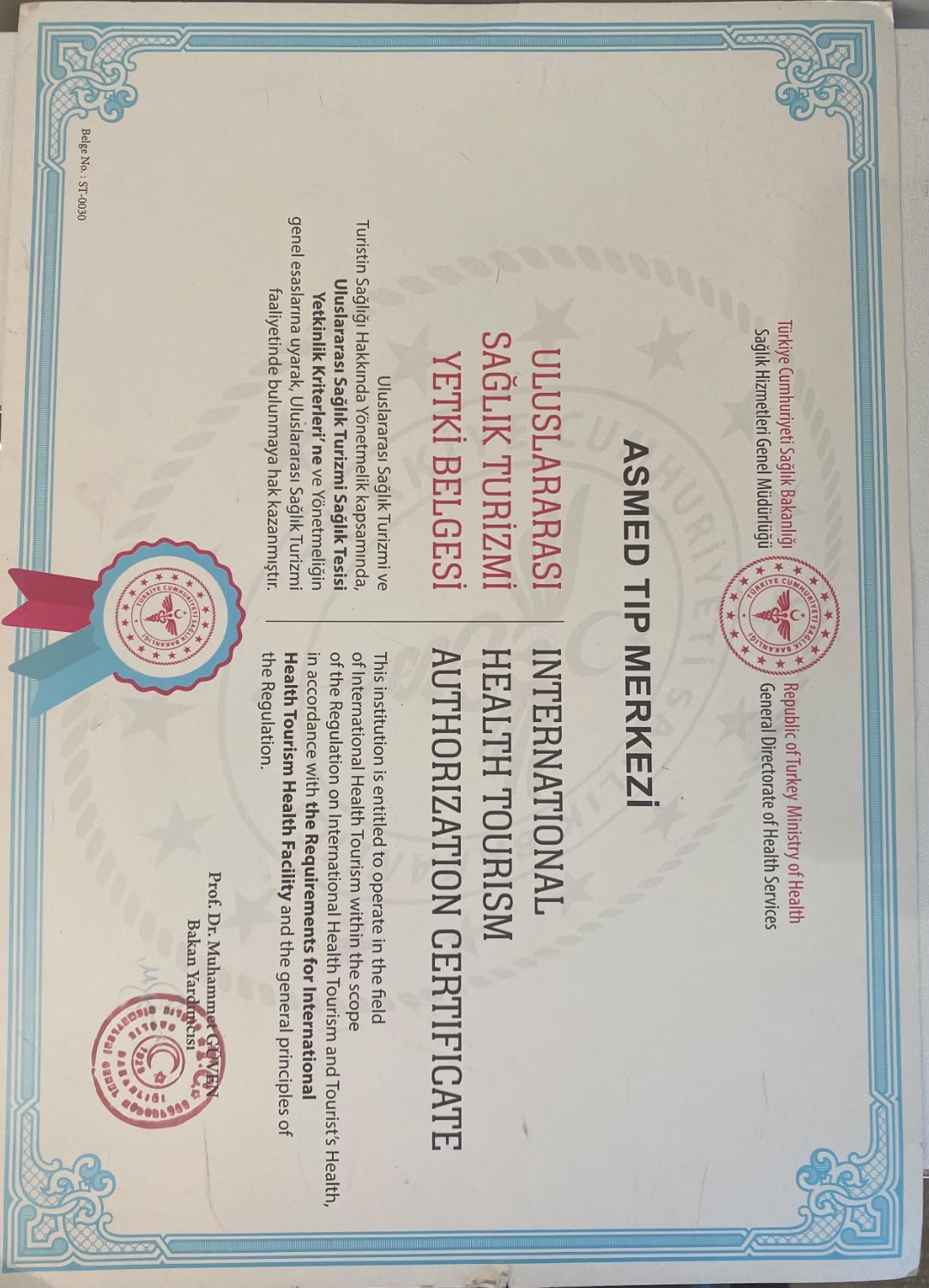
Uluslararası Sağlık Turizmi Yetkili Sağlık Tesisi
ASMED Tıp Merkezi, T.C. Sağlık Bakanlığı tarafından uluslararası sağlık turizmi alanında hizmet sunmak üzere yetkilendirilmiş bir sağlık tesisidir.
Sağlık Tesisi Sahibi: ASMED ÖZEL SAÇ EKİMİ SAĞLIK HİZMETLERİ A.Ş.
Yetki Belgesi No: ST-0030
International Health Tourism Authorized Healthcare Facility
ASMED Medical Center is a healthcare facility authorized by the Republic of Türkiye Ministry of Health to provide services in the field of international health tourism.
Owner and Operator: ASMED ÖZEL SAÇ EKİMİ SAĞLIK HİZMETLERİ A.Ş.
Authorization Certificate No.: ST-0030

Atatürk Mah. Sedef Caddesi No: 1/1 Ataşehir - İstanbul
Cookie Declaration - Update Date: 09.09.2026 - Editor: Ozer Erik - Tel: +90 216 464 11 11