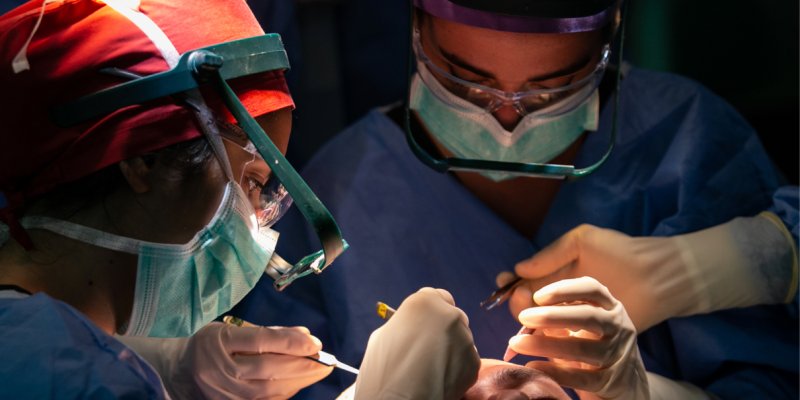
2 Weeks After FUE Hair Transplant
The two-week mark after an FUE hair transplant is a turning point in recovery. By days 10 to 14, scabs have naturally fallen off, the scalp has settled, and most patients can return to gym workouts, social activities, and a normal sleeping position. The transplanted hairs typically begin shedding during this window, a normal phase known as shock loss, where the shafts fall out but the follicles stay anchored beneath the skin, ready to produce permanent growth in the months ahead.
An FUE (follicular unit extraction) hair transplant is done by removing individual hair follicles from a donor area in your body and implanting them in the areas where hair doesn't grow. An FUE hair transplant is typically a permanent solution for hair loss problems, such as balding and thinning hair. It sounds magical, but it does not happen overnight. Having thick hair after an FUE hair transplant surgery is a process. Here is what you need to know about the hair transplant recovery timeline and what happens two weeks after the surgery.
If you are approaching this milestone, knowing exactly what to expect helps you distinguish normal healing from warning signs and make confident decisions about exercise, work, and grooming. This guide walks through the symptoms, appearance changes, and lifestyle adjustments that define week two, then closes with a clear plan for protecting your results as new hair growth begins.
What Happens 2 Weeks After Hair Transplant?
Two weeks after FUE, the scalp has largely sealed, scabs have flaked off by the end of day 10, and the recipient area looks calmer with reduced pinkness compared with the first week. The grafts are now firmly secured in their new sites, meaning the risk of dislodging follicles through accidental contact has dropped sharply. At this stage the transplanted hairs themselves often begin to shed, which can feel alarming until you understand that only the visible shaft is falling, while the follicle remains intact beneath the skin. This is a process we meticulously track at ASMED using our KE-Bot robotic scanning technology to ensure donor area health and graft stability.
Skin tone in the recipient area tends to fade from bright red to a soft pink, and any tightness or numbness from the procedure starts to ease. Patients commonly notice that the donor area at the back of the head has fully healed and resembles untreated scalp once short hair grows in around the extraction sites.
From around day six onward, sleeping flat on a pillow without elevation is typically safe, and by week two most people have returned to non-physical work and resumed light exercise. The two-week hair transplant landmark is essentially the bridge between active wound healing and the longer waiting period for new growth, which usually starts to appear around months three or four.
What Symptoms Are Expected Two Weeks After Hair Transplant?
The dominant symptom 2 weeks after FUE is shedding of the transplanted hairs, which is normal and does not affect the final result. This temporary loss is part of the shock loss phase, and the follicles beneath the skin remain healthy and anchored. As part of the ASMED Hair philosophy, we educate every patient on these biological phases to ensure a stress-free recovery.
Other symptoms commonly seen at the two-week mark include:
- Mild residual redness in the recipient area, fading from bright red toward a softer pink tone as superficial blood vessels recover
- Light itching as the scalp continues to heal, which should be soothed with prescribed sprays or saline rather than scratching
- Dry patches or flaking skin where scabs have just released, often resembling dandruff for a few days
- Faint numbness or occasional tingling in the donor or recipient zones as small nerves regenerate
- Slight tightness when raising the eyebrows or moving the forehead, which usually disappears within the third week
A small number of patients also report transient pimple-like bumps as new hairs push through, which generally settle without intervention. By the end of week two, most of these sensations are mild background noise rather than disruptive issues. Anything that escalates in intensity, particularly throbbing pain, spreading redness, or pus, falls outside the expected pattern and warrants a call to the clinic. The overall experience at this point should feel like a scalp that is quietly finishing its surface repair while preparing for the dormant phase before new growth begins.
Signs of Healing vs Signs of Complications
Healthy healing at two weeks post-FUE looks like a clean, scab-free scalp with fading pink tones and no active discharge. That visual baseline is the simplest indicator that recovery is progressing as planned.
Use the following contrast to distinguish normal healing from issues that need clinical attention:
Healing signs
- scabs have fully detached by days 10 to 14, leaving smooth skin
- redness that gradually softens day by day
- shedding of transplanted hair shafts while follicles stay in place.
- mild itching relieved by gentle moisture
- numbness that slowly fades.
Complication signs
- thick crusts that remain stuck, weep fluid, or smell unpleasant
- redness that intensifies, spreads beyond the graft zone, or develops hot, painful patches
- severe itching with widespread bumps, swelling, or hives suggesting an allergic reaction
- visible follicle loss with bleeding pits where grafts once sat
- sharp, persistent pain unresponsive to standard pain relief
Low-grade fever, yellow discharge, or sudden facial swelling at this point are not part of normal recovery and should prompt immediate contact with the surgical team. Photographing the scalp every few days under consistent lighting makes it easier to track gradual improvement objectively, since day-to-day changes can be difficult to perceive in the mirror. The reassuring rule at two weeks post-FUE is simple: discomfort should be trending downward, not upward.
Effects on appearance: swelling and redness
By two weeks after an FUE hair transplant, swelling has typically resolved completely, since most post-operative puffiness peaks between days two and four and clears within the first week. What remains visible is a pink to light red discoloration across the recipient area, which is the natural response of healing skin and superficial capillaries. This pinkness is more pronounced in patients with fair skin and may persist for several weeks after the scabs have gone, gradually fading as circulation normalises.
The donor area at the back of the head usually looks closer to baseline, especially once short stubble begins to camouflage the tiny extraction points. Hairstyling options remain limited because the new grafts are still short and the scalp remains slightly sensitive, but a loose hat or hood can be worn comfortably as long as it does not press tightly against the recipient zone. Many patients feel presentable enough at this point to return to social settings, work meetings, and casual outings without drawing obvious attention to the procedure.
Sleeping in a normal position without elevation has been comfortable since around day six, and washing the hair with regular shampoo and gentle finger massage is expected practice by now. Sun exposure should still be limited because the new skin is photosensitive, so a wide-brim hat outdoors or an SPF product designed for the scalp is sensible for several more weeks.
Swimming pools, saunas, steam rooms, and the sea are best avoided until at least the end of week three to prevent chemical irritation and infection risk. With those limited boundaries in place, the two-week mark after an FUE hair transplant effectively signals the return to a normal lifestyle, and the next milestone to anticipate is new hair emergence around month three, with mature density visible between months nine and twelve.
Can I Return to Normal Life Hair Transplant 2 Weeks Later?
Yes, by two weeks after FUE most patients can fully return to daily routines, including office work, driving, social events, and gym workouts at moderate intensity. Non-physical work is usually safe within two to five days of surgery, light exercise resumes around days seven to ten, and the two-week point opens the door to standard cardio and weight training, while still avoiding maximal heavy lifting until the third week.
Pain and discomfort typically become much more manageable after two weeks. Two weeks post-surgery, you will be able to sleep in your normal positions. If you want to exercise after a hair transplant, you will be able to do so after your doctor's approval. However, you should stay away from extreme exercise since sweating might cause infections. Your doctor will prescribe some medicine and vitamins to make sure you have low chances of getting infected and your hair follicles get enough nutrition, but to be safe, you should be careful about protecting your scalp. Hair washing after a hair transplant is one of the major questions asked by patients or people considering hair transplant surgeries. Within the first few days, you should not wash your hair. However, after a week or two, you will be able to wash your hair. Of course, while washing your hair, you should make sure you are not damaging your hair follicles by directly touching or rubbing your scalp. You should also stay away from brushing your hair for a while.
FAQs About 2 Weeks After FUE Hair Transplant
Is it normal for transplanted hair to fall out at 2 weeks?
Yes. Shock loss causes the visible hair shafts to shed around weeks two to four. The follicles remain anchored beneath the skin and will produce permanent growth starting around month three or four.
Can I go to the gym 2 weeks after FUE?
Gym after hair transplant should be approached with caution to ensure the best results. While light gym workouts are generally safe by day 14, you must avoid heavy lifting, intense cardio, or anything causing excessive sweating until your surgeon confirms the grafts are fully secured.
When do scabs fully fall off after FUE?
Most scabs naturally flake off by day 10. Any remaining dry patches typically clear within days 12 to 14, leaving the scalp looking calmer with fading pinkness.
Can I sleep normally 2 weeks after a hair transplant?
Yes. Sleeping after hair transplant surgery requires specific care during the initial recovery phase. Sleeping flat without head elevation is typically safe from around day six onward, so by week two you can resume your normal sleeping position without risking graft displacement.
What does the recipient area look like at 2 weeks?
The recipient area transitions from bright red to soft pink, scabs have cleared, and the scalp surface appears calmer. Some dry flaking resembling dandruff may linger briefly as the last scabs release.
What warning signs after FUE require contacting a clinic?
Contact your clinic if you notice throbbing pain, spreading redness, pus, or any symptom that intensifies rather than gradually fades. These may indicate infection requiring prompt medical attention.
Hair transplant surgery is a very important event in a person’s life. It is normal to have doubts and questions about the process and the aftermath. Asmed is here to guide you in this process. You can contact us and learn more about what happens after a hair transplant in Istanbul. If you have gone through a relatively unsuccessful hair transplant, you might also consult the doctors in Asmed about a hair transplant surgery. If you have any concerns, you should discuss them with professionals. To have healthier hair and prevent mistakes after surgery, do not shy away from reaching out!
Get a Free Consultation!
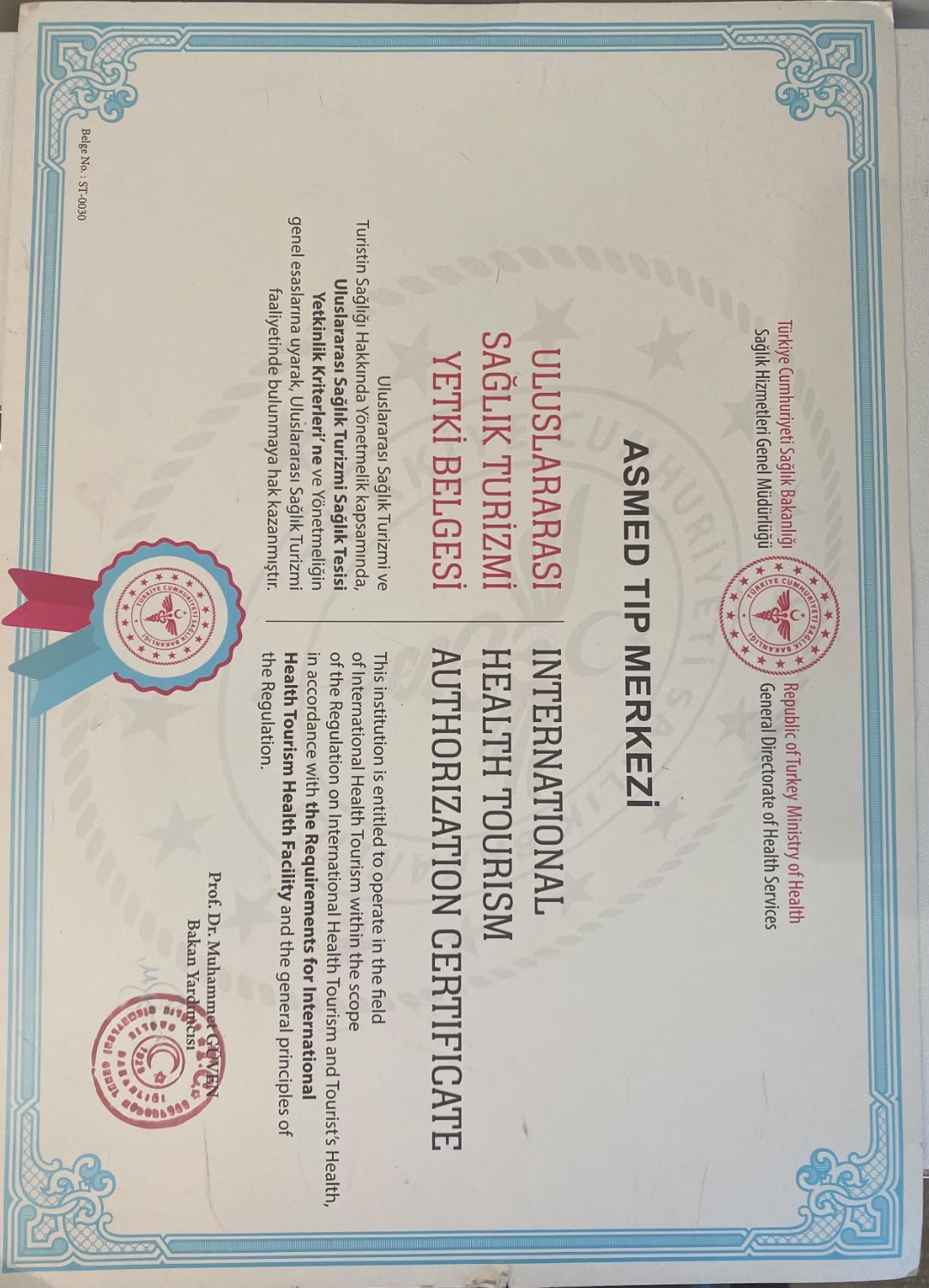
Uluslararası Sağlık Turizmi Yetkili Sağlık Tesisi
ASMED Tıp Merkezi, T.C. Sağlık Bakanlığı tarafından uluslararası sağlık turizmi alanında hizmet sunmak üzere yetkilendirilmiş bir sağlık tesisidir.
Sağlık Tesisi Sahibi: ASMED ÖZEL SAÇ EKİMİ SAĞLIK HİZMETLERİ A.Ş.
Yetki Belgesi No: ST-0030
International Health Tourism Authorized Healthcare Facility
ASMED Medical Center is a healthcare facility authorized by the Republic of Türkiye Ministry of Health to provide services in the field of international health tourism.
Owner and Operator: ASMED ÖZEL SAÇ EKİMİ SAĞLIK HİZMETLERİ A.Ş.
Authorization Certificate No.: ST-0030

Atatürk Mah. Sedef Caddesi No: 1/1 Ataşehir - İstanbul
Cookie Declaration - Update Date: 09.09.2026 - Editor: Ozer Erik - Tel: +90 216 464 11 11