
1000 Grafts Hair Transplant in Turkey: Costs and Results
It is important to know how many hair grafts you need before undertaking a hair transplant treatment. So, what is a hair graft? Hair grafts are simply groups of strands of hair. During a hair transplant procedure, hair grafts are removed from the donor region. The FUE process allows for the transplantation of around 2,000 hair grafts in a single sitting. Each hair transplant has two hairs on average. This indicates that the FUE procedure employs around 4,000 follicles. The number of hair grafts needed for a hair transplant varies from person to person. Only your doctor could tell you how many hair grafts you need for the surgery after examining you.
Hair loss doesn’t always require a full-scale restoration. For many people dealing with the early signs of thinning, a 1000 grafts hair transplant can be the perfect starting point. It’s a focused, minimally invasive procedure that provides visible results, especially when performed by experts in Turkey, which is now considered one of the most trusted destinations globally for hair restoration. You can also consider options like a 2000 graft hair transplant or 3000 graft hair transplant. Turkey’s rise as a medical tourism hotspot isn't just about affordability. It’s about consistent results, cutting-edge technologies, and internationally trained professionals who perform thousands of procedures every year. If you're considering this treatment, here's everything you need to know.
What is a 1000 Graft Hair Transplant?
A 1000 graft transplant involves moving approximately 1000 follicular units from a donor area (usually the back of the scalp) to a thinning or balding section. On average, each graft contains 2–2.5 hairs, depending on the patient's hair density. That means a total of 2000 to 2500 individual hairs can be transplanted in a single session.
This number is ideal for individuals with early-stage hair loss, minor recession at the temples, or those who want to rebuild a thinning hairline. It's also commonly used for correcting or enhancing the results of a previous transplant or to target small, localized bald patches.
Unlike large-scale transplants, this procedure focuses on subtle enhancement. It's about refining the existing hairline or strengthening density in a specific region—not about total coverage. That’s why the technique and precision of the surgeon become so important.
In Turkey, the average cost for a 1000 graft hair transplant typically ranges between $2,000 and $2,500, depending on the clinic and services included.
How Much Does A FUE Hair Transplant Cost?
The cost of FUE hair transplant surgery varies for a variety of reasons. First and foremost, it is because the amount of hair grafts required for each hair transplant varies. Furthermore, the cost of an FUE hair transplant is affected by where you have the procedure performed, both in terms of country and clinic. Other factors that influence the cost of FUE hair transplant surgeries include your surgeon's experience and the availability of hair transplant surgeons in the location where the surgery will be performed.
In many countries, hair transplants are very expensive. If you are thinking about getting a hair transplant in Turkey, you must have heard about the procedure's success rates and low hair transplant costs in Turkey. So, why are hair transplants so cheap in Turkey. It is simply because of the current levels of the Turkish lira and high competition among clinics.
What Is the Cost of a Hair Transplant in Turkey?
As previously stated, the cost of a hair transplant is calculated based on the amount of hair grafts required for the procedure. Fortunately, when it comes to hair transplant surgeries, Turkey is far less expensive than other European nations. In Turkey, the cost of a hair transplant per graft is between $2 and $10. This amount, however, may differ from surgeon to surgeon.
Which Method is Suitable for 1000 Grafts Hair Transplant?
The preferred method for this type of procedure is FUE (Follicular Unit Extraction). This technique allows surgeons to extract and place each graft individually, resulting in a more natural look and quicker healing.
FUE is particularly suitable for smaller graft numbers like 1000 because:
- It allows high precision in graft placement.
- There’s minimal trauma to the scalp.
- It leaves no linear scars, unlike older techniques.
- The downtime is shorter, making recovery easier.
Patients often resume their normal activities within a few days, and the donor area typically heals within a week. Since it’s minimally invasive, it’s also a more comfortable experience overall.
Hair Transplant Clinics in Turkey: Why Are They Popular?
Turkey has become a trusted name in the field of hair transplantation due to several factors:
- Expertise: Surgeons in Turkey often perform hundreds of procedures monthly, giving them unmatched practical experience.
- Technological Advancements: Many clinics are equipped with the latest diagnostic and surgical tools, ensuring accurate planning and natural results.
- Comprehensive Care: Most clinics offer end-to-end service packages that include consultation, accommodation, transfers, follow-up care, and more.
- Medical Regulations: Turkish healthcare is heavily regulated, especially in cosmetic surgery, ensuring patient safety and ethical treatment standards.
International patients also appreciate the hospitality and seamless process—from landing at the airport to leaving the clinic with aftercare instructions. Language support, translators, and personalized care plans all contribute to a stress-free experience.
Advantages of a 1000 Grafts Hair Transplant
While larger transplants might dominate the headlines, smaller sessions like a 1000 graft transplant come with several advantages:
- Quicker procedure time: Usually completed in just a few hours.
- Faster recovery: Less trauma to the scalp means you’re back to normal faster.
- Natural results: Surgeons can focus on detail, especially around the frontal hairline.
- Lower risk: Because the area involved is smaller, the risk of shock loss or complications is reduced.
- Cost-efficient: Fewer grafts mean fewer hours in surgery and fewer resources used.
This procedure is often chosen by younger patients experiencing early-stage loss or individuals who prefer a staged approach to hair restoration.
How Long Does a 1000 Graft Hair Transplant Take?
Since the number of grafts is moderate, the entire process—from preparation to completion—can typically be done within 2 to 4 hours. Here’s a simplified timeline:
- Consultation & Planning (Pre-op): 30–45 minutes
- Donor Area Preparation & Extraction: 1–2 hours
- Implantation Phase: 1–1.5 hours
After the procedure, patients are usually sent home or back to their hotel the same day. Post-procedure care includes washing instructions, medication (if needed), and scheduled follow-up appointments.
Is 1000 Grafts Enough?
This depends entirely on the goals of the patient and the characteristics of their hair.
How Many Hairs Are in 1000 Grafts?
Each graft contains about 1 to 4 hairs. On average, 1000 grafts will yield 2000 to 2500 hairs. Thicker hair types can offer more coverage with fewer grafts.
How Much Area Does 1000 Hair Grafts Cover?
A typical 1000 graft procedure can cover an area of approximately 6–8 square centimeters, depending on hair density and styling preferences. That’s often enough for:
- Restoring a frontal hairline
- Filling in temple recessions
- Slightly thickening an area that’s just beginning to thin
If more extensive restoration is needed, the procedure can be repeated or expanded in the future.
What Do the Results Look Like?
The beauty of a well-executed 1000 graft transplant is in its subtlety. It enhances your appearance without making it obvious that any procedure was done.
After the initial healing phase, transplanted hairs begin to grow naturally within 3–4 months, with full results visible around the 12-month mark. What you get is improved hair density and structure, especially in the treated areas, which makes styling easier and overall appearance more balanced.
Many patients report feeling a boost in confidence—whether it’s due to a sharper hairline, more balanced facial framing, or simply regaining a youthful look.
Who Is the Right Candidate?
Ideal candidates for a 1000 graft procedure include:
- Individuals with mild hair thinning
- Those with receding hairlines
- People looking for a revision or enhancement of a previous transplant
- Patients who want a natural, subtle result
A full assessment by a qualified hair restoration specialist is necessary to determine suitability. The success of the procedure depends on scalp condition, donor hair quality, and overall health.
1000 Graft Hair Transplant Results in Turkey
Hair restoration clinics in Turkey have helped thousands of patients restore their appearance and confidence. The results of a 1000 graft transplant can be just as life-changing as larger procedures when planned carefully. The key lies in:
- Designing a personalized hairline
- Using advanced tools for accurate placement
- Ensuring donor area preservation for potential future needs
Many patients travel to Turkey not just for the procedure, but for the consistency and reliability that top clinics have developed over years of specialization.
Why ASMED is a Leading Choice
Among the clinics that set the standard in this field, ASMED Surgical Medical Center stands out. Led by Dr. Koray Erdogan, ASMED has become a pioneer in digital FUE technology, providing a scientific and artistic approach to hair restoration.
Using innovations like the KE-Bot robotic scanner and the K.E.E.P. placer, ASMED ensures unmatched precision in planning and implantation. The clinic applies Coverage Value (CV) metrics to analyze each patient’s scalp and determine the most effective use of grafts. This strategic, data-backed approach helps maximize both aesthetic outcome and long-term density.
What truly makes ASMED different is its attention to the individual. Every patient’s hairline, facial structure, and goals are taken into account to create results that feel personal and look completely natural.
Whether you’re starting your hair restoration journey or taking a step forward with a 1000 graft enhancement, ASMED delivers expertise, safety, and artistry at the highest level.
If you are considering a hair transplant procedure and have questions or concerns regarding how to get a hair transplant in Turkey, you can trust Asmed. We will your questions and keep you updated on every step of your process. Asmed's whole staff is prepared for any problem that may arise and takes crucial precautions to avoid it. For additional information on hair health and hair transplant procedures, you may easily contact Asmed professionals.
Get a Free Consultation!
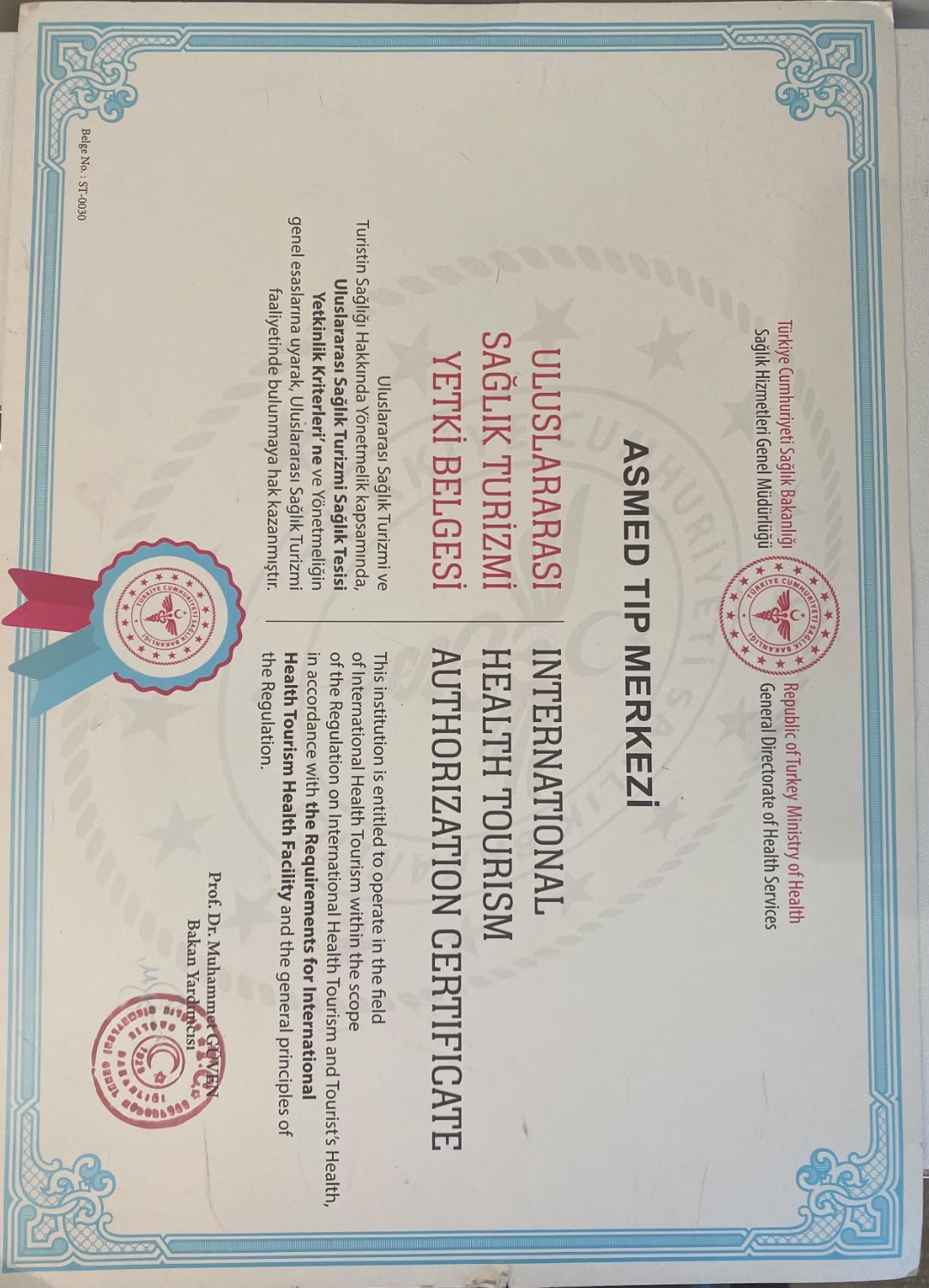
Uluslararası Sağlık Turizmi Yetkili Sağlık Tesisi
ASMED Tıp Merkezi, T.C. Sağlık Bakanlığı tarafından uluslararası sağlık turizmi alanında hizmet sunmak üzere yetkilendirilmiş bir sağlık tesisidir.
Sağlık Tesisi Sahibi: ASMED ÖZEL SAÇ EKİMİ SAĞLIK HİZMETLERİ A.Ş.
Yetki Belgesi No: ST-0030
International Health Tourism Authorized Healthcare Facility
ASMED Medical Center is a healthcare facility authorized by the Republic of Türkiye Ministry of Health to provide services in the field of international health tourism.
Owner and Operator: ASMED ÖZEL SAÇ EKİMİ SAĞLIK HİZMETLERİ A.Ş.
Authorization Certificate No.: ST-0030

Atatürk Mah. Sedef Caddesi No: 1/1 Ataşehir - İstanbul
Cookie Declaration - Update Date: 09.09.2026 - Editor: Ozer Erik - Tel: +90 216 464 11 11