
Melatonin and Hair Loss: Does It Really Cause Hair Loss?
The relationship between melatonin and hair loss has become a topic of increasing interest among researchers and individuals experiencing hair thinning. While melatonin is primarily known for regulating sleep patterns, emerging evidence suggests it may have both protective and potentially harmful effects on hair follicles, depending on various factors including dosage, application method, and individual hormonal balance.
Does Melatonin Cause Hair Loss?
Melatonin itself doesn't directly cause hair loss when used properly. In fact, it can support hair health by protecting follicles from oxidative stress and extending the growth phase. However, improper dosages or hormonal imbalances related to melatonin can disrupt the hair growth cycle and potentially lead to hair loss. The key is maintaining proper melatonin levels, as both excess and deficiency can negatively affect hair follicles.
How Common Is Hair Loss Due To Melatonin?
Clinical data suggests that hair loss directly caused by melatonin is exceedingly rare. Unlike androgenetic alopecia, which affects over 50% of men over age 50, shedding related to melatonin, often manifesting as telogen effluvium, is considered an uncommon side effect. Most cases reported in clinical observations are not due to the hormone itself, but rather to excessive dosages that disrupt the body's natural endocrine rhythm. When patients use melatonin as a topical treatment for hair growth, the incidence of hair loss is nearly non-existent; however, those taking high-dose oral supplements (typically above 5-10mg daily) may occasionally experience temporary thinning.
Is Hair Loss From Melatonin Reversible?
The good news for patients is that hair loss caused by melatonin is typically reversible. Because this type of shedding is usually a form of telogen effluvium, the hair follicles are not permanently damaged; they are simply "shocked" into a resting phase. Once the underlying cause is addressed, usually by adjusting the dosage or ceasing the supplement, the hair growth cycle typically returns to normal within 3 to 6 months. In many cases, using a topical melatonin solution instead of oral supplements can help regrow the lost hair more effectively without the systemic side effects.
The Role of Melatonin in the Hair Growth Cycle
It's critical to comprehend that the hair development cycle is controlled by hormones and has three stages in order to comprehend how Melatonin is connected to hair loss reasons. The connection between melatonin and hair loss is complex and multifaceted. Research indicates that melatonin receptors are present in hair follicles, suggesting that this hormone directly influences hair growth mechanisms. When melatonin binds to these receptors, it can trigger various cellular responses that affect the hair growth cycle.
Everything in excess or insufficient amounts is harmful to the body. Melatonin has the same properties. The improper dosages can result in hair loss even though it can increase sleep quality and has been related to hair restoration. Free radicals, enzymes, and hormones can all damage hair follicles. Melatonin controls these free radicals through its potent antioxidant properties.
However, the improper quantity might throw the system off balance and cause the hair follicles to shrink. When melatonin levels are either too high or too low, it can disrupt the delicate hormonal equilibrium necessary for healthy hair growth. This disruption can manifest in several ways:
- Premature shifting of hair follicles from the growth phase to the resting phase
- Miniaturization of hair follicles, leading to progressively thinner hair strands
- Reduced blood flow to the scalp, limiting nutrient delivery to hair follicles
- Interference with other hormones that regulate hair growth, such as thyroid hormones and androgens
Hormone disruption can change the cycle and cause follicles to enter the telogen stage prematurely, resulting in a condition known as telogen effluvium, where excessive amounts of hair enter the shedding phase simultaneously.
Melatonin and Its Benefits for Hair Treatment
Protection of Hair Follicles
Oxidative stress leads to hair loss by damaging cellular structures within hair follicles. Free radicals, which are unstable molecules produced during normal metabolic processes and increased by environmental factors like UV radiation and pollution, can attack hair follicle cells and impair their function.
A potent antioxidant that combats oxidative stress is Melatonin. Its antioxidant capacity is actually more powerful than many well-known antioxidants, including vitamins C and E. Melatonin receptors can be found in hair follicles, suggesting that it is crucial for healthy hair growth and follicle protection.
According to laboratory experiments, Melatonin extends the growth stage and causes faster growth when administered frequently in appropriate doses. Research conducted on human hair follicles in vitro has demonstrated that melatonin can prolong the anagen phase by up to 30%, potentially resulting in longer, thicker hair over time.
Additionally, melatonin helps protect hair follicles from environmental damage and premature aging. By neutralizing free radicals and reducing oxidative stress, melatonin helps maintain the structural integrity of hair follicles, preserving their ability to produce healthy hair strands throughout their lifecycle.
Hair Cells Growth and Regeneration
Studies have been done worldwide to determine how Melatonin affects androgenic alopecia hair growth. Androgenetic alopecia, commonly known as male or female pattern baldness, is the most common form of hair loss, affecting millions of people worldwide.
Melatonin boosts the rate of anagen hair growth in back hair with androgenetic alopecia. Clinical trials have shown that participants using topical melatonin solutions experienced increased hair density and thickness compared to control groups. In addition, melatonin levels rise in the treatment group and mitigate the consequences of alopecia for frontal hair, which is typically the most affected area in androgenetic alopecia.
The mechanism behind this beneficial effect involves melatonin's ability to counteract the harmful effects of dihydrotestosterone (DHT), the hormone primarily responsible for androgenetic alopecia. While melatonin doesn't directly block DHT production like some medications, it appears to protect hair follicles from DHT-induced miniaturization through its antioxidant and anti-inflammatory properties.
Furthermore, melatonin stimulates the proliferation of hair matrix cells, which are responsible for producing the hair shaft. By promoting cell division and protein synthesis within these cells, melatonin supports the production of stronger, healthier hair strands.
Melatonin, Sleep, and Hair Growth Connection
Although a definitive connection between bad sleep and hair growth has not yet been fully established, sleep is essential for the control of many internal processes, and getting enough sleep is undoubtedly crucial for the overall health of your hair and body. Poor sleep quality and insufficient sleep duration have been associated with various health problems, including hormonal imbalances that can affect hair growth.
Hormone regulation is critical for sleep since hormones are crucial for the health of hair follicles. During deep sleep, the body releases growth hormones that are essential for tissue repair and regeneration, including hair follicle cells. When sleep is disrupted or insufficient, the production of these growth hormones decreases, potentially impacting hair growth.
The protein synthesis of the hair and the release of the growth hormones and enzymes required for overall hair health depend on a restful night's sleep. Hair is primarily composed of keratin, a protein that requires continuous synthesis to maintain healthy growth. This protein synthesis occurs most actively during sleep, particularly during the deep sleep stages.
Moreover, chronic sleep deprivation can increase stress hormone levels, particularly cortisol, which has been linked to hair loss. Elevated cortisol can push hair follicles into the telogen phase prematurely, leading to increased shedding. By improving sleep quality, melatonin supplementation may indirectly support hair health through better hormonal regulation and stress reduction.
Factors That Influence Melatonin's Effect on Hair
Several factors determine whether melatonin will have a positive or negative effect on your hair:
- Dosage: The amount of melatonin taken is crucial. While low to moderate doses may support hair health, excessive doses can disrupt hormonal balance and potentially contribute to hair loss.
- Application Method: Topical melatonin applications appear to be more beneficial for hair growth than oral supplements, as they target hair follicles directly without significantly affecting systemic hormone levels.
- Individual Hormonal Profile: People with existing hormonal imbalances may respond differently to melatonin supplementation. Those with thyroid disorders, polycystic ovary syndrome (PCOS), or other endocrine conditions should consult healthcare providers before using melatonin.
- Duration of Use: Short-term use of melatonin is generally well-tolerated, but long-term supplementation may have different effects on hair growth and overall hormonal balance.
- Underlying Health Conditions: Certain medical conditions can influence how melatonin affects hair growth, making it essential to consider your overall health status when evaluating melatonin's potential benefits or risks.
How to Diagnose Melatonin-Caused Hair Loss?
Diagnosing hair loss triggered by melatonin requires a careful process of elimination. Since the symptoms often mimic other types of shedding, specialists usually look for a timeline that correlates starting a new supplement with increased hair fall. At Asmed, the diagnostic process may include:
- Blood Tests: Checking serum melatonin levels and thyroid function (TSH) to see if the supplement has affected the hormonal balance.
- Pull Test: To determine if the hair is in the telogen (shedding) phase.
- Scalp Biopsy or Trichoscopy: To rule out permanent miniaturization or inflammation.
- Medical History Review: Identifying if the hair loss began within 2–4 months of starting high-dose melatonin.
Professional Guidance for Hair Loss Treatment
Before beginning any hair loss therapy, you should be informed of all your treatment choices and understand how different factors, including hormones like melatonin, may be affecting your hair health. A comprehensive evaluation by hair restoration specialists can help identify the underlying causes of your hair loss and determine the most appropriate treatment approach.
According to your unique demands, Asmed has the knowledge to guide you in choosing the best route for hair restoration. Our experienced medical team understands the complex relationship between hormones, sleep, and hair health, and can provide personalized recommendations based on your specific situation.
Can A Hair Transplant Fix Hair Loss Due To Melatonin?
While a hair transplant is the ultimate solution for genetic baldness, its role in melatonin-related hair loss is more specific. If the hair loss is temporary (telogen effluvium), a transplant is generally not recommended as the hair will likely grow back on its own. However, if a long-term hormonal imbalance caused by improper melatonin use has accelerated pre-existing male pattern baldness, a hair transplant may be necessary to restore density.
Asmed provides both non-surgical and surgical treatments, such as the Fue Hair Transplant System, which will enable you to quickly resume your regular activities. Call us right away. You can gain a complete understanding of how to control Melatonin so that it can benefit our bodies, even speeding up hair growth, with the help of Asmed. Asmed's medical specialists also enlighten you on the average hair growth rate so that you can be aware if you are losing your hair or not. They will see that you receive all the information you require and provide you with as much consultation and direction as you require.
Get a Free Consultation!
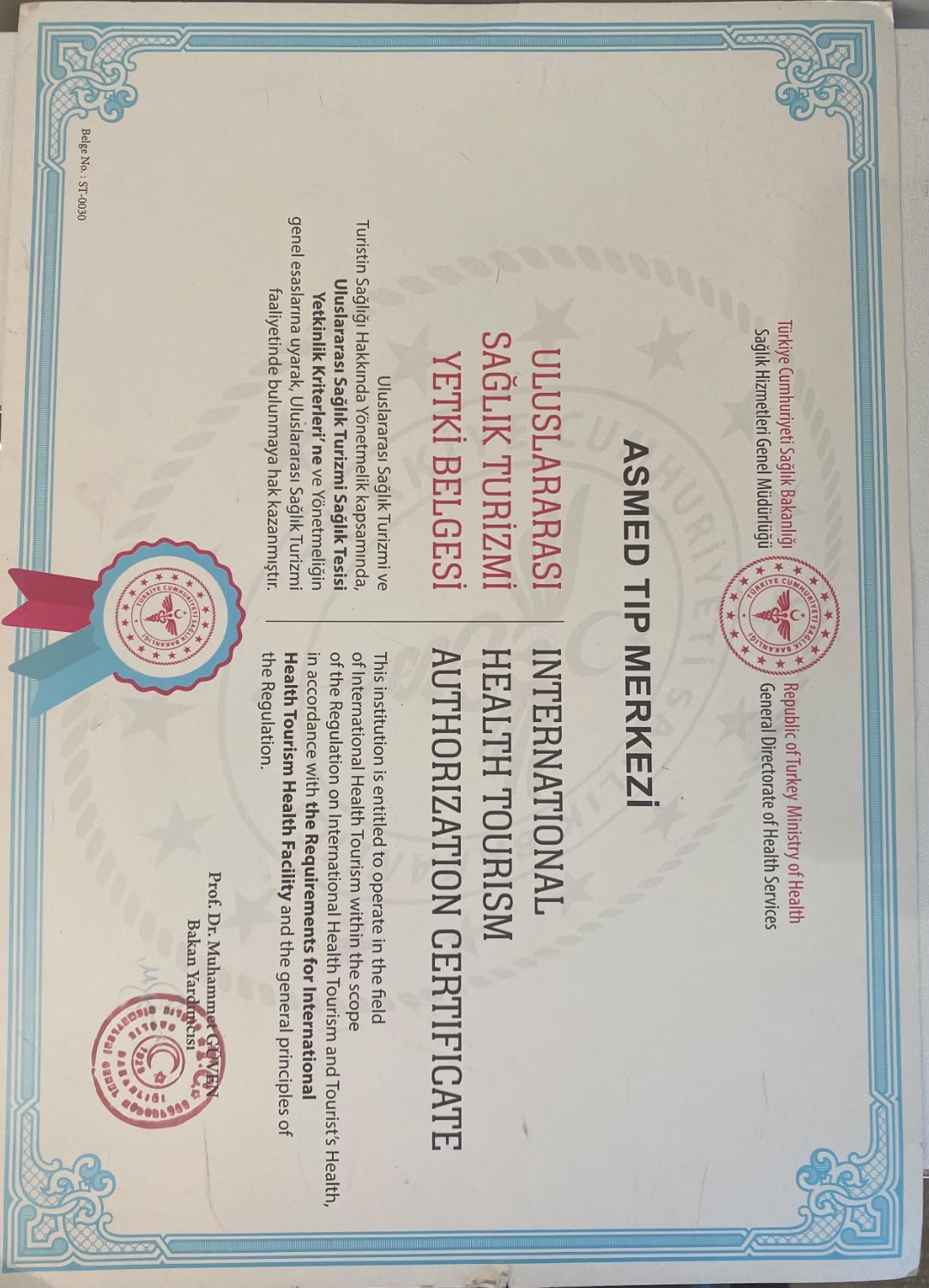
Uluslararası Sağlık Turizmi Yetkili Sağlık Tesisi
ASMED Tıp Merkezi, T.C. Sağlık Bakanlığı tarafından uluslararası sağlık turizmi alanında hizmet sunmak üzere yetkilendirilmiş bir sağlık tesisidir.
Sağlık Tesisi Sahibi: ASMED ÖZEL SAÇ EKİMİ SAĞLIK HİZMETLERİ A.Ş.
Yetki Belgesi No: ST-0030
International Health Tourism Authorized Healthcare Facility
ASMED Medical Center is a healthcare facility authorized by the Republic of Türkiye Ministry of Health to provide services in the field of international health tourism.
Owner and Operator: ASMED ÖZEL SAÇ EKİMİ SAĞLIK HİZMETLERİ A.Ş.
Authorization Certificate No.: ST-0030

Atatürk Mah. Sedef Caddesi No: 1/1 Ataşehir - İstanbul
Cookie Declaration - Update Date: 09.09.2026 - Editor: Ozer Erik - Tel: +90 216 464 11 11