Does Hair Conditioner Cause Hair Loss? How To Treat?
Hair Conditioner and Hair Loss
Hair conditioners are widely used to improve hair texture, softness, and manageability. However, there’s a common concern: does hair conditioner cause hair loss? While most conditioners are safe when used properly, improper use or harsh formulations can lead to hair damage, breakage, or hair fall. Understanding how conditioner interacts with hair and scalp is crucial in preventing hair conditioner hair loss.
How Hair Conditioner Affects Your Hair Health?
Conditioners work by coating the hair shaft with moisturizing agents and proteins to restore strength and shine. They help smooth the cuticle layer, reduce tangling, and prevent breakage during brushing or styling. However, not all conditioners are created equal. Some contain heavy silicones, alcohol, or sulfates that can weigh down hair, irritate the scalp, and, in rare cases, contribute to hair shedding if used excessively. Hair conditioner and hair loss are rarely directly connected, but product misuse or pre-existing hair conditions can amplify hair breakage.
Does Conditioner Damage Hair?
Conditioners themselves do not inherently damage hair. In fact, they protect hair from mechanical stress, heat styling, and environmental damage. However, overuse, improper rinsing, or applying conditioner to the scalp instead of just the hair shaft can create build-up, clog hair follicles, or irritate the scalp. Over time, this can lead to temporary hair shedding, which may be mistaken for hair loss caused directly by the conditioner.
Can Hair Conditioners Cause Hair Loss?
While hair conditioners can contribute to hair fall in certain situations, they rarely cause permanent hair loss. Heavy or greasy formulations may weaken hair strands, making them more prone to breakage. Applying conditioner to the scalp rather than the ends can also exacerbate hair shedding in sensitive individuals. Overall, hair conditioner hair loss is uncommon, but awareness of your hair type and choosing the right product is key.
How Common Is Hair Loss Due To Hair Conditioners?
Hair loss from hair conditioners is relatively rare. Most reported cases involve breakage rather than follicle-level hair loss. People with fine hair, oily scalps, or pre-existing hair damage may notice increased shedding if they use heavy conditioners frequently. Proper hair care practices and careful product selection significantly reduce the risk of hair fall caused by conditioners.
How To Prevent Hair Loss From a Hair Conditioner?
To minimize hair shedding linked to conditioners, it’s essential to adopt the right hair care practices and choose products carefully. Here’s a detailed guide:
1. Choose the Right Conditioner: Selecting a conditioner that matches your hair type is crucial. For fine or thin hair, lightweight, volumizing conditioners prevent hair from being weighed down. Dry or chemically treated hair benefits from deeply moisturizing or protein-rich formulas. Look for products free from unnecessary chemicals and enriched with natural oils, vitamins, and keratin to support hair strength.
2. Apply Correctly: How you apply conditioner matters as much as the product itself. Always focus on the mid-lengths to ends of your hair, where it tends to be driest and most prone to breakage. Avoid applying conditioner directly to the scalp unless the product is specifically designed for scalp health. Applying conditioner to the scalp can sometimes block follicles or create residue, which may lead to hair shedding.
3. Rinse Thoroughly: Residual conditioner left on the scalp or hair can cause build-up, attract dirt, and clog hair follicles, leading to hair fall or scalp irritation. Take the time to rinse thoroughly with lukewarm water. Make sure the water pressure gently washes out all product from every strand, especially near the roots.
4. Limit Frequency: Using conditioner too often can weigh your hair down, making it more prone to breakage. Most hair types do well with conditioning 2–3 times per week, while dry or chemically treated hair may need it more frequently. Observe how your hair responds and adjust usage accordingly to maintain natural balance without over-conditioning.
5. Avoid Harsh Ingredients: Certain ingredients in hair products can dry out hair or irritate the scalp. Steer clear of conditioners with sulfates, alcohols, excessive silicones, or artificial fragrances if you’re concerned about hair fall. Instead, opt for gentle, nourishing formulas that hydrate the hair without causing irritation. Natural oils like argan, coconut, or jojoba can strengthen strands while maintaining scalp health.
6. Combine with Proper Hair Care: Conditioning alone isn’t enough to prevent hair breakage. Gentle brushing with a wide-tooth comb or detangling brush reduces mechanical stress on wet hair. Avoid excessive heat styling, tight hairstyles, and harsh chemical treatments, which can weaken hair strands. Protective serums or leave-in conditioners add a barrier against environmental damage while keeping hair soft and manageable.
7. Maintain Scalp Health: A healthy scalp supports strong hair growth. Consider incorporating regular scalp massages to stimulate blood flow, which nourishes hair follicles. Keeping your scalp clean but not stripped of natural oils can reduce irritation and minimize shedding.
8. Watch for Signs of Sensitivity: Even mild irritation from a conditioner can contribute to hair fall over time. If you notice itching, redness, or increased shedding after using a product, discontinue use and try a gentler alternative. Patch-testing new conditioners before full application is a smart way to prevent scalp reactions. By combining the right product choice, careful application, and supportive hair habits, you can minimize hair loss linked to conditioners and maintain stronger, healthier hair.
Can Hair Loss From Hair Conditioner Be Reversed?
Hair loss caused by conditioner is often temporary and linked to breakage rather than follicle damage. Once proper hair care habits are adopted and the scalp is healthy, hair typically regrows over time. Strengthening treatments, protein masks, and scalp care routines can accelerate recovery. Patience is essential, as hair regrowth cycles may take several months to fully restore thickness and volume.
Can A Hair Transplant Fix Hair Conditioner Hair Loss?
In cases where prolonged misuse of hair products or pre-existing conditions has led to permanent thinning in specific areas, hair transplantation may be an effective solution. FUE Hair Transplant (Follicular Unit Extraction) or other transplant techniques can restore density and a natural appearance. However, it’s crucial to address underlying hair care practices and scalp health to prevent further loss after the procedure.
ASMED Surgical Medical Center: Expert Solutions for Hair Restoration
At ASMED Surgical Medical Center, we combine advanced technology with surgical precision to deliver world-class hair restoration. Using FUE (Follicular Unit Extraction) digital systems, including the KE-Bot robotic scanning system and K.E.E.P. embedding placer, our team provides precise scalp analysis and optimal graft placement. Dr. Koray Erdogan’s innovative techniques allow real-time surgical adjustments, ensuring uniform, natural results. ASMED prioritizes patient education, careful planning, and a scientific yet artistic approach to hair restoration, making it one of the leading clinics of hair transplant in Turkey and globally. Patients benefit from expert care, advanced technology, and long-lasting, life-changing results while maintaining cost-effectiveness within the market range.
Get a Free Consultation!
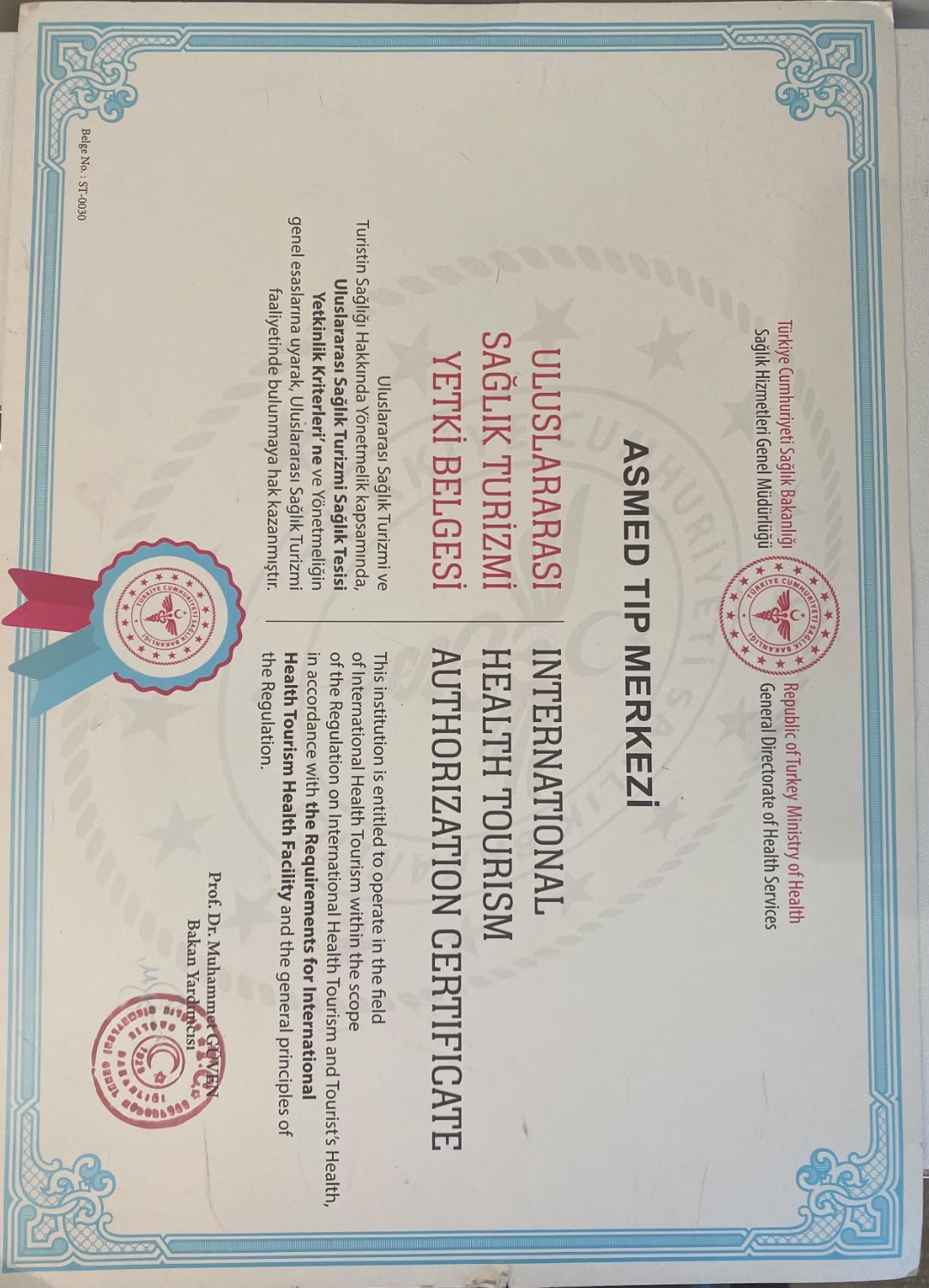
Uluslararası Sağlık Turizmi Yetkili Sağlık Tesisi
ASMED Tıp Merkezi, T.C. Sağlık Bakanlığı tarafından uluslararası sağlık turizmi alanında hizmet sunmak üzere yetkilendirilmiş bir sağlık tesisidir.
Sağlık Tesisi Sahibi: ASMED ÖZEL SAÇ EKİMİ SAĞLIK HİZMETLERİ A.Ş.
Yetki Belgesi No: ST-0030
International Health Tourism Authorized Healthcare Facility
ASMED Medical Center is a healthcare facility authorized by the Republic of Türkiye Ministry of Health to provide services in the field of international health tourism.
Owner and Operator: ASMED ÖZEL SAÇ EKİMİ SAĞLIK HİZMETLERİ A.Ş.
Authorization Certificate No.: ST-0030

Atatürk Mah. Sedef Caddesi No: 1/1 Ataşehir - İstanbul
Cookie Declaration - Update Date: 09.09.2026 - Editor: Ozer Erik - Tel: +90 216 464 11 11