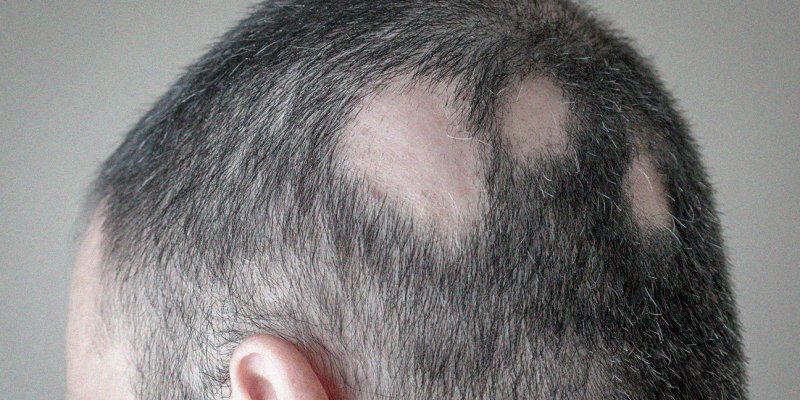
What is Fungal Hair Loss? How to Treat?
There are different types of hair loss. If you have patchy hair loss, for instance, you might not be getting enough nutrients. Moreover, if you experience an itchy scalp and hair loss along with redness on your scalp, you may have a fungus on your scalp. Fungal hair loss is often encountered in children, but it could also be the cause of sudden hair loss in men and women in their adulthood. A weak immune system, scalp traumas, or bacterial infections are generally the reasons for fungal hair loss. Because a skin fungus can not cure on its own, a fungal condition of the scalp must be treated medically.
Additionally, scalp fungus is extremely infectious. As a result, it is possible to accidentally infect relatives or friends with the fungus. Skin fungus develops in the warm, moist environment of the scalp and relies on the tiny skin flakes that exist there.
What is Fungal Hair Loss?
Fungal hair loss is hair shedding or breakage that results directly from a fungal infection of the scalp. The most well-known form is tinea capitis, also called scalp ringworm, a condition that has nothing to do with actual worms but is caused by dermatophyte fungi that invade the hair shaft and follicle. The infection weakens the structural integrity of the hair, causing strands to become brittle and break off close to the scalp surface. There are different types of hair loss problems. For instance, if you have a problem with patchy hair loss, you may be deficient in certain nutrients. In addition, if you have an itchy scalp along with hair loss and redness on your scalp, it is possible that you have a fungal infection in your hair. This kind of hair loss generally affects children but at times, it may cause unanticipated hair loss in adults as well. As it cannot get cured by itself, medical intervention becomes imperative. Skin fungus develops in the warm, moist environment of the scalp and relies on the tiny skin flakes that exist there.
What Causes Fungal Hair Loss?
Several distinct factors can trigger a fungal infection on the scalp and lead to hair loss. A weak immune system, scalp traumas, or bacterial infections are generally the reasons for fungal hair loss, but environmental and lifestyle factors also play a role. The most common causes include:
- Dermatophyte fungi (tinea capitis): Mold-like fungi called dermatophytes are the primary culprit. They penetrate the hair follicle and feed on keratin, the protein that makes up the hair shaft.
- Weakened immune system: People with compromised immunity, due to illness, medication, or stress, are more vulnerable to scalp fungal infections.
- Direct contact with an infected person or animal: The fungi that cause scalp ringworm can be found in soil or carried by animals, and transmission happens through direct skin contact or contact with contaminated objects such as combs, hats, or towels.
- Warm and humid environments: Fungi thrive in moist conditions. Excessive sweating, wearing tight headwear for long periods, or living in a hot climate can create conditions that encourage fungal growth.
- Scalp trauma: Cuts or abrasions on the scalp create entry points for fungal organisms.
- Sharing personal items: Brushes, pillowcases, and headgear used by an infected person are common vectors for spreading fungus hair conditions.
Children attending school or daycare are particularly at risk because of close daily contact with other children.
How to Treat Fungal Hair Loss
The dermatologist will collect a skin and hair sample after taking the patient's medical history. A culture is created in the laboratory-based on these samples to determine which fungus is causing the illness. Certain home remedies, such as apple cider vinegar, turmeric, or garlic can be used to treat fungal hair loss. However, using home treatments alone will not be adequate to successfully and sustainably combat the fungus. In most situations, antifungal antimycotics are given by the doctor after being sure that there is a fungal infection. Antimycotics are often orally administered medications that kill the fungus on scalp. Treatments for fungal infections typically last at least three months until full healing occurs. Without complete healing, the fungal infection will repeat itself.
Is Fungal Hair Loss Contagious?
Indeed, scalp fungus is highly contagious and can be easily transmitted from one individual to another. It means that you may unwittingly spread the fungus to your family members or friends. It transmits through physical contact between individuals, sharing of personal items such as comb, hat, or towel, and through contact with a surface that has been infected by the fungus. The infection can also occur from pets to human beings when animals have the fungus on their skin and fur. For this reason, all the people living in the same house should avoid the sharing of hair items, bedsheets, and towel until the infection has completely healed.
What are the Early Signs of Fungal Hair Loss?
Fungal infection on the scalp often starts with subtle symptoms that can be mistaken for dandruff or dry skin, making early identification important. Catching the signs early reduces the risk of the infection progressing to more severe forms that can cause lasting damage. Early signs to watch for include:
- Itchy scalp: Persistent itching is usually the first symptom, often before any visible hair loss occurs.
- Scaly or flaky patches: Circular or irregular scaly areas may appear and are sometimes mistaken for dandruff.
- Redness on the scalp: The affected areas can look inflamed or appear grey in skin tones where redness is less visible.
- Brittle, easily broken hair: Hair strands become weak and snap near the scalp, leaving short stubs or small black dots at follicular openings.
- Patchy hair loss: One or more bald patches develop, sometimes in a circular pattern, which can grow larger if left untreated.
- Tenderness or pain: The affected area of the scalp may feel sore or sensitive to the touch.
In more severe cases, the infection can develop into a kerion, a painful, pus-filled swelling that may ooze and carry a higher risk of permanent scarring if left untreated. If you notice any combination of these symptoms, seek a medical evaluation promptly.
How is Fungal Hair Loss Diagnosed?
Diagnosing fungal hair loss involves a physical examination by a healthcare provider who will look for characteristic signs and symptoms of the infection. However, because fungal infection hair loss can look similar to other scalp conditions like alopecia areata or seborrheic dermatitis, laboratory tests are often needed to confirm the diagnosis. Common diagnostic methods include:
- Visual examination: A dermatologist assesses the scalp for patchy hair loss, scaling, redness, and broken hair stubs.
- Wood's lamp examination: A special ultraviolet light that can highlight certain fungal species through fluorescence on the scalp and hair shafts.
- Microscopic examination (KOH test): Skin scrapings or hair samples are treated with potassium hydroxide and examined under a microscope for fungal spores.
- Fungal culture: A sample is grown in a laboratory medium to identify the specific species of fungus causing the infection. This is the most definitive test.
- Trichoscopy: A non-invasive dermoscopic examination that can reveal broken or coiled hairs characteristic of tinea capitis, aiding diagnosis without requiring a biopsy.
Getting an accurate diagnosis matters because treatment for fungus hair loss differs from treatment for other types of hair loss. Unlike some topical scalp conditions, fungal infections of the hair follicle typically require oral antifungal medication, since creams alone cannot penetrate the hair shaft where the fungus lives.
Can a Hair Transplant Fix Hair Loss Due to Fungus?
Yes, sometimes, but only after complete elimination of the infection. Hair follicles should start growing again once the fungus infection is completely eliminated. But if the hair doesn’t grow back, then it could be because of some other problems that have resulted from the infection, such as inherited hair loss. A hair transplant would be a good solution to fill the bald spots. But the main thing here is that the skin infection must be completely eliminated before going for a hair transplant.
In most hair loss conditions resulting from fungi, the hair follicle will be intact under the scalp, and the hair follicle starts growing again once the fungal infection stops. The only time this does not happen is when there is severe inflammation in an individual, particularly if the kerion is not treated at an early stage; in this situation, the result will be scarring and destruction of the hair follicle, meaning that it will not grow anymore. In this case, the only thing that can be done is a hair transplant. To fix permanent scars, one of the best methods that can be used is FUE Hair Transplant.
FAQs About Fungal Hair Loss
How long does fungal hair loss last?
Fungal hair loss lasts as long as the infection remains untreated. Once you start oral antifungal medication, the infection typically clears within 2 to 4 weeks. Hair regrowth then begins in 3 to 6 months, with full recovery taking up to a year.
How can fungal hair loss be prevented?
The best approach is to keep your head clean and dry, without having any contact with the fungi. It is important not to use other people’s personal items such as combs, hats, and towels, and to immediately treat your pets if they have the infection. In addition, do not wear tight clothes on your head.
Is fungal hair loss permanent?
In most cases, it is not permanent because hair follicles usually recover fully within 6 to 12 months after successful treatment. However, if a severe infection is left untreated, intense inflammation can scar the follicles. This scarring can lead to permanent hair loss, making early medical treatment crucial.
Will My Hair Grow Back?
The good news is that scalp fungal infections only result in temporary hair loss. Hair growth will usually be restored once a fungal infection has been treated. If they do not, there might be other underlying issues that were triggered by the fungus infection, such as hereditary hair loss. A hair transplant might be the answer to filling up the remaining bald patches.
However, the primary requirement for such a procedure is that the skin fungus is totally treated and that a trained hair specialist believes it would be beneficial.
If you are dealing with any kind of hair loss and want to learn about the treatment methods, you could consult the medical staff at Asmed. Moreover, if your hair loss is permanent and you want to restore the hair growth, surgeons at Asmed will be more than happy to assist you. For any kind of questions and concerns, reach out to us, and we will guide you happily!
Consultazione gratuita!
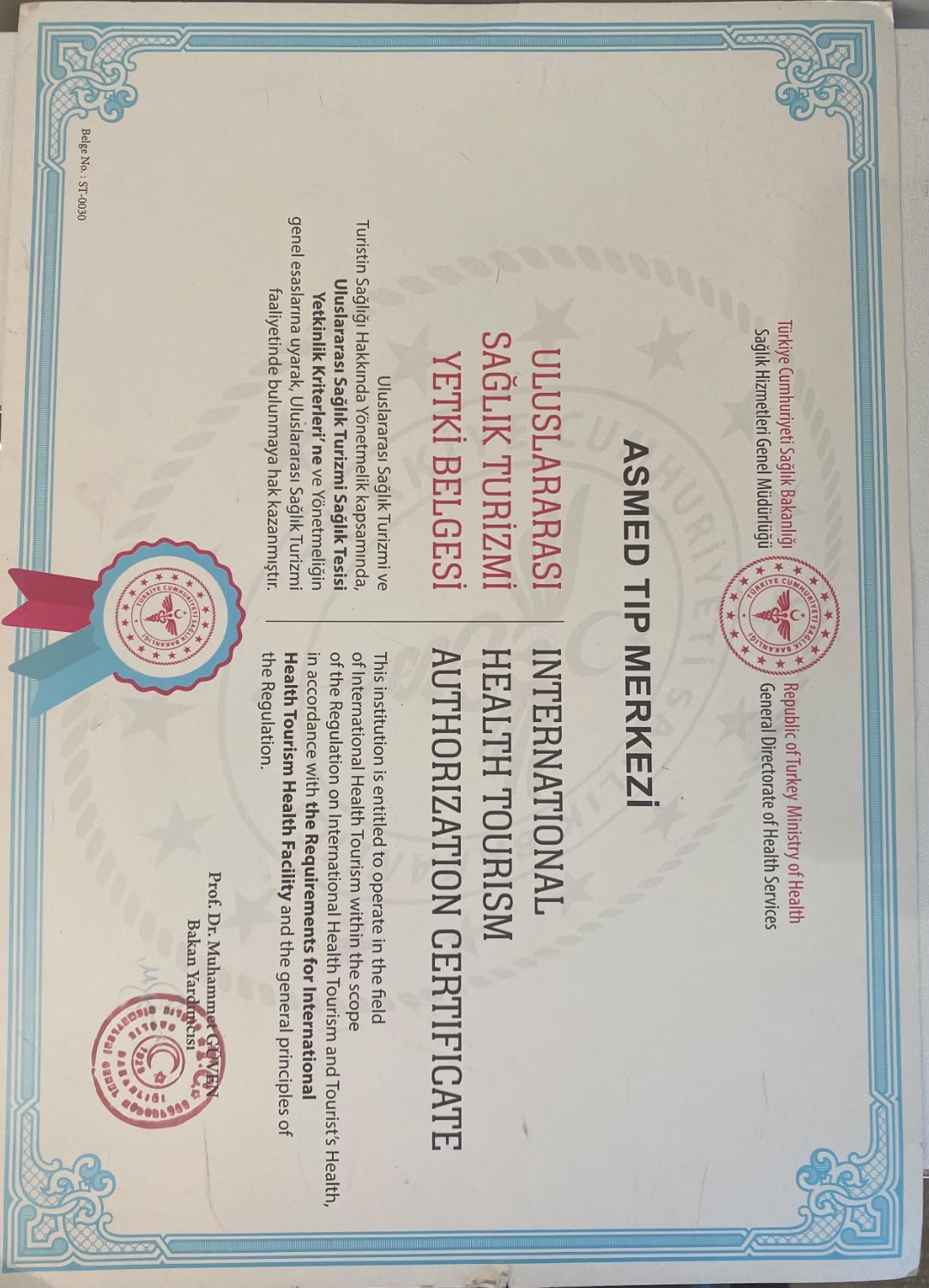
Struttura sanitaria autorizzata per il turismo sanitario internazionale
ASMED Medical Center è una struttura sanitaria autorizzata dal Ministero della Salute della Repubblica di Türkiye a offrire servizi nell'ambito del turismo sanitario internazionale.
Proprietario e gestore: ASMED ÖZEL SAÇ EKİMİ SAĞLIK HİZMETLERİ A.Ş.
Certificato di autorizzazione n.: ST-0030

Atatürk Mah. Sedef Caddesi No: 1/1 Ataşehir - İstanbul
Cookie Declaration - Update Date: 12.10.2026 - Editor: Ozer Erik - Tel: +90 216 464 11 11