
Headache After Hair Transplant: Causes and Treatment
Nowadays, hair transplant operations are considered to be one of the safest operations. However, since those are cosmetic operations, difficulties could be unavoidable from time to time. Hair follicles are planted and extracted on your scalp during a regular hair transplant process. Since the scalp is made up of delicate tissues, an explosion of sunlight can cause it to burn. Because the scalps are individual organs and one of the body’s smallest organs, your hair transplanted area may react differently to each of them.
Headache is one of the common complications of hair transplantation recovery, along with swelling after hair transplant operations. The majority of the patients might have headaches after the following days of the operation. Since your immune system attacks the hair follicles, the situation causes headaches. These attacks generally result in your transplanted hair strands falling out. This is called shock loss after a hair transplant. However, it is not a serious issue since hair follicles remain undamaged during this phase. You will grow all of these hair strands back. In short, there is no need to be alarmed when you experience headaches after your hair transplant operation, since they are actually signs that you are recovering.
Is It Normal to Have a Headache After a Hair Transplant?
Patients commonly ask in the days after their procedure whether a headache is something to worry about, and the reassuring answer is that it's entirely normal. The scalp is both sensitive and richly supplied with blood vessels, so any surgical work there, including a FUE hair transplant, puts real physical stress on the surrounding tissue. That stress often shows up as mild to moderate head pain in the hours and days that follow. Headaches appear on the list of known hair transplant side effects precisely because they happen so routinely. For most people, the discomfort is short-lived and manageable with rest and, where the surgeon recommends it, appropriate medication.
Common Causes of Headache After Hair Transplant
Understanding why the headache occurs post hair transplant helps people in preparing for the process and managing expectations. There are a few reasons for the development of headaches, but they usually act in conjunction. First of all, the local anesthesia applied before the surgery when its effect fades allows for scalp nerves to be awake again and trigger aching feeling. Second, the cuts and grafting trigger local inflammation that triggers head pain. In addition, the majority of people strain their neck and shoulder muscles during the process as they have been standing for a few hours. This leads to the development of a tension headache that becomes evident right after leaving the hospital. In addition, dehydration, lack of sleep during the initial days after the surgery and anxiety can worsen the condition.
Tension Headache After Hair Transplant
Tension headaches must be the common form of headaches that patients complain of after hair transplant procedures. This type of headache is felt as a constant pressure in the areas of forehead, temple and posterior portion of the head; the feeling of a tight band around the head. It is not accompanied by the symptoms associated with migraine headaches such as nausea, vomiting, and photophobia. The reason for such a condition is the result of muscle strain; the extended periods in which one lies down in a reclining chair causes prolonged contractions of neck, scalp and upper back muscles. After the procedure is done and the adrenaline is gone, the muscles relax and that relaxation causes pain.
Mild vs. Severe Headache After Hair Transplant: How to Tell the Difference
All post-operative headaches are not created equal, however. The typical mild headache is of lower intensity and intermittent; it yields to sleep, fluids, and an OTC medication your doctor has approved for you; and it does not interfere with regular activities. Over time it should improve. A severe headache, on the other hand, is more painful, possibly persistent, and defies conventional treatments. Headache accompanied by fever, unusual swelling, altered vision, disorientation, or stiffness of the neck requires immediate medical attention; call your doctor or head to urgent care. Knowing the difference will allow you to deal with whatever situation presents itself appropriately, without dismissing the serious symptoms as a minor one or getting unnecessarily worried about the latter.
Why Headache Happens After A Hair Transplant
Your scalp undergoes a traumatic experience during the surgery, so, naturally, it will try to heal itself. Most of the headaches after surgery, therefore, are not dangerous to the health and the results of your hair transplant.
In case of a headache experience, you should consult your doctor immediately and ask for suitable painkillers. Do not use any painkillers without consulting your doctor. Moreover, your total physical recovery may take up to 9 to 12 months. You can see the results and the increase in hair density over time. So, you need to be patient and careful after a hair transplant.
How Long Does a Headache Last After Hair Transplant?
For most patients, the headache peaks in the first 24 to 48 hours and then slowly fades. The majority find it has cleared entirely within three to five days, which tracks with the body's initial inflammatory response, most active in those early post-operative days. Those with a pain tolerance level that is on the lower side or who suffer from recurring headaches might feel pain lasting a week. As long as the headache is reducing and there are no other symptoms associated with it, then the period falls within the normal limits. If after a few days the headache does not change at all, then it is something to mention to your surgeon during your next visit.
Headache a Week After Hair Transplant: Should You Be Concerned?
A headache during the first week after surgery is more common than headaches in the second week but does occur and not necessarily due to something worrisome. At this stage, the wound has not healed yet and there are still inflammatory reactions under the skin. However, stress, lack of sleep, and the general reduction in activity levels due to recovery can keep the headache from fading away during the first days following the procedure. However, the unexpected occurrence of headache in the second week or increased severity of the headache in particular when it is associated with such signs as redness, warmth, discharge from either the donor or recipient sites, and fever, could be a signal of infection or some other complication.
What Happens After a Hair Transplant Surgery
In the aftermath of the operation, your scalp might be tender, and you might need pain medications for a while. Your surgeon will make you wear bandages for at least one day. Most of the patients are able to return to their work 2 or 5 days after a hair transplant surgery. However, you should avoid sun exposure and swimming after hair transplant procedures for your hair follicles not to be damaged. Moreover, doctors suggest you quit smoking after hair transplant surgeries for the best results.
How to Treat Headache After Hair Transplant
Managing a post-transplant headache starts with the least invasive measures. Rest comes first, the body heals better when it isn't under extra strain. Drinking water consistently throughout the day helps counter the dehydration that can sharpen head pain. Keeping your head slightly elevated, particularly when sleeping, eases pressure and reduces scalp swelling, both of which can bring down headache intensity. For actual pain relief, follow whatever analgesic your surgeon has recommended; this matters because some common over-the-counter options affect blood clotting and aren't appropriate in the post-operative period. A cool (not cold) compress placed on the forehead, kept well away from the treated scalp, can offer some relief without disturbing the healing grafts. Cutting back on screen time and resting in a quiet, dark room can also help a tension headache clear faster.
When to See a Doctor: Warning Signs of a Serious Headache
Most headaches after a hair transplant are harmless, but some symptoms demand immediate attention. Call your surgeon or go to an emergency service if the headache comes on suddenly and is the worst you've ever felt, if it's paired with a high fever, if your vision blurs or doubles, if you feel confused or have trouble getting words out, or if the pain is accompanied by a stiff neck. Persistent vomiting alongside a severe headache is another warning sign. None of these are features of ordinary post-operative pain, they may point to something unrelated to the transplant that needs prompt diagnosis. Uncertainty is always a reason to seek advice. The hair transplant in Istanbul teams at reputable clinics handle post-operative questions regularly and would far rather put a cautious patient's mind at rest than overlook something real.
Tips to Prevent Headaches During Hair Transplant Recovery
Prevention is worth more than treatment here. Several steps can reduce both the likelihood and severity of headaches during recovery. Start hydrating the day before surgery and keep it up throughout the recovery phase, even mild dehydration lowers your pain threshold. Tell your surgical team about any history of migraines or chronic headaches beforehand, so they can account for it in their anesthetic and pain management approach. If you drink coffee or tea regularly, don't cut it out around the time of surgery; a sudden drop in caffeine is itself a reliable headache trigger. Cut down on stress by getting your recovery setup sorted in advance, time off work arranged, a comfortable space ready, prescribed medications on hand. And follow all post-operative instructions carefully, including those related to hair transplant cost of aftercare products and recommended routines, since sticking closely to your surgeon's guidelines is one of the most dependable ways to keep headaches, and complications generally, to a minimum.
FAQs About Headache After Hair Transplant
Can the type of anesthesia used cause headaches after a hair transplant?
The local anesthetic is a well-recognised cause of post-operative headaches. As it wears off in the hours after surgery, the nerves it was suppressing begin to recover and can generate a dull, radiating ache. In some cases the sheer volume of anesthetic solution spread across the scalp also creates mild pressure during the procedure itself. This kind of headache is usually short-lived and fades on its own within the first day or two. If you have a known sensitivity to local anesthetics, raising this with your surgeon beforehand gives the team a chance to adjust the formulation or dosage where that's possible.
Is a headache one week after a hair transplant a sign of infection or complication?
A headache at the one-week mark isn't automatically a sign of infection, but it deserves more attention than one in the first 48 hours. Routine post-operative headaches generally ease steadily and should be mostly gone by this point. If what you're experiencing at one week is new, getting worse, or comes with fever, unusual discharge, increased redness, or swelling at the donor or recipient site, these could indicate infection and you should contact your clinic without delay. In the absence of those additional signs, a mild residual headache a week out is more likely tied to ongoing scalp healing, poor sleep, or tension than to any complication.
What painkillers are safe to take for a headache after a hair transplant?
You will receive explicit instruction about taking painkillers safely from your surgeon in your discharge instructions, and those instructions are what should guide your practice above all else. In general, the drug known as paracetamol (acetaminophen) is considered a relatively safe choice following surgery. NSAIDs, including drugs such as ibuprofen and aspirin, may not be used in the first days following surgery, as they have blood-thinning effects that could potentially interfere with the body's ability to heal properly. Never take a painkiller that your doctors have not already spoken to you about. If the one you are prescribed is not working, call the clinic for help with adjustments.
Can dehydration or stress make headaches worse after a hair transplant?
Dehydration and stress are well-known causes of headaches regardless of the situation, and they remain relevant even when trying to cope with the effects of surgery. Dehydration is associated with reduced blood volume, blood thickening, and increased sensitivity to pain, which may worsen existing headache symptoms or cause them. On the other hand, stress, especially the kind associated with undergoing surgery, causes muscle strain in the neck and scalp and contributes to the development of tension headaches. Actively addressing these two issues and drinking sufficient fluids, along with using such methods of managing stress as deep breathing exercises and light walks, will make your life easier.
How can I tell if my post-transplant headache is tension-related or something more serious?
In most cases, a tension-type headache occurring after hair transplant surgery will not have throbbing but will feel like pressure. The location of the headache is commonly on the forehead, temples, or the back of the neck. This type of headache will reduce with time and can be treated with sleep, hydration, and prescribed medications. In cases where you experience a more serious headache that is severe at onset, throbbing, and accompanied by other symptoms, a fever, vision problems, confusion, or neck stiffness, you will need to see a doctor.
If you are considering a hair transplant operation, it is normal to have concerns about the after-effects of the surgery. The Asmed team is here to guide you along the way and make your hair transplant journey more comfortable. Experienced medical staff in Asmed will make sure to answer all your questions and help you to have your desired outcomes from the hair transplant in Istanbul. You can consult the Asmed doctors for further information.
Consulta gratis!
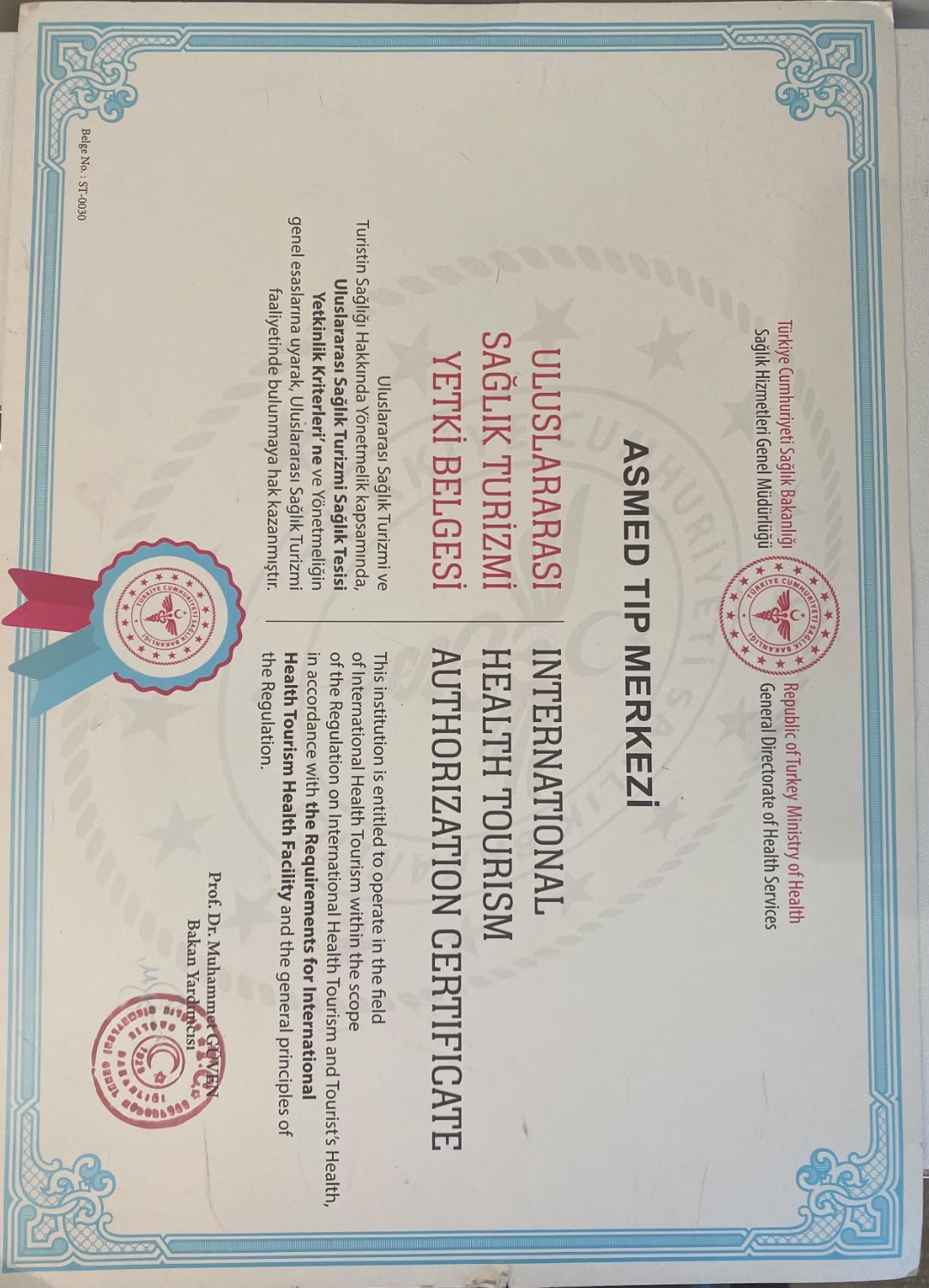
Centro sanitario autorizado para el turismo de salud internacional
ASMED Medical Center es un centro sanitario autorizado por el Ministerio de Sanidad de la República de Türkiye para prestar servicios en el ámbito del turismo de salud internacional.
Propietario y operador: ASMED ÖZEL SAÇ EKİMİ SAĞLIK HİZMETLERİ A.Ş.
N.º de certificado de autorización: ST-0030

Atatürk Mah. Sedef Caddesi No: 1/1 Ataşehir - İstanbul
Cookie Declaration - Update Date: 12.10.2026 - Editor: Ozer Erik - Tel: +90 216 464 11 11