
Can I Touch My Hair After Transplant?
Touching your scalp after a hair transplant might not be a good idea. It might affect your graft survivability and your procedure’s success negatively. So, graft health is very important for the effectiveness of a hair transplant. The patient's health, hair qualities, and surgical methods are all important elements that determine the transplanted graft. The healing phase or time for the transplanted grafts to settle is usually 8-10 days. For the first two weeks following a hair transplant, you must be extremely cautious. Hair transplant aftercare is extremely crucial when it comes to a healthy and successful FUE hair transplant recovery timeline. This is due to the fact that grafts are not instantly fixed after transplantation. Here are some tips to protect your grafts post-surgery:
Can Touching The Transplanted Area Damage The Hair Follicles?
Touching the region where the hair transplant is done in the initial period following the surgery will damage the hair follicles. In FUE hair transplant surgery, the grafts are placed in small channels made on the scalp. These grafts are not firmly attached for the initial 8 to 10 days following the surgery and are very sensitive to any physical disruption. When hair follicles are transplanted, their attachment with the blood vessels in the body is broken. They need support from the tissues around them until new capillaries grow, and this process is completed in about 7 to 14 days. Any physical touch like pressure, friction, or rubbing on the scalp during this period will dislodge the graft from the channel, making it unable to attach and generate hair.
The risks of early contact with the transplanted area include:
- Graft displacement, the follicle is pushed out of its implanted channel before it can anchor.
- Infection, hands carry bacteria, and open micro-incisions on the scalp are susceptible in the first few days.
- Disrupted blood supply, pressure on a graft can interrupt the early vascular connection forming around it.
- Scarring or poor healing, repeated mechanical disturbance can lead to uneven healing in the recipient zone. Graft health is one of the most critical factors determining the success of a hair transplant. The patient's general health, hair characteristics, and surgical method all play a role, but post-operative handling matters just as much. Protecting the grafts in the first two weeks is an essential part of any FUE hair transplant recovery timeline.
Can I Gently Touch My Transplanted Hair?
Yes, but only after the initial critical healing period has passed, and only with the correct technique. The phrase "gently touch" carries real meaning here, there is a clear difference between a controlled, flat-palm contact and any motion that involves friction, pressure, or fingernail contact. For the first 12 to 14 days after surgery, you should avoid touching the transplanted area altogether if possible. After this window, once grafts have begun to anchor securely into the scalp, very light contact becomes acceptable, but the following rules apply:
- Always use clean hands before touching any part of the scalp.
- Use the soft pad of your fingertips or the flat of your palm, never your fingernails.
- Apply no downward pressure, contact should feel like resting your hand on the scalp, not pressing into it.
- Avoid any sliding or rubbing motion across the surface of the scalp.
- Keep contact brief and purposeful, such as during washing or applying prescribed lotion.
If you are wondering whether you can gently touch your transplanted hair after 1 month, the answer is generally yes, by this point the grafts are well-anchored and the scalp has healed substantially. Normal, gentle contact is acceptable at one month, though you should still avoid vigorous rubbing or scratching in the recipient area.
When is It Safe to Touch My Transplanted Hair?
The safe timeline for touching hair after a hair transplant follows a clear progression based on how the healing process unfolds.
- Days 0–3: Avoid all contact with the transplanted area entirely. This is the most vulnerable period. The grafts sit in freshly made incisions with no anchoring at all.
- Days 3–7: Minimal, unavoidable contact only, such as during the supervised or carefully performed daily wash. Use fingertips only, with no pressure. Do not attempt to adjust or inspect the transplanted zone.
- Days 7–14: The scabs around the grafts begin drying out and the follicles are beginning to anchor. Touching should still be avoided outside of washing. Do not pick at scabs under any circumstances.
- Days 14–30: Grafts are largely secure by day 14. After this point, very light, deliberate contact is acceptable. Itching typically peaks around day 14 and gradually reduces, use light pressing with a clean finger pad rather than scratching to relieve it.
- After 1 month: Normal gentle handling of the scalp is safe. You can touch, wash, and begin resuming routine grooming. Vigorous rubbing or abrasive contact should still be approached with care until full healing is confirmed. The general rule across the entire first month is that if a contact would feel abrasive on an open wound, avoid it on the transplanted scalp.
What Happens If I Accidentally Touch The Grafts?
An accidental touch does not automatically mean a failed transplant. What matters is the nature of the contact and how early after surgery it occurred.
If you accidentally touched the transplanted area lightly, for example, brushed it with your hand while sleeping or misjudged the reach of a towel, the most likely outcome is no damage at all, particularly after the first week. Grafts are small but not impossibly fragile once the scabs begin to form. A single, brief, incidental contact is unlikely to dislodge a healthy graft.
The situations that carry real risk are:
- Firm rubbing or scratching in the first 14 days, which can physically remove grafts.
- Picking at scabs, which can pull grafts out along with the crust.
- Repeated contact, which accumulates trauma even if each individual touch is light.
- Contact with dirty hands, which introduces bacterial risk to healing incisions.
If you happen to touch the grafted site inadvertently and see the graft or individual hair strand on your finger or on the pillow, do not attempt to re-graft it back in place; consult your clinic immediately. For all other situations, when there are no visible signs of graft displacement, just keep a watch on the site calmly. Some minor redness or sensitivity resulting from incidental contact is normal and usually disappears within a few hours. If you have any persistent swelling or discharge, please inform your surgeon.
Knowing when the grafts become safe after hair transplantation can help ease worries about accidental contact.
Can I Touch My Hair While Applying Shampoo or Lotion?
Yes, but technique is everything. Applying shampoo or prescribed lotion to the transplanted area is a necessary part of aftercare, but doing it incorrectly is one of the most common ways patients accidentally disturb their grafts. Follow these steps when washing or applying lotion to the transplanted zone:
- Wash your hands thoroughly before any contact with the scalp.
- Dilute your shampoo in a cup of water before applying it, never pour concentrated shampoo directly onto the grafts.
- Apply with fingertip pads only, using a light dabbing or patting motion. Do not rub, circle, or drag across the scalp.
- Do not let water pressure hit the transplanted area directly. Use a cup or a gentle spray bottle to rinse, not a shower head pointed at the grafts.
- For lotion or moisturizer, apply using the same soft-pat method. Spread it evenly without dragging the skin. 6. Do not use fingernails at any point during the washing or application process.
- Pat dry gently with a soft, clean towel or gauze, never rub.
The best shampoo to use after a hair transplant is the one prescribed or recommended by your clinic. Using the donor area (the back and sides of the head) as a reference is helpful, normal washing of that region is acceptable earlier, but the recipient zone requires the careful technique described above for at least the first two weeks.
For patients using prescribed topical treatments such as minoxidil or anti-inflammatory lotions, always confirm with your surgeon when to reintroduce these and apply them using the same gentle technique.
Do All Transplanted Hair Grafts Grow?
Grafts breaking out during the first few days following hair transplantation is quite rare. Patients frequently believe that the hair that falls out following a transplant is the transplanted hair. However, it is actually normal and necessary for the healing process. Moreover, as long as your hair follicles are safe, there is nothing to worry about.
What Affects Graft Survivability
Most of the time, hair transplantation and graft survival go smoothly because hair transplant experts choose ideal candidates for transplantation. Some people can return to work in about 3 days, while some may take more than a week. But how long after hair transplant are grafts secure ? Typically, one or two months after the surgery, hair grafts are secure.
Will I Lose Hair Grafts After a Hair Transplant?
Most people are afraid of going bald, even after a hair transplant. Typically, five months following a hair transplant, the transplanted grafts drop away, making room for new hairs to grow in. Shedding is a normal process that occurs as part of the hair development cycle, and it is beneficial to the transplanted hair. However, if you do not take preventive steps, your non-transplanted hair will fall out in a few years, and you will go bald.
After the transplant, the patient is instructed to return in two days for bandage removal and the first head wash. The scalp will feel numb, and the feeling of contact will be reduced. It is important to remember that the transplanted region should not be touched or scraped as this may dislodge the grafts and introduce infection. After 12-14 days following surgery, patients might start touching the areas slightly.
Hair transplants are long and complicated procedures. The aftermath is even more complicated and might be overbearing. You might need the company of professional people alongside. This is where the Asmed team steps in! We are here to inform you about all the steps of the journey. Our medical staff will explain to you the do’s and don'ts before a hair transplant and the cautions you need to take after the operation. If you have any questions about hair transplant in Istanbul, do not hesitate to reach out for online consultation!
Holen Sie sich eine kostenlose Beratung!
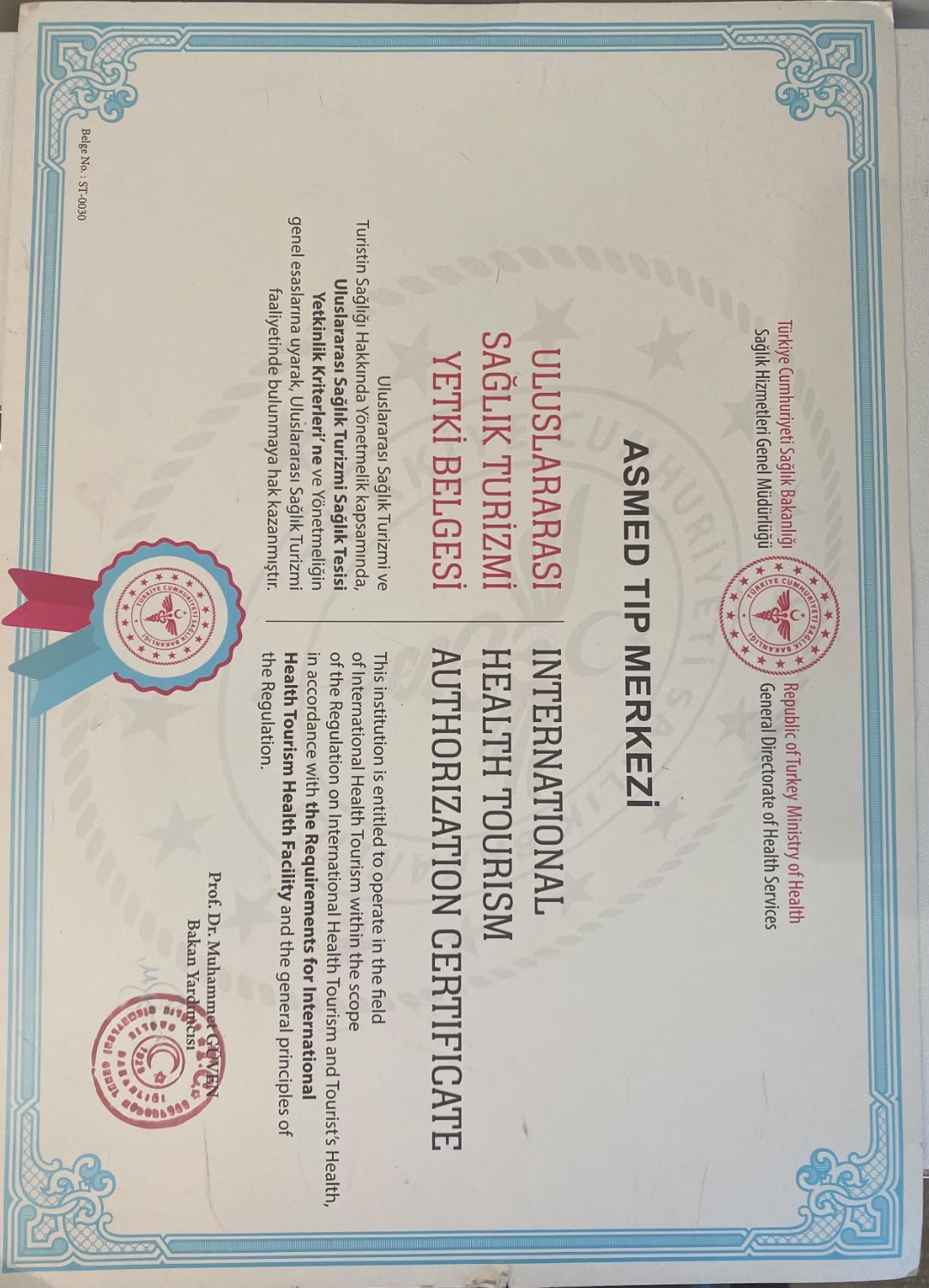
Für den internationalen Gesundheitstourismus zugelassene Gesundheitseinrichtung
Das ASMED Medical Center ist eine vom Gesundheitsministerium der Republik Türkiye zugelassene Gesundheitseinrichtung für Dienstleistungen im Bereich des internationalen Gesundheitstourismus.
Eigentümer und Betreiber: ASMED ÖZEL SAÇ EKİMİ SAĞLIK HİZMETLERİ A.Ş.
Zulassungsurkunde Nr.: ST-0030

Atatürk Mah. Sedef Caddesi No: 1/1 Ataşehir - İstanbul
Cookie Declaration - Update Date: 12.10.2026 - Editor: Ozer Erik - Tel: +90 216 464 11 11