
Hair Loss From Hormonal Imbalance: Causes & Treatments
Hair loss is a common concern that affects both men and women, but when it’s caused by hormonal imbalance, the issue becomes more complex. Hair loss from hormonal imbalance can occur due to various underlying conditions from thyroid disorders to polycystic ovary syndrome (PCOS), menopause, or androgens in men. Understanding how hormones impact hair health is crucial for effective diagnosis and treatment. In this guide, we explore the causes, symptoms, and most importantly, the treatment for hair loss due to hormonal imbalance in both females and males.
What is Hormonal Hair Loss?
Hormonal hair loss refers to hair shedding or thinning triggered by changes or imbalances in the body’s hormone levels. Hormones such as estrogen, progesterone, testosterone, cortisol, and thyroid hormones play a direct role in regulating the hair growth cycle.
Hair typically grows in phases anagen (growth), catagen (transition), telogen (rest), and exogen (shedding). When hormonal fluctuations interfere with these phases, it can lead to excessive hair fall, miniaturization of hair follicles, or even permanent hair loss in certain areas of the scalp.
The Link Between Hormonal Imbalance and Hair Loss
The link between hormonal imbalance and hair loss lies in how specific hormones affect the hair follicle’s ability to grow and regenerate. Key hormonal conditions associated with hair loss include: Androgenetic alopecia: Often called male or female pattern baldness, it is driven by DHT (dihydrotestosterone), a testosterone byproduct.
- Thyroid disorders: Both hypothyroidism and hyperthyroidism can disrupt the hair growth cycle.
- Menopause: Decreased estrogen levels can lead to thinning and fragile hair in women.
- Pregnancy/Postpartum: Rapid hormonal shifts after childbirth often cause temporary hair shedding known as telogen effluvium.
- PCOS (Polycystic Ovary Syndrome): PCOS and hair loss can be linked. It leads to excess androgen levels in women, causing thinning on the scalp and unwanted hair growth on the body.
- Adrenal fatigue or stress: Elevated cortisol levels can also contribute to hair loss.
Understanding the connection between hormonal changes and hair loss helps in determining the appropriate treatment method and improving the likelihood of hair regrowth.
Hair Loss Due To Hormonal Imbalance in Female
Hormonal imbalance hair loss in females often presents as diffuse thinning across the scalp or widening of the part line rather than complete baldness. The most common culprits include:
- Menopause
- PCOS
- Postpartum hormonal changes
- Oral contraceptives
- Thyroid dysfunction
Women experiencing hair loss due to hormonal imbalance might notice slower hair growth, increased hair fall during brushing, or hair becoming brittle and dry. Estrogen plays a protective role in hair growth, so any drop in estrogen levels—either due to age or underlying disorders—can impact hair density and volume significantly. Early diagnosis is essential. A blood test checking levels of thyroid hormones, androgens, and estrogen can help detect imbalances that may be contributing to your hair loss.
Hair Loss Due To Hormonal Imbalance in Male
In men, hormonal imbalance hair loss is primarily linked to DHT (dihydrotestosterone). This powerful androgen shortens the hair growth cycle and shrinks hair follicles, leading to male pattern baldness (receding hairline or crown thinning). But other hormonal issues, such as low testosterone or thyroid dysfunction, may also play a role. Symptoms include:
- Thinning on the crown or temples
- Hairline recession
- Excessive hair shedding
- Slower regrowth after haircuts
Men should undergo hormonal panels to identify whether the root cause is purely genetic or hormonally influenced, especially if the hair loss pattern is atypical or sudden.
Treatment For Hair Loss Due To Hormonal Imbalance
Hormone imbalance hair loss treatment depends on identifying the root hormonal cause. Treatment options vary based on gender, hormone levels, and overall health condition. Some of the most effective treatments include:
1. Hormonal Therapy
For women with estrogen or progesterone deficiencies (e.g., menopause), hormone replacement therapy (HRT) may stabilize hormone levels and reduce hair thinning. For men and women with androgen-related hair loss (DHT sensitivity), DHT blockers such as finasteride or topical treatments may be prescribed.
2. Topical Treatments
Minoxidil (Rogaine): Approved for both men and women, this topical solution stimulates hair growth and can slow down hormonal hair loss.
Anti-androgen topical solutions: Useful in female patients experiencing hair thinning due to high androgen levels.
3. Diet and Supplements
Nutritional imbalances can worsen hormonal hair loss. Key supplements include:
- Vitamin D
- Biotin
- Iron
- Zinc
- Omega-3 fatty acids
4. Lifestyle Modifications
Stress management, sleep regulation, and a hormone-friendly diet (low sugar, high fiber, protein-rich) can help balance hormone levels naturally.
5. Medical Treatments
Thyroid medication Birth control pills (in PCOS cases) Metformin (for insulin resistance)
Consult a healthcare provider or endocrinologist for a personalized approach.
Does Hair Loss Due To Hormonal Imbalance Grow Back?
This is a common concern: Does hair loss due to hormonal imbalance grow back? The answer is often yes, especially if the hormonal imbalance is diagnosed early and managed correctly. Once the underlying cause is addressed and hormone levels are stabilized, hair can begin to regrow within 3–6 months.
However, regrowth may vary based on the severity of the imbalance and how long the hair follicles have been dormant. In some cases, if the follicles have miniaturized or died, the hair loss may become permanent—especially in pattern baldness.
Early intervention remains the key to successful recovery.
Is Hair Transplant Effective For Hair Loss Caused by Hormonal Imbalance?
A hair transplant can be an effective long-term solution for patients with hormonal imbalance hair loss, particularly if there is already significant thinning or permanent follicle damage.
However, candidates must first stabilize their hormonal levels before considering surgery. Transplanting hair into a hormonally unstable scalp can compromise results, as the newly transplanted grafts may also fall out.
At ASMED Surgical Center, our team performs advanced FUE hair transplants only when the patient’s hormonal profile is stable to ensure optimal and permanent hair transplant results.
Will a Hair Transplant Work If My Hormones Are Still Unbalanced?
Performing a hair transplant while hormones are still unbalanced is not recommended. Unstable hormones can cause further hair loss even after the procedure, and the transplanted grafts may not survive.
Before undergoing a transplant, your doctor will require a full medical history and lab tests to ensure that hormonal causes are under control. Once stabilized, you can confidently proceed with the procedure, knowing the risk of further hair loss is minimized.
Final Thoughts
Hair fall due to hormonal imbalance is more common than you think—and with the right diagnosis and treatment, it’s often reversible. Whether you're experiencing hormonal imbalance hair loss female or male hormonal hair loss, understanding the root cause is the first step toward recovery.
At ASMED Surgical Medical Center, Dr. Koray Erdogan and his team take a scientific and personalized approach to every hair loss case. From hormone assessments to cutting-edge FUE hair transplants, we’re here to help you restore not just your hair but your confidence.
Consultazione gratuita!
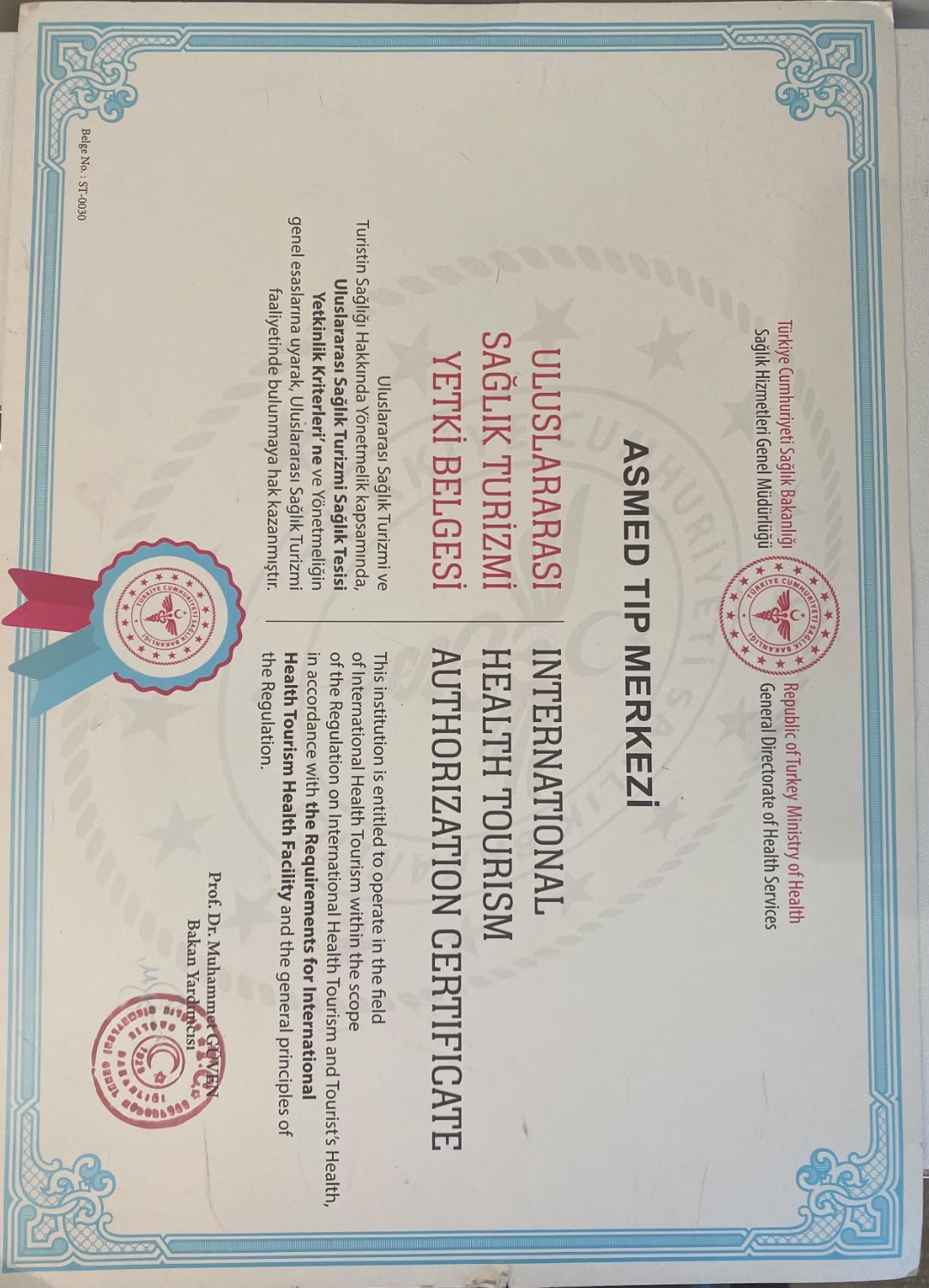
Struttura sanitaria autorizzata per il turismo sanitario internazionale
ASMED Medical Center è una struttura sanitaria autorizzata dal Ministero della Salute della Repubblica di Türkiye a offrire servizi nell'ambito del turismo sanitario internazionale.
Proprietario e gestore: ASMED ÖZEL SAÇ EKİMİ SAĞLIK HİZMETLERİ A.Ş.
Certificato di autorizzazione n.: ST-0030

Atatürk Mah. Sedef Caddesi No: 1/1 Ataşehir - İstanbul
Cookie Declaration - Update Date: 09.09.2026 - Editor: Ozer Erik - Tel: +90 216 464 11 11