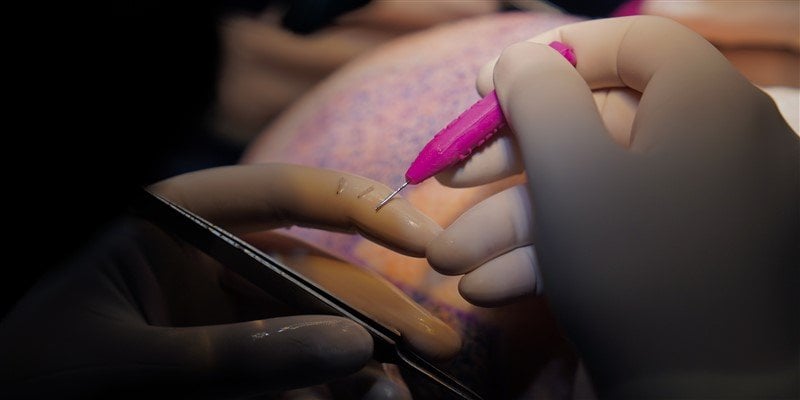
Protuberanze dopo il trapianto di capelli
Uno dei probabili effetti negativi del trapianto di capelli è la crescita di brufoli insieme al prurito e al rossore dopo il trapianto di capelli. Successivamente al trapianto di capelli, dopo 2-4 settimane i brufoli possono apparire sul cuoio capelluto o nella zona donatrice. I brufoli sono abbastanza comuni e non devono essere considerati motivo di preoccupazione perché fanno parte del recupero dell'area donatrice o della zona trapiantata. I brufoli del cuoio capelluto dopo il trapianto di capelli potrebbero essere causati da una varietà di fattori. Quando cresce un brufolo, l'area interessata non deve essere trascurata e deve essere trattata correttamente per ottenere risultati di trattamento ottimali.
Perché compaiono i brufoli dopo il trapianto di capelli?
Ci sono diverse possibili cause di brufoli dopo il trapianto di capelli. Alcune di queste cause possono essere correlate all'operazione, mentre altre possono essere correlate all'incapacità del paziente di esercitare sufficiente attenzione quando segue la procedura. Una volta che i capelli impiantati iniziano a crescere, si forma un brufolo o delle protuberanze. Succede quando i follicoli non vengono rimossi correttamente durante la procedura di trapianto e il follicolo pilifero rimane all'interno della pelle. L'eccesso di sebo del corpo è tra le ragioni più importanti per lo sviluppo di brufoli. I brufoli possono comparire se viene generato troppo sebo nella regione dopo un trapianto di capelli.
Tipi di brufoli dopo il trapianto di capelli
I brufoli del cuoio capelluto sono comuni dopo l'intervento di trapianto di capelli e ne esistono di varie forme. Le seguenti sono le forme più comuni di brufoli:
- Follicolite o infiammazione del follicolo: brufoli con formazione di accumulo batterico a causa del mancato mantenimento dell’area pulita dopo l'operazione. La follicolite dopo un trapianto di capelli è complessivamente pericolosa e dovrebbe essere esaminata immediatamente da un professionista.
- Cisti dermoidi: sebbene non comuni, le cisti dermoidi sono forme che potrebbero compromettere l'esito delle procedure di trapianto di capelli. È fondamentale consultare il medico per i farmaci per questo tipo di crescita dei brufoli.
- Peli incarniti: durante il trapianto di capelli, i follicoli piliferi trapiantati possono avere difficoltà a emergere dall'epidermide. In questo scenario, i peli che non riescono a raggiungere la superficie della pelle continuano a crescere nella direzione opposta. I peli incarniti favoriscono irritazione e brufoli.
Trattamento dei brufoli dopo il trapianto di capelli
Anche se i brufoli nella regione del trapianto di capelli non dovrebbero essere motivo di preoccupazione, questo non vuol dire che i brufoli non richiedano cure mediche. Esistono diversi trattamenti alternativi per i brufoli che si verificano nella regione del ripristino dei capelli.
- Utilizzo di un impacco di acqua calda: Il medico potrebbe consigliarti di utilizzare un impacco di acqua calda per ridurre i brufoli dopo l'intervento di trapianto di capelli. Dovresti stare attento a non usare troppa pressione durante il trattamento e a non surriscaldare e irritare la regione.
- Terapia antibiotica: Sebbene non sia sempre auspicabile, gli antibiotici orali possono essere necessari quando le protuberanze nella regione diventano piuttosto gravi. Questo è consigliato anche nel trattamento dei brufoli persistenti. Il medico deve prescrivere gli antibiotici da somministrare.
Is it normal to have bumps and scalp pimples after a hair transplant?
Yes, it is quite normal to experience bumps and scalp pimples after a hair transplant. These small, often itchy or tender bumps are typically a result of the healing process and the skin adjusting to the newly transplanted hair follicles. The scalp goes through various phases of healing, which can include inflammation and minor infections around the transplanted follicles, leading to the formation of pimples.
For how long do scalp pimples appear after a hair transplant?
Scalp pimples can appear for several weeks to a few months after the hair transplant procedure. In the immediate weeks following the transplant, the scalp is healing from the incisions made during the procedure, and pimples can form as a response to this healing process. Generally, these pimples become less frequent and severe as the scalp continues to heal. In some cases, patients might experience occasional pimples for up to a year after the procedure, but this is less common.
Is there anything to do to prevent scalp pimples before they appear?
To prevent scalp pimples before they appear following a hair transplant, it's crucial to adhere strictly to your surgeon’s post-operative care guidelines. This regimen typically includes gentle cleansing of the scalp using a mild, non-irritating shampoo as recommended by your doctor. Avoiding harsh hair products that may irritate the scalp or clog hair follicles is also essential. Additionally, refraining from unnecessary touching or scratching of the scalp helps prevent introducing bacteria and causing irritation. If prescribed, applying topical antibiotics or anti-inflammatory medications as directed by your doctor can further mitigate the risk of developing scalp pimples. These proactive measures are instrumental in promoting a healthy recovery and optimizing the outcome of your hair transplant procedure.
Can bumps and pimples affect the success of my hair transplant?
In most cases, bumps and pimples do not affect the overall success of the hair transplant. However, if they are severe or persistent, they can interfere with the healing process and potentially impact the final hair transplant results. It's important to address any concerns with your doctor to ensure they do not interfere with the transplanted follicles. Your doctor might recommend specific treatments or adjustments to your post-operative care routine to address these issues effectively.
Should I be concerned about infection if I develop bumps and pimples?
While bumps and pimples are usually harmless and part of the normal healing process, they can occasionally lead to infection if not properly cared for. Maintaining good scalp hygiene and following post-operative instructions can significantly reduce this risk. If you notice signs of infection, such as excessive redness, swelling, pus, or an increase in pain, you should contact your doctor immediately. Early intervention can prevent more serious complications and ensure a smooth recovery.
When should I contact my doctor about bumps and pimples on my scalp?
You should promptly contact your doctor if you experience any of the following concerning symptoms related to bumps and pimples on your scalp after a hair transplant:
- Severe or persistent pain associated with the bumps and pimples.
- Pimples that do not improve or worsen over time.
- Signs of infection such as excessive redness, swelling, warmth, or discharge from the affected area.
- Any systemic symptoms like fever, which could indicate a more serious infection. Early communication with your doctor is essential to address these issues promptly and prevent potential complications.
Per ulteriori domande a cui cerchi risposte a seguito di un trapianto di capelli, puoi contattare i professionisti Asmed. Qui, ci assicureremo che tu provi il minimo disagio durante e dopo la procedura. Contattaci oggi stesso per ulteriori informazioni.
Consultazione gratuita!
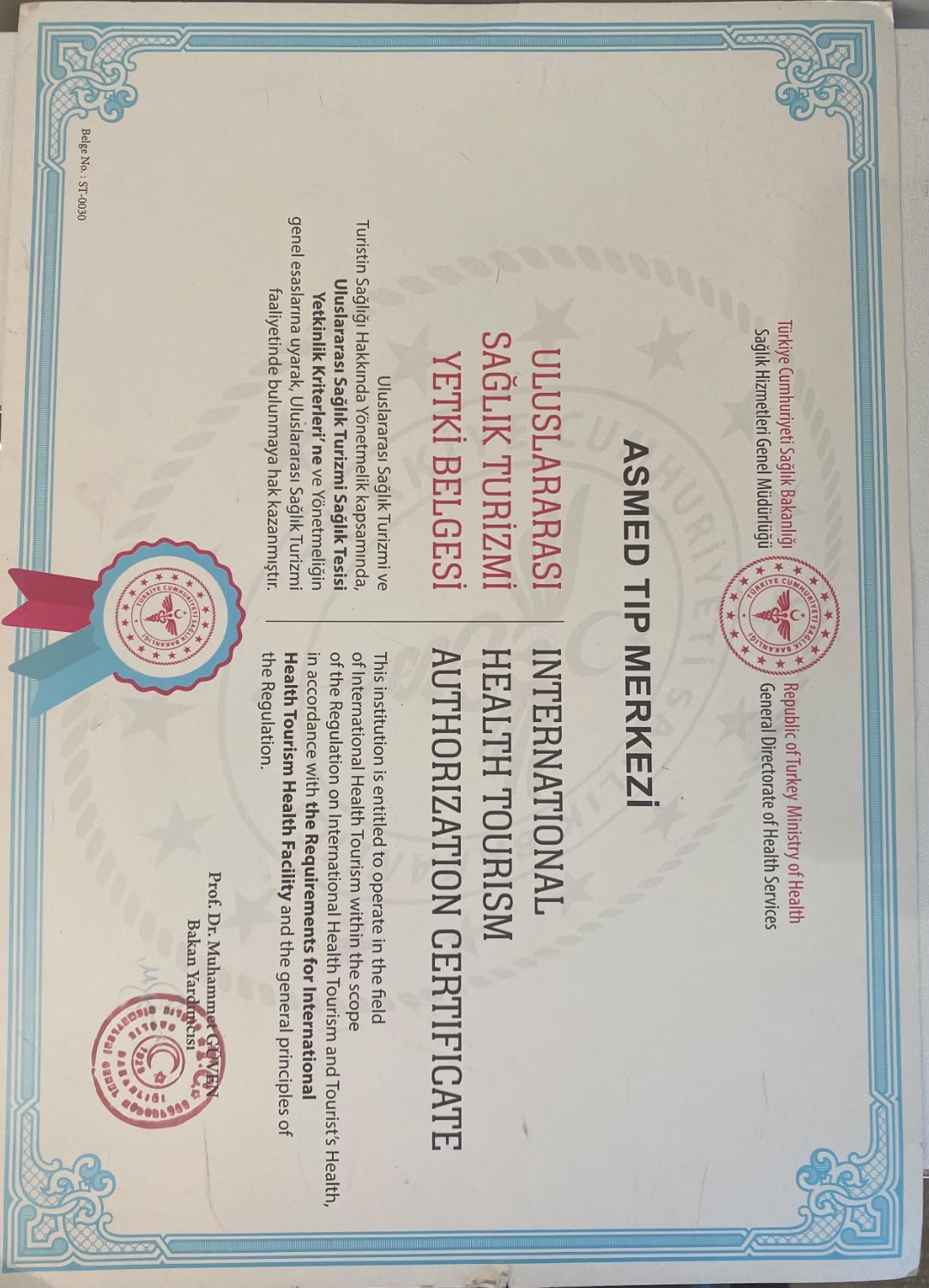
Struttura sanitaria autorizzata per il turismo sanitario internazionale
ASMED Medical Center è una struttura sanitaria autorizzata dal Ministero della Salute della Repubblica di Türkiye a offrire servizi nell'ambito del turismo sanitario internazionale.
Proprietario e gestore: ASMED ÖZEL SAÇ EKİMİ SAĞLIK HİZMETLERİ A.Ş.
Certificato di autorizzazione n.: ST-0030

Atatürk Mah. Sedef Caddesi No: 1/1 Ataşehir - İstanbul
Cookie Declaration - Update Date: 09.09.2026 - Editor: Ozer Erik - Tel: +90 216 464 11 11